في ظل السوق التنافسي اليوم، تسعى الشركات العاملة في قطاعي المشروبات والتعبئة والتغليف باستمرار إلى إيجاد طرق لتعزيز الإنتاجية مع تقليل التكاليف التشغيلية. وتعد خطوط تعبئة الزجاجات البلاستيكية الجاهزة للتشغيل (Turnkey) واحدة من أكثر الحلول فعالية. يعمل هذا النظام الشامل على تبسيط عملية التعبئة بأكملها من البداية إلى النهاية، مما يتيح للشركات التركيز على النمو والابتكار. في هذا المقال، سنستكشف الأبعاد المختلفة لخطوط تعبئة الزجاجات البلاستيكية الجاهزة، بما في ذلك مكوناتها، وفوائدها، واستراتيجيات تنفيذها، والعوامل التي يجب مراعاتها عند اختيار النظام.
ما هو خط تعبئة الزجاجات البلاستيكية الجاهز؟
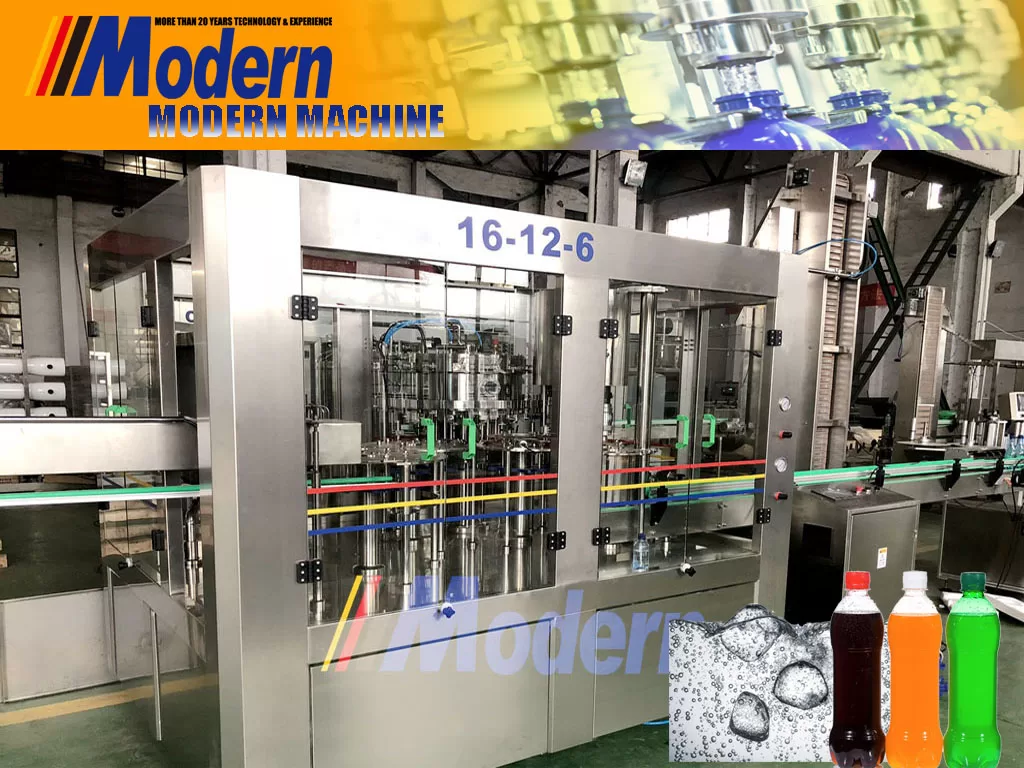
خط تعبئة الزجاجات البلاستيكية الجاهز للتشغيل هو نظام إنتاج متكامل مصمم للتعامل مع جميع جوانب عملية التعبئة: بدءاً من التعبئة والإغلاق وصولاً إلى وضع الملصقات والتغليف. يتم تجميع هذه الأنظمة واختبارها مسبقاً من قبل الشركات المصنعة، مما يسمح للشركات ببدء العمليات فوراً بمجرد تشغيل النظام. غالباً ما يؤدي هذا النهج المعياري إلى توفير كبير في الوقت والتكلفة مع الحفاظ على جودة عالية واتساق في المنتجات.
المكونات الرئيسية لخط تعبئة الزجاجات البلاستيكية الجاهز للتشغيل
يعد فهم مكونات خط تعبئة الزجاجات البلاستيكية الجاهز للتشغيل أمراً ضرورياً لتقييم كفاءته ومدى ملاءمته لعملك. فيما يلي تفصيل للعناصر الرئيسية:
1. نظام تغذية الزجاجات
يعد نظام تغذية الزجاجات نقطة البداية لخط التعبئة. وهو مصمم لإدارة وتوجيه الزجاجات البلاستيكية الواردة قبل تعبئتها. تستخدم الأنظمة المتقدمة أجهزة استشعار وأتمتة لضمان تدفق مستمر للزجاجات، مما يقلل من وقت التوقف عن العمل ويزيد من الإنتاجية.
2. آلة التعبئة
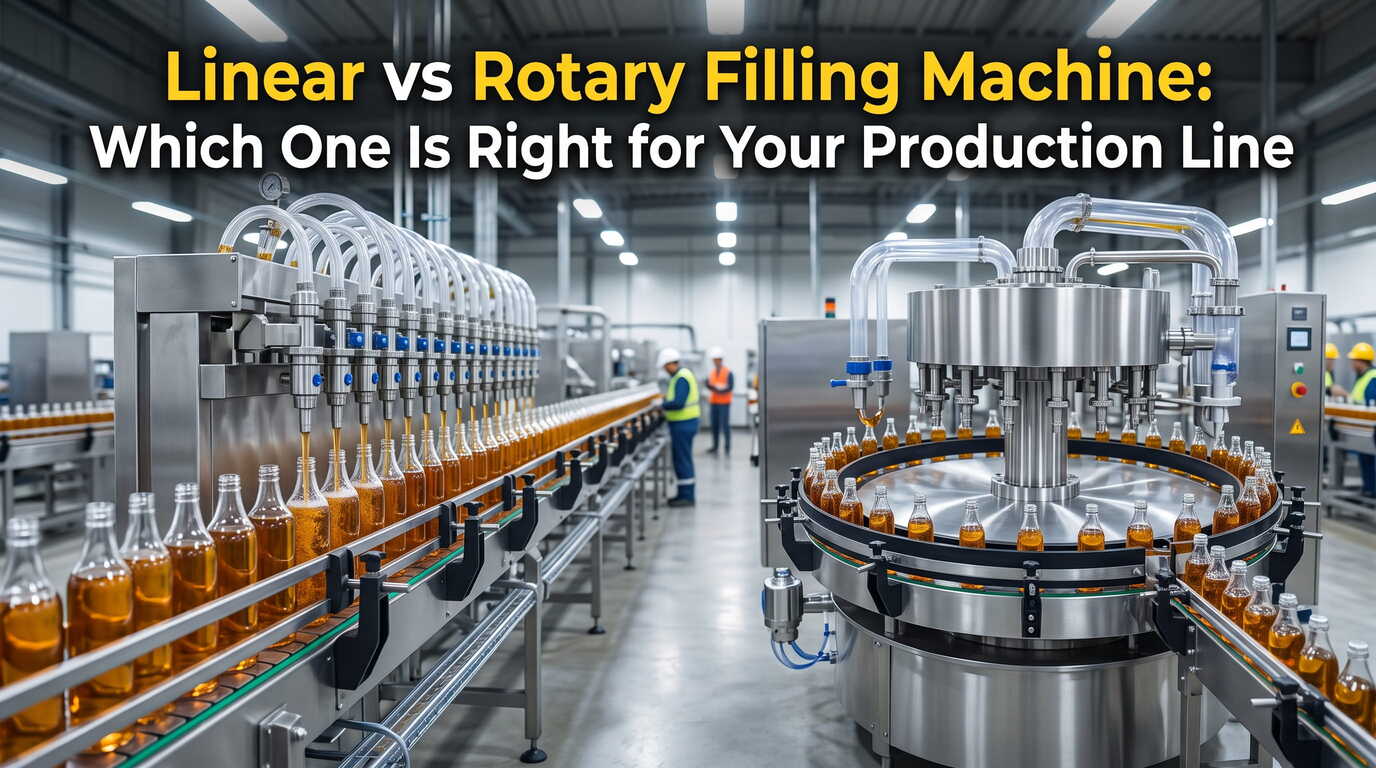
تعتبر آلات التعبئة حاسمة لضمان توزيع السوائل بدقة وكفاءة داخل الزجاجات. واعتماداً على نوع المشروب، قد يتم استخدام تقنيات تعبئة مختلفة، بما في ذلك التعبئة بالجاذبية، والتعبئة بالضغط، والتعبئة بالتفريغ. يؤثر اختيار آلة التعبئة بشكل كبير على السرعة الإجمالية وجودة عملية التعبئة.
3. نظام الإغلاق (Capping System)
يقوم نظام الإغلاق بتثبيت أغطية الزجاجات على الزجاجات المعبأة. من الضروري تنفيذ هذه العملية بكفاءة لتجنب تلوث المنتج والتسريبات. تستخدم معظم الآلات الحديثة تقنيات التحكم في عزم الدوران لضمان وضع الأغطية بشكل صحيح في كل مرة.
4. آلة وضع الملصقات
تقوم آلات وضع الملصقات بوضع ملصقات المنتج على الزجاجات، وهو أمر بالغ الأهمية للعلامة التجارية والامتثال للمعايير التنظيمية. يمكن لهذه الآلات التعامل مع مجموعة متنوعة من أنواع الملصقات، بما في ذلك الملصقات ذاتية اللصق، والملصقات القابلة للانكماش، والملصقات الملتفة، ويمكن تزويدها بأنظمة رؤية للتحقق من وضع الملصق ودقته.
5. التعبئة والتغليف والتجميع على منصات نقالة
بعد التعبئة، يجب تغليف المنتجات بشكل صحيح للتوزيع. قد يشمل ذلك التعبئة في صناديق، والتغليف بالانكماش، والتجميع على منصات نقالة. يضمن نظام التغليف الفعال تسليم المنتجات للعملاء في حالة ممتازة، مما يسهل سلسلة توريد فعالة.
فوائد تنفيذ خط تعبئة زجاجات بلاستيكية جاهز للتشغيل
يوفر دمج خط تعبئة زجاجات بلاستيكية جاهز للتشغيل العديد من الفوائد التي يمكن أن تؤثر بشكل كبير على أرباح الشركة:
1. زيادة الكفاءة
يعزز النظام الجاهز الكفاءة من خلال أتمتة مراحل متعددة من عملية التعبئة، مما يقلل من العمل اليدوي ويحسن دورات الإنتاج. وهذا يؤدي إلى زيادة الإنتاج، مما يمكن الشركات من تلبية طلب المستهلكين المتزايد.
2. توفير التكاليف
من خلال تقليل استخدام العمليات اليدوية القديمة وخفض تكاليف العمالة، يمكن للشركات تحقيق وفورات كبيرة. بالإضافة إلى ذلك، يعني وقت التركيب السريع انخفاض النفقات الرأسمالية الأولية وعائداً أسرع على الاستثمار.
3. تحسين جودة المنتج
مع الآلات المؤتمتة، يتضاءل خطر الخطأ البشري، مما يؤدي إلى جودة منتج متسقة. تقلل الدقة في التعبئة والإغلاق من الهدر والتلوث، مما يضمن مطابقة المنتجات للمعايير التنظيمية وتوقعات المستهلكين.
4. المرونة وقابلية التوسع
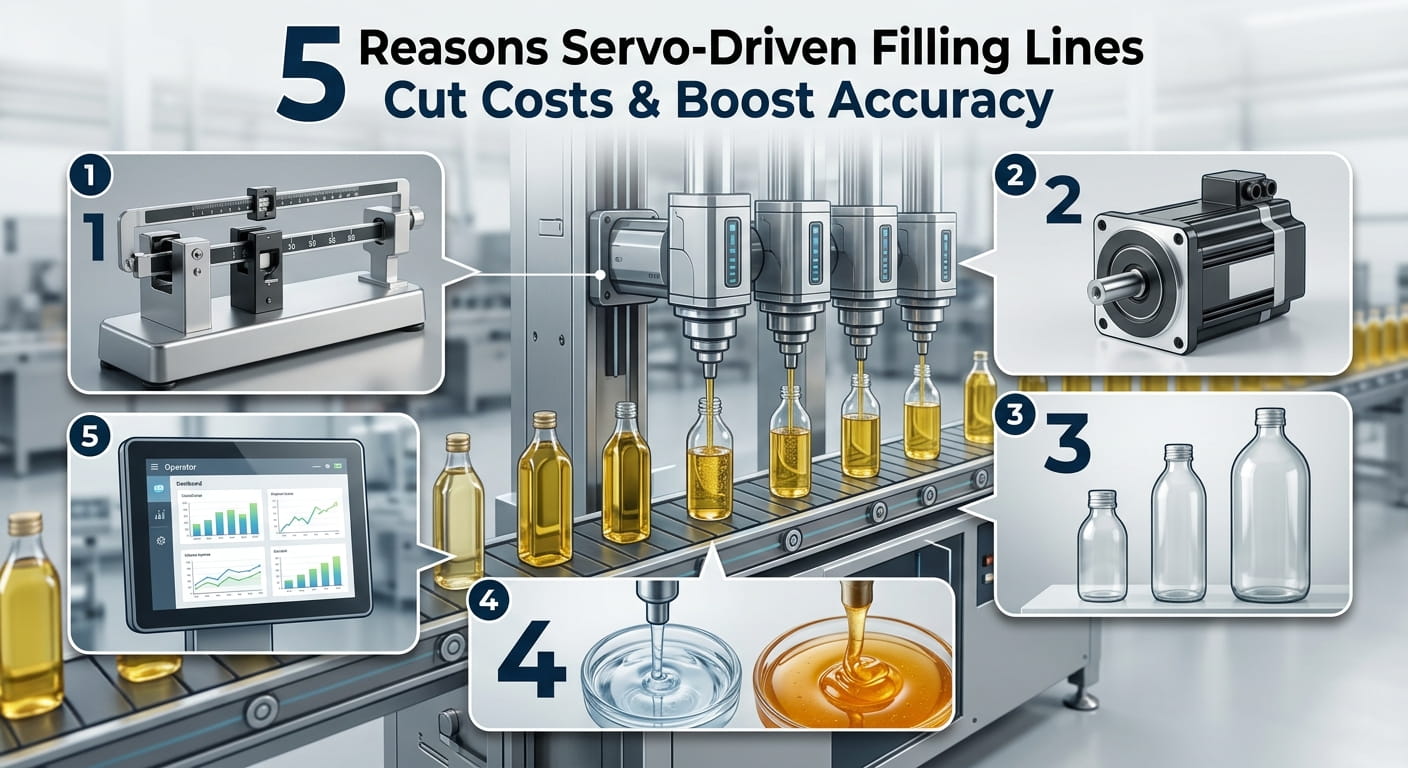
تم تصميم خطوط التعبئة الجاهزة مع مراعاة المرونة. يمكن تكييفها للتعامل مع أحجام وأشكال مختلفة من الزجاجات، بالإضافة إلى سوائل مختلفة، مما يوفر للشركات المرونة اللازمة للتحول نحو فرص سوقية جديدة. علاوة على ذلك، مع زيادة متطلبات الإنتاج، تسمح الخيارات القابلة للتوسع للشركات بتوسيع قدراتها دون الحاجة إلى تغييرات جذرية.
استراتيجيات تنفيذ خطوط تعبئة الزجاجات البلاستيكية الجاهزة للتشغيل
يتطلب التنفيذ الناجح لخط تعبئة زجاجات بلاستيكية جاهز للتشغيل تخطيطاً وتنفيذاً دقيقين. فيما يلي بعض الاستراتيجيات القابلة للتنفيذ لضمان تكامل سلس:
1. إجراء تقييم للاحتياجات
قبل اختيار خط التعبئة، قم بتقييم طاقتك الإنتاجية الحالية، وأنواع المنتجات، واحتياجات التوسع. سيساعدك فهم متطلباتك على اختيار المكونات والتقنيات المناسبة لعملياتك.
2. التعاون مع خبراء الصناعة
يمكن أن توفر الشراكة مع متخصصي الأتمتة ومصنعي خطوط التعبئة رؤى لا تقدر بثمن حول أحدث التقنيات وأفضل الممارسات. إن إشراك الخبراء خلال مرحلة التخطيط يمكن أن يؤدي إلى تصميم نظام أفضل ونجاح في التنفيذ.
3. تدريب موظفيك
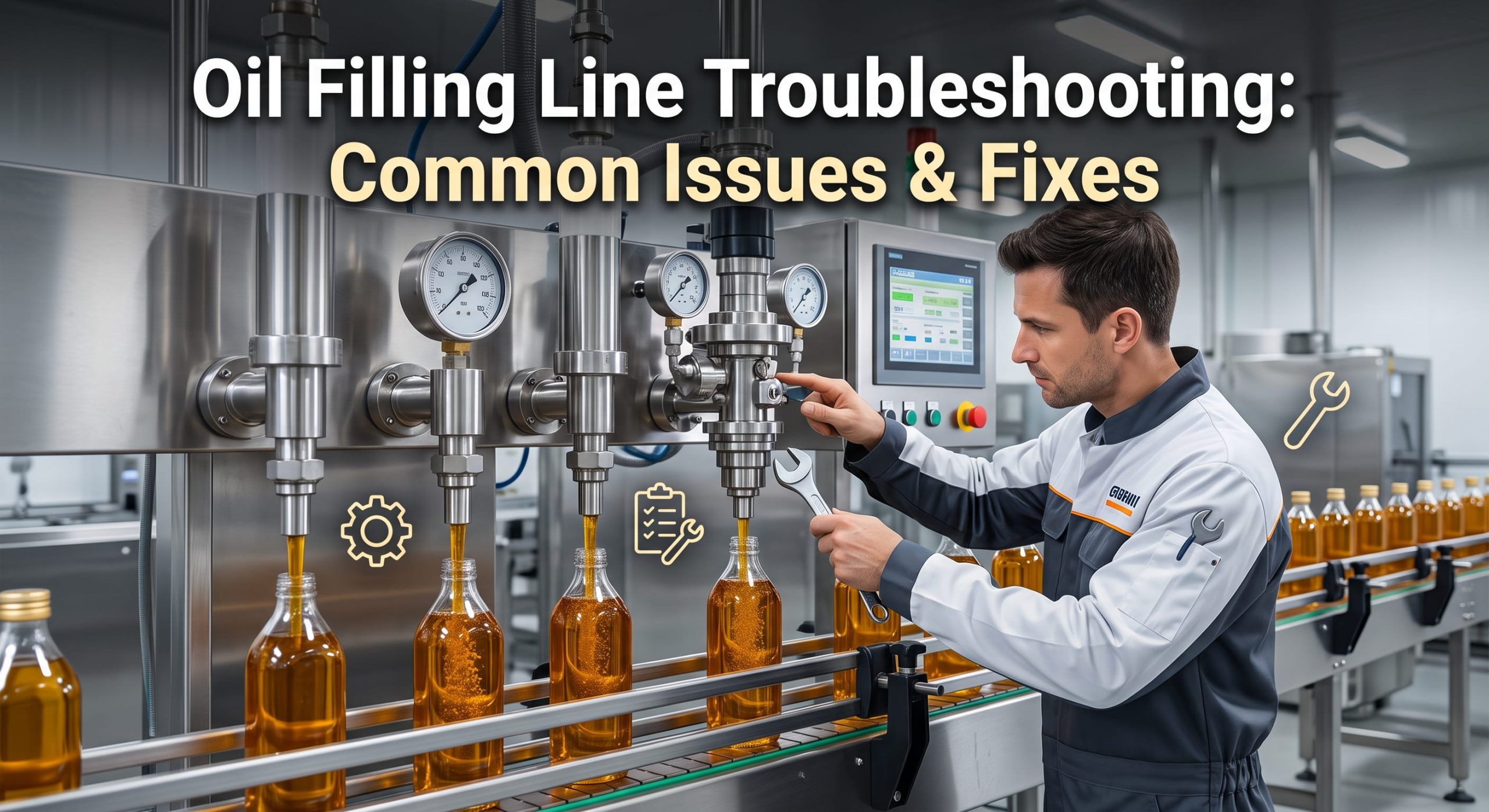
يعد التدريب المناسب أمراً ضرورياً لتعظيم فوائد النظام الجديد. وفر تدريباً مستمراً للمشغلين وفرق الصيانة لضمان إلمامهم التام بالآلات وقدرتهم على استكشاف أي مشكلات قد تنشأ وإصلاحها.
4. تنفيذ إجراءات مراقبة الجودة
قم بدمج نقاط فحص مراقبة الجودة في جميع مراحل عملية التعبئة للحفاظ على معايير عالية للمنتج. ستساعد معايرة المعدات بانتظام وإجراء عمليات التفتيش في تحديد العيوب مبكراً وتجنب عمليات الاستدعاء المكلفة.
العوامل التي يجب مراعاتها عند اختيار خط تعبئة زجاجات بلاستيكية جاهز للتشغيل
عند اختيار خط تعبئة زجاجات بلاستيكية جاهز للتشغيل، يجب مراعاة عدة عوامل:
1. حجم الإنتاج
قم بتقييم حجم إنتاجك واختر خط تعبئة يمكنه التعامل مع الإنتاج الحالي مع استيعاب النمو المستقبلي أيضاً. تأتي الأنظمة بسرعات مختلفة، لذا من الضروري اختيار نظام يتناسب مع معدلات الإنتاج المتوقعة.
2. توافق المنتج
تأكد من أن خط التعبئة متوافق مع نوع المنتجات التي تنوي تعبئتها. ضع في اعتبارك عوامل مثل اللزوجة، والحساسية لدرجة الحرارة، والخصائص الكيميائية عند تقييم مدى ملاءمة المكونات المختلفة.
3. متطلبات المساحة
قم بتقييم مساحة الأرضية المتاحة في منشأتك. تختلف أبعاد خطوط التعبئة الجاهزة، ومن الضروري اختيار نظام يتناسب بشكل مريح مع منطقة الإنتاج الخاصة بك مع السماح بحركة آمنة للأفراد والمعدات.
4. قيود الميزانية
على الرغم من أن الاستثمار في خط تعبئة جاهز للتشغيل يعد التزاماً مالياً كبيراً، فمن الضروري تقييم التكلفة الإجمالية للملكية، بما في ذلك التركيب والصيانة وقابلية التوسع المحتملة. تأكد من توافق ميزانيتك مع العائد المتوقع على الاستثمار.
الخلاصة
يمكن أن يكون الاستثمار في خط تعبئة زجاجات بلاستيكية جاهز للتشغيل قراراً تحولياً للشركات التي تسعى إلى تعزيز قدراتها الإنتاجية. من خلال فهم المكونات والفوائد واستراتيجيات التنفيذ المختلفة لهذه الأنظمة، يمكن للمؤسسات اتخاذ قرارات مستنيرة تؤدي إلى تحسينات في الكفاءة والجودة والربحية. إن تخصيص الوقت لتقييم الاحتياجات المحددة والعمل عن كثب مع خبراء الصناعة سيمهد الطريق لدمج ناجح لتقنية التعبئة المتطورة في عملياتك.