مع استمرار تزايد الطلب على المياه المعبأة عالمياً، أصبحت أهمية الاستثمار في آلات تعبئة زجاجات المياه الفعالة أمراً بالغ الأهمية للمصنعين والشركات في قطاع المشروبات. يمكن أن يختلف سعر هذه الآلات بشكل كبير بناءً على عدة عوامل. تهدف هذه المقالة إلى استكشاف الأبعاد المختلفة التي تؤثر على تسعير آلات تعبئة زجاجات المياه، وتقديم رؤى قيمة للشركات التي تتطلع إلى اتخاذ قرارات شراء مدروسة.
العوامل المؤثرة على أسعار آلات تعبئة زجاجات المياه
تتأثر تكلفة آلة تعبئة زجاجات المياه بمجموعة كبيرة من العوامل. إن فهم هذه العوامل يمكن أن يساعد الشركات على قياس نطاق الأسعار وتجهيزها لاختيار آلة تلبي متطلباتها التشغيلية مع تعظيم استثماراتها.
1. نوع آلة التعبئة
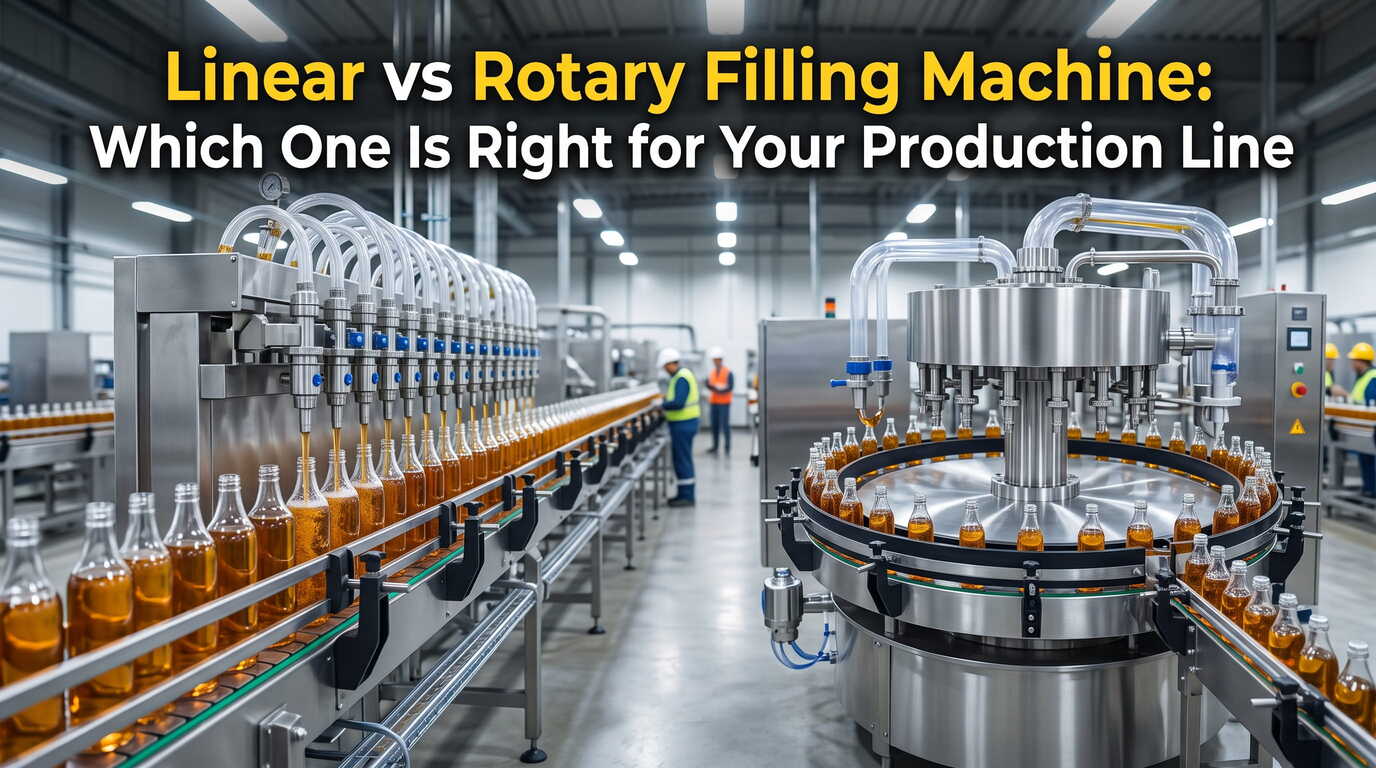
تأتي آلات تعبئة زجاجات المياه في أنواع مختلفة، صُمم كل منها لتلبية احتياجات إنتاجية متنوعة. تشمل الفئات الرئيسية الآلات اليدوية، وشبه الأوتوماتيكية، والأوتوماتيكية بالكامل. عادة ما تكون الآلات اليدوية هي الأكثر تكلفة، ولكنها تتطلب تدخلاً بشرياً كبيراً. في المقابل، تتطلب الآلات الأوتوماتيكية بالكامل، المجهزة بميزات متقدمة وقدرات عالية السرعة، أسعاراً أعلى نظراً لكفاءتها وتقليلها للحاجة إلى العمالة. يعد اختيار النوع المناسب من الآلات بناءً على حجم إنتاجك أمراً حاسماً في تحديد التكاليف.
2. القدرة الإنتاجية
تؤثر الطاقة الإنتاجية لآلة التعبئة بشكل كبير على سعرها. تميل الآلات المصممة للعمليات الصغيرة إلى أن تكون أقل تكلفة من تلك المصممة للإنتاج الضخم. عند النظر في القدرة الإنتاجية، يجب على الشركات تقييم مستويات إنتاجها الحالية وتوقعات النمو المستقبلية. قد يؤدي الاستثمار في آلة تستوعب الطلب المستقبلي إلى وفورات كبيرة على المدى الطويل، على الرغم من ارتفاع الاستثمار الأولي.
3. التكنولوجيا والأتمتة
مع تقدم التكنولوجيا، أصبح دمج الميزات المتطورة مثل أدوات التحكم بشاشات اللمس، وأنظمة التنظيف الآلي، والتكامل مع الآلات الأخرى اتجاهاً شائعاً في قطاع التصنيع. وفي حين أن هذه الميزات عالية التقنية تعزز الكفاءة التشغيلية وتقلل من وقت التوقف عن العمل، فإنها تزيد أيضاً من سعر الآلة. يجب على الشركات تقييم ما إذا كانت هذه الميزات المتقدمة تتماشى مع احتياجاتها التشغيلية أم أن نموذجاً أساسياً يكفي.
4. المواد وجودة التصنيع
تلعب المواد المستخدمة في بناء آلات التعبئة دوراً مهماً في تحديد سعرها. الآلات المصنوعة من مواد عالية الجودة ومتينة مثل الفولاذ المقاوم للصدأ (ستانلس ستيل) تكون عموماً أغلى ثمناً ولكنها توفر طول عمر وموثوقية أفضل. يعد فهم البيئة التي ستعمل فيها الآلة أمراً ضرورياً؛ على سبيل المثال، قد تتطلب الآلات المعرضة لظروف رطبة مواد محددة لمنع التآكل.
5. العلامة التجارية وسمعة الشركة المصنعة
يمكن أن تؤثر سمعة وخبرة الشركة المصنعة بشكل كبير على سعر آلات تعبئة زجاجات المياه. قد تفرض العلامات التجارية الراسخة التي تتمتع بسجل حافل من الموثوقية والخدمة سعراً أعلى. ومع ذلك، فإن الاستثمار في آلات من شركات مصنعة مرموقة يمكن أن يوفر راحة البال من حيث الجودة والدعم وخدمة ما بعد البيع، مما يبرر التكلفة الأعلى.
6. التخصيص والميزات الخاصة
يمكن أن تؤثر خيارات التخصيص، مثل أحجام الزجاجات المحددة، والأشكال، ومعدلات الإنتاج، على التسعير أيضاً. قد تسعى الشركات للحصول على آلات مصممة خصيصاً لخطوط إنتاجها، مما يضيف إلى التكلفة الإجمالية. يعد فهم الحاجة إلى التخصيص مقابل تأثيره على الميزانية الإجمالية أمراً ضرورياً لاتخاذ قرارات استثمارية فعالة من حيث التكلفة.
تقييم التكلفة الإجمالية للملكية
عند النظر في سعر آلة تعبئة زجاجات المياه، من المهم تقييم التكلفة الإجمالية للملكية (TCO). لا تشمل التكلفة الإجمالية للملكية سعر الشراء الأولي فحسب، بل تشمل أيضاً التكاليف التشغيلية المستمرة مثل الصيانة، واستهلاك الطاقة، وقطع الغيار. قد تثبت الآلة الأكثر تكلفة أنها أكثر فعالية من حيث التكلفة بمرور الوقت إذا كانت توفر تكاليف تشغيلية أقل وكفاءة أفضل. إن تخصيص ميزانية لهذه النفقات الإضافية يضمن قدرة الشركات على صيانة المعدات دون استنزاف مواردها المالية.
خطوات عملية لشراء آلة تعبئة زجاجات المياه
يعد الاستثمار في آلة تعبئة زجاجات المياه قراراً حاسماً لأي شركة في قطاع المشروبات. فيما يلي خطوات عملية للمساعدة في اتخاذ قرار شراء مدروس:
1. تقييم احتياجات الإنتاج
قبل الشروع في البحث عن آلة تعبئة، يجب على الشركات إجراء تقييم شامل لاحتياجاتها الإنتاجية. يتضمن ذلك تحليل أحجام التعبئة الحالية، وتنوع المنتجات، وتوقعات النمو المستقبلية لضمان توافق الآلة المختارة مع المتطلبات التشغيلية.
2. البحث عن الخيارات المتاحة
قم بإجراء بحث شامل في السوق لتحديد الخيارات المختلفة المتاحة. قارن بين ميزات الآلات، والأسعار، والضمانات، وآراء المستخدمين الآخرين. يمكن أن توفر زيارة المعارض التجارية تجربة عملية مع آلات مختلفة وتفاعلاً مباشراً مع الشركات المصنعة.
3. طلب مشورة الخبراء
يمكن أن توفر استشارة خبراء الصناعة أو توظيف مستشار رؤى حول أفضل الممارسات لاختيار الآلات بناءً على متطلبات تشغيلية محددة. يمكن لخبراتهم توجيه الشركات لاتخاذ خيارات تتماشى مع الاحتياجات الحالية وقابلية التوسع المستقبلية.
4. الحصول على عروض أسعار متعددة
يمكن أن يساعد طلب عروض الأسعار من شركات مصنعة متعددة الشركات على مقارنة الأسعار والميزات عبر مجموعة من الآلات. تعزز هذه الممارسة فهماً أفضل للسوق وتضمن عدم دفع الشركات مبالغ زائدة مقابل استثماراتها.
5. النظر في دعم ما بعد البيع
يعد دعم ما بعد البيع جانباً حاسماً في أي عملية شراء للآلات. قم بتقييم شروط الضمان، وتوافر قطع الغيار، ودعم الشركة المصنعة. يمكن أن يكون فريق خدمة العملاء المستجيب لا يقدر بثمن في تقليل وقت التوقف عن العمل أثناء مشاكل الصيانة غير المتوقعة.
الخلاصة
يعد فهم مشهد تسعير آلات تعبئة زجاجات المياه أمراً لا يتجزأ من أي عمل تجاري يتطلع إلى الاستثمار في هذه المعدات الأساسية. من خلال النظر في عوامل مختلفة مثل نوع الآلة، والقدرة الإنتاجية، والتكنولوجيا، وجودة المواد، وسمعة العلامة التجارية، والتكلفة الإجمالية للملكية، يمكن للشركات اتخاذ قرارات استراتيجية تتماشى مع أهدافها التشغيلية. مع النهج الصحيح، يمكن للاستثمار في آلة تعبئة زجاجات المياه تعزيز كفاءة الإنتاج، وتلبية متطلبات السوق المتزايدة، والمساهمة في نجاح الأعمال على المدى الطويل.