
تواصل صناعة المشروبات، وخاصة قطاع المشروبات الغازية، تحقيق نمو ملحوظ في جميع أنحاء العالم. ومع تزايد طلب المستهلكين على المشروبات الفوارة، تزداد أهمية أنظمة التعبئة والتغليف الفعالة. يتعمق هذا المقال في تفاصيل أنظمة تعبئة المشروبات الغازية، مستكشفاً أنواعها وعملياتها وفوائدها وأحدث الابتكارات التي تعزز الكفاءة التشغيلية.
ما هو نظام تعبئة المشروبات الغازية؟
يشير نظام تعبئة المشروبات الغازية إلى الآلات والعمليات المستخدمة لتعبئة المشروبات الغازية في زجاجات أو علب. لا يحمي هذا المكون الأساسي في إنتاج المشروبات جودة المنتج فحسب، بل يضمن أيضاً الامتثال لمعايير السلامة. تتضمن عملية التعبئة عادةً عدة مراحل تشمل التنظيف، والتعبئة، والإغلاق، ووضع الملصقات، والتغليف.
عملية التعبئة: خطوة بخطوة
1. التنظيف والتعقيم
تتضمن الخطوة الأولى في عملية التعبئة التنظيف والتعقيم الشامل للزجاجات أو العلب. يمكن للملوثات أن تفسد المشروب أو تضر بسلامته، مما يجعل هذه المرحلة بالغة الأهمية. عادةً ما يتم استخدام غسالات صناعية أو أنظمة شطف دوارة لضمان مطابقة كل حاوية لمعايير النظافة قبل التعبئة.
2. الكربنة
بعد ذلك، يتم كربنة المشروب الغازي. من خلال حقن ثاني أكسيد الكربون (CO2) في المشروب، يبتكر المصنعون الفوران المميز الذي يتوقعه المستهلكون. يعد الحفاظ على مستويات درجة الحرارة والضغط المناسبة خلال هذه المرحلة أمراً حيوياً للحصول على كربنة مثالية، مما يؤثر على الجودة النهائية للمنتج.
3. التعبئة
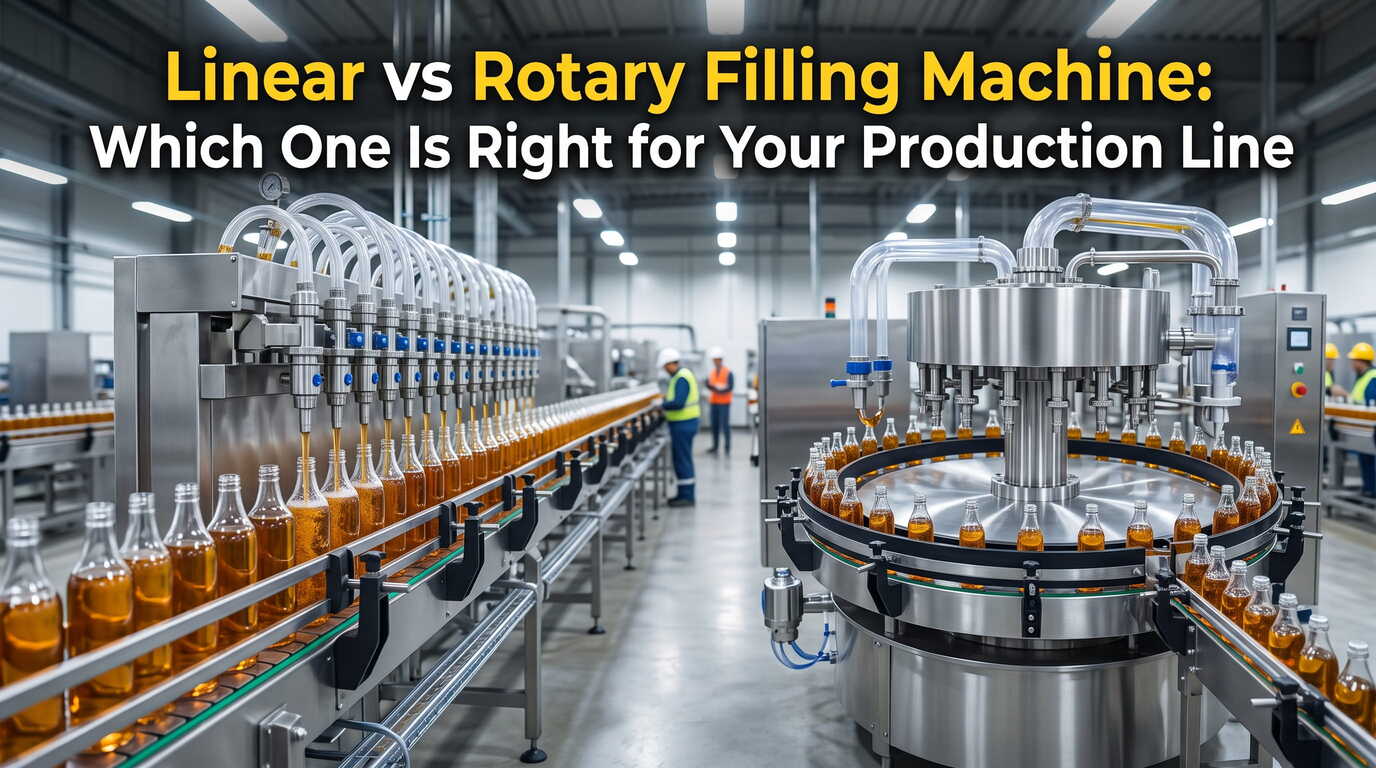
بمجرد تحضير المشروب، ينتقل إلى محطة التعبئة حيث يتم توزيعه في الحاويات. تتوفر أنواع عديدة من تقنيات التعبئة، بما في ذلك:
- التعبئة بالجاذبية: مناسبة للمشروبات الأقل لزوجة؛ وتعتمد على الجاذبية لتدفق السائل.
- التعبئة بالضغط: تستخدم الضغط للتحكم في عملية التعبئة، وهي مثالية للمشروبات الغازية.
- تعبئة المكبس: تستخدم حركة المكبس للتعبئة الدقيقة لمستويات لزوجة مختلفة.
- التعبئة الحجمية: تقيس أحجاماً محددة مسبقاً، مما يضمن الاتساق عبر دورات الإنتاج.
4. الإغلاق
بمجرد التعبئة، يتم إغلاق الحاويات للحفاظ على الكربنة ومنع التلوث. توجد تقنيات إغلاق متنوعة، بما في ذلك الأغطية الملتوية، والتيجان، والأغطية القابلة للضغط، ويتم اختيار كل منها بناءً على فعالية الإغلاق ومتطلبات المنتج.
5. وضع الملصقات والتغليف
تشمل الخطوات النهائية وضع الملصقات وتغليف الحاويات المعبأة. يعد وضع الملصقات بدقة أمراً ضرورياً، ليس فقط للعلامة التجارية ولكن أيضاً للامتثال التنظيمي، حيث يوفر للمستهلكين معلومات مهمة عن المنتج. أخيراً، يتم تغليف المنتجات للتوزيع، مما يضمن بقاءها دون تلف أثناء النقل.
الابتكارات الحديثة في أنظمة تعبئة المشروبات الغازية
مع تقدم التكنولوجيا، تطورت أنظمة تعبئة المشروبات الغازية بشكل كبير. تعمل الابتكارات الجديدة على تعزيز الكفاءة وتقليل التكاليف وتحسين جودة المنتج. فيما يلي بعض الاتجاهات الرئيسية التي تشكل الصناعة:
1. الأتمتة
تدمج أنظمة التعبئة اليوم بشكل متزايد الأتمتة، التي تبسط عملية الإنتاج. يمكن للآلات المؤتمتة أداء مهام متعددة، بما في ذلك الشطف والتعبئة والإغلاق، مما يقلل الحاجة إلى العمل اليدوي. هذا لا يعزز الإنتاجية فحسب، بل يقلل أيضاً من الخطأ البشري، مما يضمن مخرجات متسقة.
2. التكنولوجيا الذكية
يسمح اعتماد التكنولوجيا الذكية، مثل مستشعرات إنترنت الأشياء (IoT)، بالمراقبة في الوقت الفعلي لعملية التعبئة. يمكن لهذه المستشعرات اكتشاف مشكلات مثل عدم انتظام التعبئة أو أعطال المعدات، مما يتيح اتخاذ تدابير تصحيحية سريعة. كما تعمل تحليلات البيانات على تعزيز الرؤى التشغيلية، مما يسمح للمصنعين بتحسين كفاءة الإنتاج بمرور الوقت.
3. حلول صديقة للبيئة
مع تزايد وعي المستهلكين حول الاستدامة، يتجه العديد من المصنعين إلى حلول تعبئة صديقة للبيئة. ويشمل ذلك استخدام زجاجات خفيفة الوزن وتنفيذ تقنيات تعبئة أكثر كفاءة تقلل من النفايات. علاوة على ذلك، تشجع التطورات في عمليات إعادة التدوير نهج الاقتصاد الدائري بين منتجي المشروبات.
فوائد نظام تعبئة المشروبات الغازية الفعال
يؤدي الاستثمار في نظام تعبئة مشروبات غازية متطور إلى فوائد عديدة يمكن أن تؤثر بشكل كبير على أرباح الشركة.
1. تحسين جودة المنتج
تقلل أنظمة التعبئة عالية الجودة من مخاطر التلوث وتضمن الاتساق في جودة المنتج. من خلال تنفيذ تدابير رقابة قوية أثناء عملية التعبئة، يمكن للمصنعين الحفاظ على معايير عالية تتماشى مع توقعات المستهلكين.
2. تعزيز الكفاءة
يعمل نظام التعبئة الفعال على زيادة مخرجات الإنتاج إلى أقصى حد مع تقليل وقت التوقف عن العمل. يؤدي انخفاض استهلاك الطاقة وسرعات التعبئة الأسرع إلى إنتاجية أكبر دون التضحية بالجودة.
3. توفير التكاليف
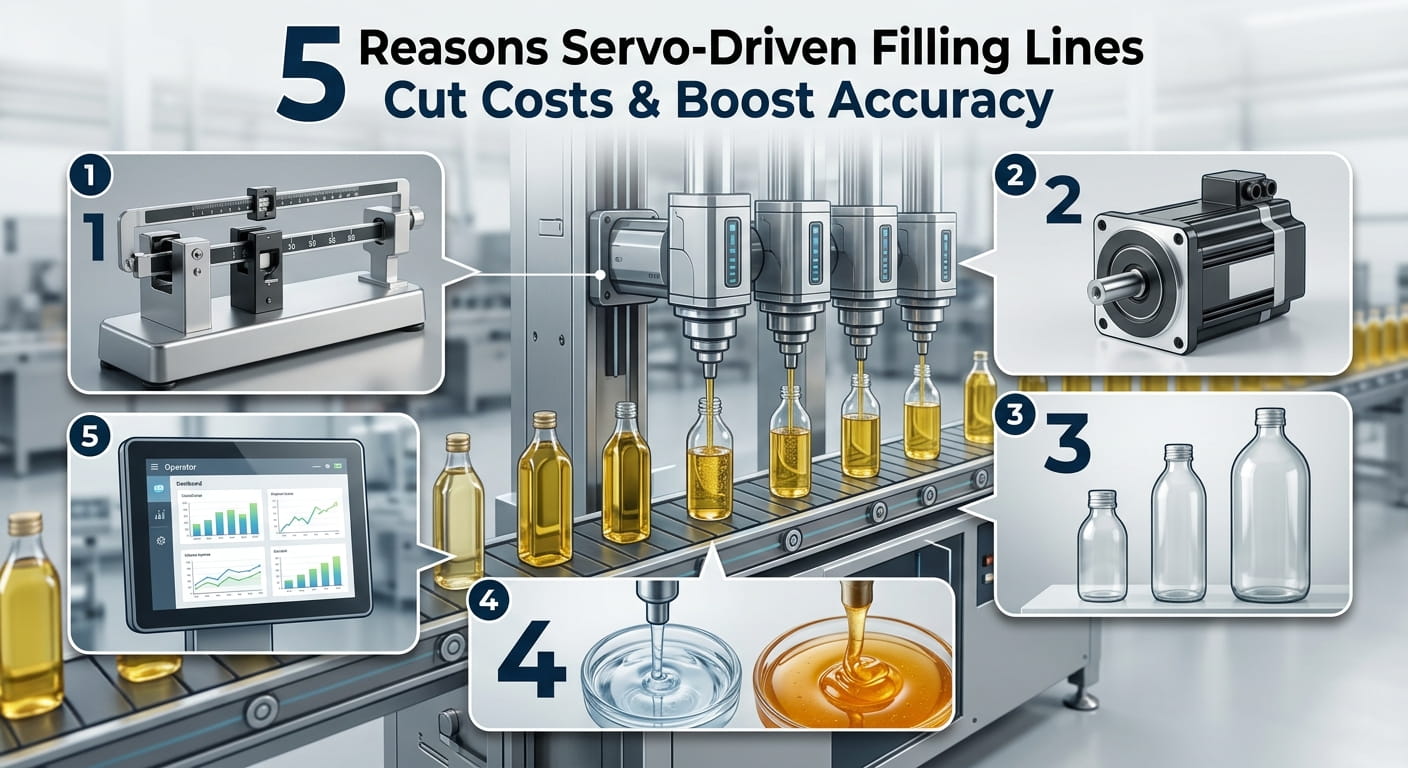
على الرغم من أن الاستثمارات الأولية في تقنيات التعبئة المتقدمة قد تكون كبيرة، إلا أن المدخرات طويلة الأجل التي يتم تحقيقها من خلال تقليل النفايات، وانخفاض تكاليف العمالة، وزيادة الكفاءة يمكن أن تعزز الربحية بشكل كبير بمرور الوقت.
4. المرونة
تتميز أنظمة التعبئة الحديثة بتعدد استخداماتها بشكل متزايد، حيث تكون قادرة على التعامل مع أحجام وأشكال حاويات مختلفة. تسمح هذه المرونة للمصنعين بالتكيف بسرعة مع متطلبات السوق المتغيرة، والاستجابة بسرعة لتفضيلات المستهلكين أو التغيرات الموسمية.
اختيار نظام تعبئة المشروبات الغازية المناسب
عند التفكير في نظام تعبئة المشروبات الغازية، تدخل عدة عوامل في الاعتبار:
1. خصائص المنتج
ستحدد لزوجة المشروب ومستوى الكربنة ونوع التغليف أفضل تقنية تعبئة. يجب على المصنعين تقييم متطلبات منتجاتهم المحددة لضمان الأداء الأمثل.
2. حجم الإنتاج
يعد فهم حجم الإنتاج أمراً بالغ الأهمية عند اختيار نظام التعبئة. تتطلب مرافق الإنتاج العالي آلات ذات سعة كبيرة يمكنها الحفاظ على الكفاءة دون التضحية بالجودة.
3. الميزانية والعائد على الاستثمار
يعد تحليل الميزانية مع مراقبة العائد على الاستثمار أمراً حيوياً. يجب على المصنعين ألا يأخذوا في الاعتبار سعر الشراء الأولي فحسب، بل أيضاً تكاليف الصيانة والتشغيل المستمرة.
4. الاحتياجات المستقبلية
مع وجود سوق المشروبات في حالة تطور مستمر، يجب على المصنعين أيضاً التفكير في قابلية التوسع في المستقبل. سيسمح نظام التعبئة الجيد بإجراء تعديلات وترقيات مع تغير احتياجات الإنتاج.
الخلاصة
باختصار، يعد نظام تعبئة المشروبات الغازية جيد التنظيم أمراً لا غنى عنه لتلبية الطلب المتزايد على المشروبات الغازية. إن التعقيدات التي تنطوي عليها، إلى جانب الابتكارات والتحسينات المستمرة في تقنيات التعبئة، جعلت هذا الجانب من تصنيع المشروبات معقداً ومثيراً في آن واحد. من خلال فهم الفروق الدقيقة في عملية التعبئة واتخاذ خيارات مستنيرة بشأن المعدات، يمكن للمصنعين وضع أنفسهم في مكانة متميزة في سوق تنافسية. إن اعتماد التكنولوجيا الحديثة والممارسات المستدامة لن يعزز الكفاءة فحسب، بل سيضمن أيضاً الامتثال لتوقعات المستهلكين المتطورة. ومع النهج الصحيح، يمكن لمنتجي المشروبات الازدهار في مشهد دائم التغير.