
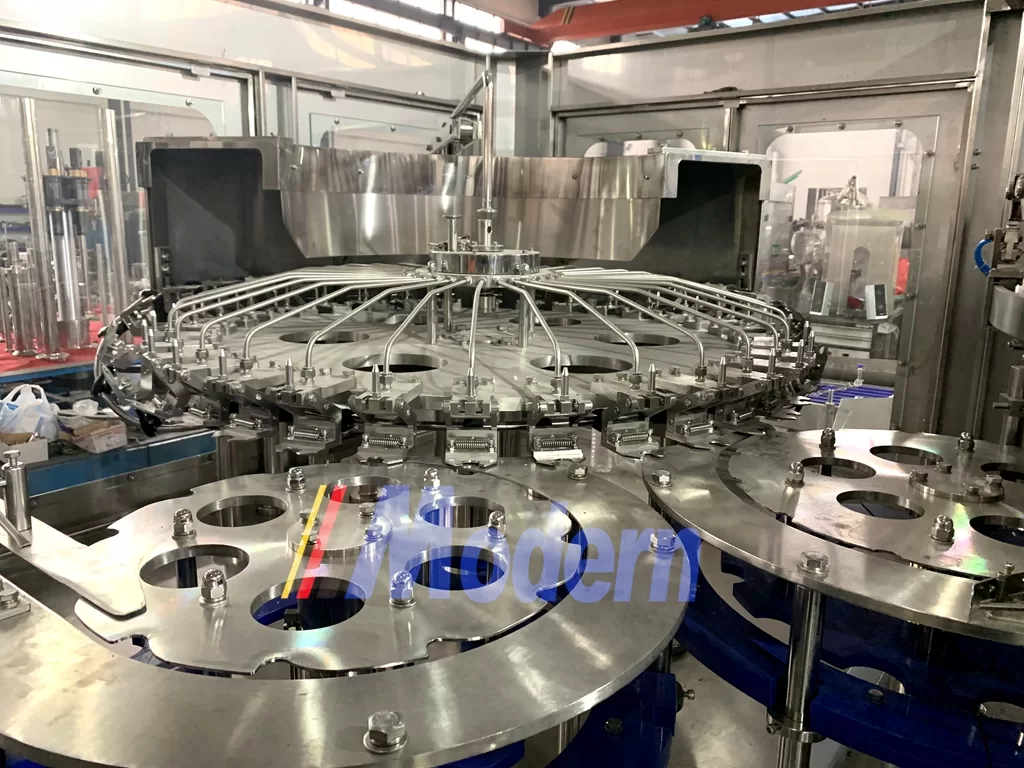
في سوق اليوم سريع الخطى، أصبحت آلات تعبئة مياه الشرب أصلاً أساسياً للشركات العاملة في صناعة المشروبات. تسهل هذه الآلات تعبئة المياه المعبأة بكفاءة، مما يضمن الجودة والسرعة والنظافة. إذا كنت تفكر في الاستثمار في آلة تعبئة مياه الشرب، فمن الضروري فهم العوامل المختلفة التي تؤثر على أسعارها وكيف يمكن أن تتوافق مع احتياجات عملك.
أهمية آلات تعبئة مياه الشرب
تعتبر آلات تعبئة مياه الشرب جزءاً لا يتجزأ من خط إنتاج المياه المعبأة. فهي تعمل على أتمتة عملية التعبئة، مما يقلل من تكاليف العمالة ويقلل من الخطأ البشري. علاوة على ذلك، تساعد هذه الآلات في الحفاظ على معايير نظافة عالية، مما يعالج مخاوف سلامة المستهلك. كما أن الطلب العالمي المتزايد على المياه المعبأة يؤكد بشكل أكبر على ضرورة وجود هذه الآلات في دورة الإنتاج.
العوامل التي تؤثر على سعر آلات تعبئة مياه الشرب
يتطلب فهم ديناميكيات تسعير آلات تعبئة مياه الشرب فحص العديد من العوامل المؤثرة.
1. سعة الآلة
تعد سعة آلة التعبئة، التي تُقاس عادةً بعدد الزجاجات في الساعة، عاملاً رئيسياً في تحديد السعر. تميل الآلات المصممة للإنتاج العالي إلى أن تكون أكثر تكلفة بسبب تقنياتها المتقدمة ومواد تصنيعها الأكبر حجماً. وعلى العكس من ذلك، قد تكون الآلات ذات السعة المنخفضة ميسورة التكلفة، مما يلبي احتياجات الشركات الصغيرة أو الشركات الناشئة.
2. مستوى الأتمتة
يؤثر مستوى الأتمتة بشكل كبير على تكلفة آلة التعبئة. الأنظمة المؤتمتة بالكامل، والتي تتضمن ميزات مثل فرز الزجاجات التلقائي، والتعبئة، والسد، ووضع الملصقات، عادة ما تكون أسعارها أعلى. من ناحية أخرى، تعمل الآلات شبه المؤتمتة واليدوية كبدائل فعالة من حيث التكلفة، مما يجذب الشركات الحريصة على التحكم في الإنفاق دون المساس بالإنتاج.
3. التكنولوجيا والميزات
توفر آلات تعبئة مياه الشرب الحديثة العديد من التطورات التكنولوجية والميزات الإضافية. على سبيل المثال، قد تكون للآلات المجهزة بأنظمة مراقبة متقدمة، وتشغيل موفر للطاقة، وتقنية تعبئة عالية الدقة أسعار متميزة بسبب سهولة استخدامها وفوائد توفير التكاليف. سيساعدك فهم احتياجات عملك في تحديد الميزات التي تبرر السعر.
4. جودة المواد والتصنيع
يمكن أن تختلف مواد البناء وجودة التصنيع الإجمالية للآلة بشكل كبير، مما يؤثر على سعرها. الآلات المصنوعة من الفولاذ المقاوم للصدأ عالي الجودة أكثر متانة ومقاومة للتآكل، مما يجعلها استثماراً طويل الأجل على الرغم من تكلفتها الأولية الأعلى. في المقابل، قد تجذب الآلات المصنوعة من مواد ذات جودة أقل المشترين المهتمين بالميزانية ولكنها قد تتكبد تكاليف استبدال أعلى بمرور الوقت.
5. سمعة العلامة التجارية
يمكن أن تؤثر سمعة الشركة المصنعة على هيكل التسعير. قد تفرض العلامات التجارية الراسخة ذات خدمة العملاء القوية والضمانات الشاملة أسعاراً أعلى. من الضروري الموازنة بين فوائد الثقة في العلامة التجارية وميزانيتك ومتطلباتك المحددة.
تحليل الأسعار المقارن
عند استكشاف سوق آلات تعبئة مياه الشرب، من الحكمة إجراء تحليل مقارن للأسعار. فيما يلي تصنيف عام يعتمد على القدرات النموذجية:
1. آلات المستوى المبتدئ
عادة ما تتراوح تكلفة هذه الآلات بين 5,000 دولار و15,000 دولار. وهي مناسبة للشركات ذات معدلات الإنتاج المنخفضة والميزانيات المحدودة. وعلى الرغم من بساطة وظائفها، إلا أنها يمكن أن تلبي احتياجات العمليات الصغيرة بفعالية.
2. الآلات متوسطة المدى
تتراوح خيارات النطاق المتوسط بين 15,000 دولار و50,000 دولار. توفر هذه الآلات عادةً سعة أفضل، وأتمتة، وميزات متقدمة، مما يلبي احتياجات الشركات متوسطة الحجم التي تسعى إلى التوازن بين السعة والقدرة على تحمل التكاليف. غالباً ما يتم تعويض الاستثمار الأولي من خلال مكاسب الكفاءة.
3. آلات عالية المستوى
يمكن أن تتجاوز تكلفة الآلات المتطورة 50,000 دولار، مع وصول بعض الطرازات إلى أكثر من 100,000 دولار. تأتي هذه الآلات مع أحدث التحسينات التكنولوجية، وأتمتة معززة، وبناء متين. وهي مثالية لمنتجي المياه المعبأة على نطاق واسع الذين يهدفون إلى إنتاجية عالية وجودة ممتازة.
الاستثمار في الآلة المناسبة لعملك
يجب التعامل مع الاستثمار في آلة تعبئة مياه الشرب بشكل استراتيجي. فيما يلي خطوات عملية لضمان اتخاذ قرار مستنير:
1. قيّم احتياجات الإنتاج الخاصة بك
قبل اتخاذ أي قرارات، قم بتقييم طاقتك الإنتاجية. افهم احتياجات عملك الحالية والمستقبلية. سيساعد هذا التقييم في اختيار الآلة المناسبة التي يمكن أن تنمو مع عملك دون تكبد تكاليف غير ضرورية.
2. ضع في اعتبارك التكلفة الإجمالية للملكية (TCO)
من الضروري النظر إلى ما هو أبعد من سعر الشراء الأولي. ضع في اعتبارك تكاليف التشغيل، والصيانة، واستهلاك الطاقة، وتكاليف العمالة، ووقت التوقف المحتمل. قد تؤدي الآلة ذات التكلفة الأولية الأعلى إلى توفير في التكاليف بمرور الوقت بسبب انخفاض الصيانة وزيادة الكفاءة.
3. استشر خبراء الصناعة
يمكن أن يوفر التعامل مع المتخصصين في الصناعة رؤى لا تتوفر عادةً من خلال البحث عبر الإنترنت. يمكنهم المساعدة في اتخاذ خيار مناسب مصمم خصيصاً لميزانية عملك ومتطلباتك الفريدة.
4. تحقق من الضمان ودعم ما بعد البيع
استفسر عن شروط الضمان وجودة دعم ما بعد البيع. الآلات معقدة؛ وجود دعم موثوق يمكن أن يقلل بشكل كبير من وقت التوقف المحتمل والخسائر المرتبطة به. من الجدير بالاستثمار في العلامات التجارية التي تعطي الأولوية لخدمة العملاء ودعم المنتج.
أفكار ختامية
يعد اختيار آلة تعبئة مياه الشرب المناسبة قراراً مهماً يمكن أن يؤثر على الكفاءة التشغيلية وربحية عملك. من خلال فهم عوامل التسعير المختلفة وإجراء تحليل شامل لاحتياجاتك، يمكنك اتخاذ خيار مستنير يتماشى مع ميزانيتك وأهداف الإنتاج الخاصة بك. تذكر أن الاستثمار في الجودة غالباً ما يؤتي ثماره على المدى الطويل، مما يجعل من الضروري النظر إلى ما هو أبعد من السطح عند تقييم الآلات المحتملة.
بينما تبدأ رحلة الاستثمار هذه، ابق على اطلاع وتأكد من أن اختيارك يساهم بشكل إيجابي في عمليات الإنتاج الخاصة بك، ويلبي متطلبات العملاء بفعالية مع تحقيق نمو مستدام لعملك.


