
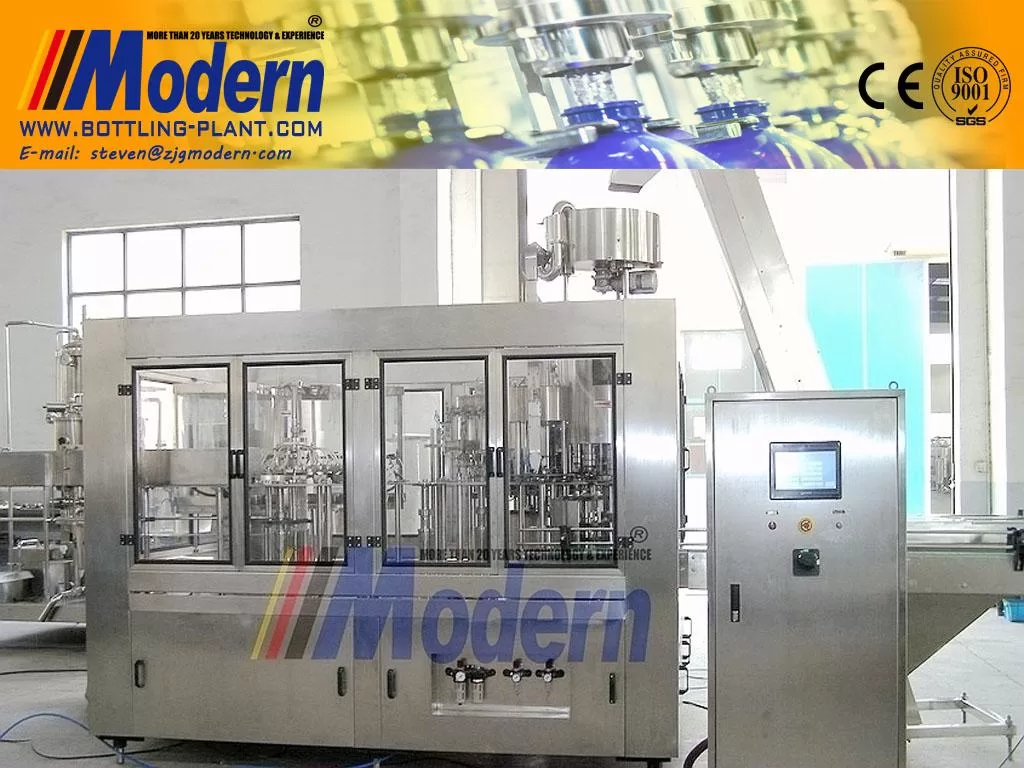
في بيئة التصنيع سريعة الخطى اليوم، تعد الكفاءة والإنتاجية أمراً بالغ الأهمية. بالنسبة للشركات العاملة في مجالات المشروبات، والأدوية، ومستحضرات التجميل، وحتى المنتجات الغذائية، أصبح أتمتة عملية التعبئة والتغليف من خلال استخدام آلات تعبئة وإغلاق ووضع ملصقات الزجاجات أمراً ضرورياً. يتعمق هذا المقال في آليات هذه الآلات وفوائدها والاعتبارات المتعلقة بها، ليرشدك عبر التأثير الكبير الذي يمكن أن تحدثه على خط الإنتاج الخاص بك.
دور آلات تعبئة وإغلاق ووضع ملصقات الزجاجات
تعد آلات تعبئة وإغلاق ووضع ملصقات الزجاجات جزءاً لا يتجزأ من مختلف الصناعات، حيث تضمن تعبئة المنتجات بدقة، وإغلاقها بشكل صحيح، ووضع الملصقات عليها باستمرار. تلعب هذه المجموعة الثلاثية من الآلات دوراً حاسماً في الحفاظ على مراقبة الجودة، وخفض تكاليف العمالة، وتعزيز الكفاءة العامة.
1. آلات تعبئة الزجاجات: قلب عملية التعبئة والتغليف
في طليعة عملية التعبئة والتغليف، تم تصميم آلات تعبئة الزجاجات لتوزيع سوائل متنوعة، تتراوح من الماء إلى المواد اللزجة مثل الصلصات والكريمات. يمكن تصنيفها بناءً على عدة عوامل:
أنواع آلات تعبئة الزجاجات
تأتي آلات التعبئة في عدة أشكال، حيث يوفر كل منها مزايا فريدة بناءً على نوع المنتج وحجم الإنتاج:
- آلات التعبئة بالجاذبية: تستخدم الجاذبية لسحب السائل إلى الزجاجة، وتستخدم عادةً للسوائل الخفيفة.
- آلات التعبئة بالمكبس: تستخدم آلية المكبس لدفع السائل إلى الزجاجة، وهي مثالية للمنتجات الأكثر كثافة.
- آلات التعبئة بالتفريغ (الفراغ): تستخدم التفريغ الهوائي لتعبئة الزجاجات، وهي فعالة لمنع الرغوة أو الانسكاب.
- آلات التعبئة بالضغط: تستخدم الضغط لتعبئة الحاويات، وهي مناسبة للمشروبات الغازية.
2. آلات الإغلاق: ضمان إحكام الغلق
المكون الأساسي الثاني هو آلات الإغلاق، التي تؤمن الأغطية على الزجاجات، مما يضمن سلامة المنتج وطول عمره. الإغلاق الصحيح ليس لأغراض جمالية فحسب؛ بل يحمي من التلوث والانسكاب، وبالتالي يحافظ على سلامة المنتج.
أنواع آلات الإغلاق
سيسمح فهم الأنواع المختلفة لآلات الإغلاق للشركات باختيار الآلة التي تناسب منتجها ونوع الغطاء الخاص بها:
- آلات الإغلاق بالبراغي: تستخدم أنظمة دوارة أو خطية لربط الأغطية اللولبية، وهي مناسبة لأحجام الزجاجات المختلفة.
- آلات الإغلاق بالضغط (Snap): مصممة للأغطية التي تُثبت بالضغط، وتوفر هذه الآلات إغلاقاً سريعاً وموثوقاً.
- آلات الإغلاق بالكبس: تستخدم آلية ضغط لتثبيت الأغطية بإحكام، وتستخدم عادةً لأغطية التوزيع.
- آلات الإغلاق بالحث: تنشئ هذه الآلات إغلاقاً محكماً باستخدام الحث الكهرومغناطيسي، مما يوفر دليلاً على عدم العبث بالمنتج.
3. آلات وضع الملصقات: اللمسة النهائية
تضفي آلات وضع الملصقات لمسة احترافية على المنتجات من خلال وضع ملصقات متسقة وجذابة تعكس العلامة التجارية والمتطلبات التنظيمية. بعيداً عن الجماليات، تنقل الملصقات معلومات حيوية، بما في ذلك المكونات، وتعليمات الاستخدام، وبيانات الامتثال.
أنواع آلات وضع الملصقات
يعد اختيار آلة وضع الملصقات المناسبة أمراً بالغ الأهمية للحفاظ على عمليات انسيابية. فيما يلي بعض الأنواع الشائعة:
- آلات وضع الملصقات ذاتية اللصق: تستخدم ملصقات لاصقة تلتصق بسهولة بالزجاجة، وهي مناسبة لمختلف الأشكال والأحجام.
- آلات وضع الملصقات بالغراء الرطب: تضع الغراء على الملصقات قبل تثبيتها على الحاوية، وغالباً ما تستخدم للملصقات الورقية على الزجاجات الزجاجية.
- آلات وضع الملصقات بالانكماش الحراري: تستخدم غشاءً قابلاً للانكماش يتشكل على سطح الزجاجة عند تسخينه، مما يوفر ملصقاً يغطي 360 درجة.
- آلات وضع الملصقات الملتفة: تضع ملصقات تلتف بالكامل حول الحاوية، وغالباً ما تستخدم للزجاجات الأسطوانية.
فوائد حلول التعبئة والتغليف المؤتمتة
يوفر الاستثمار في آلات تعبئة وإغلاق ووضع ملصقات الزجاجات فوائد عديدة:
1. تعزيز الإنتاجية
تزيد الأتمتة بشكل كبير من سرعات الإنتاج مقارنة بالعمليات اليدوية. يسمح هذا التحسين للشركات بتلبية طلب المستهلكين والاستجابة بسرعة لتغيرات السوق.
2. الاتساق ومراقبة الجودة
تعمل عمليات الآلة على توحيد عمليات التعبئة والإغلاق ووضع الملصقات، مما يقلل بشكل كبير من الخطأ البشري ويضمن التماثل. تؤدي الجودة المتسقة إلى زيادة رضا العملاء ويمكن أن تعزز الولاء للعلامة التجارية.
3. توفير العمالة
تقلل الأتمتة من الحاجة إلى قوة عاملة كبيرة، مما يقلل من التكاليف التشغيلية المتعلقة بالرواتب والمزايا. يمكن بعد ذلك إعادة توجيه العمال إلى مهام أكثر تعقيداً تتطلب إشرافاً بشرياً وإبداعاً.
4. التنوع
غالبًا ما يتم تصميم الآلات الحديثة للتعامل مع أحجام حاويات وأنواع منتجات متنوعة. تتيح هذه المرونة للشركات تنويع عروضها دون الحاجة إلى استثمارات رأسمالية إضافية كبيرة.
اعتبارات رئيسية عند اختيار الآلات
يمكن أن يؤثر اختيار آلات تعبئة الزجاجات وإغلاقها ووضع الملصقات عليها بشكل كبير على الكفاءة والربحية. إليك بعض الاعتبارات الرئيسية التي يجب وضعها في الاعتبار:
1. خصائص المنتج
يعد فهم طبيعة المنتج الذي يتم تعبئته أمرًا بالغ الأهمية. ضع في اعتبارك اللزوجة ودرجة الحرارة والحساسية للتعرض للعوامل الخارجية، حيث ستؤثر هذه العوامل بشكل كبير على اختيار الآلات.
2. حجم الإنتاج والسرعة
سيساعد تقييم أهداف الإنتاج اليومية في تحديد سعة وسرعة الآلة المطلوبة. يُنصح باختيار الآلات التي يمكنها استيعاب النمو المستقبلي إلى جانب الاحتياجات الحالية.
3. التوافق مع الأنظمة الحالية
يمكن أن يؤدي دمج آلات جديدة مع خطوط الإنتاج الحالية إلى تبسيط العمليات. تأكد من توافق الآلات مع المعدات الحالية لتجنب حدوث اضطرابات في سير العمل.
4. اعتبارات الميزانية
يعد تحليل التكلفة الإجمالية للملكية أمرًا ضروريًا؛ ضع في اعتبارك تكلفة الآلة والصيانة والعائد المتوقع على الاستثمار من خلال زيادة الكفاءة وتقليل الهدر.
الخلاصة: تأمين عملياتك للمستقبل
في عصر التقدم التكنولوجي السريع، لم يعد الاستثمار في آلات تعبئة الزجاجات وإغلاقها ووضع الملصقات المؤتمتة خيارًا، بل أصبح ضرورة للشركات التي ترغب في الحفاظ على قدرتها التنافسية. من خلال تبني الأتمتة، يمكن للشركات تعزيز الإنتاجية بشكل كبير، وضمان معايير جودة عالية، وتحقيق عائد أسرع على الاستثمار.
عند اتخاذ هذا الاستثمار، فإن البحث الشامل وفهم منتجاتك وتقييم احتياجاتك التشغيلية سيوفر الأساس اللازم لاتخاذ قرارات مستنيرة. مع تطور مشهد التصنيع، فإن تبني هذه التقنيات قد يضع عملك في مكانة جيدة للنمو والنجاح في المستقبل.


