
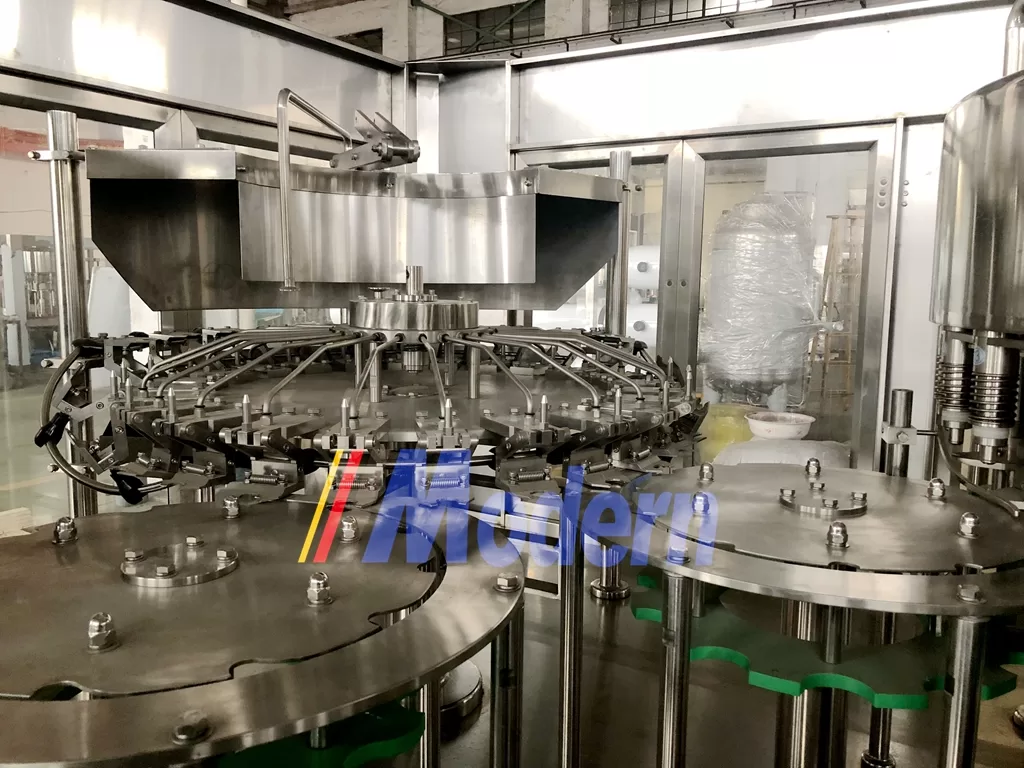
في السنوات الأخيرة، شهد الطلب على المياه المعدنية المعبأة ارتفاعاً عالمياً، مدفوعاً بالتحول نحو خيارات المشروبات الصحية وزيادة الوعي بأهمية الترطيب. ونتيجة لذلك، شهدت صناعة تعبئة المياه المعدنية نمواً كبيراً، مما استلزم تبسيط العمليات لتلبية متطلبات السوق بكفاءة. يقدم هذا المقال تحليلاً متعمقاً لخطوط تعبئة المياه المعدنية، مستكشفاً مكوناتها، وعملياتها التشغيلية، ومعداتها، وتدابير مراقبة الجودة، واعتبارات السوق.
نظرة عامة على خطوط تعبئة المياه المعدنية
تتكون خطوط تعبئة المياه المعدنية من سلسلة من العمليات والآلات المترابطة المصممة لتسهيل استخراج المياه المعدنية وتنقيتها وتعبئتها ووضع الملصقات عليها. يتم تصميم هذه الخطوط خصيصاً لتلبية المتطلبات المحددة لسعات الإنتاج المختلفة، وأحجام الزجاجات، وقنوات التوزيع. إن فهم المكونات المختلفة المعنية يمكن أن يساعد المصنعين على تحسين عملياتهم ورفع الكفاءة الإجمالية لخطوط التعبئة الخاصة بهم.
المكونات الرئيسية لخط تعبئة المياه المعدنية
يتكون خط تعبئة المياه المعدنية النموذجي من عدة مكونات حيوية:
- مصدر المياه: يعد أصل المياه أمراً بالغ الأهمية، حيث يؤثر المحتوى المعدني والنقاء بشكل مباشر على المنتج النهائي. قد تشمل المصادر الينابيع الجوفية، أو الآبار الارتوازية، أو أنظمة الترشيح الحديثة.
- أنظمة التنقية: قبل التعبئة، تخضع المياه لعمليات تنقية صارمة للقضاء على الملوثات وضمان السلامة. تشمل الطرق الشائعة التناضح العكسي، والمعالجة بالأشعة فوق البنفسجية، والأوزنة.
- آلات التعبئة: يشمل ذلك معدات التعبئة، وإغلاق الزجاجات، وختمها. قد تعمل الآلات بتقنيات مختلفة، بما في ذلك التعبئة بالجاذبية، أو التعبئة بالضغط، أو التعبئة بالتفريغ، اعتماداً على مادة الزجاجة وتصميمها.
- وضع الملصقات والتغليف: تضمن آلات وضع الملصقات الآلية الدقة والاتساق في العلامة التجارية للمنتج، بينما تقوم أنظمة التغليف بإعداد المنتجات للتوزيع، وغالباً ما تتضمن تقنيات التغليف بالانكماش الحراري أو التجميع على منصات نقالة.
- محطات مراقبة الجودة: تقوم نقاط الفحص المتكاملة داخل خط التعبئة بتقييم جودة المياه، وسلامة الزجاجة، ودقة وضع الملصقات للحفاظ على معايير عالية طوال عملية الإنتاج.
عملية تعبئة المياه المعدنية
يمكن تقسيم عملية تعبئة المياه المعدنية إلى عدة مراحل رئيسية، كل منها ضروري لضمان جودة المنتج النهائي واتساقه. فيما يلي نظرة مفصلة على كل خطوة:
1. استخراج المياه
يظل استخراج المياه الخطوة الأولى في عملية التعبئة. يجب على المصنعين تقييم مصادر المياه المحتملة بناءً على المسوحات الجيولوجية وتحليل المياه لضمان أن المصدر المختار يتمتع بالمحتوى المعدني ومستويات النقاء المطلوبة. يجب أن تمتثل عملية الاستخراج أيضاً للوائح المحلية والدولية لضمان الاستخدام المستدام للمياه.
2. الترشيح والتنقية
بمجرد استخراج المياه، تخضع لعملية ترشيح صارمة لإزالة الشوائب. غالباً ما يتم استخدام سلسلة من تقنيات الترشيح، مثل الترشيح بالرمل والترشيح بالكربون المنشط. علاوة على ذلك، يتم استخدام طرق تنقية متقدمة مثل التناضح العكسي لضمان أعلى جودة. يجب مراقبة كل مرحلة بدقة للالتزام بلوائح الصحة والسلامة.
3. التعبئة
بعد التنقية، يتم نقل المياه إلى قسم التعبئة. هنا، يأتي دور آلات التعبئة. من الضروري اختيار التقنية المناسبة لتتناسب مع نوع المياه ومادة التغليف. على سبيل المثال، قد تتطلب الزجاجات الزجاجية آليات تعبئة مختلفة مقارنة بزجاجات البولي إيثيلين تيريفثاليت (PET). تعمل الأتمتة في هذه المرحلة على تقليل الخطأ البشري وتعزيز السرعة الإجمالية.
4. الإغلاق والختم
بمجرد التعبئة، تنتقل الزجاجات إلى قسم الإغلاق والختم. يعد الختم الفعال أمراً بالغ الأهمية للحفاظ على النضارة ومنع التلوث. يمكن استخدام أنواع مختلفة من الأغطية، بما في ذلك الأغطية القابلة للفتح باللف، أو الكبس، أو الأغطية المانعة للعبث، اعتماداً على متطلبات المنتج واتجاهات السوق. يعد ضمان ملاءمة الأغطية بإحكام إجراءً رئيسياً لمراقبة الجودة.
5. وضع الملصقات (التوسيم)
يعد وضع الملصقات جانباً أساسياً من عملية التعبئة، ليس فقط للتعرف على العلامة التجارية ولكن أيضاً للامتثال. يجب عرض معلومات دقيقة مثل مصدر المياه، والمحتوى المعدني، والمعلومات الغذائية بوضوح. تعمل آلات وضع الملصقات المتقدمة على أتمتة هذه العملية، مما يحسن الكفاءة والدقة.
6. التغليف
تتضمن الخطوة الأخيرة تغليف الزجاجات وإعدادها للتوزيع. لا تأخذ استراتيجية التغليف الفعالة في الاعتبار سلامة المنتج فحسب، بل تأخذ في الاعتبار أيضاً ظهوره في بيئات البيع بالتجزئة. قد تشمل الخيارات طرق تغليف ثانوية مثل الكرتون، أو التغليف بالانكماش الحراري، أو الصناديق المخصصة. غالباً ما يجري المصنعون أبحاثاً سوقية لتحديد خيارات التغليف الأكثر جاذبية للتواصل بشكل أفضل مع المستهلكين.
مراقبة الجودة في تعبئة المياه المعدنية
يعد الحفاظ على معايير الجودة العالية أمراً بالغ الأهمية في صناعة المياه المعدنية. يجب دمج تدابير مراقبة الجودة في جميع أنحاء خط التعبئة، لضمان سلامة المنتج وفعاليته بشكل مستمر. فيما يلي المبادرات الرئيسية التي يجب مراعاتها:
1. اختبار المياه الدوري
يعد إجراء اختبارات دورية لعينات المياه أمراً ضرورياً لضمان الامتثال لمعايير الصناعة. يجب أن تتحقق الاختبارات من التلوث الميكروبي، والملوثات الكيميائية، والالتزام بالمستويات المعدنية المحددة. إن وضع بروتوكولات اختبار قوية يعزز سلامة المستهلك وسمعة الشركة.
2. معايرة المعدات
تعد المعايرة المتكررة لآلات التعبئة أمراً حيوياً لضمان الدقة في عمليات التعبئة، والإغلاق، والختم. تقلل المعدات التي تمت معايرتها بشكل صحيح من احتمالية التلوث أو فقدان المنتج بسبب أخطاء الآلات.
3. تدريب الموظفين
يعد تدريب الموظفين على معايير الصحة والسلامة والتشغيل أمراً ضرورياً. يجب أن تعمل ورش العمل المنتظمة على زيادة معرفة الموظفين حول تشغيل المعدات، وصيانتها، وممارسات النظافة. يعد الفريق المطلع جيداً أمراً بالغ الأهمية للحفاظ على مستوى عالٍ من مراقبة الجودة.
اعتبارات وتحديات السوق
يقدم العمل في قطاع تعبئة المياه المعدنية فرصاً وتحديات في آن واحد. يجب على المصنعين إدراك الاتجاهات والديناميكيات التالية:
1. الطلب المتزايد على الاستدامة
يشعر المستهلكون المعاصرون بقلق متزايد بشأن القضايا البيئية، مما يزيد من الطلب على الممارسات المستدامة في صناعة التعبئة. من المرجح أن تحقق الشركات التي تعطي الأولوية للمواد والعمليات الصديقة للبيئة أداءً أفضل في الأسواق التنافسية. يمكن أن يؤدي اعتماد تغليف قابل للتحلل الحيوي أو المشاركة في برامج إعادة التدوير إلى جذب المستهلكين المهتمين بالبيئة.
2. الامتثال التنظيمي
تختلف اللوائح التي تحكم صناعة المياه المعبأة حسب المنطقة، والالتزام بها إلزامي. يساعد البقاء على اطلاع بالتغييرات في المتطلبات القانونية المصنعين على تجنب المشكلات المحتملة التي يمكن أن تنشأ عن عدم الامتثال، مما يحمي عملياتهم ورفاهية المستهلك.
3. المشهد التنافسي
سوق المياه المعدنية المعبأة تنافسي للغاية. للحصول على ميزة تنافسية، يجب على المصنعين الابتكار من خلال تقديم نكهات فريدة، أو وظائف معززة (مثل الإلكتروليتات)، أو حلول تغليف مريحة. تلعب استراتيجيات التسويق الفعالة دوراً مهماً في نقل الجودة والقيمة للعملاء المحتملين.
الخلاصة
ختاماً، تمثل خطوط تعبئة المياه المعدنية تفاعلاً معقداً بين التكنولوجيا ومراقبة الجودة واستراتيجية السوق. ومع استمرار تزايد الطلب على المياه المعبأة، يجب على المصنعين التركيز على تحسين عملياتهم والحفاظ على معايير عالية للبقاء في دائرة المنافسة في هذا القطاع الديناميكي. ومن خلال فهم الطبيعة الشاملة لعمليات التعبئة وإعطاء الأولوية للممارسات المستدامة، يمكن للشركات أن تزدهر في سوق المياه المعدنية المتنامي، مما يضمن تلبية احتياجات العملاء مع الحفاظ على الجودة والامتثال للمعايير.
مع تطور الصناعة، سيكون التحسين المستمر والتكيف أمراً ضرورياً للتعامل بنجاح مع تعقيدات تعبئة المياه المعدنية. ومن خلال التخطيط والتنفيذ الدقيق، يمكن للشركات اغتنام الفرص المتاحة في هذا القطاع، وشق طريقها نحو النجاح في سوق المياه المعبأة.


