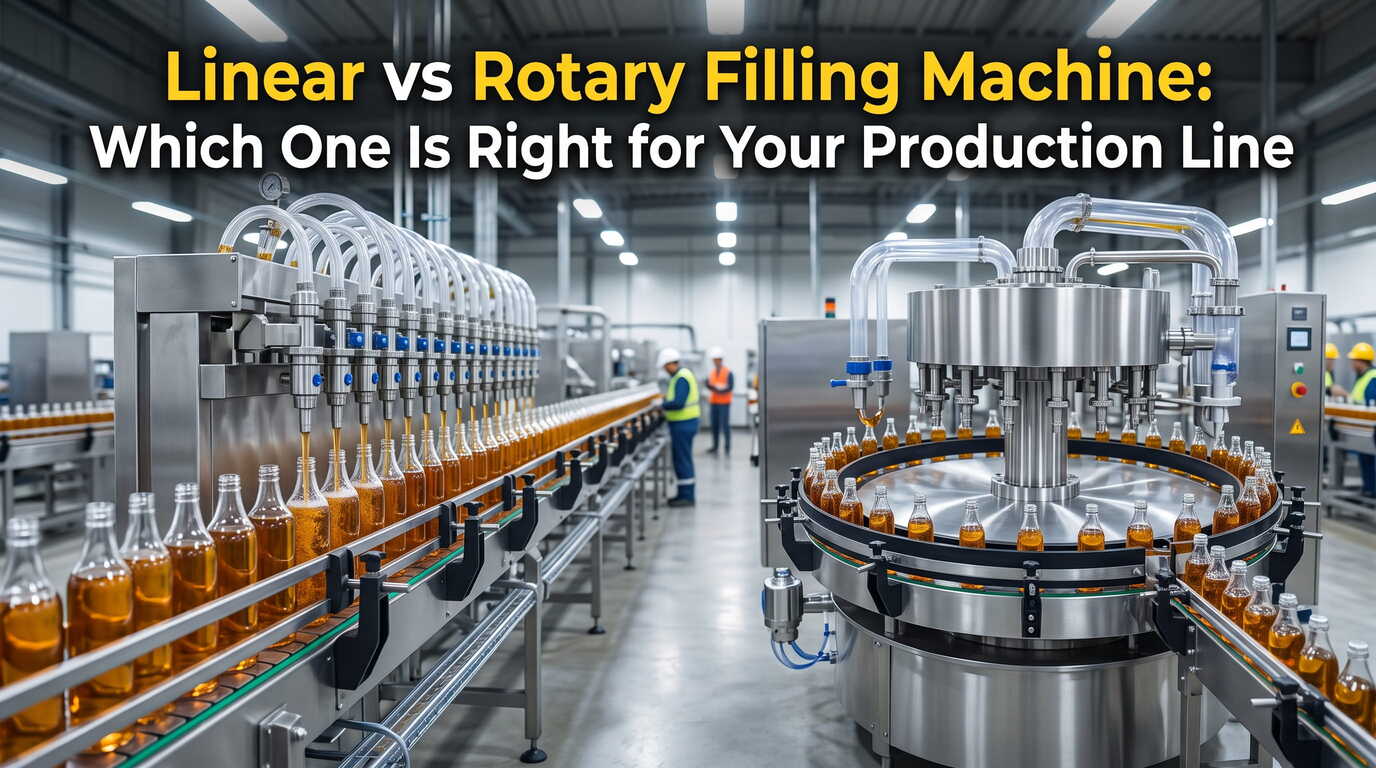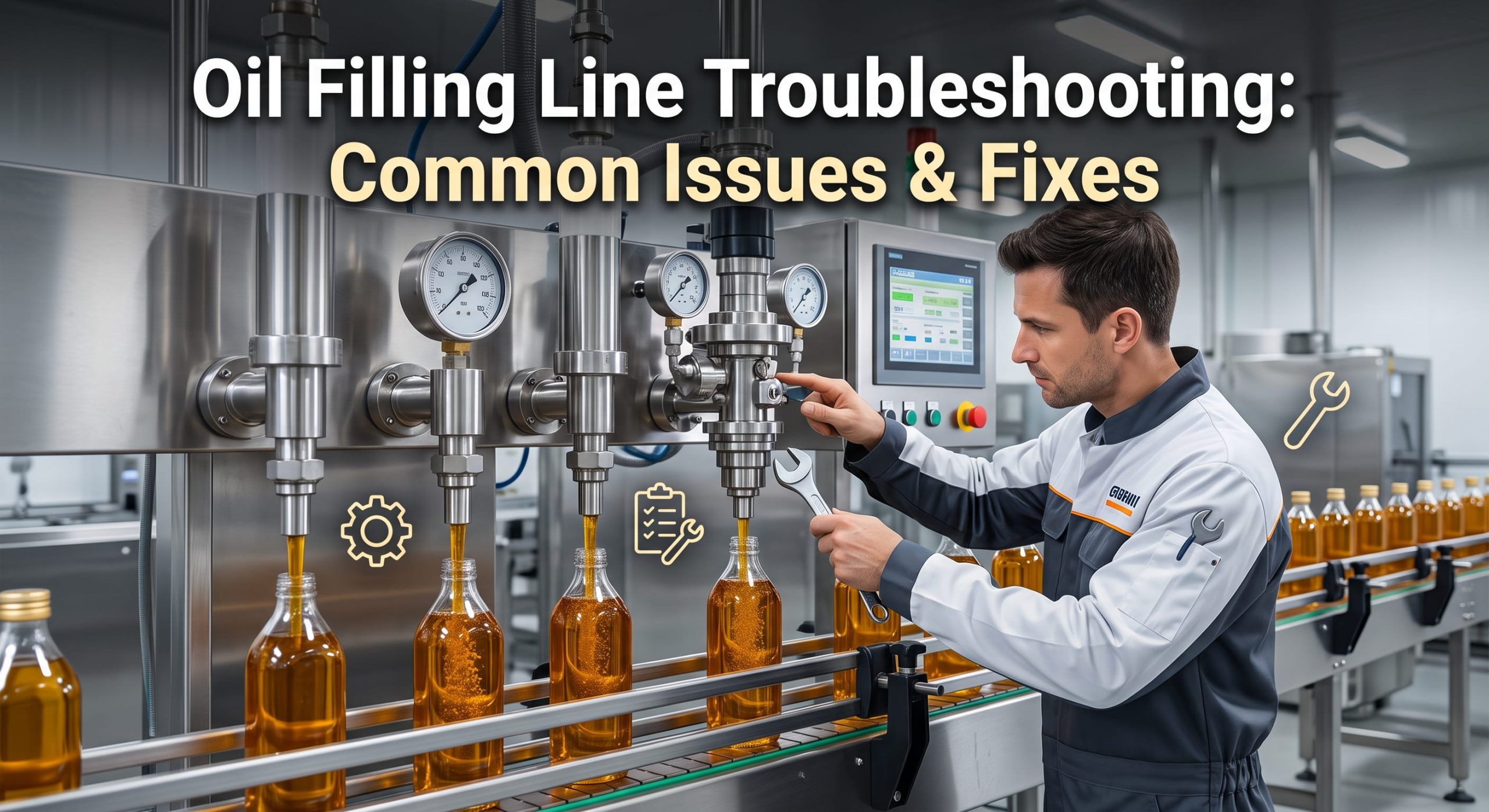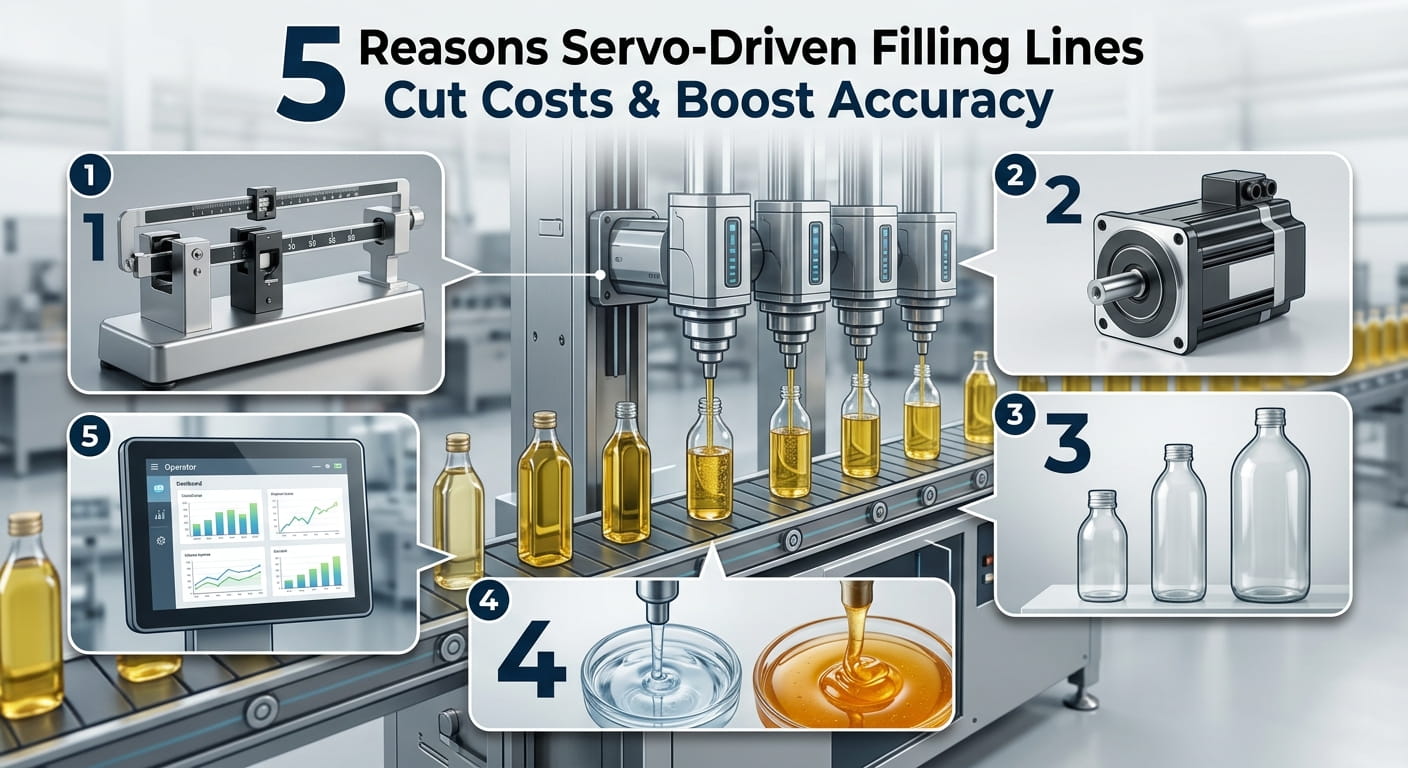

في عالم التصنيع والتعبئة والتغليف الذي يتطور باستمرار، تلعب آلات تعبئة السوائل دوراً حاسماً في ضمان الكفاءة والدقة في عملية الإنتاج. فمن الصناعات الدوائية إلى الأغذية والمشروبات، تعتمد مختلف القطاعات على أنواع متنوعة من تقنيات تعبئة السوائل لتلبية احتياجاتها المحددة. يتناول هذا المقال الأنواع المختلفة لآلات تعبئة السوائل المتاحة، وتطبيقاتها، والاعتبارات التي يجب على الشركات مراعاتها عند الاستثمار في هذه المعدات الأساسية.
أنواع آلات تعبئة السوائل
يمكن تصنيف آلات تعبئة السوائل إلى عدة أنواع، حيث صُمم كل منها للتعامل مع أنواع معينة من السوائل، والعبوات، وأحجام الإنتاج. إن فهم هذه الأنواع أمر بالغ الأهمية للشركات لاتخاذ قرارات مستنيرة تتماشى مع متطلباتها التشغيلية.
1. آلات التعبئة بالجاذبية
تستخدم آلات التعبئة بالجاذبية قوة الجاذبية لملء العبوات بالسائل. هذا النوع من الأنظمة مثالي لتعبئة السوائل ذات اللزوجة المنخفضة، مثل الماء، والعصائر، وبعض الزيوت الخفيفة. تتميز آلات التعبئة بالجاذبية ببساطة التصميم، وسهولة التشغيل، وعادة ما تتطلب تكاليف صيانة منخفضة.
ومع ذلك، قد لا تكون مناسبة للسوائل الأكثر كثافة أو المنتجات التي تتطلب دقة عالية في التعبئة. غالباً ما تُستخدم آلات التعبئة بالجاذبية في العمليات الصغيرة أو في الصناعات التي لا يتطلب فيها السائل مستوى عالٍ من الدقة في القياس.
2. حشوات المضخات (Pump Fillers)
تعتبر آلات التعبئة بالمضخات متعددة الاستخدامات ويمكن استخدامها لمجموعة واسعة من السوائل، بما في ذلك تلك ذات اللزوجة العالية، مثل الصلصات، والكريمات، والزيوت. تعمل هذه الآلات باستخدام آلية ضخ لنقل السائل إلى العبوات. هناك أنواع مختلفة من آلات التعبئة بالمضخات، بما في ذلك مضخات الإزاحة الإيجابية، والمضخات الطاردة المركزية، والمضخات التمعجية.
عند اختيار آلة تعبئة بالمضخات، يجب على الشركات مراعاة عوامل مثل نوع السائل الذي تتم معالجته، وسرعة التشغيل المطلوبة، ودقة التعبئة اللازمة. هذه الآلات مفيدة بشكل خاص للصناعات التي تتطلب تعبئة أنواع مختلفة من السوائل على نفس خط الإنتاج.
3. آلات التعبئة بالضغط
تعمل آلات التعبئة بالضغط تحت ضغط معين لملء العبوات، مما يجعلها فعالة بشكل خاص للسوائل الغازية والرغوية. تستخدم هذه الآلات إما نظام ضغط الخزان أو نظام التفريغ (الفراغ) للتحكم في تدفق السائل إلى العبوة. تشمل التطبيقات الشائعة المشروبات مثل الصودا والبيرة.
تتمثل إحدى مزايا آلات التعبئة بالضغط في قدرتها على الحفاظ على سلامة المنتجات الغازية عن طريق تقليل تكوّن الرغوة أثناء عملية التعبئة. ومع ذلك، فهي غالباً ما تتطلب معدات وصيانة أكثر تعقيداً مقارنة بآلات التعبئة بالجاذبية والمضخات.
4. آلات التعبئة المعقمة
صُممت آلات التعبئة المعقمة لتعبئة السوائل في عبوات معقمة في بيئة خالية من التلوث. وهي ضرورية في صناعات مثل الأدوية وتصنيع الأغذية، حيث يعد الحفاظ على التعقيم أمراً بالغ الأهمية لسلامة المنتج وطول فترة صلاحيته.
تتضمن عملية التعبئة المعقمة عادةً تعقيم كل من المنتج السائل والعبوة قبل التعبئة. وهذا يضمن أن المنتجات تتمتع بفترة صلاحية أطول وتلبي اللوائح الصحية الصارمة. ومع ذلك، يمكن أن يكون الاستثمار الأولي وتكلفة التشغيل لآلات التعبئة المعقمة كبيراً، مما يجعلها مناسبة بشكل أساسي للإنتاج على نطاق واسع.
5. آلات التعبئة الحجمية
توفر آلات التعبئة الحجمية قدرات قياس دقيقة عن طريق ملء العبوات بحجم محدد مسبقاً. يمكن لهذه الآلات أن تعمل بطرق مختلفة، بما في ذلك التعبئة القائمة على الوقت، حيث يحدد وقت التعبئة الحجم، أو من خلال مكابس التعبئة التي تقيس الحجم بناءً على إزاحة المكبس.
تعتبر هذه الأجهزة ضرورية للصناعات التي تتطلب دقة عالية، مثل الأدوية والمشروبات عالية الجودة. فهي تضمن مستويات تعبئة متسقة، مما يقلل من هدر المنتج ويحسن الجودة الإجمالية.
تطبيقات آلات تعبئة السوائل
تجد آلات تعبئة السوائل تطبيقات في مختلف الصناعات، حيث يستخدم كل منها تقنيات تعبئة مختلفة بناءً على احتياجاتها وخصائص منتجاتها. يمكن أن يساعد فهم هذه التطبيقات الشركات في تحديد حلول التعبئة المناسبة.
1. صناعة الأغذية والمشروبات
تعتمد صناعة الأغذية والمشروبات على آلات تعبئة السوائل لتعبئة منتجات مثل العصائر، والصلصات، والزيوت، ومنتجات الألبان. ونظراً للوائح الصارمة المتعلقة بسلامة الأغذية، فإن التعبئة الدقيقة والأنظمة الخالية من التلوث أمر بالغ الأهمية. تُستخدم آلات التعبئة بالمضخات والآلات المعقمة بشكل شائع في هذا القطاع لضمان الجودة والسلامة.
2. الصناعات الدوائية
في المجال الصيدلاني، تلعب آلات تعبئة السوائل دوراً أساسياً في تعبئة الأدوية والمكملات الغذائية. غالباً ما يتم استخدام آلات التعبئة المعقمة والحجمية نظراً لمستوى دقتها العالي وقدرتها على الحفاظ على التعقيم. يعد الامتثال للوائح الصناعة أمراً بالغ الأهمية، مما يجعل اختيار آلات التعبئة أمراً حيوياً.
3. صناعة مستحضرات التجميل
تستفيد صناعة مستحضرات التجميل أيضاً من آلات تعبئة السوائل لتعبئة مجموعة من المنتجات، من اللوشن والكريمات إلى الشامبو السائل. ونظراً لتفاوت اللزوجة عبر هذه المنتجات، يتم استخدام آلات التعبئة بالمضخات بشكل متكرر لاستيعاب التركيبات المتنوعة.
4. الصناعة الكيميائية
تعتبر آلات تعبئة السوائل حيوية في قطاع الكيماويات، حيث تحتاج العديد من السوائل، من المذيبات إلى الكيماويات الزراعية، إلى التعبئة. اعتماداً على لزوجة المادة الكيميائية وطبيعتها الخطرة، يمكن استخدام آلات تعبئة متنوعة، مثل آلات التعبئة بالضغط أو آلات التعبئة بالمضخات، مما يضمن التعامل الآمن والفعال.
نصائح عملية لاختيار آلات تعبئة السوائل
عند اختيار آلة تعبئة السوائل، يجب مراعاة عدة عوامل بعناية لضمان ملاءمتها لاحتياجات العمل المحددة:
1. تقييم خصائص السائل
يعد فهم الخصائص الفيزيائية للسائل المراد تعبئته، بما في ذلك اللزوجة، ودرجة الحرارة، والتفاعلية، أمراً بالغ الأهمية. سيحدد هذا التقييم نوع آلة التعبئة المطلوبة، مما يضمن الأداء الأمثل والدقة.
2. تحديد حجم الإنتاج
يمكن أن يساعد النظر في حجم الإنتاج المتوقع في اختيار آلة ذات حجم مناسب. قد تستفيد العمليات الصغيرة من الآلات شبه الأوتوماتيكية، بينما ستتطلب العمليات واسعة النطاق أنظمة أوتوماتيكية بالكامل لتحقيق الكفاءة.
3. تقييم احتياجات الدقة والاتساق
تتطلب التطبيقات المختلفة مستويات متفاوتة من دقة التعبئة. بالنسبة للصناعات الحساسة مثل الأدوية، من الضروري اختيار آلات يمكنها توفير درجة عالية من الدقة لتجنب فقدان المنتج وضمان الامتثال للوائح.
4. اعتبارات التوافق مع المستقبل
من الجدير بالنظر في احتياجات الإنتاج المستقبلية. إن اختيار آلات ذات تصميمات معيارية أو تلك التي يمكنها التكيف مع سوائل مختلفة قد يوفر مرونة أكبر وفعالية من حيث التكلفة مع تغير متطلبات السوق.
5. الميزانية والتكلفة الإجمالية للملكية
تعد قيود الميزانية دائماً عاملاً عند الاستثمار في الآلات. يجب على الشركات تقييم ليس فقط تكلفة الشراء الأولية، ولكن أيضاً تكاليف الصيانة، والإصلاح، والتشغيل لفهم التكلفة الإجمالية للملكية.
الخلاصة
تعتبر آلات تعبئة السوائل لا غنى عنها في التصنيع الحديث، مع أنواع متنوعة مصممة لتلبية الاحتياجات المحددة لمختلف الصناعات. من خلال فهم الأنواع المختلفة لآلات تعبئة السوائل، وتطبيقاتها، والاعتبارات الأساسية للاختيار، يمكن للشركات تعزيز كفاءتها التشغيلية وجودة منتجاتها. سواء في قطاع الأغذية والمشروبات، أو الأدوية، أو مستحضرات التجميل، أو الكيماويات، فإن اختيار تقنية التعبئة المناسبة هو المفتاح لتحقيق أهداف الإنتاج مع الالتزام بمعايير السلامة والجودة.
مع تقدم التكنولوجيا وتغير متطلبات السوق، فإن البقاء على اطلاع بأحدث التطورات في آلات تعبئة السوائل سيمكن الشركات من الحفاظ على ميزة تنافسية في مجالاتها الخاصة.