
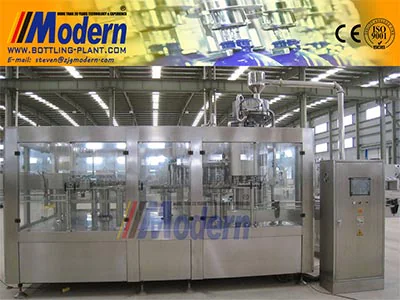
شهد الطلب على العصائر الطازجة ارتفاعاً عالمياً، مع توجه المزيد من المستهلكين نحو خيارات نمط حياة أكثر صحة. ونتيجة لذلك، تشهد صناعة معالجة العصائر نمواً كبيراً، مما يجعل آلات تعبئة العصائر عنصراً حيوياً في الإنتاج. بالنسبة للمستوردين والمصنعين، يعد فهم آلات تعبئة العصائر المتاحة في الصين أمراً ضرورياً لضمان الكفاءة التشغيلية والجودة وفعالية التكلفة. تتعمق هذه المقالة في تفاصيل آلات تعبئة العصائر، وأنواعها، ومميزاتها، وفوائدها، والإرشادات الأساسية للشراء.
مشهد آلات تعبئة العصائر
تم تصميم آلات تعبئة العصائر خصيصاً لتعبئة منتجات العصائر في حاويات مثل الزجاجات أو الأكياس. تعمل هذه الآلات على تبسيط عملية التعبئة، وهو أمر بالغ الأهمية للحفاظ على النظافة والحفاظ على نضارة العصير. في الصين، تتنوع آلات تعبئة العصائر من آلات التعبئة اليدوية البسيطة إلى الأنظمة الأوتوماتيكية بالكامل، مما يلبي مختلف أحجام الإنتاج.
أنواع آلات تعبئة العصير
عند اختيار آلة تعبئة العصائر، من المهم فهم الأنواع المختلفة المتاحة، حيث يلبي كل منها احتياجات تشغيلية محددة:
- آلات التعبئة بالجاذبية: تعمل هذه الآلات عن طريق السماح للجاذبية بملء الحاويات. وعلى الرغم من أنها فعالة من حيث التكلفة وبسيطة التشغيل، إلا أنها الأنسب للسوائل الأقل لزوجة.
- آلات التعبئة الهوائية: باستخدام ضغط الهواء، تعتبر هذه الآلات مثالية لتعبئة السوائل اللزجة. فهي توفر قياسات دقيقة وسرعة، مما يجعلها خياراً شائعاً في البيئات التجارية.
- آلات التعبئة بالتفريغ (الفراغ): تخلق هذه الأنظمة فراغاً في الحاوية لتسهيل التعبئة. غالباً ما تُستخدم هذه الطريقة للعصائر لمنع الأكسدة والحفاظ على جودة المنتج.
- آلات التعبئة الأوتوماتيكية: أنظمة مؤتمتة بالكامل تتعامل مع مراحل مختلفة من الإنتاج، بما في ذلك التعبئة، والإغلاق، ووضع الملصقات. وهي مناسبة للعمليات واسعة النطاق ذات متطلبات الإنتاج العالية.
ميزات أساسية يجب مراعاتها
يجب على المستوردين مراعاة العديد من الميزات الرئيسية عند تقييم آلات تعبئة العصائر لضمان الوظيفة والكفاءة:
1. السعة والسرعة
حدد سعة الإنتاج المطلوبة بناءً على احتياجات عملك. تختلف الآلات في السرعة، والتي تُقاس عادةً بالزجاجات في الساعة، ويجب أن تتماشى مع أهدافك التشغيلية.
2. التوافق مع أحجام الزجاجات المختلفة
يجب أن تستوعب الآلة التي تختارها أحجاماً وأنواعاً مختلفة من الزجاجات. تقلل آلة التعبئة المرنة من الحاجة إلى استثمارات مفرطة عند اختبار خطوط إنتاج جديدة.
3. معايير النظافة
يجب أن تتوافق آلات تعبئة العصائر مع معايير النظافة الصارمة لتجنب التلوث. يجب أن تكون المواد المستخدمة في التصنيع صالحة للاستخدام الغذائي، مما يضمن النظافة طوال عملية التعبئة.
4. سهولة التشغيل والصيانة
ابحث عن آلات ذات واجهات سهلة الاستخدام. يمكن لعناصر التحكم البسيطة وإجراءات الصيانة السهلة أن تقلل بشكل كبير من وقت التوقف عن العمل وتكاليف التدريب التشغيلي.
5. الكفاءة واستهلاك الطاقة
ادمج الآلات الموفرة للطاقة والمتوافقة مع الممارسات المستدامة. يمكن أن يؤدي ذلك إلى تقليل التكاليف التشغيلية وتقليل التأثير البيئي.
عملية الاستيراد
بمجرد تحديد آلة تعبئة العصائر المناسبة، يعد فهم عملية الاستيراد أمراً بالغ الأهمية. إليك خطوات عملية لضمان نجاح الصفقة:
1. البحث عن خيارات الموردين
ابحث بدقة عن الموردين المحتملين في الصين. ابحث عن التقييمات والشهادات وتاريخ التجارة لضمان أنك تتعامل مع شركة مصنعة مرموقة.
2. طلب عروض الأسعار
تواصل مع العديد من الموردين للحصول على عروض أسعار مفصلة. قم بتحليلها من حيث السعر، ولكن ضع في اعتبارك أيضاً الخدمات المضمنة، مثل التركيب ودعم ما بعد البيع.
3. التفاوض على الشروط
يمكن أن يؤثر التفاوض بشكل كبير على تكاليفك الإجمالية. ناقش شروط الدفع وجداول التسليم والضمانات للتوصل إلى اتفاق يناسب الطرفين.
4. الترتيب لفحص الجودة
قبل الشحن، فكر في الاستعانة بخدمات مراقبة الجودة من طرف ثالث لتقييم وظائف الآلة والتأكد من مطابقتها للمعايير المحددة.
5. التعامل مع لوجستيات الشحن
تعاون مع شريك لوجستي على دراية بلوائح الشحن الدولية. يمكنهم إرشادك خلال متطلبات الجمارك والمساعدة في تجنب التأخيرات المحتملة.
اعتبارات رئيسية بعد الشراء
بمجرد وصول آلة تعبئة العصائر الخاصة بك، تأكد من اتخاذ الخطوات اللازمة لتسهيل التكامل السلس في خط الإنتاج الخاص بك:
1. التركيب والمعايرة
التركيب الاحترافي حيوي لتحقيق الأداء الأمثل. تعرف أنت وفريقك على الجوانب التشغيلية للآلة وأكمل الاحتياطات اللازمة للمعايرة.
2. تدريب المشغلين
درب موظفيك بدقة على تشغيل الآلة. يمكن للتشغيل الفعال أن يقلل الأخطاء بشكل كبير، مما يعزز الإنتاجية الإجمالية.
3. جدول الصيانة
ضع خطة صيانة روتينية لإطالة عمر الآلة. ستعمل عمليات الفحص المنتظمة والإصلاحات في الوقت المناسب على تقليل الأعطال والحفاظ على الكفاءة.
الاتجاهات المستقبلية في آلات تعبئة العصائر
تستمر صناعة معالجة العصائر في التطور، مدفوعة بالتقدم التكنولوجي وتغير تفضيلات المستهلكين. إليك الاتجاهات المستقبلية التي يجب على المستوردين مراقبتها:
1. دمج التكنولوجيا الذكية
تدمج العديد من آلات التعبئة الجديدة تقنية إنترنت الأشياء (IoT) للمراقبة الفورية وجمع البيانات، مما يؤدي إلى تعزيز الكفاءة وتوفير قدرات الصيانة التنبؤية.
2. الممارسات المستدامة
مع تزايد الاهتمام بالاستدامة، يقوم المصنعون بإنتاج آلات تعبئة صديقة للبيئة مصممة لتقليل الهدر واستهلاك الطاقة.
3. قدرات التخصيص
تتيح التطورات في تكنولوجيا التصنيع تخصيصاً أكبر، مما يسمح بتكييف الآلات لتلبية احتياجات إنتاجية محددة دون زيادة كبيرة في التكاليف.
الخلاصة
ختاماً، يعد فهم المجموعة المتنوعة من آلات تعبئة العصائر المتاحة في الصين أمراً بالغ الأهمية للمستوردين الذين يهدفون إلى تعزيز عملياتهم الإنتاجية. ومن خلال النظر في الأنواع المتاحة، والميزات الرئيسية، وعملية الاستيراد بأكملها، يمكن للشركات اتخاذ قرارات مستنيرة تضمن الكفاءة والجودة. علاوة على ذلك، فإن متابعة الاتجاهات المستقبلية تسمح للشركات بالحفاظ على مكانتها في سوق تنافسية. ومع استمرار نمو سوق العصائر، ستزداد أيضاً الفرص المتاحة للشركات التي تستثمر في الأدوات المناسبة لتحقيق النجاح.


