شهدت صناعة العصائر تطوراً سريعاً على مدى العقود الماضية، مدفوعة بطلب المستهلكين على خيارات أكثر صحية وتغليف مريح. وتعد آلة تعبئة علب العصير واحدة من أهم المكونات في عملية التعبئة والتغليف لمنتجات العصائر. يهدف هذا المقال إلى تقديم تحليل متعمق لآلات تعبئة علب العصير، وتغطية أنواعها، ومبادئ عملها، ومميزاتها، وأفضل الممارسات لاختيارها وصيانتها في بيئة الإنتاج.
ما هي آلة تعبئة علب العصير؟
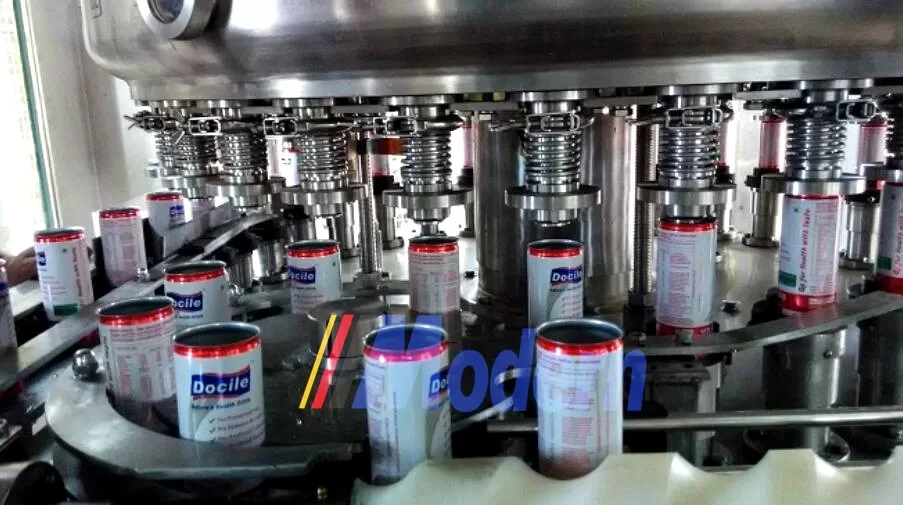
آلة تعبئة علب العصير هي قطعة من المعدات المؤتمتة المصممة لتعبئة وإغلاق العلب بالعصير السائل. تلعب هذه الآلات دوراً حيوياً في عملية تصنيع المشروبات، حيث تضمن تعبئة المنتجات وإغلاقها وحفظها بكفاءة للنقل والبيع. تتضمن عملية التعبئة عادةً قياساً دقيقاً لتجنب الهدر وضمان احتواء كل علبة على الكمية المحددة من العصير.
أنواع آلات تعبئة علب العصير
تختلف آلات تعبئة علب العصير في التصميم والوظيفة، لتلبية متطلبات الإنتاج المختلفة. فيما يلي بعض الأنواع الأكثر شيوعاً:
1. آلات التعبئة بالجاذبية
تعمل آلات التعبئة بالجاذبية بناءً على مبدأ الجاذبية، مما يسمح للعصير بالتدفق من خزان إلى العلب. هذه الآلات مثالية للمشروبات غير الغازية، حيث تكون لزوجة المنتج منخفضة. تتميز آلات التعبئة بالجاذبية ببساطة التصميم، وسهولة التشغيل، ومناسبتها لمعدلات الإنتاج المنخفضة إلى المتوسطة.
2. آلات التعبئة بالضغط
يستخدم هذا النوع من الآلات الضغط لتعبئة العلب، مما يجعله مثالياً للمنتجات ذات مستويات اللزوجة الأعلى أو تلك التي تحتوي على لب. تتميز آلات التعبئة بالضغط بقدرتها على الحفاظ على سلامة العصير عن طريق تقليل كمية التعرض للأكسجين أثناء التعبئة، مما يساعد في الحفاظ على النضارة.
3. آلات التعبئة بالتفريغ (الفراغ)
تقوم آلات التعبئة بالتفريغ (الفراغ) بإزالة الهواء من العلبة قبل التعبئة، مما يخلق فراغاً يسمح للعصير بالتدفق بسلاسة. تقلل هذه العملية من خطر الأكسدة وهي مفيدة بشكل خاص للمنتجات الحساسة التي قد تفسد بسرعة عند تعرضها للأكسجين.
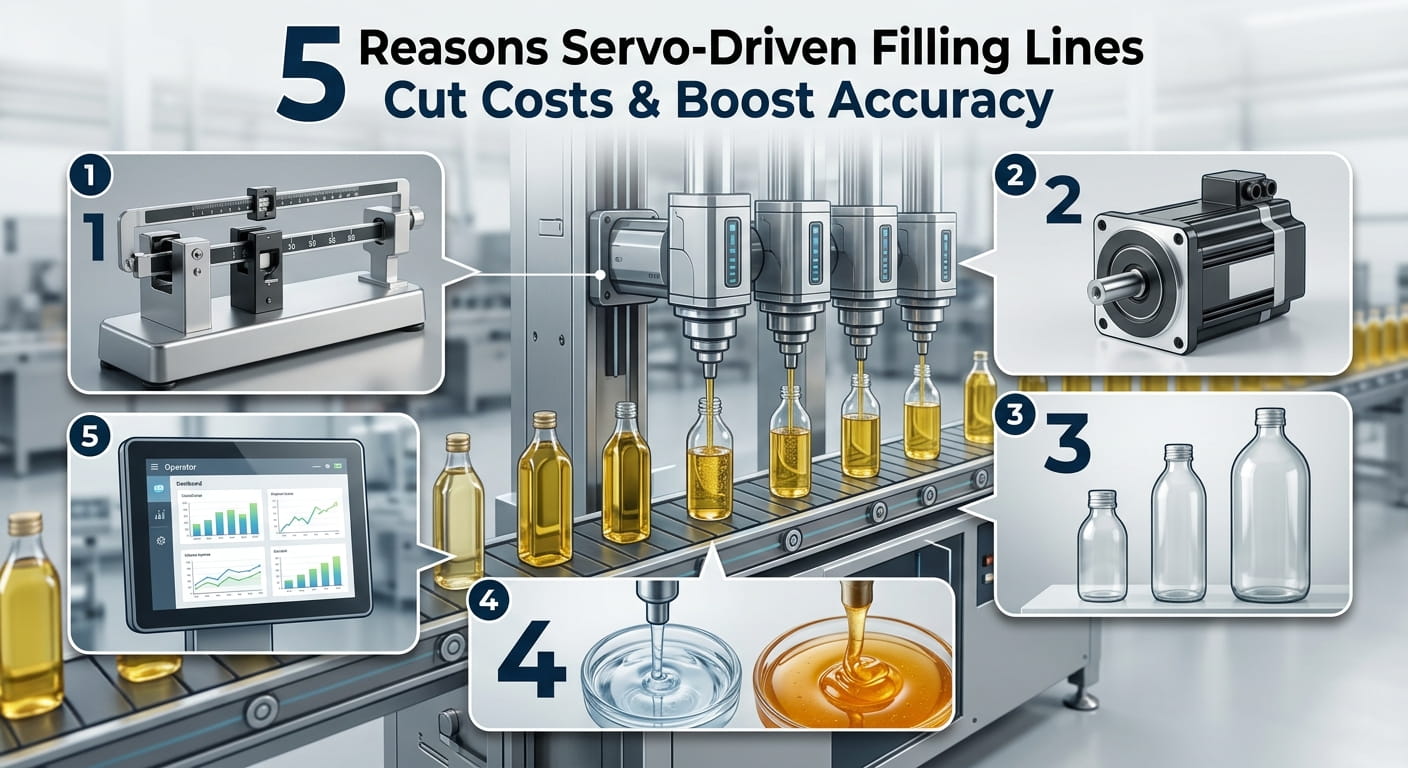
4. آلات التعبئة التي تعمل بمحركات سيرفو
تستخدم هذه الآلات المتطورة محركات سيرفو للتعبئة الدقيقة والتشغيل السريع. يمكنها التعامل مع أحجام وأشكال مختلفة من العلب دون الحاجة إلى تغييرات واسعة النطاق. تتميز آلات التعبئة التي تعمل بمحركات سيرفو بالكفاءة وغالباً ما تكون مجهزة بأحدث التقنيات لمراقبة والتحكم في عملية التعبئة بأكملها.
مبادئ عمل آلات تعبئة علب العصير
تتضمن عملية تشغيل آلة تعبئة علب العصير عدة خطوات، لضمان تعبئة العصير بشكل صحيح مع الحفاظ على النظافة وسلامة النكهة. فيما يلي ملخص للعملية النموذجية:
1. تحضير العلب
تبدأ العملية بتنظيف وتعقيم العلب الفارغة للقضاء على أي ملوثات. هذه الخطوة حاسمة للحفاظ على جودة العصير وإطالة مدة صلاحيته.
2. التعبئة
بمجرد تحضير العلب، يتم تغذيتها في آلة التعبئة. اعتماداً على نوع نظام التعبئة المستخدم، يتم توزيع العصير في العلب باستخدام تقنيات الجاذبية أو الضغط أو التفريغ. تضمن الآلة تعبئة كل علبة إلى مستوى محدد مسبقاً، مع وجود آليات لمنع الملء الزائد والانسكاب.
3. الإغلاق
بعد عملية التعبئة، يتم إغلاق العلب باستخدام طرق مختلفة مثل الأغطية الدوارة أو أغطية العلب. هذه الخطوة ضرورية لإنشاء إغلاق محكم يمنع التسرب والتلوث.
4. مراقبة الجودة
تأتي آلات تعبئة العصير المتقدمة مزودة بأجهزة استشعار وأنظمة مدمجة لمراقبة الجودة في الوقت الفعلي. تراقب هذه الأنظمة مستويات التعبئة، وتكتشف الشذوذ، وتضمن إغلاق العلب بشكل صحيح. هذا لا يحسن جودة المنتج فحسب، بل يقلل أيضاً من احتمالية عمليات الاسترجاع بسبب مشاكل الجودة.
مميزات استخدام آلات تعبئة علب العصير
يوفر دمج آلة تعبئة علب العصير في خط الإنتاج الخاص بك العديد من المزايا:
1. زيادة الكفاءة
تقلل أنظمة التعبئة المؤتمتة بشكل كبير من الوقت المطلوب للتعبئة اليدوية، مما يترجم إلى إنتاجية أعلى وتحسين في الأداء. هذه الكفاءة حاسمة لتلبية طلبات المستهلكين ومواكبة اتجاهات السوق.
2. جودة متسقة
تضمن الآلات المصممة للتعبئة حصول كل علبة على نفس حجم العصير، مما يساهم في جودة منتج متسقة. بالإضافة إلى ذلك، تقلل الأنظمة المؤتمتة من الأخطاء البشرية التي يمكن أن تحدث أثناء التعبئة اليدوية.
3. خفض تكاليف العمالة
من خلال أتمتة عملية التعبئة، يمكن للشركات خفض تكاليف العمالة المرتبطة بالتعبئة اليدوية. وهذا يسمح للشركات بتخصيص الموارد لمجالات حيوية أخرى، مثل التسويق وتطوير المنتجات.
4. تعزيز النظافة
تم تصميم آلات تعبئة علب العصير الحديثة مع مراعاة النظافة، باستخدام مواد وأنظمة تقلل من خطر التلوث. وهذا مهم بشكل خاص في صناعة الأغذية والمشروبات، حيث تعتبر سلامة المستهلك أمراً بالغ الأهمية.
اختيار آلة تعبئة علب العصير المناسبة
يتطلب اختيار الآلة المناسبة لخط الإنتاج الخاص بك دراسة متأنية. فيما يلي بعض العوامل التي يجب تقييمها:
1. حجم الإنتاج
قم بتقييم احتياجات الإنتاج الخاصة بك وتحديد الإنتاجية المطلوبة. تلبي الآلات المختلفة مقاييس إنتاج متفاوتة، لذا اختر الآلة التي تتماشى مع أهداف عملك.
2. خصائص المنتج
ضع في اعتبارك اللزوجة ودرجة الحرارة وأي مواد صلبة موجودة في العصير الخاص بك. يجب أن تكون آلة التعبئة قادرة على التعامل مع هذه الجوانب دون المساس بالجودة.
3. المرونة
إذا كنت تخطط لتقديم أصناف متعددة من العصائر أو أحجام علب مختلفة، فاختر آلة تعبئة تسمح بتغييرات سهلة لتقليل وقت التوقف عن العمل.
4. الميزانية
تظل التكلفة عاملاً حاسماً. أثناء التفكير في الميزانية، قم بوزن العوائد طويلة الأجل على الاستثمار، بما في ذلك تكاليف الصيانة وأي مكاسب محتملة في الكفاءة.
أفضل الممارسات للصيانة والتشغيل
لضمان طول عمر وأداء مثالي لآلة تعبئة علب العصير الخاصة بك، اتبع أفضل ممارسات الصيانة والتشغيل هذه:
1. التنظيف الدوري
ضع جدول تنظيف روتيني للآلة لمنع الملوثات والحفاظ على معايير النظافة. يتضمن ذلك تعقيم الأجزاء التي تتلامس مباشرة مع العصير.
2. الصيانة المجدولة
خطط لفحوصات صيانة دورية لتحديد أي تآكل في المكونات. يمكن أن يمنع الكشف المبكر عن المشكلات الأعطال المكلفة.
3. تدريب المشغلين
استثمر في تدريب موظفيك على تشغيل الآلة بشكل صحيح. يمكن للموظفين المدربين جيداً زيادة قدرات الآلة وتقليل وقت التوقف عن العمل بسبب الأخطاء التشغيلية.
4. مراقبة الأداء
استخدم تحليلات البيانات لمراقبة أداء آلة التعبئة باستمرار. احتفظ بسجلات لمخرجات الإنتاج، ومشاكل الجودة، وأنشطة الصيانة لتحديد مجالات التحسين.
الخلاصة
تستعد صناعة العصائر لمواصلة النمو مع بحث المستهلكين عن خيارات أكثر صحية. وتعد آلات تعبئة العصائر في العلب عنصراً حيوياً في هذا السوق المزدهر، حيث تضمن تعبئة المنتجات بكفاءة وبطريقة صحية. ومن خلال فهم أنواع الآلات المتاحة، ومبادئ عملها، ومزاياها، وأفضل الممارسات لاختيارها وصيانتها، يمكن للشركات اتخاذ قرارات مستنيرة تعزز الإنتاجية والربحية في هذا المشهد التنافسي.
إن الاستثمار في آلة تعبئة العصائر المناسبة في العلب لا يلبي متطلبات الإنتاج الحالية فحسب، بل يجهز عملك أيضاً للفرص المستقبلية. وبينما تبدأ هذه الرحلة، تذكر أن الخيارات التي تتخذها في اختيار المعدات يمكن أن تؤثر بشكل كبير على كفاءتك التشغيلية الشاملة وجودة منتجك.