
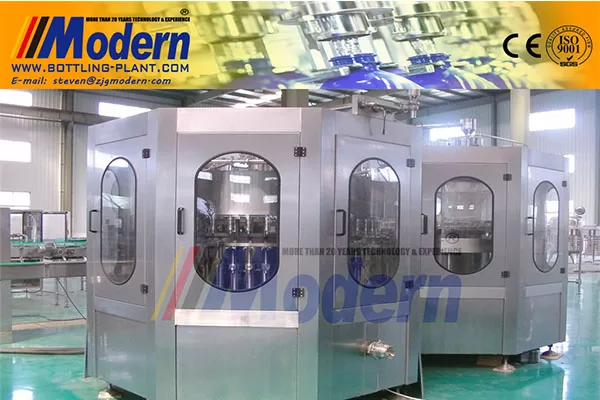
في عالم إنتاج المشروبات سريع الخطى، تعد الكفاءة والدقة من أهم الأولويات. ومع استمرار ارتفاع طلب المستهلكين على المشروبات المعبأة، يواجه المصنعون ضغوطاً متزايدة للابتكار وتعزيز الإنتاجية. وتعد آلة تعبئة المشروبات أحد المكونات الأساسية في عملية إنتاج المشروبات. يتناول هذا المقال الجوانب المختلفة لآلات تعبئة المشروبات، بدءاً من تقنياتها وأنواعها وصولاً إلى تأثيرها على كفاءة الإنتاج وجودة المخرجات.
دور آلات تعبئة المشروبات في إنتاج المشروبات
آلات تعبئة المشروبات هي معدات متخصصة تُستخدم لتعبئة السوائل في حاويات مثل الزجاجات والعلب والكرتون. تلعب هذه الآلات دوراً حاسماً في عملية تصنيع المشروبات، حيث تضمن تعبئة المنتجات بشكل متسق وسريع مع الحفاظ على معايير النظافة والجودة.
أهمية الأتمتة في عمليات التعبئة
مع صعود الأتمتة في التصنيع، تطورت آلات تعبئة المشروبات لتدمج تقنيات متقدمة تعمل على تبسيط خطوط الإنتاج. تقلل الأنظمة المؤتمتة من مخاطر الخطأ البشري، وتعزز السرعة، وتضمن تعبئة المنتجات بأحجام دقيقة. وهذا أمر بالغ الأهمية في صناعة المشروبات، حيث يمكن أن تؤدي التناقضات الصغيرة في التعبئة إلى آثار مالية كبيرة ومشكلات في الجودة.
أنواع آلات تعبئة المشروبات
يعد فهم الأنواع المختلفة لآلات تعبئة المشروبات أمراً ضرورياً للمصنعين عند اختيار المعدات المناسبة لعملياتهم. وغالباً ما يعتمد الاختيار على نوع المشروب الذي يتم إنتاجه، ومستوى الأتمتة المطلوب، وحجم الإنتاج.
آلات التعبئة بالجاذبية
تستفيد آلات التعبئة بالجاذبية من قوة الجاذبية لتوزيع السوائل في الحاويات. هذا النوع من التعبئة مناسب عادةً للمشروبات ذات اللزوجة المنخفضة، مثل الماء والعصائر والمشروبات الغازية. تعمل الآلة عن طريق خلق فراغ يسمح للسائل بالتدفق إلى الحاوية حتى يتم الوصول إلى المستوى المطلوب. وعلى الرغم من بساطتها وفعاليتها من حيث التكلفة، قد لا تكون آلات التعبئة بالجاذبية مثالية للتطبيقات التي تتطلب دقة عالية.
آلات التعبئة الهوائية
تستخدم آلات التعبئة الهوائية ضغط الهواء لتعبئة الحاويات. هذه الآلات أكثر ملاءمة للمنتجات ذات اللزوجة العالية، مثل العصائر المركزة (سموذي) والشراب. يمكن لآلات التعبئة الهوائية تحقيق دقة أفضل من آلات التعبئة بالجاذبية وهي قادرة على التعامل مع السوائل الأكثر كثافة التي تتطلب آلية معالجة مختلفة.
آلات التعبئة الحجمية
تستخدم آلات التعبئة الحجمية آلية لقياس الحجم الدقيق للسائل الموزع في كل حاوية. يفضل هذا النوع في صناعة المشروبات نظراً لدقته وكفاءته. يمكن تزويد آلات التعبئة الحجمية بتقنيات متنوعة، مثل حشوات المكبس أو عدادات التدفق، والتي تضمن تلبية حتى أكثر متطلبات التعبئة تطلباً.
اختيار آلة تعبئة المشروبات المناسبة
يعد اختيار آلة تعبئة المشروبات المناسبة قراراً حاسماً لأي مصنع مشروبات. فيما يلي بعض الاعتبارات العملية عند اختيار نظام التعبئة.
متطلبات حجم الإنتاج
يعد فهم حجم إنتاجك أمراً ضرورياً لضمان قدرة الآلة على تلبية الطلب دون اختناقات أو فترات توقف مفرطة. قم بتقييم احتياجات الإنتاج الحالية والمتوقعة، واختر آلة تتوافق مع تلك المتطلبات.
أنواع المشروبات
نظراً لأن المشروبات المختلفة لها مستويات لزوجة وخصائص متفاوتة، فمن الضروري مراعاة النوع المحدد للمشروب الذي ستقوم بتعبئته. على سبيل المثال، يتطلب مشروب سموذي كثيف آلة تعبئة مختلفة عن تلك المستخدمة للعصير الخفيف.
قيود المساحة والتخطيط
يمكن أن تؤثر المساحة المتاحة داخل منشأة الإنتاج الخاصة بك بشكل كبير على اختيارك لآلة التعبئة. قم بتقييم التخطيط، بما في ذلك نقاط الدخول والخروج، لضمان التكامل السلس مع معدات الإنتاج الأخرى. قد تكون التصميمات المدمجة ضرورية في المرافق ذات المساحة المحدودة.
اعتبارات الميزانية
تعد قيود الميزانية واقعاً يواجه العديد من المصنعين. ورغم أنه قد يكون من المغري اختيار الخيار الأقل تكلفة، إلا أن الاستثمار في آلة تعبئة عالية الجودة يمكن أن يحقق عوائد كبيرة من حيث الكفاءة والدقة وتقليل الهدر بمرور الوقت. يجب تضمين عوامل مثل تكاليف التشغيل واحتياجات الصيانة ووقت التوقف المحتمل عن الإنتاج في اعتبارات الميزانية.
الاعتبارات التشغيلية لآلات تعبئة المشروبات
بمجرد اختيار آلة تعبئة مناسبة، يجب على المصنعين مراعاة الجوانب التشغيلية لتعظيم فوائد استثمارهم.
الصيانة والمعايرة
تعد الصيانة الدورية لآلات تعبئة المشروبات أمراً أساسياً لطول عمرها وكفاءتها. ضع جدول صيانة روتينياً لفحص وتزييت الأجزاء المتحركة، واستبدال المكونات البالية، ومعايرة آلية التعبئة حسب الحاجة لضمان عمل المعدات في مستويات مثالية.
تدريب المشغلين
يعد الفريق المدرب جيداً أمراً ضرورياً لضمان عمليات إنتاج سلسة. استثمر الوقت والموارد في تدريب المشغلين على الاستخدام الصحيح لآلة التعبئة، بما في ذلك استكشاف الأخطاء الشائعة وإصلاحها وفهم إعدادات الآلة وميزاتها.
تدابير مراقبة الجودة
تعد مراقبة الجودة أمراً بالغ الأهمية في إنتاج المشروبات، لأنها تؤثر على رضا العملاء وسمعة العلامة التجارية. قم بتنفيذ تدابير قوية لمراقبة الجودة، بما في ذلك الفحوصات المنتظمة لمستويات التعبئة، وفحص سلامة الحاوية، والمراقبة بحثاً عن أي تسرب أو تلوث. غالباً ما تأتي آلات التعبئة المتقدمة بميزات مدمجة لمراقبة الجودة، والتي يجب الاستفادة منها بالكامل.
الاتجاهات المستقبلية في تكنولوجيا تعبئة المشروبات
مع استمرار تطور صناعة المشروبات، تتطور التكنولوجيا أيضاً. يمكن أن يوفر مواكبة الاتجاهات الناشئة للمصنعين ميزة تنافسية.
الاستدامة والمواد الصديقة للبيئة
استجابةً للوعي المتزايد للمستهلكين بالاستدامة، يتجه العديد من المصنعين نحو حلول التعبئة والتغليف الصديقة للبيئة. ستكون آلات تعبئة المشروبات التي تستوعب المواد المستدامة وتقلل من الهدر ضرورية لتتماشى مع تفضيلات المستهلكين هذه.
التكنولوجيا الذكية وتكامل إنترنت الأشياء
يغير دمج تقنية إنترنت الأشياء (IoT) في آلات التعبئة مشهد تصنيع المشروبات. يمكن لآلات التعبئة الذكية جمع البيانات في الوقت الفعلي، مما يسمح بالصيانة التنبؤية، وتحليلات الأداء، وتعزيز تتبع الإنتاج. ستؤدي حلقة التغذية الراجعة المستمرة هذه إلى مزيد من التحسينات في الكفاءة وجودة المخرجات.
الخلاصة
تعد آلات تعبئة المشروبات مكونات أساسية في إنتاج المشروبات، حيث تؤثر على الكفاءة والجودة والنجاح التشغيلي العام. من خلال فهم الأنواع المختلفة لآلات التعبئة، واتخاذ خيارات مستنيرة بناءً على احتياجات الإنتاج، والبقاء في صدارة الاتجاهات الناشئة في التكنولوجيا، يمكن للمصنعين تحسين عمليات التعبئة الخاصة بهم وتعزيز قدرتهم التنافسية في سوق سريع التطور.
إن استثمار الوقت والموارد في اختيار وصيانة آلات تعبئة المشروبات المناسبة ليس مجرد متطلب؛ بل هو فرصة لمصنعي المشروبات لتحقيق التميز التشغيلي وإسعاد المستهلكين بمنتجات عالية الجودة.


