في ظل المشهد المتطور للتصنيع والتعبئة والتغليف الحديث، برزت آلات التعبئة المخصصة كعنصر محوري لمجموعة متنوعة من الصناعات. تهدف هذه المقالة إلى التعمق في تعقيدات هذه الآلات، واستكشاف وظائفها، وفوائدها، ومعايير اختيارها، وتأثيرها على التجارة الدولية.
أهمية آلات التعبئة المخصصة
مع استمرار العولمة والتجارة الإلكترونية في إعادة تشكيل الأسواق، أصبحت الشركات مطالبة بشكل متزايد بتحسين عمليات الإنتاج الخاصة بها. تُعد آلات التعبئة المخصصة ضرورية للشركات المتخصصة في السوائل أو المساحيق أو المنتجات الحبيبية. لا تعمل هذه الآلات على تعزيز الكفاءة فحسب، بل تضمن أيضاً الاتساق في الإنتاج، وتلبي الاحتياجات الفريدة لمختلف الصناعات، بما في ذلك الأغذية والمشروبات، ومستحضرات التجميل، والمواد الكيميائية، والأدوية، وغيرها.
أنواع آلات التعبئة المخصصة
تأتي آلات التعبئة المخصصة في أنواع مختلفة، كل منها مصمم لمتطلبات تعبئة وخصائص منتج محددة. يعد فهم هذه الأنواع أمراً بالغ الأهمية للشركات لاختيار المعدات المناسبة لعملياتها.
1. آلات تعبئة السوائل
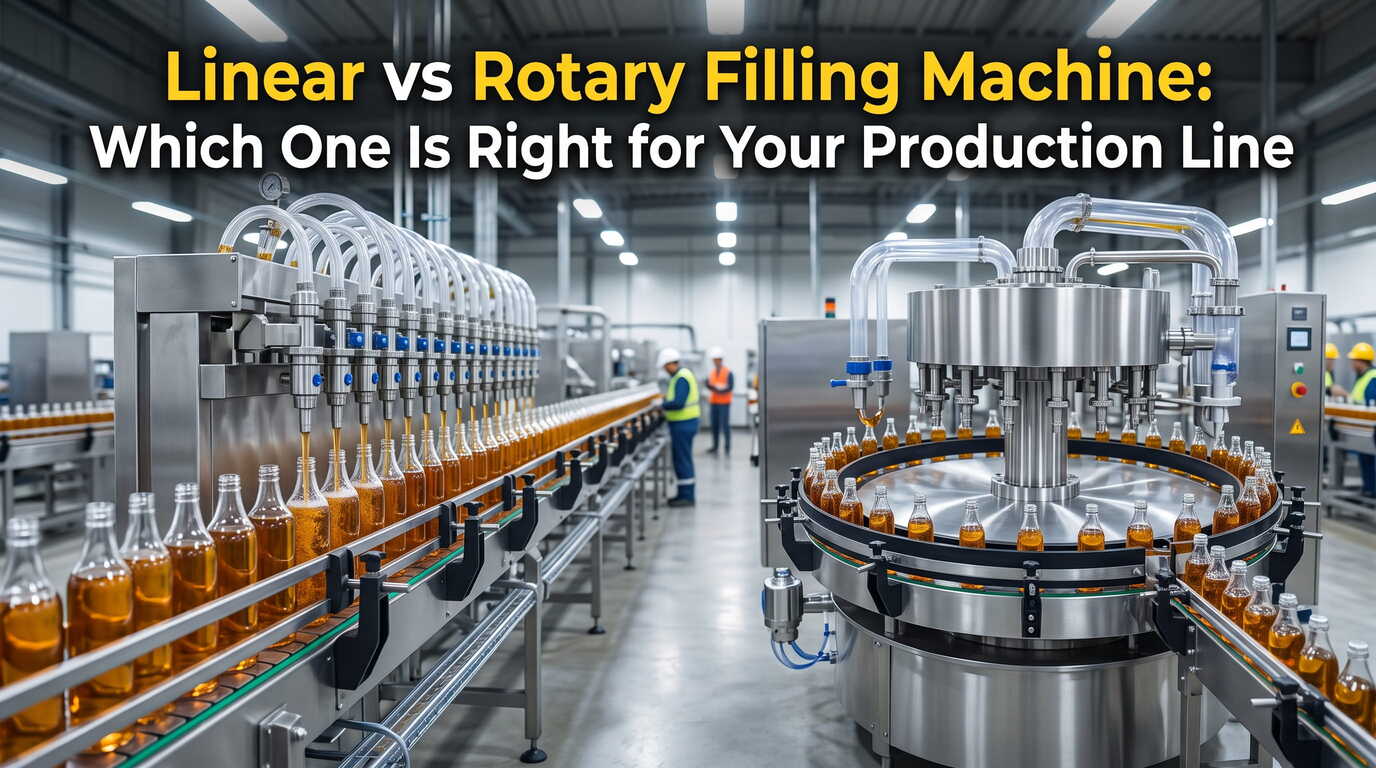
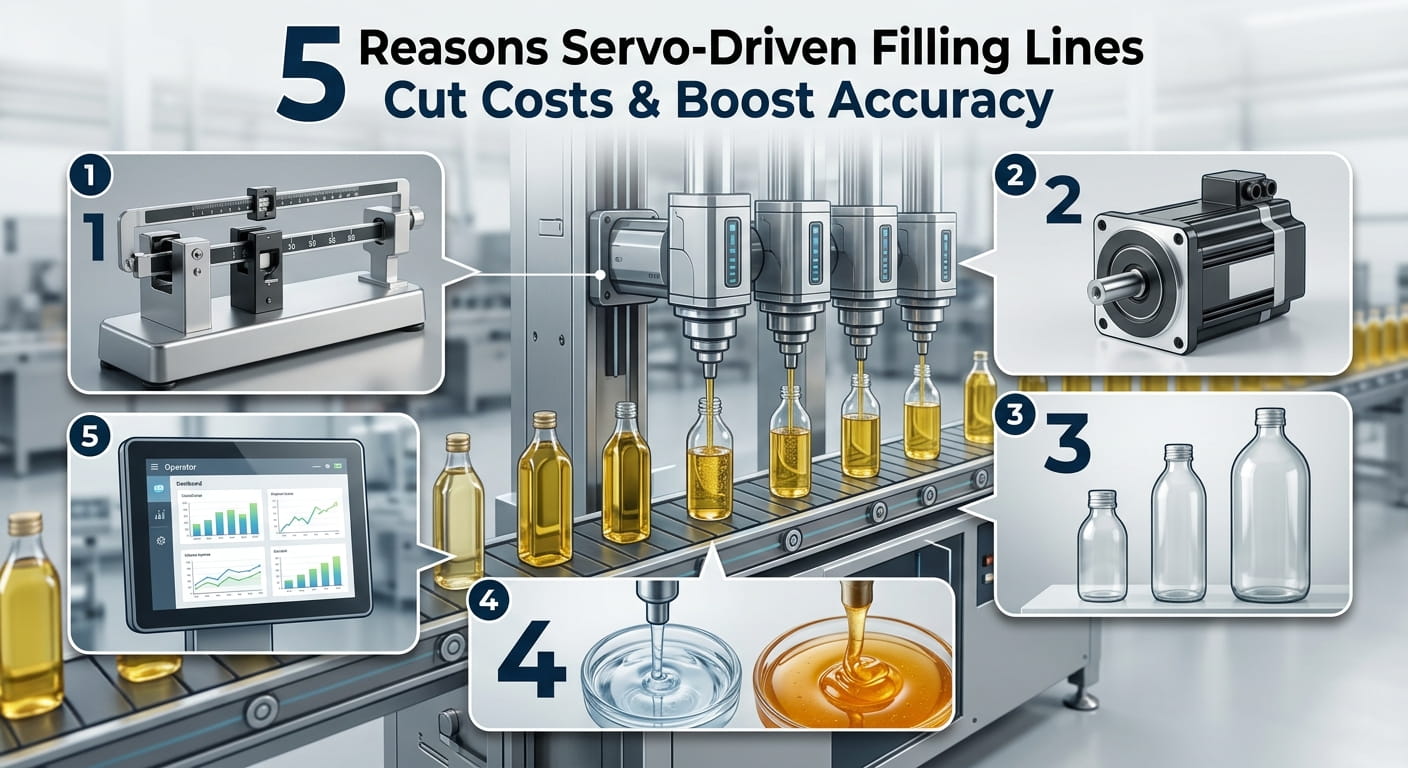
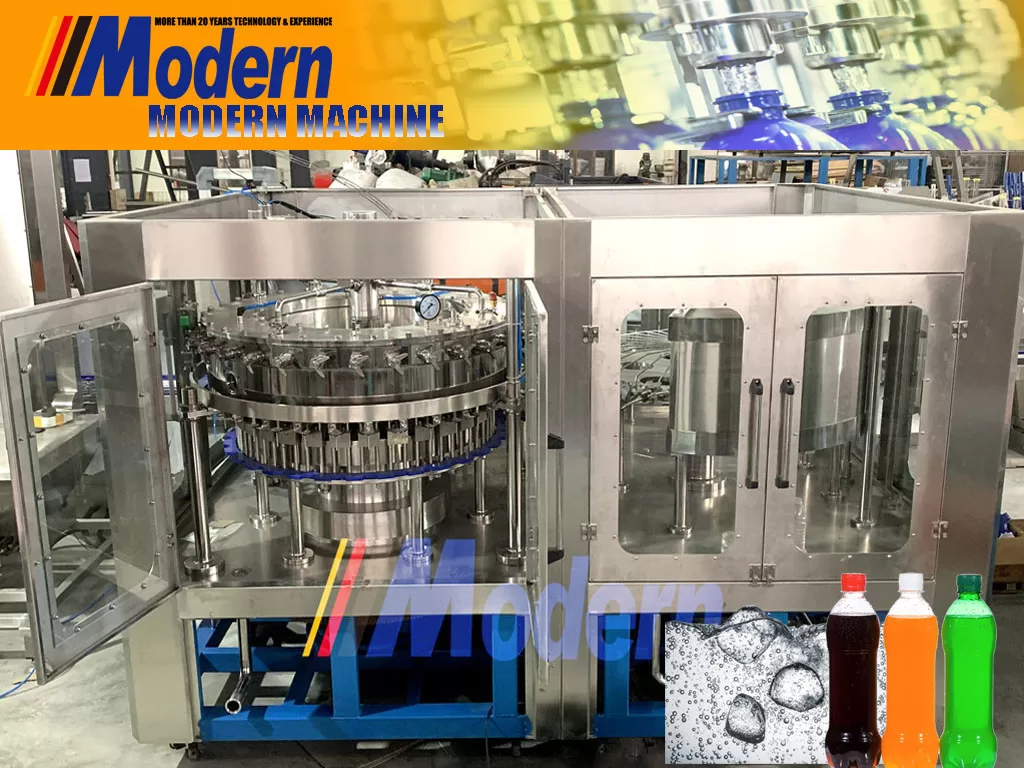
صُممت آلات تعبئة السوائل لمجموعة من السوائل، بدءاً من الماء والعصائر وصولاً إلى الزيوت والأدوية. ويمكن تصنيفها أيضاً إلى أنظمة تعبئة حجمية ووزنية. تقوم الأنظمة الحجمية بتوزيع حجم محدد مسبقاً من السائل، بينما تقيس الأنظمة الوزنية وزن السائل الذي يتم تعبئته، مما يضمن الدقة.
2. آلات تعبئة المساحيق
تتعامل آلات تعبئة المساحيق مع المنتجات الجافة ويمكنها تعبئتها في حاويات بأحجام مختلفة. تستخدم هذه الآلات آليات مختلفة، مثل المثاقب (augers) أو التعبئة الاهتزازية، لتحقيق الدقة والسرعة المطلوبة. تتراوح التطبيقات من المنتجات الغذائية، مثل التوابل، إلى المواد الكيميائية والأدوية.
3. آلات تعبئة الحبيبات
تعتبر آلات تعبئة الحبيبات مثالية لمنتجات مثل البذور أو السكر أو الملح. تستخدم هذه الآلات تقنيات متنوعة، بما في ذلك التعبئة بالجاذبية أو الحجم، لضمان توزيع الحبيبات بدقة دون التسبب في تلف المنتج.
فوائد آلات التعبئة المخصصة
يمكن أن يفيد الاستثمار في آلات التعبئة المخصصة الشركات بشكل كبير من خلال تعزيز الكفاءة التشغيلية، وتقليل الهدر، وتحسين جودة المنتج.
1. زيادة الكفاءة والإنتاجية
تعمل آلات التعبئة المخصصة على أتمتة عملية التعبئة، مما يسمح بمعدل تعبئة أسرع من الطرق اليدوية. تترجم هذه السرعة المتزايدة مباشرة إلى إنتاجية أعلى وساعات تشغيل أطول، مما يؤدي إلى مخرجات أكبر في وقت أقل.
2. الدقة والاتساق
في الصناعات التي تكون فيها الدقة أمراً بالغ الأهمية، تضمن آلات التعبئة المخصصة مستويات تعبئة متسقة. وهذا لا يعزز جودة المنتج فحسب، بل يساعد أيضاً في الامتثال للوائح الصناعة المتعلقة بالتعبئة والتغليف ووضع الملصقات.
3. خفض تكاليف العمالة
تقلل الأتمتة من خلال آلات التعبئة المخصصة من الاعتماد على العمالة اليدوية، مما قد يؤدي إلى وفورات كبيرة في تكاليف العمالة. بالإضافة إلى ذلك، فهي تخفف من التحديات المرتبطة بنقص العمالة والتدريب، حيث يلزم عدد أقل من المشغلين لتشغيل هذه الآلات.
اختيار آلة التعبئة المخصصة المناسبة
يعد اختيار آلة التعبئة المخصصة خطوة حاسمة لأي شركة تتطلع إلى تعزيز قدراتها الإنتاجية. فيما يلي العديد من الاعتبارات الرئيسية لتوجيه الشركات في اتخاذ خيار مستنير:
1. خصائص المنتج
تلعب طبيعة المنتج الذي يتم تعبئته دوراً حاسماً في تحديد نوع آلة التعبئة التي سيتم استخدامها. تشمل العوامل التي يجب مراعاتها اللزوجة، وحجم الجسيمات، والتآكل، وما إذا كان المنتج خطراً. يضمن الفهم الشامل لهذه الخصائص أن تختار الشركات آلة يمكنها التعامل مع منتجاتها المحددة دون المساس بالجودة.
2. حجم الإنتاج
يجب على الشركات تقييم حجم إنتاجها لاختيار آلة تعبئة تلبي احتياجاتها. بالنسبة للإنتاج عالي الحجم، تعتبر آلات التدفق المستمر مثالية، بينما قد تستفيد الشركات الصغيرة من الخيارات شبه الآلية أو اليدوية التي توفر المرونة دون استثمار كبير.
3. التكامل مع الأنظمة الحالية
يجب أن تتكامل آلات التعبئة المخصصة بسلاسة مع خطوط الإنتاج الحالية. يجب على الشركات تقييم مدى قدرة الآلة على العمل مع المعدات الحالية، مثل السيور الناقلة، وآلات السد، وأنظمة وضع الملصقات. يمكن أن تؤثر التوافقية بشكل كبير على الكفاءة العامة وسير العمل.
4. الامتثال التنظيمي
في الصناعات شديدة التنظيم، مثل الأغذية أو الأدوية، يجب أن تتوافق آلة التعبئة المختارة مع معايير ولوائح الصناعة. يجب على الشركات البحث عن الشركات المصنعة التي تضمن تلبية آلاتها للمتطلبات الصارمة للهيئات التنظيمية المحلية والدولية.
اعتبارات التكلفة
يعد الاستثمار في آلات التعبئة المخصصة التزاماً مالياً كبيراً. يجب على الشركات مراعاة عوامل مختلفة عند تقييم التكاليف:
1. الاستثمار الأولي
يمكن أن تختلف التكلفة الأولية لآلة التعبئة المخصصة بشكل كبير بناءً على تعقيدها وقدراتها. يجب على الشركات تقييم ميزانياتها والنظر في نهج استثماري طويل الأجل، وموازنة التكاليف مقابل العوائد المتوقعة في الكفاءة والإنتاجية.
2. الصيانة والدعم
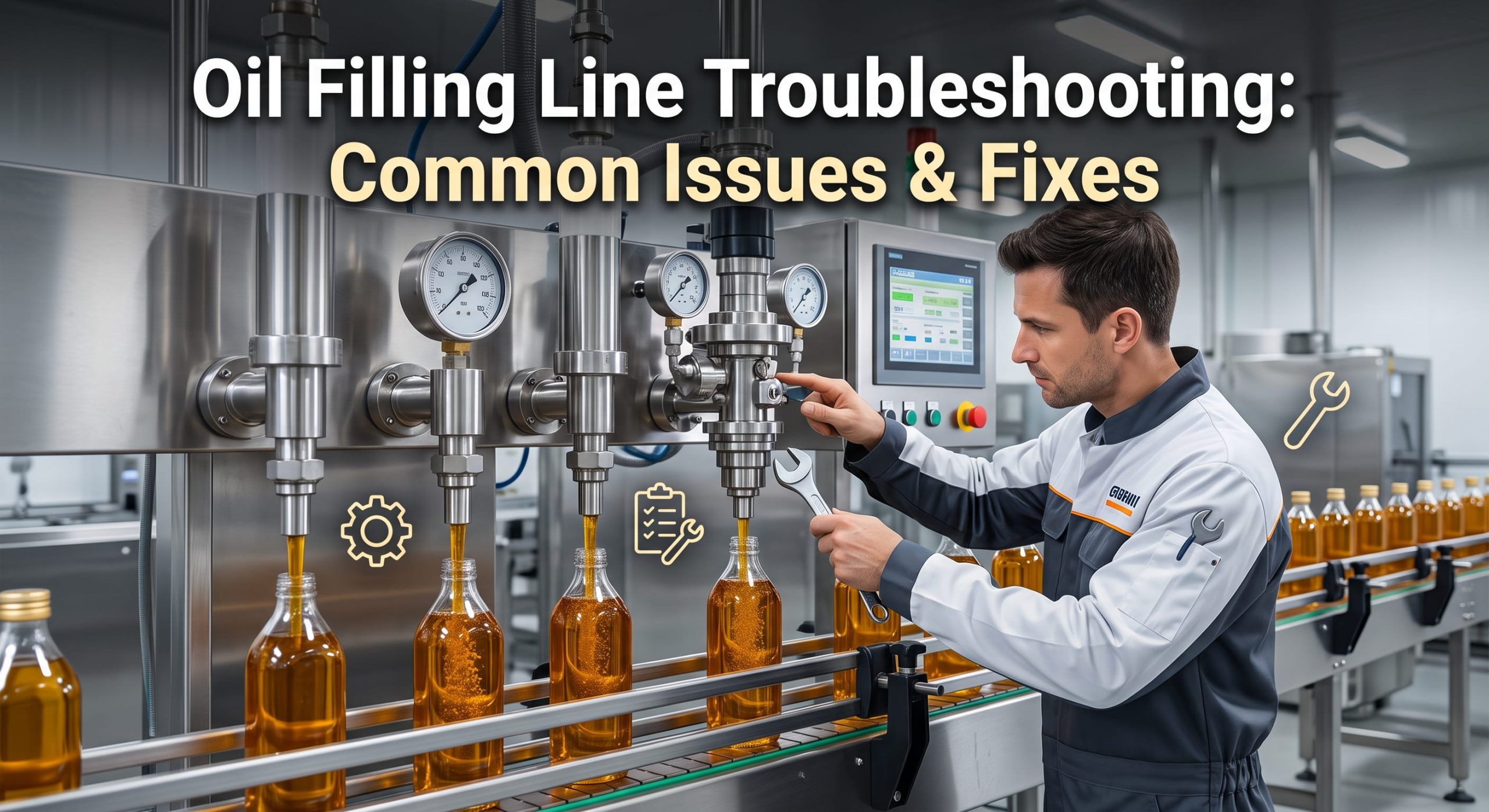
تعد الصيانة الدورية أمراً بالغ الأهمية لطول عمر وأداء آلات التعبئة المخصصة. يجب على الشركات مراعاة التكاليف المرتبطة بالصيانة الروتينية، والإصلاحات، وأي استبدال مطلوب للأجزاء. يمكن لخدمة دعم موثوقة من الشركة المصنعة أن توفر للشركات الوقت والمال على المدى الطويل.
التأثير على التجارة الدولية
تلعب آلات التعبئة المخصصة دوراً مهماً في تمكين الشركات من الازدهار في مجال التجارة الدولية. وإليك الطريقة:
1. تلبية المعايير العالمية
لدخول الأسواق الدولية، يجب على الشركات الامتثال للوائح المختلفة المتعلقة بالتعبئة والتغليف ووضع الملصقات. تساعد آلات التعبئة المخصصة المصممة للامتثال الشركات على تلبية هذه المعايير، مما يعزز قدرتها التنافسية على نطاق عالمي.
2. كفاءة التصدير
تؤدي حلول التعبئة الفعالة إلى تصدير منتجات ذات جودة أعلى، مما قد يؤدي إلى فرص تجارية أكثر أهمية. وبالتالي، يمكن لآلات التعبئة المخصصة التي تعزز الكفاءة والموثوقية أن تدعم الشركات في توسيع نطاق تواجدها الدولي.
3. التخصيص للأسواق المحلية
قد يكون للمناطق المختلفة متطلبات فريدة للتعبئة والتغليف. يمكن تكييف آلات التعبئة المخصصة لتلبية التفضيلات واللوائح المحلية، مما يسمح للشركات بتصميم منتجاتها لتناسب أسواقاً محددة بفعالية.
الخلاصة
تعد آلات التعبئة المخصصة حجر الزاوية في مشهد التصنيع والتعبئة الحديث، حيث توفر مزايا كبيرة من حيث الكفاءة والدقة والامتثال التنظيمي. ومن خلال الفهم الشامل لأنواع هذه الآلات وفوائدها ومعايير اختيارها، يمكن للشركات اتخاذ قرارات مستنيرة تعزز قدراتها الإنتاجية وتدفع عجلة النمو. ومع توسع فرص العولمة، يمكن أن يصبح الاستفادة من آلات التعبئة المخصصة استراتيجية حيوية للنجاح في ساحة التجارة الدولية.