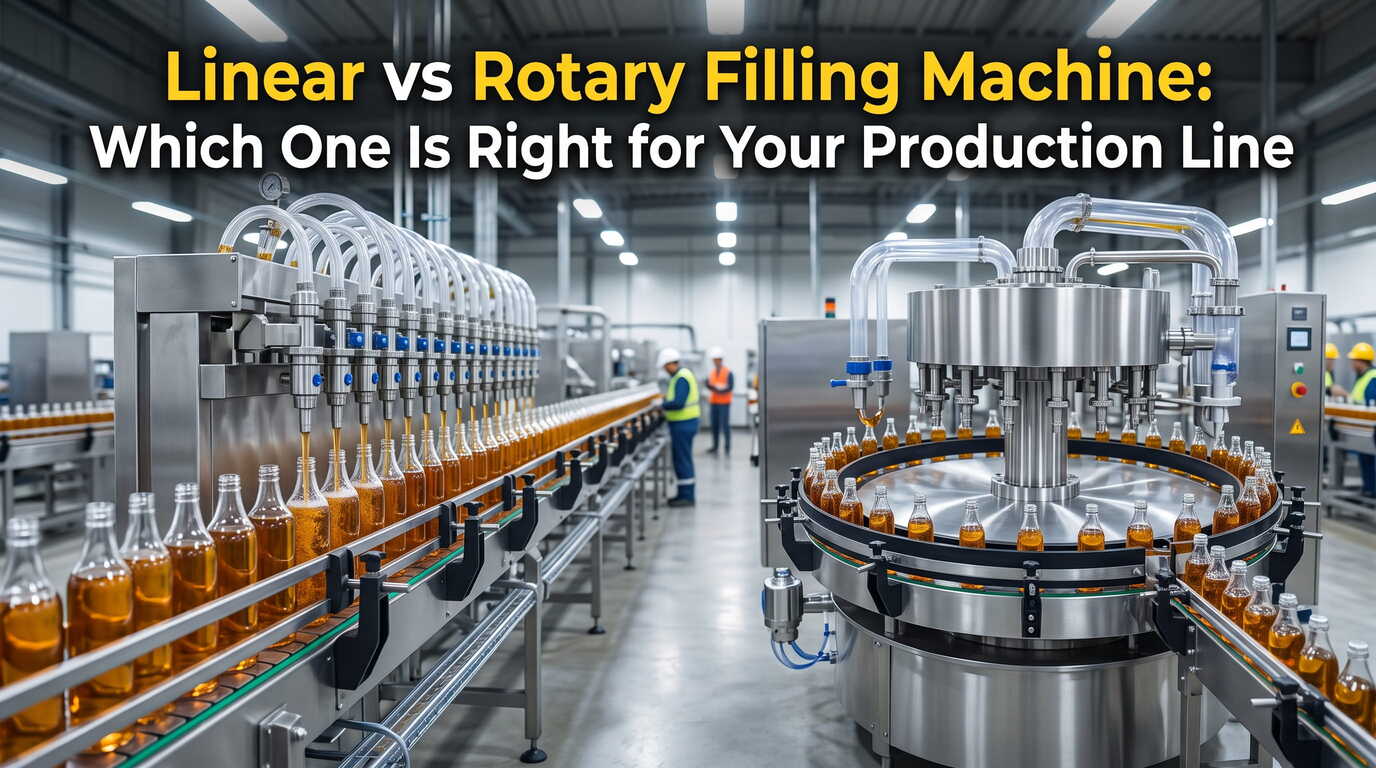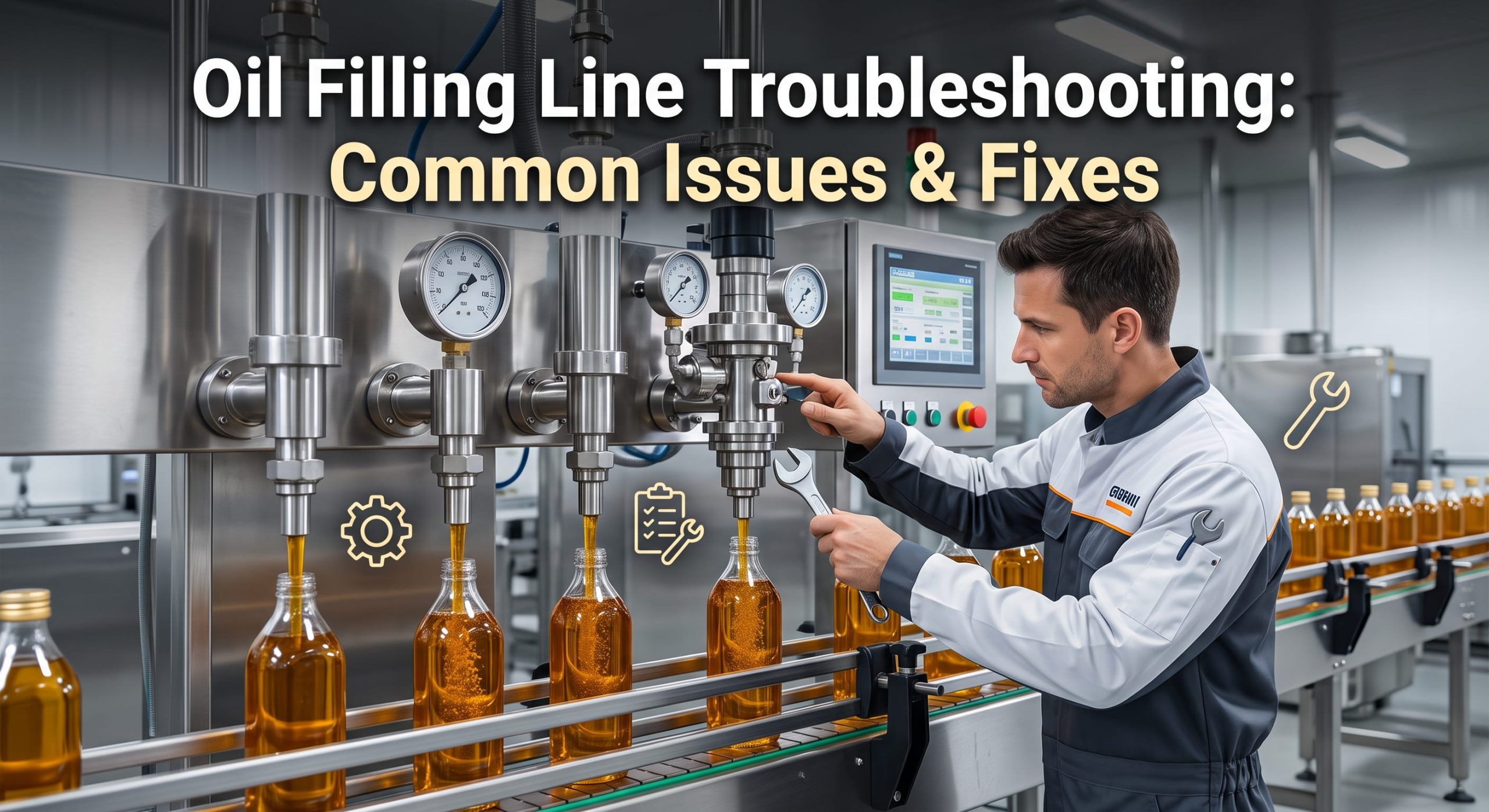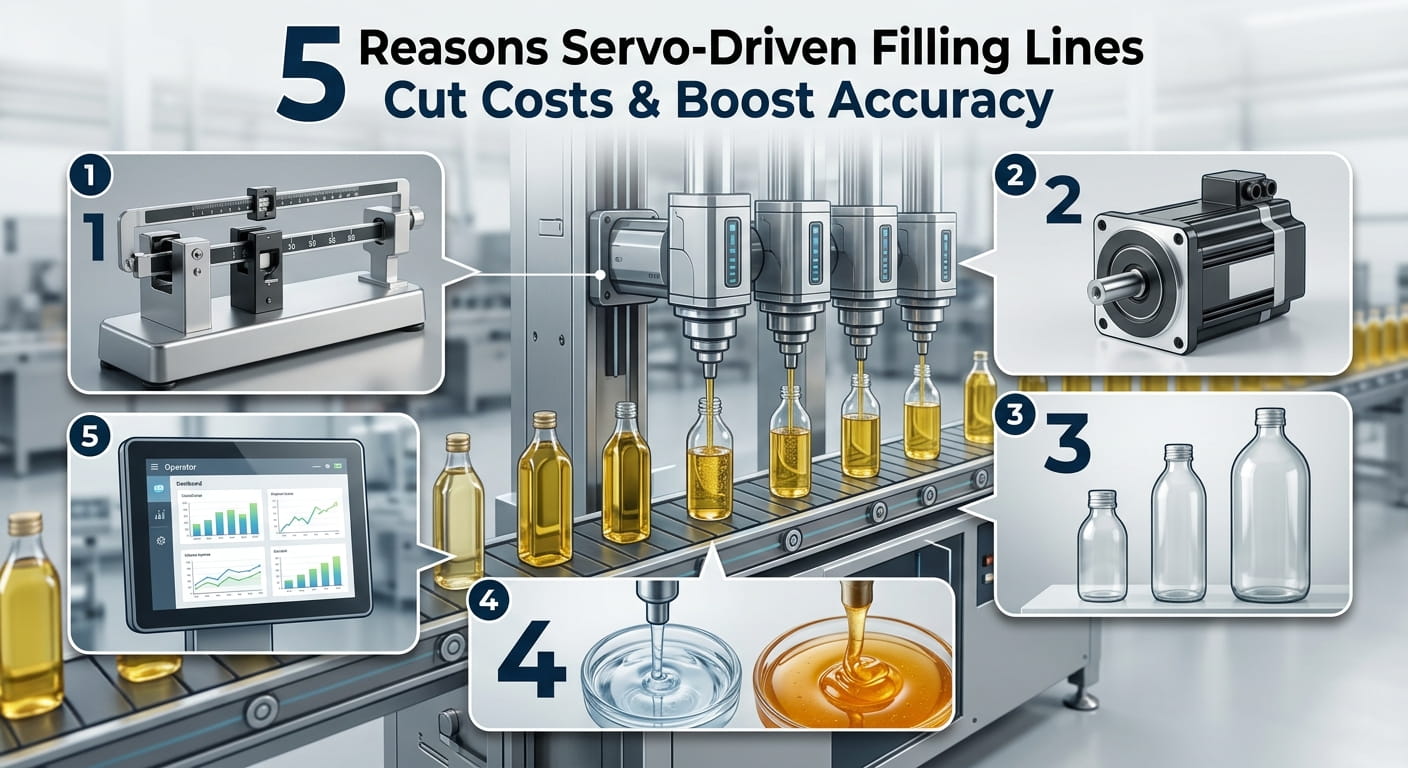
أصبحت المشروبات الغازية عنصراً أساسياً في سوق المشروبات، حيث تجذب قوامها الفوار ومذاقها المنعش المستهلكين في جميع أنحاء العالم. يتطلب إنتاج هذه المشروبات معدات متخصصة، وتحديداً آلات تعبئة المشروبات الغازية. تهدف هذه المقالة إلى تقديم رؤية مفصلة حول هذه الآلات، مع تسليط الضوء على أهميتها، ومكوناتها، وآليات تشغيلها، ونصائح صيانتها، وأحدث الاتجاهات في هذا القطاع.
أهمية آلات تعبئة المشروبات الغازية
تلعب آلات التعبئة دوراً حاسماً في إنتاج المشروبات، وخاصة المشروبات الغازية. وكجزء من عملية التعبئة والتغليف، تم تصميم هذه الآلات لملء الحاويات - مثل الزجاجات أو العلب - بالسائل مع الحفاظ على كربنة المشروب وجودته. تؤثر كفاءة آلات التعبئة بشكل مباشر على معدلات الإنتاج، ومراقبة الجودة، والتكاليف التشغيلية الإجمالية.
تعمل آلة تعبئة المشروبات الغازية التي تعمل بشكل صحيح على تعزيز سلامة المنتج وإطالة مدة صلاحيته من خلال تقليل الأكسدة والتلوث. علاوة على ذلك، فإن أتمتة عملية التعبئة تقلل من تكاليف العمالة والخطأ البشري، مما يخلق خط إنتاج أكثر انسيابية.
المكونات الرئيسية لآلات تعبئة المشروبات الغازية
يعد فهم مكونات هذه الآلات أمراً ضرورياً للتشغيل والصيانة الفعالة. فيما يلي العناصر الأساسية الموجودة في آلات تعبئة المشروبات الغازية:
1. رؤوس التعبئة
رؤوس التعبئة مسؤولة عن توزيع المشروب الغازي في الحاويات. وهي تستخدم طرق تعبئة متنوعة - الجاذبية، أو الضغط، أو التدفق الزائد - اعتماداً على تصميم الآلة ووظائفها.
2. نظام الكربنة
يقوم نظام الكربنة بضخ غاز ثاني أكسيد الكربون في السائل قبل التعبئة. يضمن هذا النظام احتفاظ المشروب بفقاعاته ونكهته طوال عملية التعبئة.
3. نظام النقل
يقوم هذا النظام بنقل الحاويات من محطة إلى أخرى أثناء عملية الإنتاج. وهو يتكامل مع آلة التعبئة، مما يضمن حركة سلسة وفعالة للزجاجات أو العلب.
4. لوحة التحكم
لوحة التحكم هي المركز العصبي لآلة التعبئة. فهي تتيح للمشغلين ضبط المعلمات، ومراقبة الأداء، واستكشاف المشكلات وإصلاحها في الوقت الفعلي. غالباً ما تتميز الأنظمة الحديثة بواجهات تعمل باللمس لتسهيل الاستخدام.
5. ميزات السلامة
السلامة أمر بالغ الأهمية في صناعة المشروبات. تم تجهيز آلات التعبئة بميزات مثل أزرار التوقف في حالات الطوارئ، وحواجز السلامة، وأجهزة الإنذار لحماية المشغلين وضمان سلامة المنتج.
كيف تعمل آلات تعبئة المشروبات الغازية
يمكن تقسيم تشغيل آلات تعبئة المشروبات الغازية إلى عدة خطوات حاسمة:
1. تحضير المشروب
قبل التعبئة، يجب أن يكون المشروب مكربناً بشكل كافٍ. يتضمن ذلك تبريد السائل وضخ ثاني أكسيد الكربون تحت ظروف محكومة لتحقيق المستوى المطلوب من الفوران.
2. إغلاق الحاويات
عادة ما يتم تنظيف الحاويات وتعقيمها قبل التعبئة. غالباً ما تستخدم الأنظمة الأوتوماتيكية محطات شطف للتعامل مع عملية التنظيف بكفاءة.
3. عملية التعبئة
بمجرد التحضير، يتم وضع الحاويات تحت رؤوس التعبئة. اعتماداً على نوع الآلة، قد تتضمن عملية التعبئة إما التعبئة بالضغط أو التعبئة بالجاذبية. في التعبئة بالضغط، يطلق رأس التعبئة المشروب مباشرة في الحاوية، بينما تعتمد التعبئة بالجاذبية على قوة الجاذبية لتوزيع السائل.
4. الإغلاق والختم
بعد التعبئة، يجب إغلاق الحاويات بإحكام للحفاظ على النضارة والكربنة. عادة ما تكون هذه العملية مؤتمتة ومدمجة في آلة التعبئة.
5. مراقبة الجودة
تعد فحوصات الجودة المستمرة أمراً حيوياً. تدمج العديد من الآلات أجهزة استشعار لمراقبة مستويات التعبئة، ومستويات الكربنة، واكتشاف أي تسريبات أو خلل في الوقت الفعلي.
نصائح صيانة آلات تعبئة المشروبات الغازية
مثل أي آلة، تعد الصيانة الدورية ضرورية لإطالة عمر آلات تعبئة المشروبات الغازية وضمان الأداء الأمثل. فيما يلي بعض نصائح الصيانة العملية:
1. التنظيف الدوري
التعقيم أمر بالغ الأهمية في صناعة المشروبات. تأكد من تنظيف وتعقيم جميع الأجزاء الملامسة للمشروب بانتظام لمنع التلوث.
2. عمليات الفحص الروتينية
قم بإجراء عمليات فحص دورية لجميع المكونات، بما في ذلك رؤوس التعبئة، والحشيات، والأختام. تحقق من وجود تآكل، واستبدل الأجزاء التالفة على الفور لتجنب اضطرابات التشغيل.
3. التشحيم
التزييت المناسب للأجزاء المتحركة ضروري للتشغيل السلس. اتبع إرشادات الشركة المصنعة فيما يتعلق بتكرار وطرق التزييت.
4. المعايرة
قم بمعايرة آلة التعبئة بشكل دوري لضمان دقة أحجام التعبئة والحفاظ على جودة المنتج. هذا مهم بشكل خاص لأنظمة التعبئة الحساسة للضغط.
5. تدريب المشغلين
استثمر في تدريب شامل للمشغلين. يمكن للموظفين المطلعين تقليل احتمالية حدوث أخطاء أثناء التشغيل بشكل كبير، مما قد يؤدي إلى هدر الإنتاج أو تعطل المعدات.
الاتجاهات الناشئة في صناعة تعبئة المشروبات الغازية
مع تطور تفضيلات المستهلك والتكنولوجيا، تتطور أيضاً صناعة المشروبات الغازية. فيما يلي بعض الاتجاهات البارزة التي تؤثر على آلات التعبئة:
1. مبادرات الاستدامة
مع تزايد المخاوف البيئية، يهدف العديد من المصنعين إلى تقليل بصمتهم الكربونية. ويشمل ذلك استخدام مواد قابلة لإعادة التدوير وتنفيذ تقنيات موفرة للطاقة في آلات التعبئة الخاصة بهم.
2. الأتمتة الذكية
تعمل التطورات في التكنولوجيا الذكية على تغيير خطوط الإنتاج. تسمح الآلات المجهزة بقدرات إنترنت الأشياء (IoT) بالمراقبة عن بُعد والصيانة التنبؤية، مما يعزز الكفاءة ويقلل من وقت التوقف عن العمل.
3. خيارات التخصيص
يتزايد طلب المستهلكين على المشروبات المخصصة. توفر آلات التعبئة الآن قدرات تخصيص، مما يتيح للمنتجين ابتكار تركيبات مشروبات فريدة تلبي التفضيلات المتنوعة.
4. دمج مواد جديدة
يؤدي إدخال مواد تغليف بديلة، مثل البلاستيك القابل للتحلل والحاويات النباتية، إلى تشكيل عملية التعبئة. تتطور الآلات لاستيعاب هذه المواد مع الحفاظ على معايير الأداء.
5. خيارات تراعي الصحة
يؤثر التوجه نحو مشروبات أكثر صحة، بما في ذلك المشروبات الغازية منخفضة السعرات الحرارية والمُنكهة طبيعياً، على متطلبات الآلات. ويعمل المصنعون على تكييف عمليات التعبئة لديهم لضمان سلامة المنتج والامتثال للوائح الصحية.
الخلاصة
لا يمكن المبالغة في أهمية آلات تعبئة المشروبات الغازية؛ فهي تمثل مكونات حيوية في عملية الإنتاج، حيث تضمن تعبئة المشروبات بدقة وأمان وكفاءة. ومن خلال الصيانة المناسبة والممارسات التشغيلية السليمة ومواكبة الاتجاهات الناشئة، يمكن للمصنعين تحسين قدراتهم الإنتاجية مع تلبية متطلبات المستهلكين المتغيرة.
إن الاستثمار في أحدث آلات ومعدات التعبئة يمكن أن يعزز جودة المشروبات الغازية، مما يضمن رضا العملاء وولاءهم في سوق تنافسية. ويعد فهم آليات عمل هذه الآلات ودورها في عملية الإنتاج أمراً ضرورياً لأي مؤسسة تهدف إلى النجاح في صناعة المشروبات.