
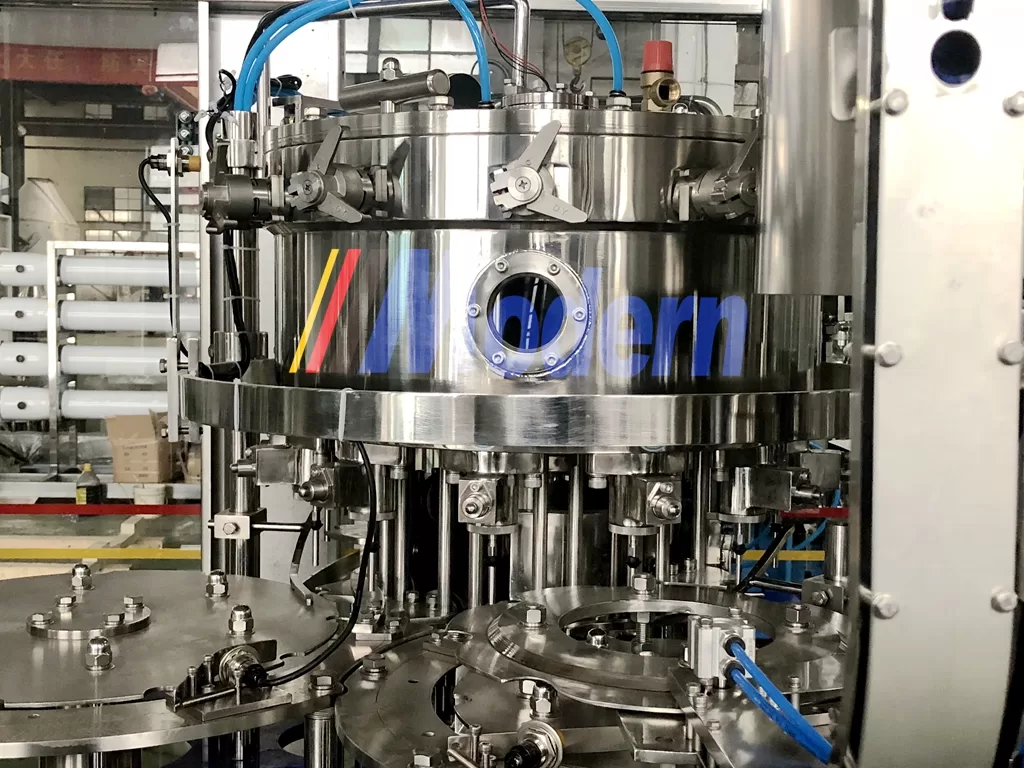
شهدت صناعة المشروبات نمواً وابتكاراً ملحوظين على مدى العقود القليلة الماضية. ومن بين اللاعبين الرئيسيين في هذا القطاع الشركات المصنعة لآلات تعبئة المشروبات الغازية، التي تلعب دوراً حاسماً في عمليات إنتاج وتعبئة المشروبات الغازية والمياه الفوارة وغيرها من المشروبات الفوارة. إن الآلات المستخدمة في هذه التطبيقات معقدة، وتتضمن تقنيات متقدمة لضمان الكفاءة والجودة والسلامة. تهدف هذه المقالة إلى التعمق في العوامل التي تجعل آلات تعبئة المشروبات الغازية ضرورية، وعمليات التصنيع المعنية، والميزات الرئيسية التي يجب مراعاتها عند اختيار آلة، ورؤى للتنقل بفعالية في هذا القطاع.
أهمية آلات تعبئة المشروبات الغازية
تعتبر آلات تعبئة المشروبات الغازية محورية في ضمان تعبئة المشروبات بكفاءة وبالمستوى المناسب من الجودة. فهي لا تساهم فقط في الكفاءة التشغيلية، بل أيضاً في سلامة المنتج واستقراره على الرف. تم تصميم هذه الآلات للتعامل مع التحديات الفريدة التي تفرضها المشروبات الغازية، بما في ذلك إدارة الضغط والحفاظ على مستويات الكربنة.
في جوهرها، تساعد آلات التعبئة في أتمتة عملية التعبئة، مما يقلل من التدخل البشري ويقلل من خطر التلوث. تؤدي هذه الأتمتة إلى معدلات إنتاج أعلى واتساق أفضل في التعبئة، وهو أمر بالغ الأهمية لتلبية متطلبات السوق ورضا العملاء.
الوظائف الأساسية لآلات تعبئة المشروبات الغازية
في قلب تشغيل كل آلة تعبئة توجد عدة وظائف رئيسية يجب تنفيذها بسلاسة:
1. تنظيف الزجاجات
قبل التعبئة، يجب تنظيف الزجاجات جيداً لإزالة أي غبار أو أتربة أو ملوثات. تدمج العديد من الآلات الحديثة آليات تنظيف تستخدم نفاثات الهواء أو الماء، مما يضمن بيئة معقمة.
2. عملية التعبئة
تتطلب التعبئة الفعلية للمشروبات الغازية تحكماً دقيقاً في معدلات التدفق والحجم. يمكن للآلات استخدام طرق الجاذبية أو الضغط أو التفريغ لملء الحاويات بسرعة وبدقة، مما يلبي مستويات الكربنة المختلفة ولزوجة المشروبات.
3. الإغلاق والختم
تم تصميم أنظمة الإغلاق لتأمين الأغطية بفعالية ويمكنها استيعاب أنواع مختلفة من الأغطية، من الأغطية اللولبية القياسية إلى التصميمات الأكثر تخصصاً. يعد الإغلاق المحكم ضرورياً للحفاظ على الكربنة والنضارة.
اعتبارات رئيسية عند اختيار الشركة المصنعة
يعد اختيار الشركة المصنعة المناسبة لآلات تعبئة المشروبات الغازية أمراً بالغ الأهمية لنجاح خط إنتاج المشروبات. فيما يلي العديد من العوامل التي يجب مراعاتها:
1. الخبرة والتخصص
يفضل عادةً التعامل مع شركة مصنعة لها حضور طويل الأمد في الصناعة. تشير الخبرة إلى أن الشركة المصنعة قد طورت تقنياتها وعملياتها، مما قد يؤدي إلى أداء وموثوقية أفضل للآلة.
2. التكنولوجيا والابتكار
ابحث عن الشركات المصنعة التي تستثمر في البحث والتطوير. يمكن للتكنولوجيا المتطورة أن تعزز الإنتاجية وتقلل من استهلاك الطاقة، وهو أمر يزداد أهمية في بيئة تعتبر فيها الاستدامة أولوية.
3. قدرات التخصيص
كل منتج مشروب فريد من نوعه، ويتطلب حلول تعبئة محددة. إن الشركة المصنعة المرنة التي يمكنها تلبية طلبات التخصيص لا تقدر بثمن. ويشمل ذلك تكييف الآلات لأحجام وأشكال زجاجات وتقنيات تعبئة مختلفة.
4. دعم ما بعد البيع
يجب أن يكون دعم ما بعد البيع، بما في ذلك التركيب والتدريب والصيانة، عاملاً حاسماً مهماً. يمكن لخدمة العملاء الموثوقة أن تمنع فترات التوقف المكلفة وتضمن عمل الآلات بأقصى كفاءة.
التقنيات الشائعة في آلات تعبئة المشروبات الغازية
تستخدم آلات تعبئة المشروبات الغازية تقنيات متنوعة لتحقيق الكفاءة والدقة. يمكن أن يساعد فهم هذه التقنيات الشركات المصنعة في اتخاذ قرارات مستنيرة:
1. التعبئة بالضغط المعاكس
تستخدم هذه الطريقة الضغط لملء الزجاجات، مما يسمح بالاحتفاظ العالي بالكربنة. يتم ضغط الزجاجة قبل التعبئة، مما يمنع فقدان الكربنة ويضمن تقليل الرغوة.
2. التعبئة بالجاذبية
تستخدم على نطاق واسع للمشروبات غير الغازية، وتعتمد التعبئة بالجاذبية على قوة الجاذبية لملء الحاويات. قد تكون أقل فعالية للمشروبات الغازية بسبب الرغوة المحتملة، لكن التطورات حسنت من تطبيقها في هذا المجال.
3. التعبئة بالتفريغ (الفراغ)
تتضمن هذه الطريقة خلق فراغ داخل الزجاجة قبل التعبئة. مع إزالة الهواء، يتم سحب السائل إلى الزجاجة، مما يسمح بأقل قدر من التلامس مع الغلاف الجوي والحفاظ على الكربنة.
اعتبارات الاستثمار
يتطلب الاستثمار في آلات تعبئة المشروبات الغازية دراسة مالية دقيقة. فيما يلي استراتيجيات عملية:
1. فعالية التكلفة
قم بتقييم التكلفة الإجمالية للملكية، والتي تشمل الشراء الأولي، وتكاليف التشغيل، والصيانة، والإصلاحات على مدار عمر الآلة. قد يؤدي الاستثمار الأولي الأعلى إلى تكاليف طويلة الأجل أقل من خلال تحسينات الكفاءة.
2. القدرة الإنتاجية
قم بتقييم احتياجات الإنتاج الحالية والمتوقعة. اختر آلة لا تلبي المتطلبات الحالية فحسب، بل لديها أيضاً القدرة على التوسع لاستيعاب النمو المستقبلي.
3. خيارات التمويل
استكشف نماذج التمويل المختلفة التي تقدمها الشركات المصنعة مثل التأجير أو القروض أو الدفع بالتقسيط. يمكن لهذه الخيارات أن تجعل الحصول على آلات متقدمة أكثر سهولة من الناحية المالية.
مستقبل تكنولوجيا تعبئة المشروبات الغازية
تتطور صناعة المشروبات بسرعة، مدفوعة باتجاهات المستهلكين والتقدم التكنولوجي. تركز الشركات المصنعة بشكل متزايد على الممارسات المستدامة، مما يستلزم ابتكارات في تكنولوجيا التعبئة:
1. الاستدامة والحلول الصديقة للبيئة
هناك طلب متزايد على الآلات التي تدعم الممارسات الصديقة للبيئة، من تقليل نفايات المواد إلى العمليات الموفرة للطاقة. توقع أن تعطي الآلات المستقبلية الأولوية للاستدامة، باستخدام مواد معاد تدويرها في التعبئة وتقليل استهلاك الطاقة أثناء العمليات.
2. التكنولوجيا الذكية والأتمتة
يمكن أن يؤدي دمج تكنولوجيا إنترنت الأشياء (IoT) داخل آلات التعبئة إلى عمليات إنتاج أكثر ذكاءً. يمكن لمراقبة البيانات في الوقت الفعلي تحسين الأداء، والتنبؤ باحتياجات الصيانة، وتقليل فترات التوقف، مما يعزز في النهاية الكفاءة التشغيلية.
الخلاصة
يعد اختيار الشركات المصنعة لآلات تعبئة المشروبات الغازية خطوة حاسمة في إنشاء خط إنتاج ناجح. إن فهم أهمية هذه الآلات، والتقنيات المتاحة، والاعتبارات الرئيسية للمصنعين، ومستقبل تكنولوجيا التعبئة سيمكن الشركات من اتخاذ قرارات مستنيرة.
بينما تتنقل في هذا القطاع المعقد والمجزٍ في آن واحد، فإن وضع هذه الرؤى في الاعتبار يمكن أن يؤثر بشكل كبير على كفاءتك التشغيلية، وإدارة التكاليف، وجودة الإنتاج الإجمالية. من خلال التحالف مع شركة مصنعة مرموقة، فإنك تضع عملك في مكانة متميزة في سوق المشروبات التنافسي.


