
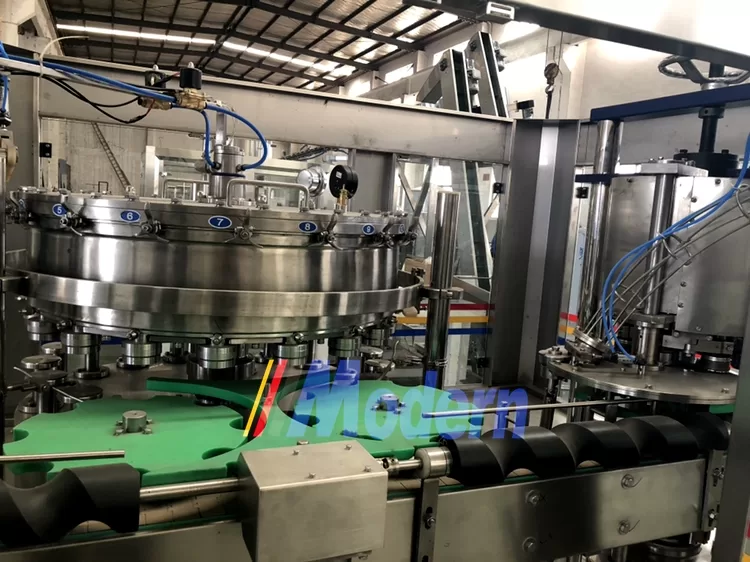
في عالم المشروبات الذي يشهد توسعاً مستمراً، احتلت المشروبات الغازية مكانة بارزة بفضل فوارها وتنوع نكهاتها وجاذبيتها الكبيرة لدى المستهلكين. ومع استمرار ارتفاع الطلب عالمياً، زاد التركيز على كفاءة الإنتاج، مما أدى إلى تطورات في تقنيات خطوط التعبئة. سيتناول هذا المقال خطوط تعبئة المشروبات الغازية، مستعرضاً مكوناتها، وعملياتها التشغيلية، والتحديات التي تواجهها، والاتجاهات المستقبلية. يهدف هذا الدليل، الموجه للمصنعين والمعنيين في القطاع، إلى تقديم رؤى قيمة لتعزيز الإنتاجية والابتكار.
أساسيات خطوط تعبئة المشروبات الغازية
خطوط تعبئة المشروبات الغازية هي أنظمة معقدة مصممة لتعبئة المشروبات وإغلاقها وتغليفها بكفاءة تحت ظروف محكومة. تشمل هذه الخطوط عدة مراحل، لكل منها آلات وتقنيات متميزة ضرورية للحفاظ على جودة المنتج وضمان الكفاءة التشغيلية. تتضمن العمليات الأساسية داخل خط التعبئة عادةً الغسيل، والتعبئة، والإغلاق، ووضع الملصقات، والتغليف. يعد فهم هذه المراحل أمراً بالغ الأهمية لتحسين العمليات وضمان جودة المنتج.
1. الغسيل والتحضير
تبدأ عملية التعبئة بتحضير الزجاجات الفارغة. قبل التعبئة، يجب أن تخضع الزجاجات لعملية تنظيف صارمة لإزالة أي ملوثات. يتم تحقيق ذلك عادةً من خلال غسالات زجاجات آلية تستخدم نفاثات مياه عالية الضغط، وفي بعض الحالات، المنظفات. تضمن هذه الخطوة خلو المنتج النهائي من أي مواد غريبة قد تؤثر على الطعم أو الصحة.
بالإضافة إلى ذلك، يجب مراعاة الاعتبارات البيئية خلال هذه المرحلة. إن تطبيق حلول تنظيف صديقة للبيئة وتقليل استخدام المياه يمكن أن يؤثر بشكل إيجابي على أهداف الاستدامة للشركة ويقلل من التكاليف التشغيلية.
2. عملية التعبئة
تعد تعبئة المشروبات الغازية عملية دقيقة تتطلب دقة لتحقيق التوازن الصحيح بين الكربنة وحجم السائل. تستخدم خطوط التعبئة الحديثة تقنيات متعددة للتعبئة، بما في ذلك حشوات الحجم التي تقيس وتوزع حجماً معيناً من السائل، وحشوات الضغط التي تسمح بالتعبئة الفعالة للمشروبات الغازية من خلال الحفاظ على الضغط للاحتفاظ بالكربنة أثناء الانتقال من آلة التعبئة إلى الزجاجة.
من الضروري للمصنعين معايرة آلات التعبئة بانتظام للحفاظ على مستويات تعبئة ثابتة وتجنب الهدر. علاوة على ذلك، يمكن أن يساعد إعداد نظام مراقبة في تتبع دقة التعبئة، وهو أمر مفيد للامتثال للوائح الصناعة وتعزيز رضا العملاء.
3. آلية الإغلاق
بمجرد تعبئة الزجاجات، تبدأ مرحلة الإغلاق. هذه العملية حاسمة لمنع فقدان الكربنة وضمان العمر الافتراضي للمنتج. يمكن أن يختلف اختيار الغطاء وتقنية الإغلاق بناءً على نوع المشروب وتصميم الغطاء وسرعة الإنتاج. تشمل طرق الإغلاق الشائعة الإغلاق اللولبي، والإغلاق بالتاج، والملصقات الحساسة للضغط.
لتعزيز الكفاءة التشغيلية للإغلاق، يمكن للمصنعين استكشاف أنظمة وضع الأغطية وإغلاقها الآلية. تعد الصيانة الدورية لآلات الإغلاق ضرورية لتجنب مشكلات مثل وضع الغطاء بشكل غير صحيح أو الإغلاق غير المتسق، مما قد يؤدي إلى تلف المنتج أو عدم رضا المستهلك.
4. وضع الملصقات والتغليف
بمجرد إغلاق الزجاجات، تنتقل إلى قسم وضع الملصقات. لا تخدم الملصقات أغراض العلامة التجارية فحسب، بل توفر أيضاً معلومات أساسية حول المشروب، بما في ذلك المكونات، والمعلومات الغذائية، وتواريخ انتهاء الصلاحية. ظهرت أنظمة وضع ملصقات متقدمة تسمح بالتطبيق عالي السرعة، مما يضمن بقاء خط الإنتاج فعالاً.
أخيراً، بعد وضع الملصقات، يتم تغليف زجاجات المشروبات للتوزيع. قد تشمل هذه المرحلة تجميع الزجاجات في كرتون أو تغليفها بغشاء انكماشي. لا يحمي التغليف المنتج أثناء النقل فحسب، بل يؤثر أيضاً على قرارات الشراء لدى المستهلك. لذلك، يجب على الشركات الاستثمار في حلول تغليف جذابة ومستدامة تتماشى مع صورة علامتها التجارية وتجذب المستهلكين المهتمين بالبيئة.
التحديات في تعبئة المشروبات الغازية
على الرغم من التقدم التكنولوجي، لا تزال هناك العديد من التحديات التي تواجه المصنعين في صناعة المشروبات الغازية. تشمل بعض أبرز القضايا ما يلي:
1. مراقبة الجودة
الحفاظ على جودة المنتج أمر بالغ الأهمية. يمكن أن تؤدي التقلبات في مستويات الكربنة، ومخاطر التلوث، والاختلافات في مستويات التعبئة إلى تقويض سلامة المنتج. يعد إنشاء نظام قوي لمراقبة الجودة أمراً حيوياً، بما في ذلك الاختبار الروتيني لمستويات الكربنة والمراقبة الدقيقة لمعدات الإنتاج لاكتشاف الانحرافات عن ظروف التشغيل القياسية.
2. الكفاءة التشغيلية
مع ارتفاع الطلب، يجب أن تعمل خطوط التعبئة بأقصى كفاءة؛ ومع ذلك، تشكل أعطال المعدات ووقت التوقف تحديات كبيرة. يمكن أن يساعد تنفيذ استراتيجيات الصيانة التنبؤية في تقليل الانقطاعات غير المخطط لها، مما يسمح للمصنعين بجدولة الصيانة خلال ساعات خارج أوقات الذروة، وبالتالي زيادة استخدام المنشأة إلى أقصى حد.
3. الامتثال التنظيمي
تخضع صناعة المشروبات للوائح صارمة، مما يؤثر على عمليات الإنتاج ومتطلبات وضع الملصقات. يعد البقاء على اطلاع بالمشهد القانوني أمراً بالغ الأهمية للامتثال. يمكن أن يساعد التعامل مع الخبراء القانونيين أو مسؤولي الامتثال المنتجين على التعامل مع هذه التعقيدات بفعالية.
الاتجاهات المستقبلية في تكنولوجيا خطوط التعبئة
تتطور صناعة المشروبات الغازية باستمرار، متأثرة بالتقدم التكنولوجي وتغير تفضيلات المستهلكين. إليك بعض الاتجاهات الناشئة التي يجب مراقبتها:
1. الأتمتة والتكنولوجيا الذكية
مع تقدم التكنولوجيا، أصبحت الأتمتة أكثر انتشاراً عبر خطوط التعبئة. يجب على الشركات التفكير في دمج أجهزة الاستشعار الذكية وأجهزة إنترنت الأشياء (IoT) لمراقبة عمليات الإنتاج في الوقت الفعلي. يمكن لهذه الابتكارات تعزيز الإنتاجية، وتقليل الهدر، وتوفير بيانات قيمة لاتخاذ القرار.
2. الممارسات المستدامة
مع زيادة تركيز المستهلكين على الاستدامة، يجب على المصنعين تبني ممارسات صديقة للبيئة طوال عملية التعبئة. ويشمل ذلك استخدام مواد قابلة لإعادة التدوير، وتقليل استخدام المياه، وتحسين كفاءة الطاقة. يمكن للشركات ذات الالتزام القوي بالاستدامة جذب المستهلكين المهتمين بالبيئة، مما يعزز ولاء العلامة التجارية.
3. التخصيص والمرونة
يتزايد الطلب على منتجات المشروبات المخصصة، مما يدفع المصنعين إلى الاستثمار في خطوط تعبئة أكثر مرونة. إن القدرة على تغيير إعدادات الإنتاج بسرعة لاستيعاب أحجام أو أشكال أو تركيبات زجاجات مختلفة يمكن أن تعزز بشكل كبير من قدرة الشركة على التكيف مع السوق وتلبية تفضيلات المستهلكين المتغيرة.
الخلاصة
لا يمكن المبالغة في أهمية خطوط تعبئة المشروبات الغازية الفعالة؛ فهي أساسية لتلبية طلب المستهلكين مع ضمان جودة المنتج. من خلال فهم العمليات التشغيلية الرئيسية، ومعالجة التحديات المرتبطة بها، وتبني الاتجاهات المستقبلية، يمكن للمصنعين تعزيز إنتاجيتهم والحفاظ على ميزة تنافسية في سوق المشروبات الديناميكي. إن تنفيذ ممارسات تشغيلية قوية والاستثمار في التكنولوجيا مع إعطاء الأولوية للاستدامة سيمكن الشركات من الازدهار في صناعة دائمة التطور وتلبية المتطلبات المتنوعة للمستهلكين في جميع أنحاء العالم.


