
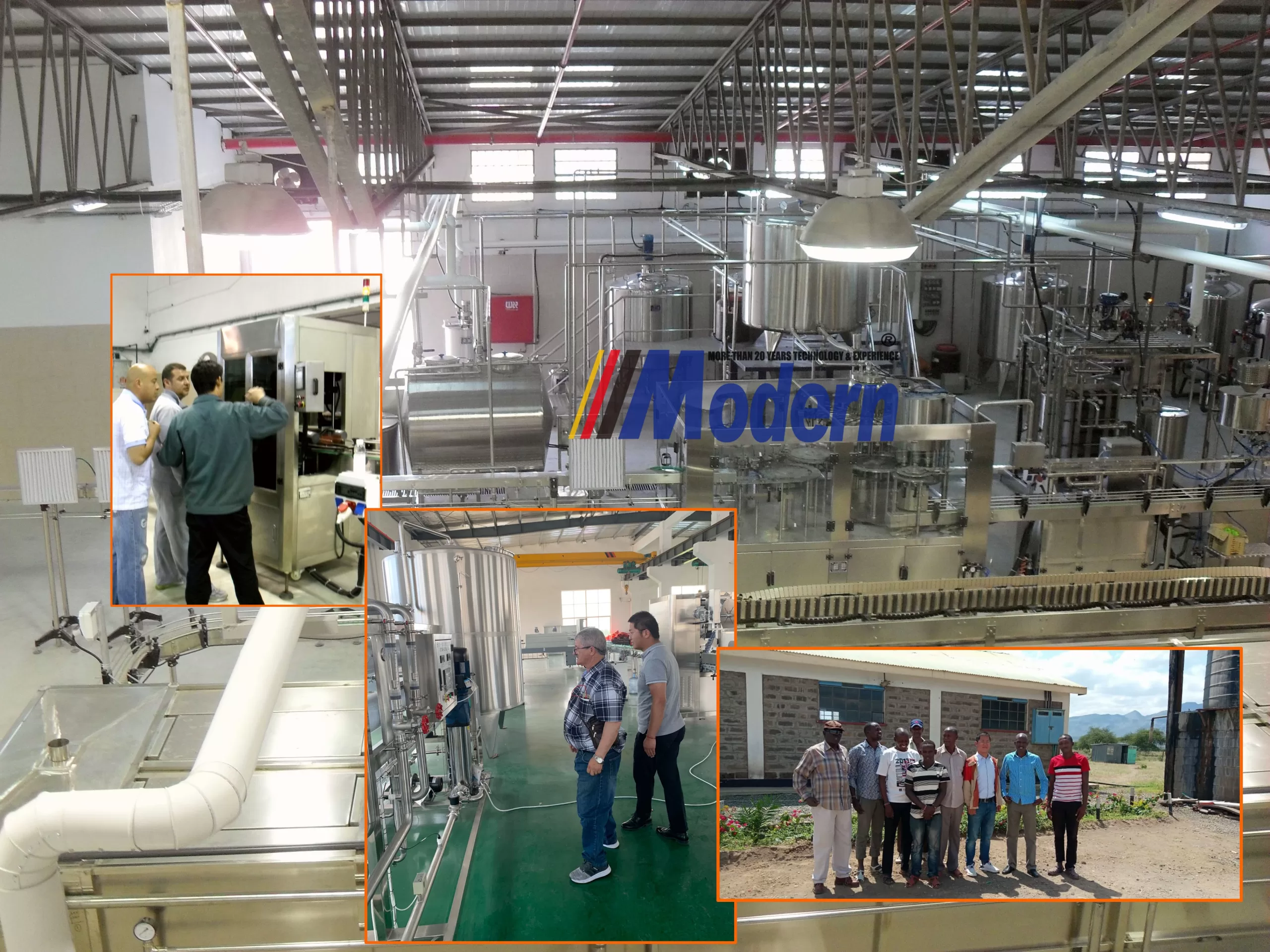
مع استمرار تزايد الطلب العالمي على المشروبات الغازية، أصبح فهم تعقيدات معدات تعبئة المشروبات الغازية أمراً بالغ الأهمية للشركات العاملة في مجال التجارة الخارجية. تهدف هذه المقالة إلى تقديم نظرة شاملة حول أنواع المعدات المتاحة، وتطبيقاتها، والاعتبارات العملية للشركات التي تتطلع إلى الاستثمار في حلول التعبئة. وبنهاية هذا الدليل، ستكتسب رؤى قيمة للتنقل في المشهد المعقد لتعبئة المشروبات الغازية.
أهمية معدات تعبئة المشروبات الغازية
تلعب معدات تعبئة المشروبات الغازية دوراً محورياً في سلسلة إنتاج المشروبات. ومع تطور تفضيلات المستهلكين نحو الراحة والتنوع، يواجه المصنعون ضغوطاً متزايدة لتعزيز الكفاءة والحفاظ على الجودة. بالإضافة إلى ذلك، أصبح الامتثال للوائح الصحية وممارسات الاستدامة أمراً بالغ الأهمية بشكل متزايد. إن الاستثمار في معدات التعبئة المناسبة لا يعزز الإنتاجية فحسب، بل يضمن أيضاً تقديم منتج نهائي يلبي توقعات المستهلكين.
أنواع معدات تعبئة المشروبات الغازية
1. أنظمة الكربنة
تعد آلات الكربنة جوهر المشروبات الغازية المعبأة. تقوم هذه الأنظمة بإدخال غاز ثاني أكسيد الكربون في السائل، مما يخلق الفوران المطلوب. يمكن تصنيف أنظمة الكربنة إلى نوعين رئيسيين: الأنظمة الدفعية والأنظمة المستمرة. تُستخدم الأنظمة الدفعية عادةً في العمليات الصغيرة، حيث تحدث الكربنة في كميات محددة مسبقاً. في المقابل، تُفضل الأنظمة المستمرة في العمليات الأكبر نظراً لكفاءتها وقدرتها على الحفاظ على مستويات كربنة ثابتة طوال عملية الإنتاج.
2. آلات التعبئة
تعتبر آلات التعبئة حاسمة في نقل المشروبات الغازية من خزانات التخزين إلى الزجاجات أو العلب. وتأتي في أشكال متنوعة، بما في ذلك آلات التعبئة بالضغط وآلات التعبئة بالجاذبية. تُستخدم آلات التعبئة بالضغط بشكل شائع للمشروبات الغازية لقدرتها على الحفاظ على مستويات الكربنة أثناء عملية التعبئة، مما يقلل من ملامسة الأكسجين ويحافظ على جودة المنتج. عند اختيار آلة تعبئة، يجب مراعاة عوامل مثل سرعة التعبئة، والدقة، والتوافق مع أنواع الزجاجات المختلفة.
3. آلات الإغلاق (السد)
تضمن آلات الإغلاق (السدادات) إغلاق الزجاجات بإحكام بعد التعبئة. وهي ضرورية لمنع التسرب والحفاظ على الكربنة. اعتماداً على نوع الغطاء المستخدم - مثل الأغطية اللولبية أو الأغطية التاجية - يلزم استخدام آلات إغلاق مختلفة. يجب على الشركات مراعاة سرعة الإغلاق وقدرة الآلة على التكيف مع أنواع الأغطية المختلفة لتناسب خط الإنتاج الخاص بها.
4. آلات وضع الملصقات
توفر آلات وضع الملصقات معلومات أساسية عن العلامة التجارية والمنتج على الزجاجات والعلب. يعد وضع الملصقات بدقة أمراً بالغ الأهمية ليس فقط للامتثال للمتطلبات القانونية، ولكن أيضاً لتعزيز التعرف على العلامة التجارية. هناك العديد من أنظمة وضع الملصقات، بما في ذلك الأنظمة ذاتية اللصق، وأنظمة التغليف المحيطي، وأنظمة الطباعة بنفث الحبر. يجب على الشركات مراعاة سهولة التغيير بين الملصقات المختلفة، والدقة، والسرعة عند اختيار معدات وضع الملصقات الخاصة بها.
5. آلات التغليف
بعد وضع الملصقات، يجب تعبئة المشروبات الغازية للتخزين أو الشحن. يمكن تصميم آلات التعبئة والتغليف لتنسيقات مختلفة، بما في ذلك التغليف بالانكماش الحراري، أو الكرتون، أو الصناديق. يعتمد اختيار آلة التعبئة والتغليف المناسبة على عوامل مثل حجم العملية، ونوع المشروب، والعمليات اللوجستية لنقل المنتجات النهائية. يجب أيضاً مراعاة ممارسات الاستدامة، حيث يختار عدد متزايد من الشركات حلول التعبئة الصديقة للبيئة.
عوامل رئيسية يجب مراعاتها عند الاستثمار في معدات التعبئة
1. السعة والقابلية للتوسع
يعد فهم سعة الإنتاج المطلوبة أمراً حيوياً قبل الاستثمار في معدات التعبئة. اعتماداً على نموذج العمل، قد تحتاج الشركات إلى توسيع عملياتها مع نمو الطلب. يمكن أن يساعد اختيار معدات معيارية أو قابلة للتوسع في تجنب الاختناقات المستقبلية والتكاليف الإضافية المرتبطة بترقية الآلات.
2. مراقبة الجودة
غالباً ما تأتي المعدات عالية الجودة مع ميزات مدمجة لمراقبة الجودة تسمح بمراقبة معايير مختلفة، مثل مستويات الكربنة، وأحجام التعبئة، ودقة الملصقات. تضمن مراقبة الجودة المتسقة حصول المستهلكين على منتج يلتزم بالمعايير المتوقعة، مما قد يعزز في النهاية ولاء العلامة التجارية.
3. الصيانة والدعم
يمكن أن يكون وقت التوقف التشغيلي بسبب تعطل المعدات مكلفاً بشكل خاص. عند اختيار معدات التعبئة، ضع في اعتبارك توفر الدعم الفني، وسهولة الصيانة، وطول عمر الآلات. يمكن أن يوفر بناء علاقة جيدة مع موردي المعدات ضماناً إضافياً في إدارة احتياجات الصيانة.
4. الاستثمار مقابل العائد على الاستثمار (ROI)
يجب أن يوجه التقييم الشامل للتكلفة الإجمالية للملكية (TCO) مقابل العائد المحتمل على الاستثمار (ROI) قرارات الشراء. وهذا يشمل حساب ليس فقط التكاليف الأولية، ولكن أيضاً استهلاك الطاقة المستمر، وتكاليف الصيانة، وتداعيات العمالة. يمكن أن يؤدي الاستثمار في معدات فعالة وعالية الجودة إلى تقليل التكاليف التشغيلية بمرور الوقت.
5. الامتثال للوائح والمعايير
يعد الامتثال للوائح المحلية والدولية أمراً بالغ الأهمية في صناعة المشروبات. تعرف على معايير الصحة والسلامة ذات الصلة، بالإضافة إلى اللوائح البيئية. يمكن أن يؤدي اختيار معدات التعبئة التي تلتزم بهذه الإرشادات إلى منع الغرامات المكلفة وتعزيز سمعة الشركة في السوق.
الاتجاهات والابتكارات الناشئة في معدات التعبئة
تتطور صناعة المشروبات باستمرار، مع ظهور تقنيات جديدة لتعزيز كفاءة الإنتاج والاستدامة. تشمل بعض الاتجاهات الملحوظة ما يلي:
1. التركيز على الاستدامة
مع تزايد الوعي البيئي، يركز العديد من مصنعي معدات التعبئة على تقنيات مبتكرة مصممة لتقليل النفايات واستهلاك الطاقة. ويشمل ذلك استخدام مواد قابلة للتحلل الحيوي، وآلات موفرة للطاقة، ومبادرات إعادة التدوير التي تجذب المستهلكين المهتمين بالبيئة.
2. الأتمتة والتقنيات الذكية
تُحدث الأتمتة ثورة في صناعة التعبئة. تسمح التقنيات الذكية، مثل الأجهزة التي تدعم إنترنت الأشياء (IoT)، بالمراقبة وتحليل البيانات في الوقت الفعلي. وهذا لا يعزز الكفاءة فحسب، بل يحسن أيضاً عمليات صنع القرار من خلال توفير رؤى قابلة للتنفيذ من خلال الصيانة التنبؤية وجدولة الإنتاج.
3. التخصيص والمرونة
يتزايد طلب المستهلكين على منتجات فريدة وقابلة للتخصيص. يستجيب مصنعو معدات التعبئة لهذا الاتجاه من خلال توفير آلات أكثر مرونة قادرة على التعامل مع مجموعة متنوعة من المنتجات وتنسيقات التعبئة، من العلب إلى الزجاجات الزجاجية، مع تقليل وقت التوقف المرتبط بتغيير خطوط الإنتاج.
الخلاصة
يعد الاستثمار في معدات تعبئة المشروبات الغازية اعتباراً محورياً للشركات العاملة في التجارة الخارجية. من خلال فهم أنواع المعدات المختلفة، وتقييم العوامل الرئيسية، والبقاء في صدارة الاتجاهات الناشئة، يمكن للشركات تعزيز قدراتها الإنتاجية، وتحسين جودة المنتج، وزيادة المبيعات في نهاية المطاف. يهدف هذا الدليل الشامل إلى تزويد أصحاب المصلحة في صناعة المشروبات بالمعرفة والرؤى اللازمة لاتخاذ قرارات مستنيرة والازدهار في السوق العالمية التنافسية.
بينما تبدأ هذه الرحلة، تذكر أن اختيار معدات التعبئة المناسبة لا يتعلق فقط بالشراء الأولي، بل يتعلق أيضاً بتعزيز النمو المستدام والابتكار في عمليات إنتاج المشروبات الخاصة بك.


