
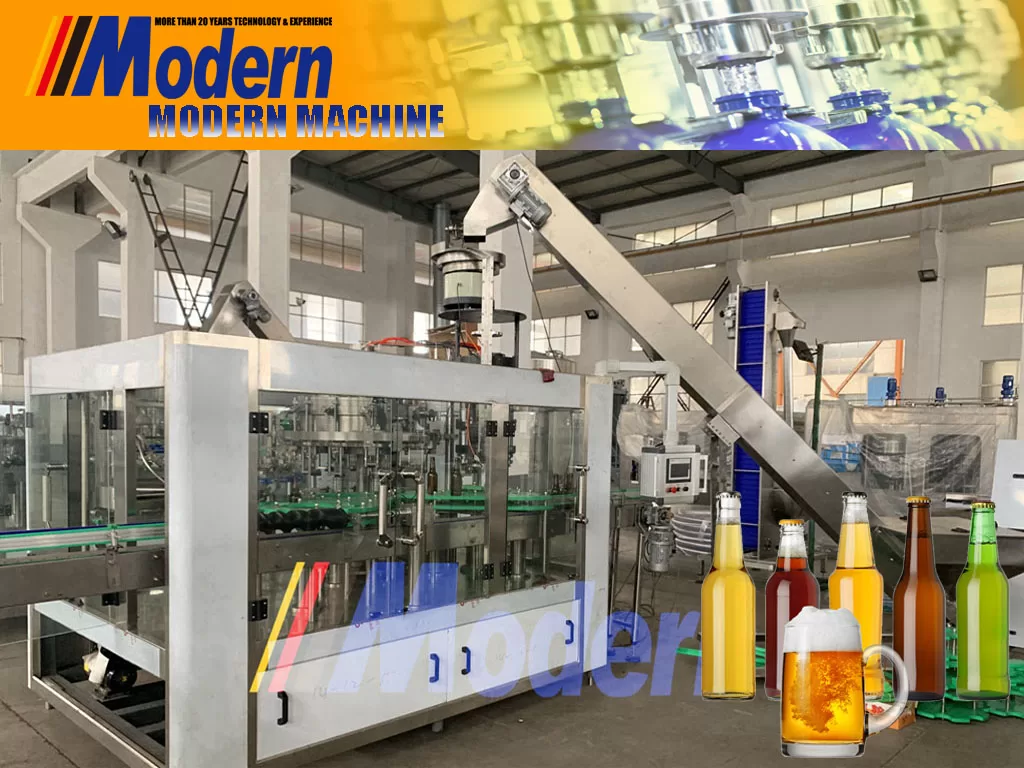
شهدت صناعة البيرة الحرفية ارتفاعاً هائلاً في شعبيتها على مدى العقدين الماضيين، مما أدى إلى زيادة الطلب على آلات فعالة لتعبئة زجاجات البيرة. بالنسبة لمصانع الجعة، يعد فهم تعقيدات هذه الآلات أمراً بالغ الأهمية لزيادة كفاءة الإنتاج، وضمان جودة المنتج، وتلبية طلب المستهلكين. في هذا المقال، نتعمق في أنواع آلات تعبئة زجاجات البيرة، وآليات التشغيل، وأساسيات الصيانة، والاتجاهات المستقبلية في هذا المجال.
أنواع آلات تعبئة زجاجات البيرة
يمكن تصنيف آلات تعبئة زجاجات البيرة بناءً على عدة عوامل بما في ذلك الوظيفة، والسعة، والتصميم. يمكن أن يساعد فهم هذه الفئات مصانع الجعة في اختيار المعدات المناسبة التي تلبي احتياجاتها.
1. آلات التعبئة
تعد آلات التعبئة جوهر عملية التعبئة في الزجاجات. وهي مسؤولة عن توزيع البيرة في الزجاجات بدقة وسرعة. تختلف هذه الآلات اختلافاً كبيراً من حيث التكنولوجيا والقدرة الإنتاجية:
- آلات التعبئة بالجاذبية: تعتبر آلات التعبئة بالجاذبية مثالية لمصانع الجعة الصغيرة إلى المتوسطة، حيث تستخدم قوة الجاذبية لملء الزجاجات. وهي بسيطة التشغيل ولكنها قد لا تكون مناسبة للبيرة عالية الكربنة، حيث يمكن أن تؤدي الرغوة إلى فيضان الزجاجة.
- آلات التعبئة بالضغط: تقوم هذه الآلات بملء الزجاجات تحت الضغط، مما يسمح لها باستيعاب المشروبات الغازية. غالباً ما تستخدم مصانع الجعة الكبيرة آلات التعبئة بالضغط لأنها تزيد من السرعة وتحافظ على كربنة البيرة.
- آلات التعبئة بالتفريغ (الفراغ): باستخدام الفراغ لسحب البيرة إلى الزجاجة، يمكن لهذه الآلات تقليل التعرض للأكسجين، وبالتالي تعزيز العمر الافتراضي للمنتج وسلامة نكهته.
2. آلات الإغلاق (السدادات)
بعد عملية التعبئة، تقوم آلات الإغلاق بتأمين الزجاجة. يجب أن تضمن آليتها إغلاقاً محكماً لمنع التلوث وفقدان الكربنة:
- آلات الإغلاق المغزلية (Spindle Cappers): تتميز هذه الآلات بالسرعة والكفاءة نسبياً، وتستخدم سلسلة من العجلات الدوارة لإحكام الأغطية. وهي موصى بها بشدة لمصانع الجعة ذات السعة العالية.
- آلات الإغلاق بعزم الدوران (Torque Cappers): تشتهر هذه الآلات بدقتها، حيث تطبق مقداراً دقيقاً من عزم الدوران لضمان الإغلاق المناسب دون إتلاف الغطاء أو الزجاجة.
- أنظمة رفع الأغطية: تدمج العديد من آلات الإغلاق رافعاً للأغطية لتبسيط عملية الإغلاق من خلال ضمان تغذية مستمرة للأغطية إلى آلية الإغلاق.
3. آلات وضع الملصقات
تعد الملصقات ضرورية للعلامة التجارية والامتثال التنظيمي. تضمن آلات وضع الملصقات وضع العلامات التجارية على الزجاجات بشكل صحيح:
- آلات وضع الملصقات ذاتية اللصق: تضع هذه الآلات الملصقات بسرعة وكفاءة أثناء مرور الزجاجات. وهي مثالية لمختلف أشكال وأحجام الزجاجات.
- آلات وضع الملصقات الملتفة (Wraparound Labelers): صُممت هذه الآلات لوضع الملصقات بشكل متسق، مما يوفر مظهراً احترافياً.
- آلات وضع الملصقات بالصهر الساخن: تستخدم هذه الأنظمة الحرارة لوضع الملصقات اللاصقة، مما يضمن رابطة متينة ولمسة نهائية جذابة.
آليات التشغيل: كيف تعمل آلات تعبئة زجاجات البيرة
تتأثر الكفاءة التشغيلية لآلات تعبئة زجاجات البيرة بتصميمها الميكانيكي وتكامل التكنولوجيا. إليك نظرة مفصلة على كيفية تضافر هذه العمليات:
1. الإعداد قبل التشغيل
قبل المعالجة، تعد معايرة المعدات وضبطها أمراً بالغ الأهمية. وهذا يعزز كلاً من السرعة والجودة. اضبط المعلمات مثل حجم التعبئة، وضغط الإغلاق، وسرعة وضع الملصقات وفقاً للحجم والنوع المحددين للزجاجات المستخدمة.
2. عملية التعبئة
تتضمن عملية التعبئة النموذجية مراحل متعددة:
- الغسيل والتعقيم: قبل التعبئة، يجب غسل الزجاجات وتعقيمها جيداً للقضاء على أي ملوثات قد تفسد البيرة. غالباً ما يتم ذلك باستخدام محطات غسيل آلية.
- التعبئة: بعد ذلك، تقوم آلة التعبئة بتوزيع البيرة بدقة في الزجاجات المعقمة. يجب إدارة التوقيت ومستويات التعبئة لمنع الانسكاب وضمان الاتساق.
- الإغلاق: يتم بعد ذلك إيقاف الزجاجات المملوءة في محطة الإغلاق حيث يتم وضع الأغطية. من الضروري أن تحافظ هذه المرحلة على كربنة البيرة وسلامتها.
- وضع الملصقات: أخيراً، يتم نقل الزجاجات إلى آلة وضع الملصقات للعلامة التجارية، وبعد ذلك يتم تحضيرها للتعبئة والتوزيع.
أساسيات الصيانة لآلات تعبئة زجاجات البيرة
تعد الصيانة الدورية أمراً بالغ الأهمية لضمان بقاء آلات التعبئة قيد التشغيل بمرور الوقت. يمكن أن يؤدي إهمال الصيانة إلى توقف مكلف عن العمل وتدهور جودة البيرة.
1. التنظيف الدوري
يعد التعقيم أمراً حيوياً في صناعة البيرة. قم بتنظيف جميع الأسطح الملامسة بانتظام، بما في ذلك الحشوات والأغطية والملصقات، لضمان عدم تأثير أي بقايا على طعم أو جودة البيرة.
2. فحص المكونات
يمكن للفحص المتكرر للمكونات الرئيسية مثل المضخات، والأنظمة الهوائية، وأدوات التحكم الإلكترونية أن يحدد التآكل بشكل استباقي. قد تتطلب بعض الأجزاء استبدالاً دورياً لضمان الأداء الأمثل.
3. معايرة المعدات
مع تغير مستويات الإنتاج، تضمن إعادة المعايرة الدورية للآلات بقاء مستويات تعبئة الزجاجات، وضغوط الإغلاق، وموضع الملصقات متسقة ودقيقة.
مستقبل آلات تعبئة زجاجات البيرة
مع تطور سوق البيرة العالمي، تتطور أيضاً التكنولوجيا المحيطة بآلات تعبئة زجاجات البيرة. إليك بعض الاتجاهات التي يجب مراقبتها في المستقبل القريب:
1. الأتمتة والتكنولوجيا الذكية
تعمل الأتمتة على إعادة تشكيل مشهد التصنيع. يمكن للمستشعرات الذكية والتحليلات المدعومة بالذكاء الاصطناعي تحسين عملية التعبئة، والتنبؤ باحتياجات الصيانة، وتقليل الهدر.
2. الممارسات المستدامة
مع تزايد الطلب على الاستدامة، ستستثمر العديد من مصانع الجعة في آلات تقلل من استخدام المياه، واستهلاك الطاقة، ونفايات التغليف. كما أن المواد الصديقة للبيئة للملصقات والتغليف في تزايد مستمر.
3. التخصيص والمرونة
مع تحول تفضيلات المستهلكين نحو البيرة الحرفية والتقليدية، ستحتاج آلات التعبئة إلى توفير المرونة للإنتاج بكميات أصغر وتغليف فريد. ستصبح الآلات المعيارية التي يمكن تكييفها بسهولة ذات قيمة متزايدة.
الخلاصة
يعد اختيار آلات تعبئة زجاجات البيرة المناسبة وفهم عملياتها أمراً جوهرياً لأي مصنع جعة يتطلع إلى النجاح في سوق تنافسي. من خلال التركيز على الصيانة ومواكبة اتجاهات الصناعة، يمكن لمصانع الجعة ضمان بقاء عمليات التعبئة لديها فعالة، وأن تحافظ منتجاتها على الجودة التي يتوقعها المستهلكون. ومع تطور التكنولوجيا، سيكون تبني هذه التطورات أمراً ضرورياً للنمو المستمر والاستدامة في صناعة البيرة الحرفية النابضة بالحياة.


