
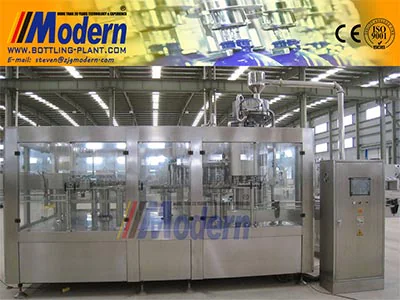
شهدت صناعة المشروبات تطورات كبيرة، لا سيما فيما يتعلق بكفاءة وموثوقية عمليات الإنتاج. ومن أبرز هذه التطورات تطوير آلات تعبئة العصير الأوتوماتيكية. تلعب هذه الآلات دوراً حيوياً في تعزيز قدرات الإنتاج، وضمان الجودة، وتبسيط العمليات. يتناول هذا المقال جوانب مختلفة لآلات تعبئة العصير الأوتوماتيكية، بما في ذلك تقنياتها، وأنواعها، ومبادئ تشغيلها، وفوائدها، والاعتبارات المتعلقة باختيارها وصيانتها.
ما هي آلة تعبئة العصير الأوتوماتيكية؟
آلة تعبئة العصير الأوتوماتيكية هي وحدة إنتاج مصممة لتعبئة الحاويات بالعصير بطريقة فعالة وقابلة للتكرار. تعمل هذه الآلات على أتمتة عملية التعبئة، مما يقلل بشكل كبير من تكاليف العمالة والخطأ البشري مع تعزيز الإنتاجية. بفضل الهندسة الدقيقة والتصاميم المبتكرة، يمكن لآلات تعبئة العصير الأوتوماتيكية تعزيز خطوط الإنتاج بشكل كبير، وتلبية مستويات الطلب المختلفة من المصنعين الصغار إلى كبار المنتجين.
أنواع آلات تعبئة العصير الأوتوماتيكية
يعد فهم الأنواع المختلفة لآلات تعبئة العصير الأوتوماتيكية أمراً بالغ الأهمية للشركات التي تتطلع إلى تحسين عملية الإنتاج الخاصة بها. فيما يلي بعض الأنواع الشائعة:
1. آلات التعبئة الحجمية
تقوم آلات التعبئة الحجمية بقياس وتوزيع حجم محدد من العصير في الحاويات. هذه الآلات مثالية لكل من سوائل العصير السميكة والخفيفة، مما يضمن توزيع الكمية الصحيحة باستمرار، مما يجعلها مناسبة لخطوط الإنتاج ذات الحجم الكبير.
2. آلات التعبئة بالجاذبية
تعمل آلات التعبئة بالجاذبية بالاعتماد على قوة الجاذبية لتعبئة الحاويات. هذه الآلات مثالية للسوائل سريعة التدفق مثل العصائر وتجد استخدامها في العديد من الصناعات نظراً لبساطتها وكفاءتها.
3. آلات تعبئة المكبس
تستخدم آلات التعبئة بالمكبس آلية مكبس لسحب العصير ثم توزيعه في الحاوية. وهي مناسبة بشكل خاص للعصائر الأكثر سمكاً التي تحتوي على لب أو جزيئات أخرى، مما يجعلها خياراً مثالياً للمصنعين الذين يتعاملون مع قوام عصير متنوع.
4. آلات التعبئة بالتفريغ (الفراغ)
تخلق آلات التعبئة بالتفريغ فراغاً داخل الحاوية قبل ملئها بالعصير. تقلل هذه التقنية من التعرض للأكسجين، مما يحافظ على نضارة العصير ويقلل من التلف. تُستخدم عادةً في إنتاج العصائر عالية القيمة، حيث يكون الحفاظ على جودة العصير أمراً بالغ الأهمية.
مبادئ تشغيل آلات تعبئة العصير الأوتوماتيكية
تتنوع آليات التشغيل الكامنة وراء آلات تعبئة العصير الأوتوماتيكية بقدر تنوع أنواعها. ومع ذلك، هناك العديد من المكونات والمبادئ الأساسية المشتركة في معظم التصاميم:
1. نظام الناقل
عادة ما يعمل سير ناقل على نقل الزجاجات أو الحاويات إلى محطة التعبئة. يسمح هذا النظام بإنتاج مستمر وسير عمل فعال.
2. آلية التعبئة
هذا هو قلب الآلة، حيث تتم عملية التعبئة الفعلية. اعتماداً على النوع، يمكن أن يشمل ذلك أسطوانات حجمية، أو صمامات جاذبية، أو أنظمة مكبس، مما يضمن الدقة والكفاءة.
3. لوحة التحكم
تسهل لوحة التحكم تفاعل المستخدم مع الآلة. يمكن للمشغلين ضبط المعلمات، ومراقبة العملية، وإجراء التعديلات، مما يضمن سير كل شيء بسلاسة طوال العملية.
4. وحدات السد والوسم
تدمج العديد من آلات تعبئة العصير الأوتوماتيكية وظائف السد والوسم، مما يخلق نظاماً مؤتمتاً بالكامل يعزز الإنتاجية ويضمن جودة متسقة من التعبئة إلى وضع الملصقات.
فوائد استخدام آلات تعبئة العصير الأوتوماتيكية
يوفر الاستثمار في آلات تعبئة العصير الأوتوماتيكية العديد من المزايا للمنتجين:
1. تعزيز الكفاءة
تقلل الآلات الأوتوماتيكية بشكل كبير من الوقت المستغرق لتعبئة الحاويات مقارنة بالعمليات اليدوية. تترجم هذه الكفاءة المعززة إلى إنتاج أعلى ومعدلات إنجاز أسرع، مما يساعد الشركات على البقاء قادرة على المنافسة.
2. الاتساق ومراقبة الجودة
توفر الآلات الأوتوماتيكية توحيداً في مستويات التعبئة، وهو أمر بالغ الأهمية في الحفاظ على معايير الجودة. يساعد هذا الاتساق في منع التعبئة الزائدة أو الناقصة، مما قد يؤدي إلى هدر المنتج أو عدم رضا العملاء.
3. خفض تكاليف العمالة
تقلل الأتمتة من الاعتماد على العمالة اليدوية، مما يقلل بشكل كبير من تكاليف العمالة. كما أن قلة عدد الموظفين المطلوبين للإنتاج تقلل من مخاطر الأخطاء البشرية، مما يضمن منتجاً عالي الجودة.
4. تحسين النظافة والسلامة
تم تصميم آلات تعبئة العصير الأوتوماتيكية الحديثة مع وضع النظافة في الاعتبار. العديد منها مصنوع من الفولاذ المقاوم للصدأ ويتميز بأسطح سهلة التنظيف، مما يساعد في الحفاظ على سلامة المنتج والامتثال للوائح الصحية.
5. التخصيص والمرونة
يمكن لمعظم آلات تعبئة العصير الحديثة التعامل مع مجموعة متنوعة من أحجام وأشكال الحاويات، مما يسمح للمنتجين بتنويع عروض منتجاتهم. هذه المرونة ضرورية للشركات التي تتطلع إلى تلبية متطلبات العملاء المحددة أو اتجاهات السوق.
العوامل الرئيسية التي يجب مراعاتها عند اختيار آلة تعبئة العصير الأوتوماتيكية
يتضمن اختيار آلة تعبئة العصير الأوتوماتيكية المناسبة دراسة متأنية للعديد من العوامل:
1. الطاقة الإنتاجية
قم بتقييم احتياجات الإنتاج الخاصة بك واختر آلة تتوافق مع متطلبات الحجم الخاصة بك. تتوفر الآلات للإنتاج الصغير والمتوسط وعالي السعة.
2. لزوجة العصير
ضع في اعتبارك لزوجة العصير الذي تنوي تعبئته. تستوعب الآلات المختلفة سماكات وأنواعاً مختلفة من العصير، مما يؤثر على الفعالية الإجمالية لعملية التعبئة.
3. التوافق مع الحاويات
تأكد من أن الآلة يمكنها التعامل مع الحاويات المحددة التي ستستخدمها. يساعد التوافق مع مختلف الأشكال والأحجام في الحفاظ على المرونة في خط إنتاجك.
4. الميزانية
يتطلب الاستثمار في آلة تعبئة العصير الأوتوماتيكية تقييماً دقيقاً لميزانيتك. لا تأخذ في الاعتبار سعر الشراء فحسب، بل أيضاً الصيانة، وتكاليف التشغيل، والعوائد المحتملة على الاستثمار.
5. دعم ما بعد البيع
أخيراً، ضع في اعتبارك خدمة ما بعد البيع والدعم المتاح للآلة التي اخترتها. يمكن أن يساعد الدعم الفوري في ضمان بقاء عملياتك سلسة وفعالة.
الصيانة والعناية بآلات تعبئة العصير الأوتوماتيكية
لتحقيق أقصى قدر من عمر وأداء آلة تعبئة العصير الأوتوماتيكية الخاصة بك، تعد الصيانة الدورية أمراً بالغ الأهمية:
1. التنظيف الروتيني
ضع جدول تنظيف منتظماً لمنع التلوث والحفاظ على الظروف الصحية. اتبع إرشادات الشركة المصنعة لإجراءات التنظيف وعوامل التنظيف المناسبة.
2. فحص الأجزاء الميكانيكية
افحص المكونات الميكانيكية والإلكترونية بانتظام لاكتشاف أي تآكل أو عيوب. ستساعد الإصلاحات في الوقت المناسب على تجنب الاضطرابات في الإنتاج وإطالة العمر التشغيلي للآلة.
3. المعايرة
قم بمعايرة جهازك بانتظام لضمان الدقة في مستويات التعبئة. بمرور الوقت، قد تنحرف الأجهزة عن إعداداتها الأصلية، وتساعد المعايرة الصحيحة في الحفاظ على جودة المنتج.
4. تدريب الموظفين
سيساعد التدريب المناسب للموظفين الذين يشغلون الآلات في تجنب الأخطاء التشغيلية وضمان الالتزام ببروتوكولات السلامة. يمكن للمشغلين ذوي المعرفة تحديد المشكلات المحتملة قبل تفاقمها.
الخلاصة
تعد آلات تعبئة العصير الأوتوماتيكية أداة قوية في صناعة المشروبات، حيث توفر فوائد كبيرة من حيث الكفاءة والاتساق ومراقبة الجودة. إن فهم الأنواع ومبادئ التشغيل والاعتبارات الأساسية للاختيار والصيانة يضمن للشركات تحقيق أقصى قدر من الإنتاجية مع الحفاظ على معايير عالية. ومع الاستثمار والعناية المناسبين، يمكن لهذه الآلات تعزيز قدرات الإنتاج بشكل كبير، مما يمهد الطريق للنمو في سوق تنافسية.


