
لقد مهد صعود الأتمتة في العمليات الصناعية الطريق لتقنيات تصنيع أكثر كفاءة ودقة عبر مختلف القطاعات. ومن أبرز التطورات في هذا المجال آلة التعبئة الأوتوماتيكية، التي تُستخدم بشكل أساسي للسوائل. تُعد هذه الآلات لا غنى عنها في صناعات تتراوح من الأغذية والمشروبات إلى الأدوية والمواد الكيميائية. يهدف هذا المقال إلى التعمق في تفاصيل آلات التعبئة الأوتوماتيكية للسوائل، واستكشاف طريقة عملها، وأنواعها، وفوائدها، والاعتبارات اللازمة لتنفيذها.
ما هي آلة التعبئة الأوتوماتيكية؟
آلة التعبئة الأوتوماتيكية هي معدات متخصصة مصممة لتعبئة الحاويات أو الزجاجات أو غيرها من أشكال التغليف بمنتجات سائلة، مثل العصائر والزيوت والكريمات وغيرها. تعمل هذه الآلات على تعزيز الكفاءة من خلال أتمتة عملية التعبئة، وتقليل الخطأ البشري، وضمان حجم تعبئة ثابت. يمكن أن تتراوح درجة تطور هذه الآلات من آليات بسيطة إلى أنظمة معقدة مدمجة بتقنيات متقدمة للإنتاج عالي السرعة.
المكونات الرئيسية لآلة التعبئة الأوتوماتيكية
تتكون آلات التعبئة الأوتوماتيكية من عدة مكونات حيوية تعمل جنباً إلى جنب لتحقيق الأداء الأمثل:
- رأس التعبئة: هذا هو المكون الأساسي حيث يتم توزيع السائل في الحاوية. تم تصميم رؤوس تعبئة مختلفة لأنواع محددة من السوائل ودرجات اللزوجة.
- نظام النقل: ينقل سير النقل الحاويات عبر مراحل مختلفة من عملية التعبئة، مما يضمن إنتاجاً سلساً ومستمراً.
- لوحة التحكم: واجهة تسمح للمشغلين بإدارة عمليات الآلة، بما في ذلك السرعة وأحجام التعبئة وإعدادات الآلة.
- الأنظمة الهوائية أو الكهربائية: تعمل هذه الأنظمة على تشغيل آليات التعبئة، مما يضمن التشغيل الفعال والأتمتة.
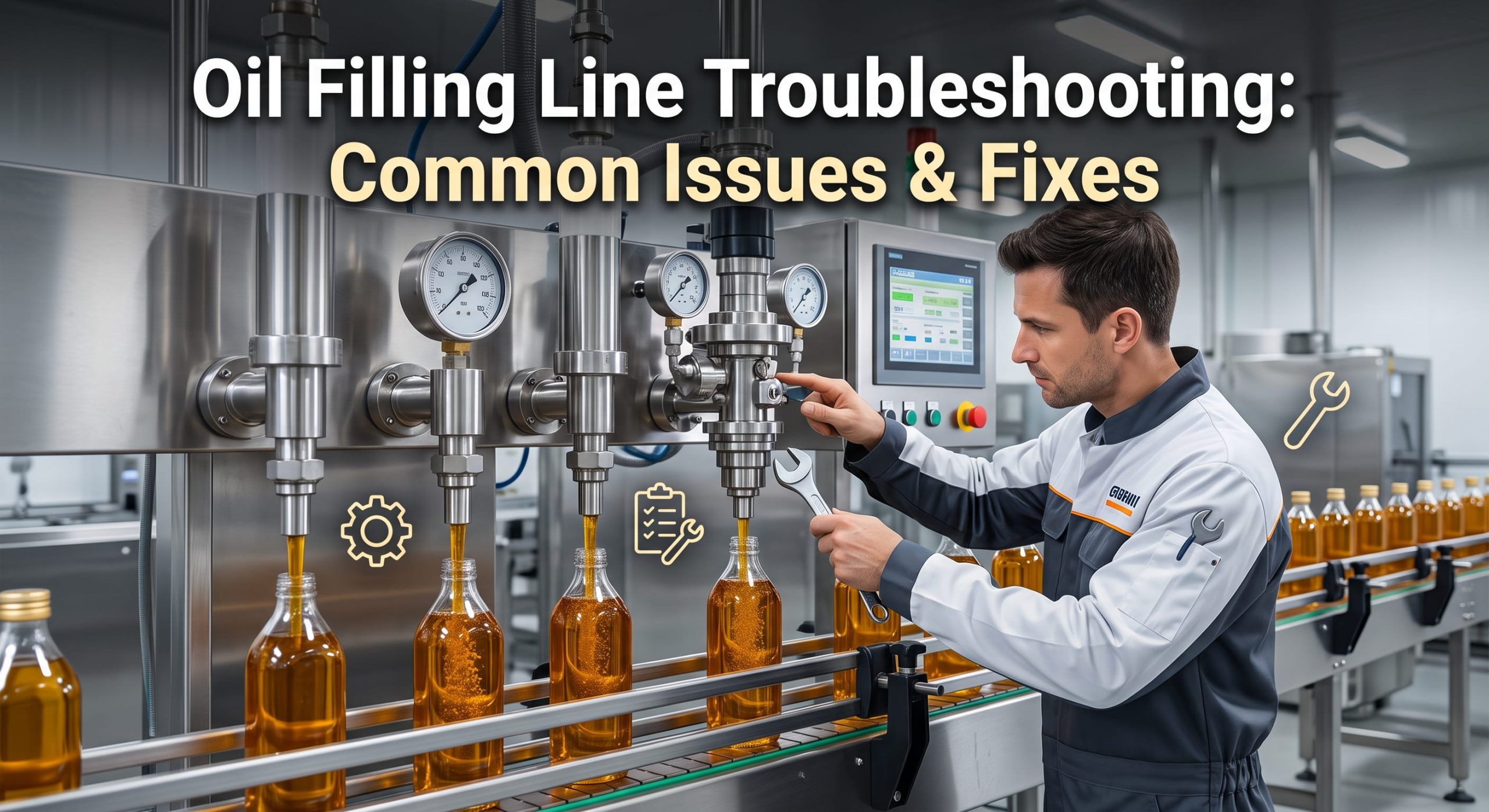
- ميزات السلامة: تأتي آلات التعبئة الحديثة مجهزة بآليات سلامة لمنع التعبئة الزائدة، والانسكابات، وغيرها من المخاطر التشغيلية.
أنواع آلات التعبئة الأوتوماتيكية
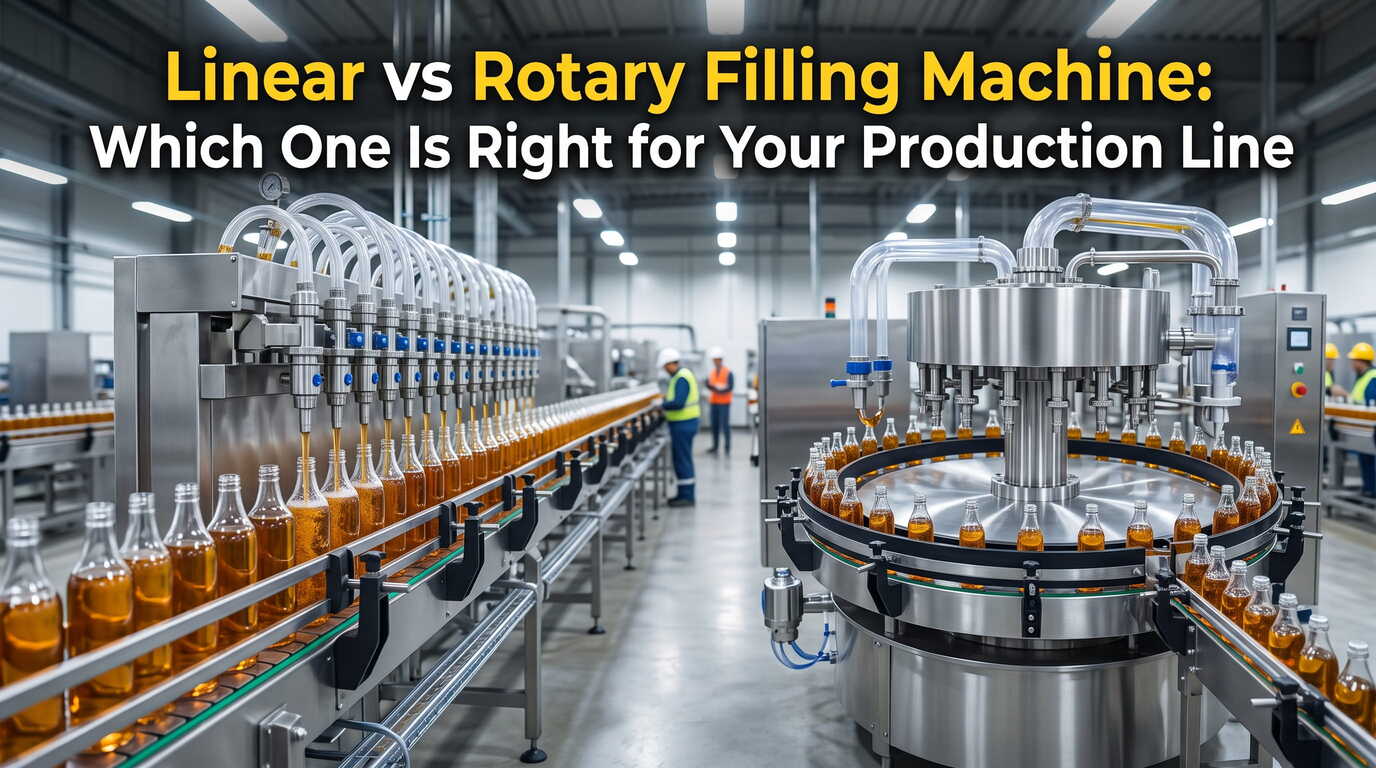
هناك أنواع مختلفة من آلات التعبئة الأوتوماتيكية لتناسب مختلف المنتجات السائلة واحتياجات الإنتاج. فيما يلي تفصيل للأنواع الأكثر شيوعاً:
1. آلات التعبئة بالجاذبية
تستخدم آلات التعبئة بالجاذبية قوة الجاذبية لتعبئة الحاويات. وهي الأنسب للسوائل ذات اللزوجة المنخفضة وتُستخدم بشكل شائع في مصانع الجعة وصناعات المشروبات نظراً لتكلفتها المنخفضة وتصميمها البسيط.
2. آلات التعبئة بالمضخات
تستخدم آلات التعبئة بالمضخات مضخة لنقل السائل من خزان التخزين إلى الحاوية. هذه الآلات متعددة الاستخدامات للغاية، حيث تستوعب مجموعة من درجات اللزوجة ومعدلات التدفق، مما يجعلها مثالية للزيوت الصالحة للأكل والصلصات والكريمات.
3. آلات تعبئة المكبس
صُممت آلات التعبئة بالمكبس للمنتجات الأكثر لزوجة. وهي تستخدم مكبساً لسحب السائل من خزان وتدفعه إلى الحاوية، مما يوفر أحجام تعبئة دقيقة. تحظى هذه الآلات بشعبية في التطبيقات الصيدلانية والتجميلية نظراً لدقتها.
4. آلات التعبئة الحجمية
تقيس آلات التعبئة الحجمية حجماً محدداً من السائل لكل دورة تعبئة. وهي دقيقة للغاية ومناسبة لمجموعة واسعة من المنتجات، بما في ذلك المنظفات والمواد الكيميائية الصناعية.
5. آلات التعبئة بمقياس التدفق
تحسب آلات التعبئة بمقياس التدفق كمية السائل التي يتم توزيعها عن طريق قياس التدفق. وهي فعالة وتوفر تعبئة عالية السرعة، مما يجعلها مناسبة للعمليات واسعة النطاق.
فوائد استخدام آلات التعبئة الأوتوماتيكية
يوفر دمج آلات التعبئة الأوتوماتيكية في عملية الإنتاج الخاصة بك عدداً لا يحصى من المزايا:
1. زيادة الكفاءة
تقلل آلات التعبئة الأوتوماتيكية بشكل كبير من الوقت المطلوب لعمليات التعبئة، مما يسمح للشركات بزيادة الإنتاج دون التضحية بالجودة.
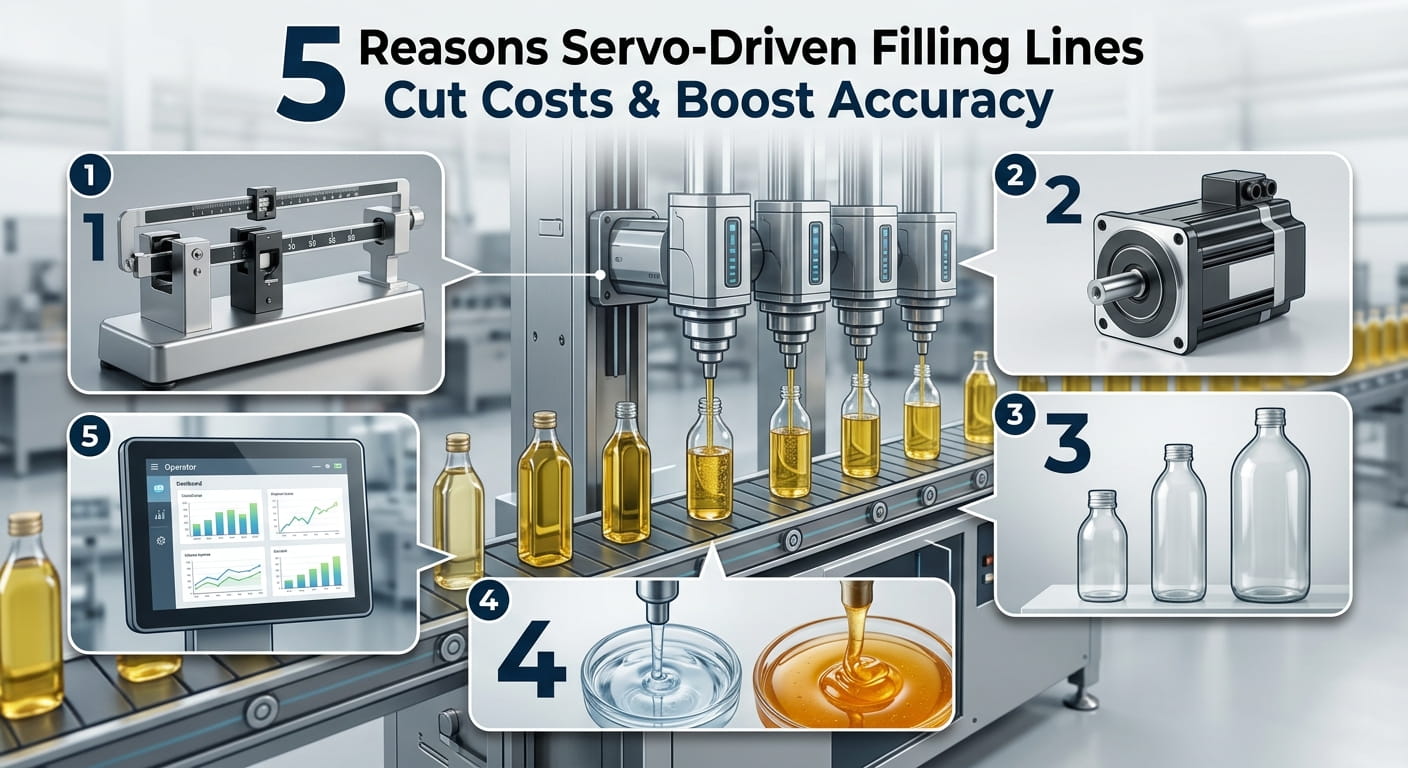
2. دقة محسنة
مع الأتمتة، يتم تقليل مخاطر الخطأ البشري. تضمن هذه الآلات أحجام تعبئة ثابتة، وهو أمر بالغ الأهمية للامتثال ورضا العملاء.
3. خفض تكاليف العمالة
تؤدي أتمتة عملية التعبئة إلى خفض تكاليف العمالة، مما يسمح للموارد البشرية بالتركيز على مهام أكثر استراتيجية داخل بيئة الإنتاج.
4. تحسين معايير النظافة
غالباً ما تدمج الأنظمة المؤتمتة آليات مغلقة أو آليات التنظيف في المكان (CIP)، مما يضمن الحفاظ على معايير النظافة أثناء عملية التعبئة. وهذا مهم بشكل خاص في صناعة الأغذية والمشروبات.
5. تعدد الاستخدامات في التطبيق
يمكن لآلات التعبئة الحديثة التعامل مع مجموعة واسعة من أنواع السوائل وأشكال الحاويات، مما يجعلها قابلة للتكيف مع متطلبات السوق المتغيرة.
اعتبارات اختيار آلة التعبئة الأوتوماتيكية
عند اختيار آلة تعبئة أوتوماتيكية، يجب مراعاة عدة عوامل لضمان أن المعدات المختارة تلبي احتياجات الإنتاج المحددة والمتطلبات التشغيلية:
1. نوع السائل
يعد فهم اللزوجة ودرجة الحرارة والخصائص الكيميائية للسائل أمراً ضرورياً. بعض آلات التعبئة أكثر ملاءمة لأنواع معينة من السوائل، مثل المضخات للمواد الأكثر سمكاً وحشوات الجاذبية للسوائل الأقل سمكاً.
2. القدرة الإنتاجية
حدد المخرجات المطلوبة في الساعة أو اليوم لتحديد سعة الآلة التي تتوافق مع أهداف الإنتاج الخاصة بك. قد تكون الآلات عالية السرعة ضرورية للعمليات واسعة النطاق.
3. حجم وشكل الحاوية
قم بتقييم أبعاد الحاويات التي ستحتاج الآلة إلى تعبئتها. معظم الآلات قابلة للتكيف، ولكن من الضروري التأكد من التوافق لتجنب التعقيدات المستقبلية.
4. التكامل مع المعدات الحالية
فكر في كيفية دمج آلة التعبئة الجديدة مع خطوط الإنتاج الحالية. يمكن للتكامل السلس تبسيط العمليات وتحسين الكفاءة الإجمالية.
5. الصيانة والدعم
اختر الآلات التي يسهل صيانتها وتأتي مع دعم جيد للعملاء. تقلل الصيانة الدورية من وقت التوقف عن العمل وتطيل عمر الآلة.
الخلاصة
تُعد آلات التعبئة الأوتوماتيكية للسوائل مكونات حاسمة في عمليات التصنيع الحديثة، حيث توفر الكفاءة والدقة وتعدد الاستخدامات. إن فهم الأنواع المختلفة والفوائد والاعتبارات الرئيسية عند اختيار آلة سيساعد الشركات على تحسين عملياتها وضمان جودة عالية للمنتجات. مع استمرار تطور الصناعات، لا يمكن المبالغة في أهمية الاستثمار في الأتمتة، وخاصة في عمليات التعبئة. إن اختيار المعدات المناسبة لا يتعلق فقط بتلبية الاحتياجات الحالية، بل يتعلق أيضاً بتأمين العمليات للمستقبل في سوق يزداد تنافسية.
يعد الاستثمار في آلة تعبئة أوتوماتيكية قراراً استراتيجياً يمكنه تعزيز قدراتك الإنتاجية بشكل كبير. ومن خلال النظر بعناية في العوامل التي تمت مناقشتها، يمكن للمصنعين اتخاذ خيارات مدروسة تتماشى مع أهدافهم التشغيلية، مما يؤدي في النهاية إلى تحقيق نجاح أكبر في السوق العالمية.