
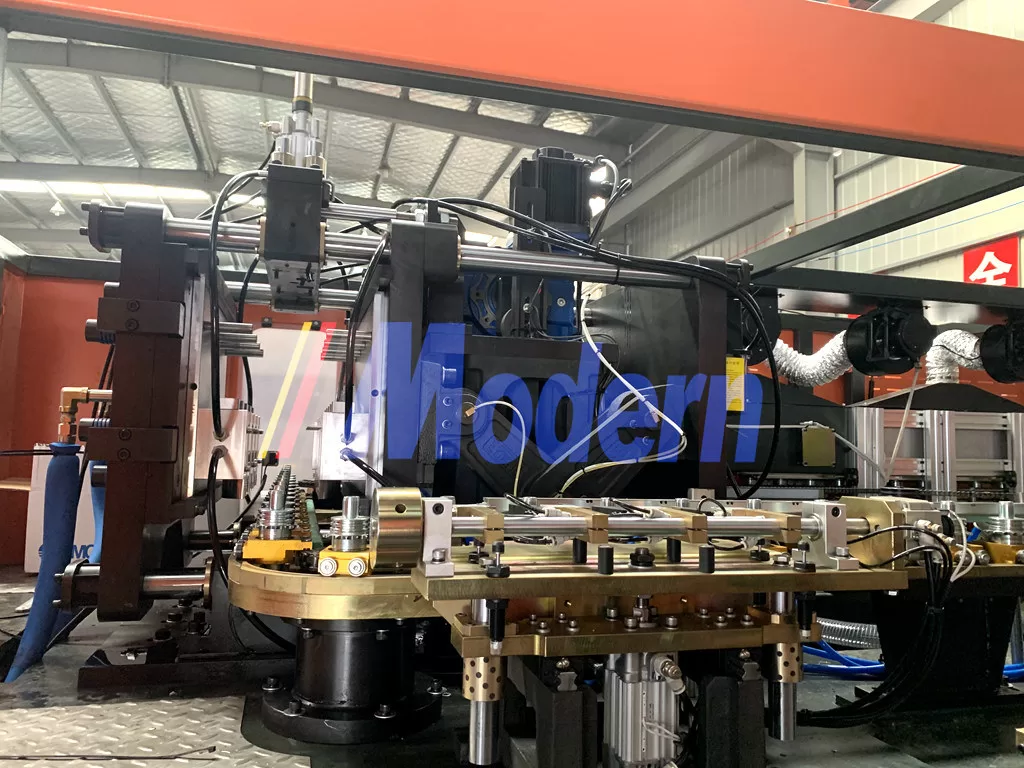
تُعد عملية النفخ (Blow molding) إحدى عمليات التصنيع المستخدمة لإنتاج الأجسام المجوفة مثل الزجاجات والحاويات ومكونات السيارات. وهي طريقة مرنة وفعالة من حيث التكلفة لتصنيع المنتجات البلاستيكية بكميات كبيرة. هناك عدة أنواع من عمليات النفخ، ولكل منها مزاياها وتطبيقاتها الفريدة. في هذا المقال، سوف نستكشف الأنواع المختلفة لعمليات النفخ وخصائصها.
1. النفخ بالقوالب بالبثق
تعد عملية النفخ بالقوالب بالبثق واحدة من أكثر التقنيات شيوعاً في صناعة البلاستيك. في هذه العملية، يتم بثق أنبوب منصهر من مادة لدن بالحرارة، يُعرف باسم "الباريسون" (parison)، عبر قالب ويتم التقاطه في تجويف القالب. بعد ذلك، يُغلق القالب ويُحقن الهواء المضغوط داخل الباريسون، مما يدفعه ليتشكل وفقاً لشكل تجويف القالب. بمجرد أن يبرد الجزء ويتصلب، يُفتح القالب ويُخرج المنتج النهائي.
تعتبر عملية النفخ بالقوالب بالبثق مناسبة لإنتاج أجسام مجوفة كبيرة ذات سمك جدار موحد، مثل الزجاجات والبراميل وخزانات التخزين. وهي عملية سريعة وفعالة يمكنها إنتاج كميات كبيرة من الأجزاء بتكلفة منخفضة نسبياً.
2. النفخ بالقوالب بالحقن
تجمع عملية النفخ بالقوالب بالحقن بين عمليتي القولبة بالحقن والنفخ بالقوالب لإنشاء أجزاء معقدة وعالية الدقة. في هذه العملية، يتم قولبة قطعة أولية (preform) بالحقن، ثم تُنقل إلى قالب نفخ حيث يتم نفخها بالهواء المضغوط لتشكيل الشكل النهائي. غالباً ما تُستخدم عملية النفخ بالقوالب بالحقن لإنتاج أجزاء صغيرة ومعقدة ذات تفاوتات دقيقة، مثل الأجهزة الطبية ومكونات السيارات وعبوات مستحضرات التجميل.
تتمثل إحدى المزايا الرئيسية للنفخ بالقوالب بالحقن في القدرة على تحقيق دقة أبعاد فائقة وجودة سطح أفضل مقارنة بعمليات النفخ بالقوالب الأخرى. وهي مثالية للتطبيقات التي تكون فيها الدقة والاتساق أمراً بالغ الأهمية.
3. النفخ بالقوالب بالتمديد
النفخ بالقوالب بالتمديد هو عملية تُستخدم عادةً لإنتاج زجاجات وعبوات البولي إيثيلين تيريفثاليت (PET). في هذه التقنية، يتم أولاً قولبة قطعة أولية بالحقن، ثم إعادة تسخينها وتمديدها في الاتجاه المحوري باستخدام قضيب تمديد. بعد ذلك، يُستخدم الهواء المضغوط لنفخ القطعة الأولية لتأخذ شكلها النهائي داخل تجويف القالب. يسمح النفخ بالقوالب بالتمديد بإنتاج عبوات خفيفة الوزن وعالية القوة مع شفافية ممتازة ومقاومة للصدمات.
تُستخدم هذه العملية على نطاق واسع في صناعة الأغذية والمشروبات لتطبيقات التعبئة والتغليف نظراً لقدرتها على إنتاج عبوات ذات خصائص حاجز فائقة وحماية للمنتج.
4. النفخ بالقوالب الدوراني
النفخ بالقوالب الدوراني، المعروف أيضاً باسم القولبة الدورانية، هو عملية فريدة تتضمن تدوير قالب مجوف أثناء تسخينه لإنشاء طبقة موحدة من البلاستيك. بعد ذلك، يتم تبريد القالب وإزالة الجزء من تجويف القالب. يعتبر النفخ بالقوالب الدوراني مثالياً لإنتاج أجزاء كبيرة ومعقدة ذات أشكال وتفاصيل دقيقة، مثل الخزانات ومعدات الملاعب ومكونات السيارات.
تتمثل إحدى المزايا الرئيسية للنفخ بالقوالب الدوراني في القدرة على إنشاء أجزاء مجوفة ذات سمك جدار متسق وسلامة هيكلية ممتازة. وهو حل فعال من حيث التكلفة لإنتاج أجزاء كبيرة وخفيفة الوزن بكميات صغيرة إلى متوسطة.
5. النفخ بالقوالب بالبثق المشترك
النفخ بالقوالب بالبثق المشترك هو عملية تتضمن بثق طبقات متعددة من مواد لدن بالحرارة في وقت واحد لإنشاء منتج واحد بخصائص وظيفية مختلفة. من خلال الجمع بين مواد ذات خصائص مختلفة، مثل خصائص الحاجز، أو مقاومة الأشعة فوق البنفسجية، أو اللون، يمكن للمصنعين إنتاج أجزاء ذات أداء وجماليات محسنة.
تُستخدم هذه التقنية بشكل شائع في صناعة التعبئة والتغليف لإنشاء عبوات ذات خصائص حاجز محسنة وعمر افتراضي أطول. يسمح النفخ بالقوالب بالبثق المشترك بإنتاج عبوات متعددة الطبقات يمكنها تلبية المتطلبات المحددة للمنتجات المختلفة، مثل الأغذية والمشروبات والمواد الكيميائية.
الخلاصة
تعد عملية النفخ بالقوالب عملية تصنيع متعددة الاستخدامات وفعالة توفر مجموعة واسعة من الخيارات لإنتاج المنتجات البلاستيكية المجوفة. من خلال فهم الأنواع المختلفة لعمليات النفخ بالقوالب وخصائصها، يمكن للمصنعين اختيار التقنية الأكثر ملاءمة لتطبيقاتهم ومتطلباتهم المحددة.
سواء كنت بحاجة إلى إنتاج زجاجات بسيطة أو مكونات سيارات معقدة، فهناك عملية نفخ بالقوالب يمكنها تلبية احتياجاتك. من خلال استخدام التقنية الصحيحة وتحسين معايير الإنتاج، يمكن للمصنعين تحقيق أجزاء عالية الجودة وفعالة من حيث التكلفة تلبي متطلبات السوق التنافسية اليوم.
بشكل عام، تستمر عملية النفخ بالقوالب في التطور والتحسن مع التقدم في المواد والتكنولوجيا والعمليات، مما يوفر إمكانيات لا حصر لها للابتكار والإبداع في صناعة التصنيع.


