نظرة عامة
تلعب آلات نفخ القوارير البلاستيكية دوراً حيوياً في صناعة التعبئة والتغليف، حيث تقوم بتصنيع أنواع مختلفة من القوارير البلاستيكية المستخدمة لتخزين السوائل مثل المياه والمشروبات والمنتجات المنزلية. تستخدم هذه الآلات عملية معقدة لتشكيل البلاستيك المنصهر إلى أشكال القوارير المطلوبة. ومع ذلك، وكأي معدات ميكانيكية، قد تواجه آلات نفخ القوارير مشكلات تؤثر على كفاءة الإنتاج وجودته.
الفوائد والمزايا
يعد فهم كيفية استكشاف الأخطاء وإصلاحها في آلات نفخ القوارير أمراً ضرورياً للحفاظ على سير العمليات بسلاسة، وتقليل وقت التوقف عن العمل، وضمان اتساق جودة المنتج. ومن خلال معالجة هذه المشكلات بشكل استباقي، يمكن للمصنعين تحسين عمليات الإنتاج، وتعزيز الكفاءة العامة، وتقليل تكاليف الصيانة على المدى الطويل.
الأنواع والتنويعات
هناك عدة أنواع من آلات نفخ القوارير، بما في ذلك آلات النفخ بالبثق، وآلات النفخ بالحقن، وآلات النفخ بالتمديد. لكل نوع مجموعة فريدة من الآليات والمكونات، مما قد يؤدي إلى تحديات محددة في استكشاف الأخطاء وإصلاحها.
التطبيقات وحالات الاستخدام
تُستخدم آلات نفخ القوارير على نطاق واسع في مختلف الصناعات، بما في ذلك قطاعات المشروبات، ومستحضرات التجميل، والأدوية، والمنتجات المنزلية. هذه الآلات ضرورية لإنتاج قوارير بأحجام وأشكال ومواد مختلفة لتلبية احتياجات التعبئة والتغليف المتنوعة.
التفاصيل الفنية والتشغيلية
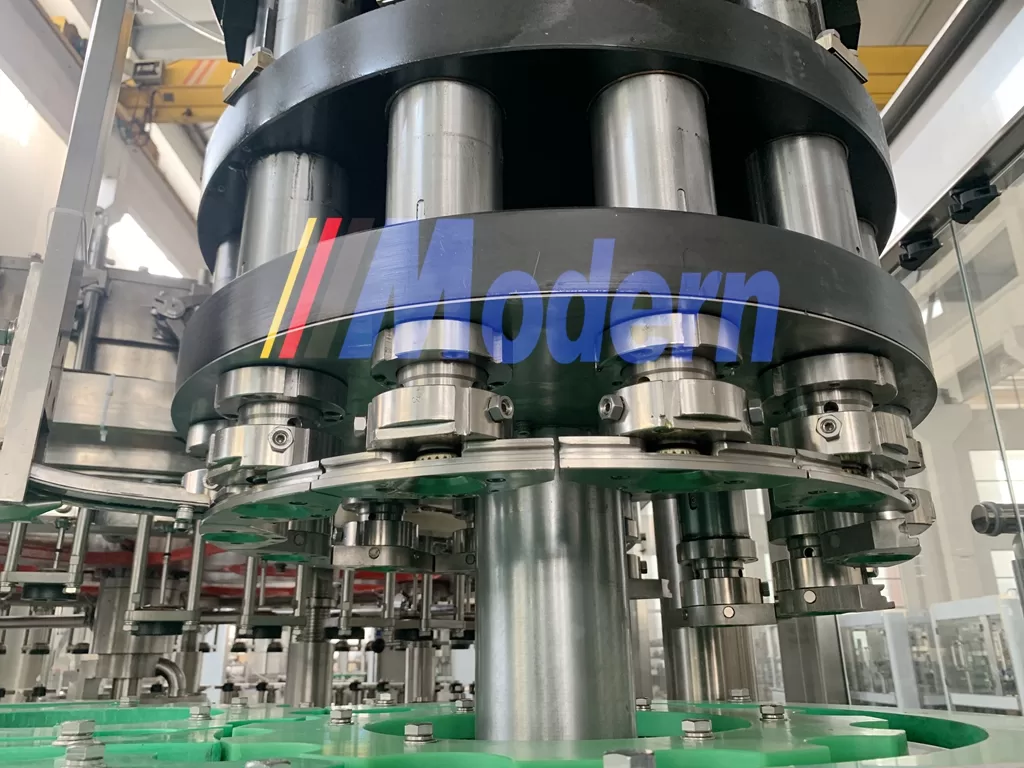
تتضمن عملية تشغيل آلات نفخ القوارير سلسلة من العمليات المعقدة، بما في ذلك تسخين وصهر راتنجات البلاستيك، وتشكيل المادة المنصهرة في قالب أولي (parison)، ثم نفخها بالشكل المطلوب باستخدام الهواء المضغوط. تشمل المكونات الشائعة لهذه الآلات الطاردات، والقوالب، ودبابيس النفخ، والتي يمكن أن يواجه كل منها مشكلات تؤثر على عملية الإنتاج الشاملة.
أفضل الممارسات والنصائح والصيانة
يمكن أن يساعد تنفيذ جداول الصيانة الدورية واتباع أفضل الممارسات في منع المشكلات الشائعة في آلات نفخ القوارير. ويشمل ذلك فحص المكونات وتنظيفها، وضمان التحكم المناسب في درجة الحرارة، ومراقبة ضغط الهواء وإعدادات السرعة. بالإضافة إلى ذلك، يمكن أن يساعد توفير التدريب للمشغلين على تقنيات استكشاف الأخطاء وإصلاحها في تحديد المشكلات وحلها على الفور.
اتجاهات السوق ورؤى الصناعة
تشهد صناعة نفخ القوارير تطورات تكنولوجية، مثل دمج الأتمتة والروبوتات لتعزيز كفاءة الإنتاج ودقته. كما يركز المصنعون على ممارسات الاستدامة، بما في ذلك استخدام مواد صديقة للبيئة وعمليات موفرة للطاقة لتتماشى مع اتجاهات السوق المتطورة.
التحديات والحلول
قد تشمل المشكلات الشائعة في آلات نفخ القوارير تفاوت سمك الجدار، وتكون الزوائد البلاستيكية (flash)، وتلف القالب، وعدم اتساق أبعاد القوارير. ولمواجهة هذه التحديات، يمكن للمصنعين تنفيذ تدابير الصيانة الوقائية، وتعديل إعدادات الآلة، وإجراء عمليات فحص شاملة لتحديد المشكلات المحتملة في وقت مبكر.
الاستدامة والتوقعات المستقبلية
مع تحول صناعة التعبئة والتغليف نحو الممارسات المستدامة، يتم تصميم آلات نفخ القوارير بشكل متزايد لتقليل هدر المواد، وخفض استهلاك الطاقة، وتحسين عمليات الإنتاج لتصنيع قوارير صديقة للبيئة. تتضمن النظرة المستقبلية لهذه الآلات ابتكاراً مستمراً في المواد والتقنيات لتلبية المتطلبات البيئية المتزايدة.
في الختام، يعد استكشاف الأخطاء وإصلاحها في آلات نفخ القوارير أمراً ضرورياً لتحقيق أقصى قدر من الكفاءة التشغيلية، وضمان جودة المنتج، والبقاء في صدارة اتجاهات الصناعة. ومن خلال معالجة التحديات بشكل استباقي وتنفيذ أفضل الممارسات، يمكن للمصنعين الحفاظ على ميزة تنافسية في سوق التعبئة والتغليف الديناميكي.