مقدمة
في قطاع التصنيع سريع الخطى اليوم، أصبح تبني تقنيات أتمتة التعبئة والتغليف أمراً ضرورياً لتحسين الكفاءة، وخفض التكاليف، وضمان جودة المنتج. يتجه المصنعون في جميع أنحاء العالم بشكل متزايد نحو الأتمتة لتبسيط عمليات الإنتاج الخاصة بهم والحفاظ على قدرتهم التنافسية في السوق. إن فهم أحدث اتجاهات أتمتة التعبئة والتغليف أمر بالغ الأهمية للمصنعين الذين يتطلعون إلى زيادة كفاءتهم التشغيلية والبقاء في الصدارة.
فوائد أتمتة التعبئة والتغليف
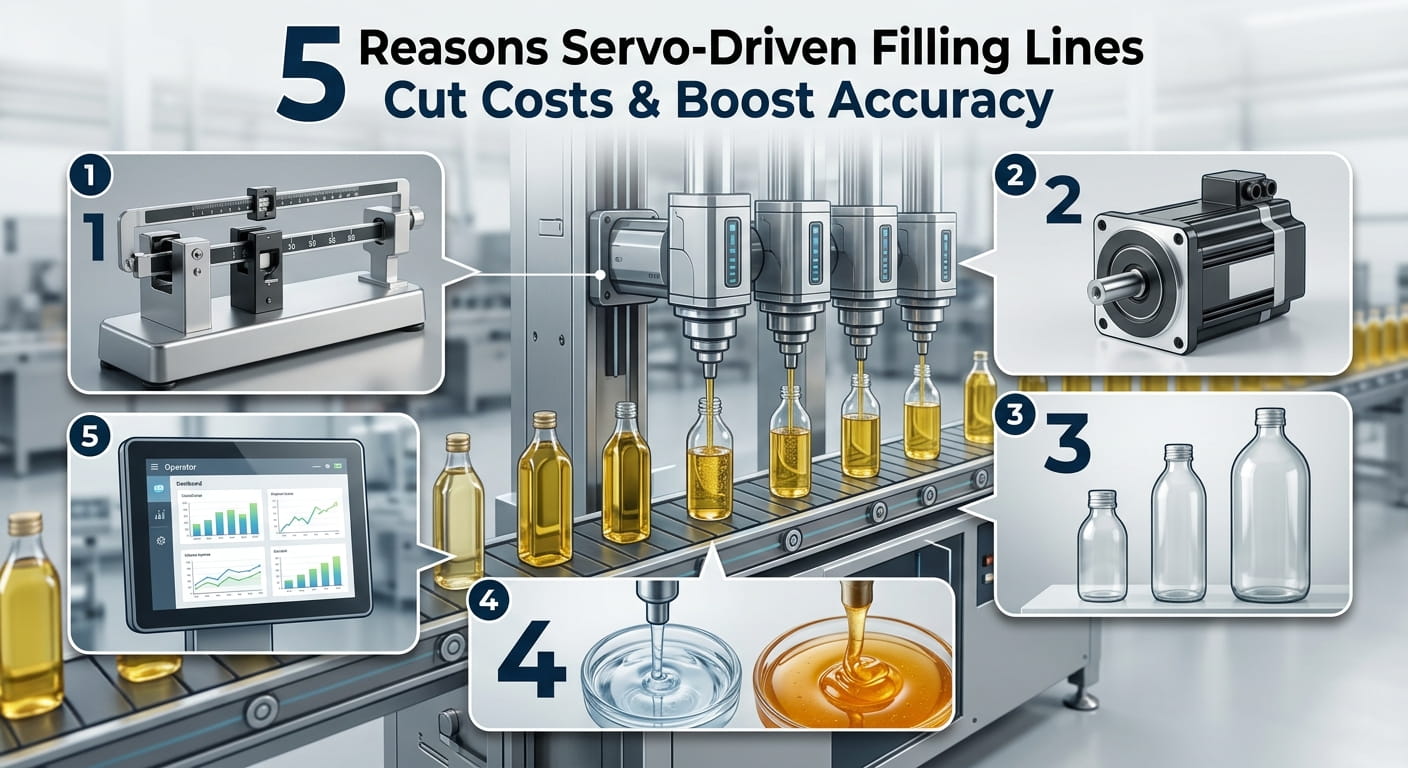
توفر أتمتة التعبئة والتغليف مجموعة واسعة من الفوائد للمصنعين، بما في ذلك زيادة الإنتاجية، وخفض تكاليف العمالة، وتحسين الدقة والاتساق في التعبئة، وسرعة طرح المنتجات في السوق، وتعزيز بروتوكولات السلامة. من خلال تنفيذ حلول الأتمتة، يمكن للمصنعين تحقيق معدلات إنتاج أعلى، وتقليل الأخطاء، وتحسين رضا العملاء بشكل عام.
أنواع تقنيات أتمتة التعبئة والتغليف
1. الروبوتات في التعبئة والتغليف: استخدام الروبوتات لمهام الالتقاط والتعبئة والتغليف ورص المنصات.
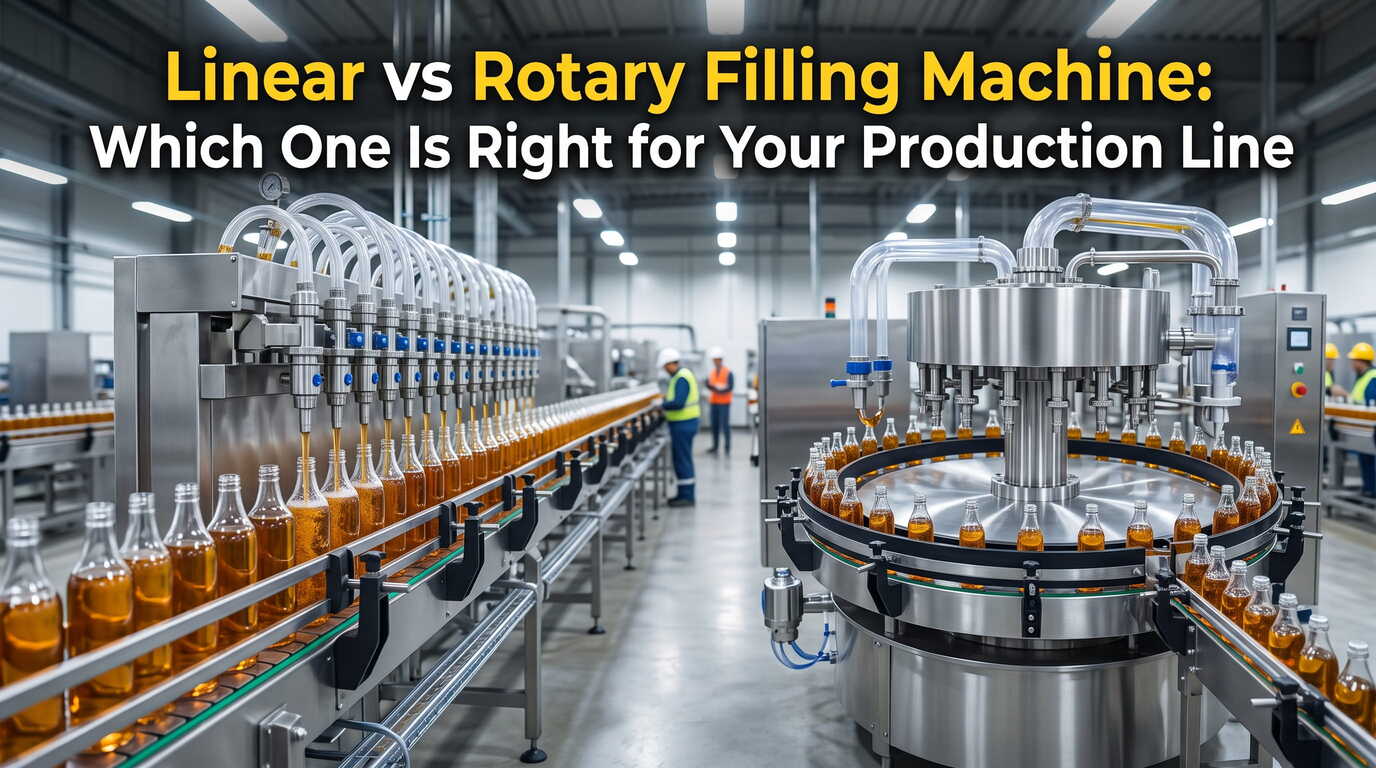
2. خطوط التعبئة والتغليف الآلية: أنظمة متكاملة للتعبئة، والإغلاق، ووضع الملصقات، والتغليف.
3. إنترنت الأشياء (IoT) والتغليف الذكي: دمج أجهزة الاستشعار وتقنية التتبع للمراقبة في الوقت الفعلي.
4. أنظمة الرؤية الآلية: استخدام الكاميرات ومعالجة الصور لمراقبة الجودة والفحص.
5. الذكاء الاصطناعي في التعبئة والتغليف: خوارزميات الذكاء الاصطناعي للصيانة التنبؤية وتحسين العمليات.
تطبيقات أتمتة التعبئة والتغليف
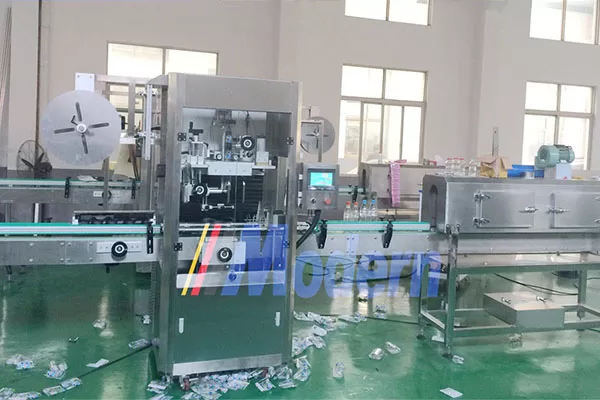
تجد أتمتة التعبئة والتغليف تطبيقات واسعة عبر مختلف الصناعات، بما في ذلك الأغذية والمشروبات، والأدوية، والسلع الاستهلاكية، والتجارة الإلكترونية. تُستخدم حلول التعبئة والتغليف الآلية لعمليات التعبئة الأولية والثانوية والثالثية، مما يضمن الكفاءة والاتساق في خط الإنتاج. من التعبئة بالبثور (Blister packaging) إلى التغليف بالانكماش الحراري، تعمل تقنيات الأتمتة على تعزيز السرعة والدقة في عمليات التعبئة والتغليف.
التفاصيل الفنية والرؤى التشغيلية
تشمل العوامل الرئيسية التي يجب مراعاتها في أتمتة التعبئة والتغليف السرعة، والدقة، والمرونة، وقابلية التوسع للنظام. يعد فهم تكامل تقنيات الأتمتة مع خطوط الإنتاج الحالية أمراً بالغ الأهمية لتحقيق عمليات سلسة. يجب على المصنعين التركيز على اختيار المعدات المناسبة، وتحسين سير العمل، وضمان الصيانة المناسبة لتحقيق الموثوقية على المدى الطويل.
أفضل الممارسات والنصائح
– قم بإجراء تحليل شامل لاحتياجات التعبئة والتغليف الخاصة بك قبل الاستثمار في تكنولوجيا الأتمتة.
– قم بتدريب موظفيك بانتظام لتشغيل وصيانة معدات الأتمتة بفعالية.
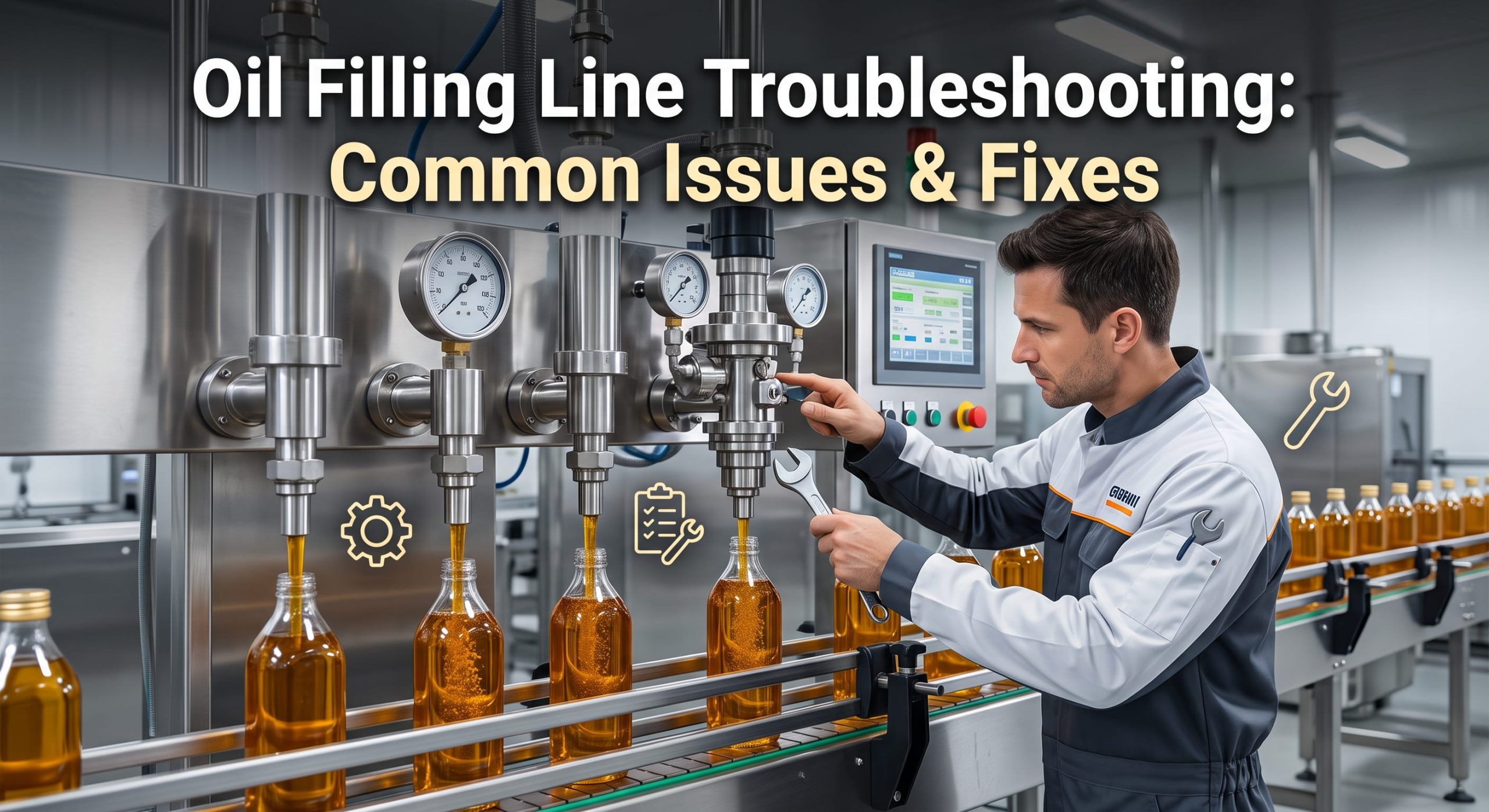
– نفذ جداول صيانة وقائية لضمان الأداء الأمثل وطول عمر أنظمة الأتمتة.
– استفد من تحليلات البيانات وخوارزميات التعلم الآلي لتحسين عمليات التعبئة والتغليف وتقليل وقت التوقف عن العمل.
– تعاون مع خبراء وموردي الأتمتة لاستكشاف حلول مبتكرة مصممة خصيصاً لمتطلباتك المحددة.
اتجاهات السوق ورؤى الصناعة
تشهد صناعة أتمتة التعبئة والتغليف تطورات كبيرة في تقنيات الروبوتات، والذكاء الاصطناعي، والرؤية الآلية. يركز المصنعون بشكل متزايد على حلول الأتمتة المعيارية والقابلة للتخصيص لتلبية متطلبات السوق المتطورة. مع صعود التجارة الإلكترونية ومتطلبات التعبئة والتغليف الشخصية، تتحول اتجاهات الأتمتة نحو المرونة، والاستدامة، وفعالية التكلفة.
التحديات والحلول
تشمل التحديات الشائعة في أتمتة التعبئة والتغليف تكاليف الاستثمار الأولية، وتعقيدات التكامل، والحاجة إلى فنيين مهرة. يمكن للمصنعين التغلب على هذه التحديات من خلال إجراء تحليلات شاملة للعائد على الاستثمار (ROI)، والبحث عن خيارات التمويل، والشراكة مع استشاريي الأتمتة، والاستثمار في برامج تدريب الموظفين. يمكن أن يساعد تنفيذ نهج مرحلي لتبني الأتمتة أيضاً في إدارة المخاطر وضمان التنفيذ الناجح.
الاستدامة والتوقعات المستقبلية
في السعي نحو حلول تعبئة وتغليف مستدامة، يركز المصنعون بشكل متزايد على المواد الصديقة للبيئة، والعمليات الموفرة للطاقة، واستراتيجيات تقليل النفايات. تلعب أتمتة التعبئة والتغليف دوراً حاسماً في تعزيز الاستدامة من خلال تحسين استخدام المواد، وتقليل البصمة الكربونية، وتعزيز قابلية إعادة التدوير. وبالنظر إلى المستقبل، يكمن مستقبل أتمتة التعبئة والتغليف في تقنيات مبتكرة تعطي الأولوية للحفاظ على البيئة، والكفاءة التشغيلية، وواجهات المستخدم سهلة الاستخدام.
ختاماً، يعد البقاء على اطلاع بأحدث اتجاهات أتمتة التعبئة والتغليف أمراً ضرورياً للمصنعين الذين يسعون إلى تعزيز قدرتهم التنافسية وكفاءتهم في السوق العالمية. من خلال تبني تقنيات الأتمتة، وتحسين سير العمل التشغيلي، واعتماد ممارسات مستدامة، يمكن للمصنعين تحقيق نجاح طويل الأمد وتلبية متطلبات المستهلكين المتطورة في مشهد التصنيع الديناميكي.