
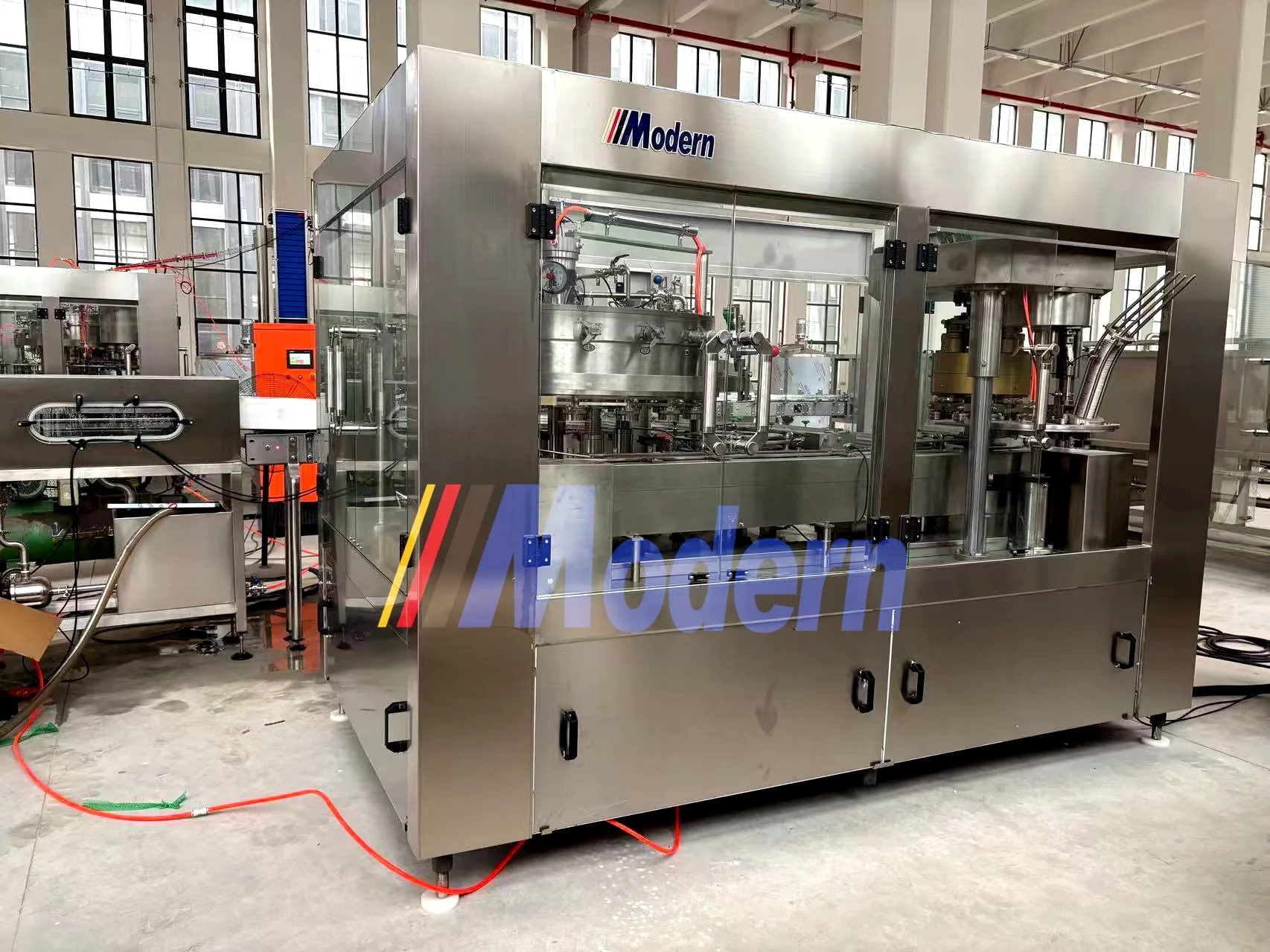
يمكن أن يكون التفاوض مع مصنعي الآلات جزءاً معقداً وحيوياً من عملية الشراء للشركات العاملة في قطاعات مثل التصنيع والبناء والزراعة. تعد مهارات التفاوض الفعالة ضرورية للحصول على أفضل الصفقات، وضمان جودة المنتجات، وإقامة شراكات طويلة الأمد مع المصنعين. في هذا المقال، سنناقش نصائح واستراتيجيات قيمة للتفاوض مع مصنعي الآلات لمساعدتك على تحقيق أهداف عملك بنجاح.
فهم احتياجاتك وتفضيلاتك
قبل الدخول في مفاوضات مع مصنعي الآلات، من الضروري أن يكون لديك فهم واضح لاحتياجات مؤسستك وتفضيلاتها المحددة. ويشمل ذلك تحديد نوع الآلات المطلوبة، والميزات والمواصفات المرغوبة، ومعايير الجودة المتوقعة، وقيود الميزانية، والجداول الزمنية للتسليم. إن التواصل الواضح لمتطلباتك سيمكن المصنعين من تقديم حلول مخصصة تلبي توقعاتك.
البحث عن الموردين المحتملين
قبل بدء المفاوضات، قم بإجراء بحث شامل لتحديد مصنعي الآلات المحتملين الذين يتوافقون مع متطلباتك. ضع في اعتبارك عوامل مثل سمعة الصناعة، والقدرات التصنيعية، وجودة المنتج، وهياكل التسعير، ودعم ما بعد البيع، وأي شهادات أو اعتمادات ذات صلة. اطلب مراجع وشهادات من عملاء سابقين لتقييم سجل أداء المصنع ومستويات رضا العملاء.
بناء علاقات قوية
إن إقامة علاقات قوية مع مصنعي الآلات هو مفتاح النجاح في المفاوضات والشراكات طويلة الأمد. أعط الأولوية للشفافية، والتواصل المفتوح، والاحترام المتبادل طوال عملية التفاوض. من خلال تعزيز علاقة تعاونية قائمة على الثقة، يمكنك تجاوز التحديات بفعالية والعمل نحو تحقيق نتائج مفيدة للطرفين.
تحديد أهداف وتوقعات واضحة
حدد أهداف التفاوض والنتائج المرجوة بوضوح قبل التعامل مع مصنعي الآلات. حدد المعايير الرئيسية مثل التسعير، وشروط الدفع، وجداول التسليم، والضمانات، وأي متطلبات تخصيص. تواصل بشأن توقعاتك بصراحة واسعَ للاتفاق على شروط محددة لتجنب سوء الفهم أو النزاعات لاحقاً في العملية.
المرونة والقدرة على التكيف
على الرغم من أهمية وجود مجموعة واضحة من الأهداف، فإن المرونة والقدرة على التكيف لا تقل أهمية أثناء المفاوضات. كن مستعداً لاستكشاف حلول بديلة، أو تقديم تنازلات بشأن جوانب معينة، أو تعديل متطلباتك بناءً على ملاحظات المصنعين. يمكن أن تؤدي إظهار المرونة إلى تسهيل المناقشات المثمرة والتوصل إلى حلول مبتكرة تفيد كلا الطرفين.
تكتيكات واستراتيجيات التفاوض
يتطلب التفاوض الفعال تطبيق تكتيكات واستراتيجيات متنوعة لتحقيق نتائج إيجابية. تشمل بعض التكتيكات الشائعة تحديد نقاط الارتكاز، وتحديد نطاق للتفاوض، واستخدام الصمت بشكل استراتيجي، والتأكيد على القيمة بدلاً من السعر، وخلق سيناريوهات مربحة للطرفين. كن مستعداً للتفاوض على جبهات متعددة، مثل التسعير، وشروط الضمان، وجداول التسليم، والخدمات أو الدعم الإضافي.
إجراء العناية الواجبة
قبل الانتهاء من أي اتفاقيات، قم بإجراء فحص دقيق (العناية الواجبة) لمصنع الآلات للتحقق من أوراق اعتماده، واستقراره المالي، وعمليات الإنتاج، وتدابير مراقبة الجودة. اطلب زيارات للمصنع أو عينات من المنتجات لتقييم جودة عروضهم بشكل مباشر. انتبه لأي علامات تحذيرية أو تناقضات قد تشير إلى مخاطر أو مخاوف محتملة.
طلب المشورة القانونية
بالنسبة للمفاوضات المعقدة أو ذات القيمة العالية، فكر في طلب مشورة قانونية لمراجعة العقود والتفاوض بشأنها مع مصنعي الآلات. يمكن للخبراء القانونيين المساعدة في تحديد المخاطر المحتملة، وتوضيح الشروط والالتزامات القانونية، والتأكد من أن الاتفاقية تتماشى مع مصالح مؤسستك. يمكن للعقد المصاغ جيداً أن يوفر الحماية والوضوح لكلا الطرفين.
التواصل المستمر والتغذية الراجعة
يعد التواصل الفعال والتغذية الراجعة عناصر أساسية لنجاح المفاوضات مع مصنعي الآلات. حافظ على اتصال منتظم مع المصنع لمعالجة أي مشكلات، وتقديم تحديثات حول التقدم المحرز، وطلب ملاحظات حول الشراكة. يمكن أن تساعد التغذية الراجعة البناءة في تحسين التعاون، وحل النزاعات، وتعزيز تجربة التفاوض الشاملة.
إدارة العلاقات بعد التفاوض
بعد التوصل إلى اتفاق ناجح، ركز على بناء ورعاية العلاقة مع مصنع الآلات. حافظ على قنوات اتصال مفتوحة، وأوفِ بالتزاماتك في الوقت المناسب، وقدم ملاحظات حول أداء الآلات أو الخدمات المستلمة. يمكن أن تؤدي استدامة علاقة إيجابية إلى فرص مستقبلية للتعاون وفوائد محتملة لكلا الطرفين.
الخلاصة
يتطلب التفاوض مع مصنعي الآلات تخطيطاً دقيقاً، وتواصلاً فعالاً، واتخاذ قرارات استراتيجية لتحقيق النتائج المرجوة. من خلال اتباع النصائح والاستراتيجيات الموضحة في هذا المقال، يمكن للشركات تعزيز مهاراتها في التفاوض، وتأمين اتفاقيات مفيدة، وإقامة شراكات ناجحة مع المصنعين. تذكر أن تعطي الأولوية للمهنية، والاحترام، والتعاون طوال عملية التفاوض لبناء علاقات قوية ومستدامة على المدى الطويل.


