
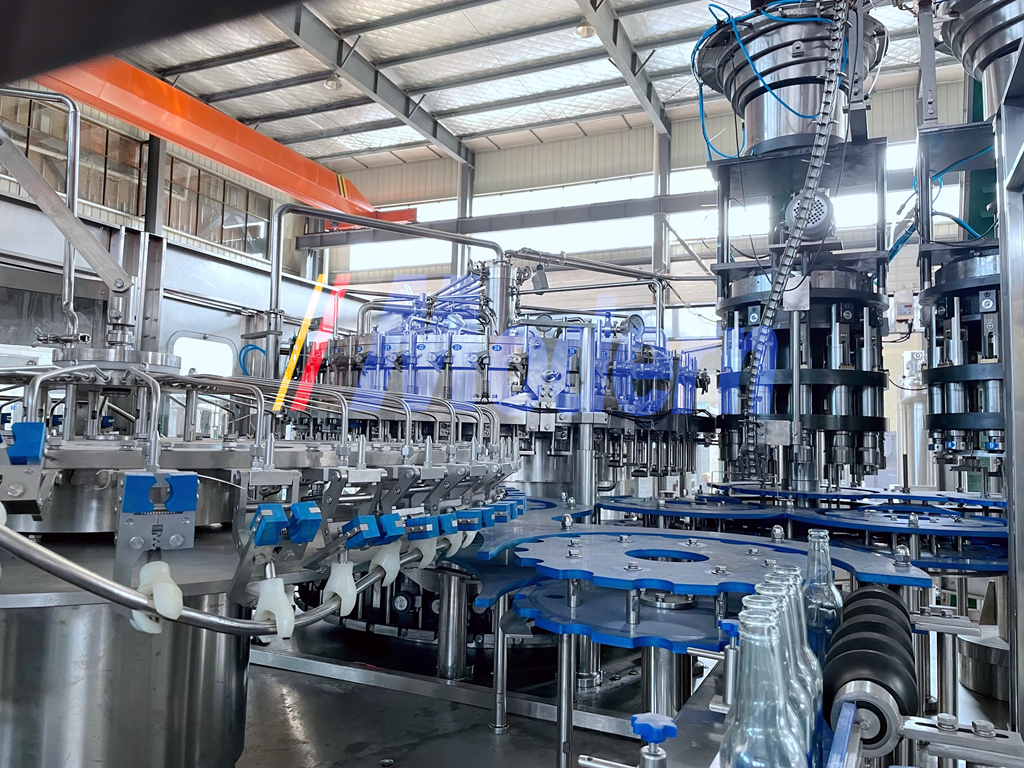
مرحباً بكم في دليلنا الشامل حول تصميم مصنع مشروبات غازية صغير الحجم. في سوق اليوم، يستمر الطلب على المشروبات الفريدة وعالية الجودة في الارتفاع. يمكن أن يكون إنشاء منشأة تصنيع المشروبات الغازية الخاصة بك مشروعاً مربحاً، بشرط الالتزام بأفضل ممارسات الصناعة واتباع عملية تصميم منهجية. تهدف هذه المقالة إلى تقديم رؤى عملية ونصائح قابلة للتنفيذ لتصميم مصنع ناجح للمشروبات الغازية على نطاق صغير.
أبحاث السوق وتطوير المفهوم
قبل الشروع في عملية التصميم، قم بإجراء أبحاث سوقية شاملة لتحديد الاتجاهات الحالية، وتفضيلات المستهلكين، والمنافسين المحتملين. ضع مفهوماً واضحاً لعلامتك التجارية للمشروبات الغازية، بما في ذلك نوع المشروبات التي تنوي إنتاجها، والفئة المستهدفة، وعوامل التميز الرئيسية. إن فهم السوق المستهدف أمر ضروري لتصميم مصنع يلبي احتياجاتهم وتوقعاتهم.
تخطيط المصنع واختيار المعدات
عند تصميم تخطيط مصنع المشروبات الغازية صغير الحجم، ضع في اعتبارك عوامل مثل كفاءة سير العمل، ومعايير النظافة، وقابلية التوسع في المستقبل. أنشئ مناطق متميزة لكل مرحلة من مراحل عملية الإنتاج، بما في ذلك تخزين المكونات، والخلط والمزج، والتعبئة، ووضع الملصقات، والتغليف. استثمر في معدات عالية الجودة تناسب حجم عملياتك، مع ضمان توافقها مع لوائح الصناعة ومعايير الجودة.
الاعتبارات الرئيسية لاختيار المعدات تشمل:
- اختيار معدات من الفولاذ المقاوم للصدأ (ستانلس ستيل) لضمان المتانة وسهولة التنظيف
- الاستثمار في آلات تعبئة وإغلاق موثوقة لضمان جودة المنتج بشكل ثابت
- اختيار أجهزة قياس ومراقبة دقيقة لضبط الجودة
- تنفيذ أنظمة تبريد فعالة للحفاظ على نضارة المنتج
معالجة المياه وضبط الجودة
تعد المياه مكوناً حيوياً في إنتاج المشروبات الغازية، حيث تؤثر على الطعم والنقاء وسلامة المنتج النهائي. قم بتنفيذ نظام شامل لمعالجة المياه لضمان أن المياه المستخدمة في مشروباتك تلبي معايير الجودة الصارمة. قم بإجراء اختبارات وتحليلات دورية لمراقبة تركيب المياه وإجراء التعديلات اللازمة للحفاظ على الاتساق.
التعبئة والتغليف ووضع الملصقات
تلعب عملية التعبئة ووضع الملصقات على مشروباتك الغازية دوراً مهماً في جذب المستهلكين وإيصال هوية علامتك التجارية. اختر مواد تعبئة متينة وصحية وجذابة بصرياً. صمم ملصقات تتوافق مع المتطلبات التنظيمية وتنقل بفعالية معلومات المنتج وعناصر العلامة التجارية والرسائل التسويقية.
نصائح رئيسية للتعبئة والتغليف ووضع الملصقات:
- اختر حلول تغليف صديقة للبيئة لتتماشى مع اتجاهات الاستدامة
- ابتكر تصميمات ملصقات جذابة تبرز على أرفف المتاجر
- تضمين المعلومات الأساسية مثل المكونات، والحقائق الغذائية، وتواريخ انتهاء الصلاحية
- فكر في تنسيقات تعبئة فريدة، مثل العلب المعدنية، أو الزجاجات الزجاجية، أو عبوات PET، بناءً على تفضيلات السوق المستهدف
الامتثال التنظيمي وسلامة الغذاء
تأكد من أن مصنع المشروبات الغازية صغير الحجم الخاص بك يلتزم بجميع المتطلبات التنظيمية ومعايير الصناعة ذات الصلة. طبق ممارسات قوية لسلامة الغذاء، بما في ذلك بروتوكولات التعقيم، وتدابير مكافحة الآفات، وتدريب الموظفين على إجراءات النظافة والسلامة. احتفظ بسجلات مفصلة لعمليات الإنتاج، ومصادر المكونات، وتدابير ضبط الجودة لتسهيل عمليات التدقيق والتفتيش.
ضمان الجودة واختبار المنتج
أنشئ برنامجاً شاملاً لضمان الجودة لمراقبة عملية الإنتاج بأكملها وضمان اتساق وسلامة مشروباتك الغازية. قم بإجراء اختبارات دورية للمنتج للتحقق من الخصائص الحسية، والسلامة الميكروبيولوجية، واستقرار فترة الصلاحية. تعامل مع مختبرات معتمدة لإجراء اختبارات مستقلة للتحقق من جودة منتجاتك وإثبات الامتثال للمعايير التنظيمية.
التحسين المستمر والابتكار
حافظ على تفوقك في المنافسة من خلال تعزيز ثقافة التحسين المستمر والابتكار داخل مصنع المشروبات الغازية الخاص بك. شجع تلقي الملاحظات من العملاء والموظفين وخبراء الصناعة لتحديد مجالات التطوير وتطوير منتجات جديدة. تبنَّ التقنيات والاتجاهات الناشئة في إنتاج المشروبات لتمييز علامتك التجارية والحفاظ على أهميتها في السوق.
الخلاصة
يتطلب تصميم مصنع ناجح للمشروبات الغازية صغير الحجم تخطيطاً دقيقاً، واهتماماً بالتفاصيل، والتزاماً بالجودة. من خلال اتباع النصائح الموضحة في هذا الدليل والتركيز على الجوانب الرئيسية مثل أبحاث السوق، وتخطيط المصنع، ومعالجة المياه، والتعبئة، والامتثال التنظيمي، والتحسين المستمر، يمكنك إنشاء عملية تصنيع مشروبات مزدهرة. تذكر أن نجاح مصنع المشروبات الغازية الخاص بك يعتمد على تقديم منتجات استثنائية تلقى صدى لدى المستهلكين وتلتزم بأعلى معايير الجودة والابتكار.
نأمل أن تكون هذه المقالة قد قدمت رؤى قيمة ونصائح عملية لتصميم وتشغيل مصنع مشروبات غازية صغير الحجم. حظاً موفقاً في رحلتك لإنشاء مشروبات لذيذة ومنعشة تأسر براعم تذوق المستهلكين في جميع أنحاء العالم!


