
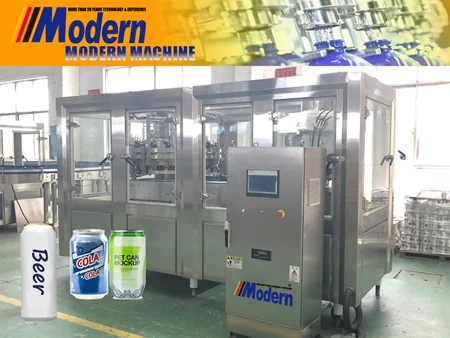
مع استمرار تطور الصناعات، شهد قطاع التعبئة والتغليف تطورات ملحوظة، لا سيما في عمليات التعبئة والإغلاق التي تعد حاسمة للمنتجات المعلبة. لقد أثبتت آلات تعبئة وإغلاق العلب أنها مكونات أساسية في تصنيع الأغذية والمشروبات، حيث توفر كفاءة ودقة وضمان جودة محسّنة. يتعمق هذا المقال في الدور المحوري لهذه الآلات، وآليات تشغيلها، ومجموعة المزايا التي تقدمها، ورؤى عملية للشركات التي تفكر في تنفيذها.
فهم عملية تعبئة وإغلاق العلب
تتضمن عملية التعليب عدة خطوات، حيث تلعب التعبئة والإغلاق دوراً حاسماً. تشير تعبئة العلب عادةً إلى إدخال المنتج في العلبة، سواء كان مادة سائلة أو صلبة أو شبه صلبة. بعد ذلك، تأتي عملية الإغلاق وهي عملية إحكام غلق العلبة بشكل آمن. يجب تنفيذ هاتين المرحلتين بدقة للحفاظ على سلامة المحتويات وفترة صلاحيتها.
تعمل آلات التعبئة والإغلاق على أتمتة هذه العمليات، مما يقلل بشكل كبير من الخطأ البشري ويزيد من سرعة الإنتاج. تدمج Modern Machinery تكنولوجيا متقدمة، مما يسمح بأحجام تعبئة دقيقة، وسلامة ثابتة للدرزات، وتدابير سلامة معززة.
أنواع آلات تعبئة العلب
هناك أنواع مختلفة من آلات تعبئة العلب المصممة لتلبية احتياجات المنتجات وبيئات الإنتاج المختلفة. تندرج هذه الآلات عموماً تحت الفئات التالية:
- حشوات حجمية: تقوم هذه الآلات بقياس كمية محددة مسبقاً من المنتج قبل تعبئة العلبة. وهي تحظى بشعبية كبيرة نظراً لبساطتها وفعاليتها.
- حشوات الوزن: تُستخدم بشكل أساسي في التطبيقات التي تكون فيها القياسات الدقيقة أمراً بالغ الأهمية، حيث تقوم حشوات الوزن بوزن المنتج قبل تعبئته في العلبة.
- آلات التعبئة بالمكبس: تعتبر حشوات المكبس الأنسب للمنتجات اللزجة، حيث تحرك المنتج من خلال آلية مكبس، مما يسمح بتحكم أفضل في المواد السميكة.
- آلات التعبئة بالجاذبية: تعتمد هذه الآلات على الجاذبية لتعبئة العلب، مما يجعلها مناسبة للسوائل ذات اللزوجة المنخفضة وتوفر عملية تشغيل مباشرة.
- آلات التعبئة بالضغط: بالنسبة للمشروبات الغازية، تضمن حشوات الضغط تعبئة المنتج تحت ضغط لمنع الرغوة وفقدان المنتج أثناء العملية.
فهم آلات الإغلاق
بعد عملية التعبئة، يعد الإغلاق أمراً بالغ الأهمية لضمان أن تكون العلبة محكمة الإغلاق ومقاومة للتسرب. تقوم آلات الإغلاق بذلك عن طريق دحرجة طرف العلبة على الجسم في سلسلة من العمليات الميكانيكية، مما يخلق سدادة محكمة الإغلاق. تشمل الأنواع الرئيسية لآلات الإغلاق ما يلي:
- آلات الإغلاق الفردية والمزدوجة: تنشئ هذه الآلات درزات فردية أو مزدوجة اعتماداً على متطلبات عملية التعليب.
- آلات الإغلاق الدوارة: مثالية لخطوط الإنتاج عالية السرعة، يمكن لهذه الآلات إغلاق عدد كبير من العلب بكفاءة في الدقيقة.
- آلات الإغلاق الخطية: تعمل هذه الآلات في خط مستقيم، وتُستخدم عادةً لعمليات الإنتاج الصغيرة ولكنها تسمح بسهولة التكامل مع الأنظمة الحالية.
فوائد استخدام آلات تعبئة وإغلاق العلب
يمكن أن يوفر تنفيذ آلات تعبئة وإغلاق العلب في عمليات التصنيع العديد من المزايا. تشمل بعض الفوائد المهمة ما يلي:
1. زيادة كفاءة الإنتاج
تعمل الأتمتة على تعزيز سرعة الإنتاج بشكل كبير. يمكن للآلات العمل بشكل مستمر مع الحد الأدنى من وقت التوقف، مما يسمح للمصنعين بتلبية طلبات الحجم الكبير دون المساس بالجودة.
2. تحسين الدقة والاتساق
الدقة لها أهمية قصوى في عملية التعبئة والإغلاق. تم تجهيز الآلات الحديثة بضوابط متقدمة تضمن تعبئة كل علبة بالكمية المناسبة من المنتج، مما يقلل من الهدر ويعزز توحيد المنتج.
3. تعزيز جودة المنتج
مع تقنيات الإغلاق المحسنة، يتم تقليل مخاطر التلوث والتلف، وبالتالي إطالة فترة صلاحية المنتج. يضمن الإغلاق الفعال أيضاً الحفاظ على نكهة المحتويات وقيمتها الغذائية.
4. خفض تكاليف العمالة
على الرغم من أن الاستثمارات الأولية قد تكون كبيرة، إلا أن المدخرات طويلة الأجل في تكاليف العمالة يمكن أن تكون كبيرة. تقلل الأتمتة من الحاجة إلى التشغيل اليدوي، وبالتالي خفض نفقات العمالة والسماح بإعادة تخصيص الموارد البشرية لمجالات أكثر أهمية.
5. المرونة والتخصيص
تأتي آلات التعبئة والإغلاق الحديثة بخيارات قابلة للتخصيص لتلبية أنواع المنتجات والأحجام وتنسيقات العلب المختلفة. تسمح هذه المرونة للمصنعين بتنويع عروض منتجاتهم دون إجراء إصلاحات شاملة لخط الإنتاج الخاص بهم.
رؤى عملية للتنفيذ
عند التفكير في دمج آلات تعبئة وإغلاق العلب في خط الإنتاج الخاص بك، هناك العديد من الخطوات القابلة للتنفيذ وأفضل الممارسات لضمان النشر الناجح:
1. تقييم احتياجات الإنتاج
يعد فهم حجم الإنتاج وأنواع المنتجات التي تتم معالجتها أمراً ضرورياً. يجب على الشركات إجراء تحليل شامل لتحديد المواصفات اللازمة لعملياتها.
2. اختر الآلة المناسبة
بناءً على متطلبات الإنتاج، اختر آلات التعبئة والإغلاق المناسبة. قد تساعد الاستشارة مع خبراء الصناعة في تحديد التكنولوجيا التي تتوافق بشكل أفضل مع احتياجات العمل.
3. ضمان مراقبة الجودة
دمج تدابير مراقبة الجودة على طول خط الإنتاج. يمكن لعمليات التفتيش والصيانة الدورية للآلات التخفيف من المشكلات المتعلقة بعدم اتساق المنتج وعطل الآلات.
4. تدريب الموظفين بشكل مناسب
استثمر في تدريب موظفيك لضمان قدرتهم على تشغيل الآلات واستكشاف أخطائها وإصلاحها بفعالية. يمكن للقوى العاملة المدربة جيداً أن تساهم بشكل كبير في الحفاظ على كفاءة الإنتاج.
5. تحسين خط الإنتاج
قم بتقييم سير العمل العام وتخطيط خط الإنتاج لضمان أن دمج الآلات الجديدة لا يعطل العمليات الحالية. يمكن لخط الإنتاج المحسّن جيداً تسهيل الانتقالات الأكثر سلاسة وتعزيز المخرجات.
الخلاصة
يمثل تنفيذ آلات تعبئة وإغلاق العلب استثماراً كبيراً في القدرات التصنيعية لأي شركة. فمن خلال توفير مجموعة واسعة من المزايا، بدءاً من زيادة الكفاءة وصولاً إلى تحسين جودة المنتج، يمكن لهذه الآلات تعزيز عمليات الإنتاج بشكل كبير في قطاع الأغذية والمشروبات. وبينما تتخذ قرار دمج هذه التكنولوجيا، ضع في اعتبارك الرؤى العملية الموضحة لضمان انتقال سلس ومفيد.
في سوق يعطي الأولوية للكفاءة والجودة والاستدامة، فإن دمج تكنولوجيا تعبئة وإغلاق العلب الحديثة من Modern Machinery ليس مجرد خيار، بل ضرورة للمصنعين الذين يهدفون إلى الحفاظ على قدرتهم التنافسية.


