
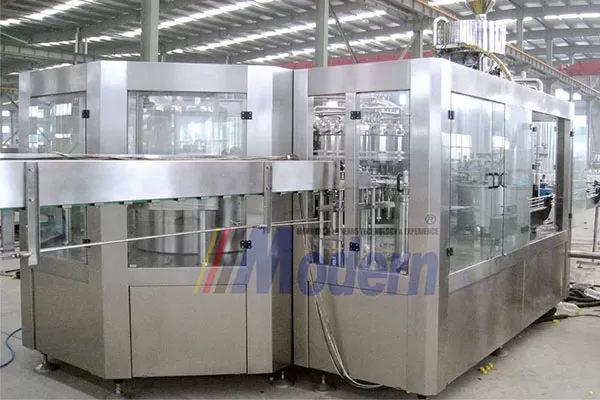
في عالم التغليف الذي يتطور باستمرار، لم يكن الطلب على الكفاءة والاستدامة والجودة أعلى من أي وقت مضى. ومن بين الأنظمة الآلية التي تلبي هذه الاحتياجات هي آلة التعبئة الساخنة. تلعب هذه التقنية دوراً محورياً في تعبئة مجموعة متنوعة من المنتجات الغذائية والمشروبات، مما يوفر مزايا كبيرة في الكفاءة التشغيلية وجودة المنتج. في هذا المقال، سنستكشف آلية العمل والفوائد والتطبيقات وأفضل الممارسات المرتبطة بآلات التعبئة الساخنة.
فهم تكنولوجيا التعبئة بالتعقيم الحراري
يشير مصطلح ‘التعبئة الساخنة’ إلى عملية ملء حاويات المنتجات بسائل في درجات حرارة مرتفعة، تتراوح عادة بين 80 درجة مئوية و95 درجة مئوية (176 درجة فهرنهايت إلى 203 درجة فهرنهايت). تُستخدم هذه الآلية بشكل خاص في تعبئة منتجات مثل العصائر والصلصات والحساء. تخدم درجة الحرارة المرتفعة غرضين أساسيين: فهي تضمن تعقيم المنتج وتطيل فترة صلاحيته عن طريق القضاء على التطور الميكروبي المحتمل داخل الحاوية.
تم تصميم آلات التعبئة الساخنة لتحمل درجات الحرارة العالية هذه مع الحفاظ على سلامة المنتج وجودته. وغالباً ما يشتمل تصميمها على أنظمة مراقبة متقدمة لضمان تحكم دقيق في درجة الحرارة طوال عملية التعبئة، مما يقلل من تلف المنتج ويعزز المذاق للمشروبات أو المواد الغذائية.
المكونات الرئيسية لآلة التعبئة الساخنة
للحصول على فهم شامل لآلات التعبئة الساخنة، من المهم التعمق في مكوناتها الرئيسية:
1. نظام التسخين
يعد نظام التسخين حيوياً لرفع درجة حرارة المنتج إلى المستويات المطلوبة. يمكن استخدام طرق متنوعة، بما في ذلك ضخ البخار أو التسخين المباشر، لتحقيق النتائج المثلى.
2. آلية التعبئة
هذا المكون مسؤول عن نقل المنتج المسخن إلى الحاويات. تشمل آليات التعبئة الشائعة الأنظمة التي تعمل بالجاذبية، والأنظمة التي تعمل بالضغط، وتقنية التعبئة بالتفريغ، حيث يوفر كل منها مزايا فريدة بناءً على نوع المنتج وتصميم الحاوية.
3. نظام مناولة الحاويات
تعد المناولة الفعالة للحاويات ضرورية للحفاظ على سرعة الإنتاج ودقته. غالباً ما تدمج آلات التعبئة الساخنة الحديثة أنظمة آلية لضمان وضع الحاويات بشكل صحيح للتعبئة والإغلاق ووضع الملصقات.
4. نظام التبريد
بعد التعبئة، يجب تبريد الحاويات بسرعة لضمان سلامة المنتج. تعد حصائر التبريد أو حمامات المياه جزءاً أساسياً من آلة التعبئة الساخنة، حيث تمنع ارتفاع درجة الحرارة والتلف المحتمل.
فوائد استخدام آلات التعبئة الساخنة
يأتي استخدام آلات التعبئة الساخنة مع مجموعة من المزايا التي يمكن أن تعزز بشكل كبير الكفاءة التشغيلية للشركة وجودة المنتج:
1. الحفاظ على الجودة الغذائية
من خلال ملء الحاويات في درجات حرارة عالية، تحافظ تقنية التعبئة الساخنة بفعالية على القيمة الغذائية للمواد الغذائية والمشروبات. تقلل هذه الطريقة من التعرض للهواء، مما يقلل من الأكسدة ويحافظ على النكهة والقوام.
2. زيادة العمر الافتراضي
يخلق الجمع بين درجة الحرارة العالية والحاويات المحكمة الإغلاق تأثيراً مفرغاً من الهواء أثناء تبريدها. يمنع هذا الإغلاق المحكم نمو البكتيريا ويطيل فترة صلاحية المنتج، مما يجعله مثالياً لكل من المصنعين والمستهلكين.
3. معدلات إنتاج فعالة
تم تصميم آلات التعبئة الساخنة لتحقيق كفاءة عالية، مما يسمح للمنتجين بمعالجة كميات أكبر مع وقت توقف أقل. تعمل سرعة التعبئة، جنباً إلى جنب مع أنظمة المناولة والإغلاق الآلية، على خفض التكاليف التشغيلية مع تلبية متطلبات المستهلكين المتزايدة.
4. تطبيقات متنوعة
يمكن لتقنية التعبئة الساخنة استيعاب مجموعة متنوعة من المنتجات، بدءاً من عصائر الفاكهة والعصائر المخفوقة (سموذي) وصولاً إلى صلصات المعكرونة والوجبات الجاهزة للأكل. تجعل هذه المرونة منها خياراً شائعاً عبر مختلف الصناعات التي تحاول تلبية تفضيلات المستهلكين المتنوعة.
تطبيقات آلات التعبئة الساخنة
تطبيقات آلات التعبئة الساخنة واسعة النطاق، مما يؤكد أهميتها في قطاع الأغذية والمشروبات:
1. المشروبات
غالباً ما تخضع العصائر والعصائر المخفوقة والشاي والمياه المنكهة لعمليات التعبئة الساخنة. يساعد الإغلاق الفوري بعد التعبئة في الحفاظ على النكهات والمحتوى الغذائي مع ضمان الاستهلاك الآمن.
2. الصلصات والتوابل
يمكن للمواد مثل الكاتشب والصلصات والتتبيلات الاستفادة من التعبئة الساخنة. تقضي عملية درجات الحرارة العالية على مسببات الأمراض مع حبس النكهة، مما يحسن جودة المنتج وسلامته.
3. الأطعمة الجاهزة
يتم تعبئة منتجات مثل الحساء واليخنات والوجبات المطهية مسبقاً بشكل متزايد باستخدام تقنية التعبئة الساخنة. وهذا يسمح بالراحة دون المساس بمذاق الوجبة وطزاجتها.
التحديات والاعتبارات
بينما تقدم آلات التعبئة الساخنة فوائد عديدة، هناك تحديات يجب أن يكون المصنعون على دراية بها:
1. تكاليف المعدات
يمكن أن يأتي الاستثمار في آلات التعبئة الساخنة بتكلفة رأسمالية أولية كبيرة. ومع ذلك، غالباً ما تجد العديد من الشركات أن العائد على الاستثمار يبرر التكاليف بمرور الوقت من خلال زيادة الكفاءة وجودة المنتج.
2. متطلبات الصيانة
تعد الصيانة الدورية أمراً حيوياً للتشغيل المستمر لآلات التعبئة الساخنة. يجب على المالكين ضمان إجراء فحوصات وخدمة روتينية للمكونات، بما في ذلك وحدات التسخين وصمامات التعبئة، لمنع فترات التوقف التي يمكن أن تعطل الإنتاج.
3. توافق المنتج
ليست كل المنتجات مناسبة للتعبئة الساخنة. يجب على المصنعين إجراء اختبارات شاملة لضمان قدرة تركيباتهم على تحمل درجات الحرارة العالية دون الخضوع لتغيرات غير مرغوب فيها في المذاق أو القوام.
أفضل الممارسات لتشغيل التعبئة الساخنة
لتحسين أداء آلات التعبئة الساخنة وضمان أفضل جودة للمنتج، ضع في اعتبارك أفضل الممارسات التالية:
1. المراقبة المستمرة
استخدم مستشعرات متطورة لمراقبة درجة حرارة المنتج والتأكد من بقائها ضمن النطاق المطلوب طوال عملية التعبئة. تساعد هذه المراقبة في الحفاظ على معايير الجودة والسلامة.
2. المعايرة الدورية
قم بمعايرة مكونات الآلات بانتظام لضمان الدقة في عمليات التعبئة والإغلاق. تمنع هذه المعايرة التناقضات التي يمكن أن تؤثر على جودة المنتج.
3. تدريب الموظفين
استثمر الوقت في تدريب الموظفين على تشغيل وصيانة آلات التعبئة الساخنة. الموظفون ذوو المعرفة ضروريون لتحديد المشكلات المحتملة قبل أن تؤثر على كفاءة الإنتاج.
4. اختيار مواد التغليف
اختر حاويات مناسبة يمكنها تحمل الحرارة والحفاظ على السلامة الهيكلية أثناء عملية التعبئة. يجب إعطاء الأولوية للمواد التي توفر ثباتاً حرارياً لتعزيز السلامة والجودة.
الخلاصة
تمثل آلات التعبئة الساخنة تقدماً حاسماً في تقنية التغليف المستخدمة في صناعة الأغذية والمشروبات. بفضل قدرتها على تعزيز جودة المنتج، وإطالة فترة الصلاحية، وتلبية التطبيقات المتنوعة، تعد هذه الآلات حيوية في تلبية طلب المستهلكين على منتجات غذائية آمنة ومغذية ولذيذة. إن فهم تشغيلها وفوائدها وأفضل الممارسات يمكن أن يمنح الشركات ميزة تنافسية في سوق مزدحم بشكل متزايد. مع استمرار الصناعة في التطور نحو الاستدامة والكفاءة، ستظل تقنية التعبئة الساخنة بلا شك مكوناً حاسماً في حلول التغليف الحديثة.


