
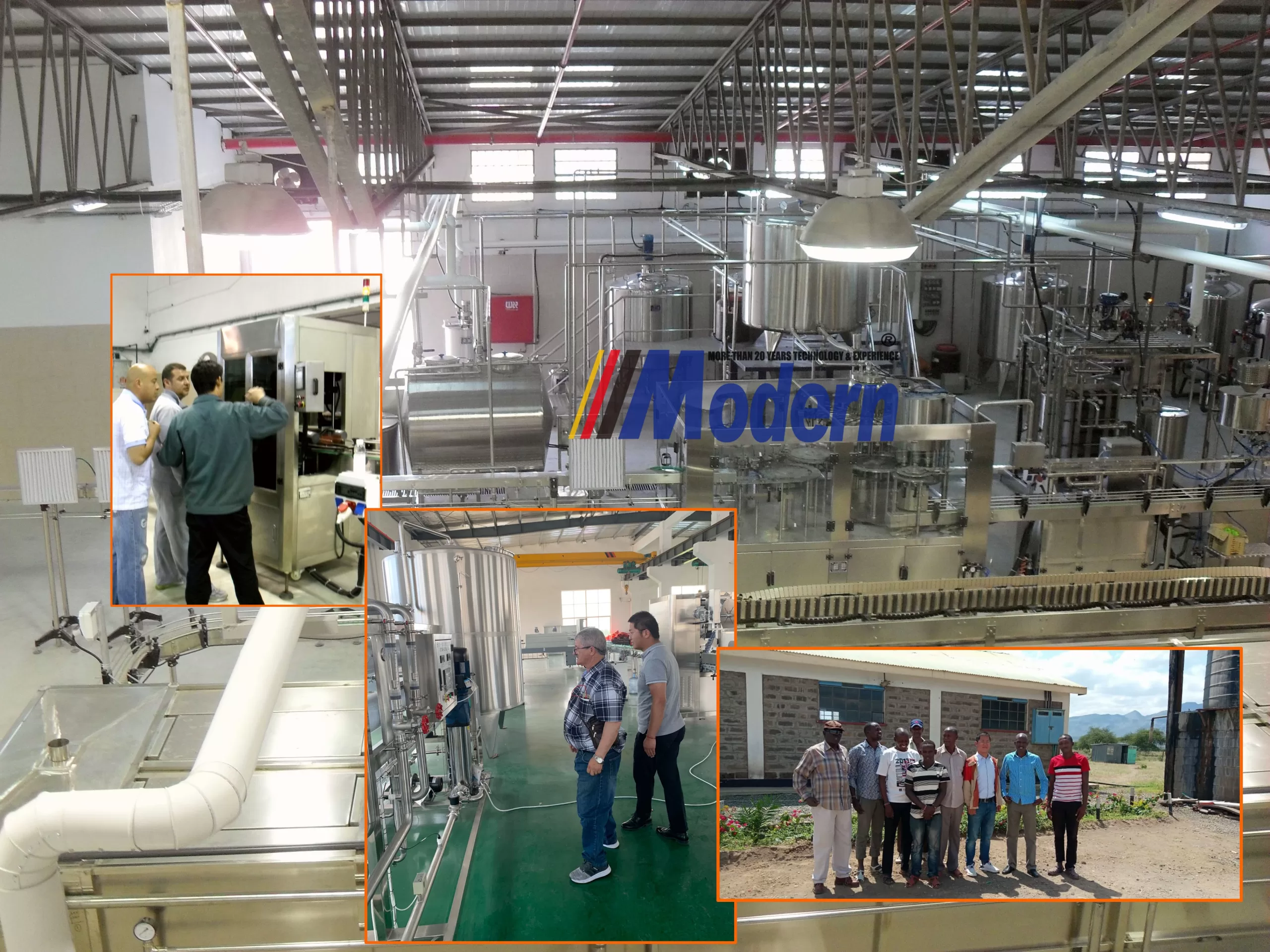
في سوق المستهلكين سريع الخطى اليوم، أصبحت كفاءة عمليات الإنتاج أمراً بالغ الأهمية. تلعب آلات تعبئة المشروبات دوراً حاسماً في هذا المشهد، حيث توفر حلاً ضرورياً لاحتياجات تعبئة المشروبات المختلفة. إن فهم وظائفها وأنواعها وفوائدها والعوامل التي تؤثر على فعاليتها يمكن أن يساعد الشركات في تحسين عملياتها. تتعمق هذه المقالة في الأبعاد المتعددة لآلات تعبئة المشروبات، وتقدم رؤى عملية ونصائح قابلة للتنفيذ لأصحاب المصلحة المشاركين في إنتاج وتوزيع المشروبات.
فهم آلات تعبئة المشروبات
آلات تعبئة المشروبات هي معدات متخصصة مصممة لتعبئة الحاويات بالسوائل بكفاءة ودقة. وهي تلبي مجموعة متنوعة من المنتجات، بما في ذلك المشروبات الغازية والعصائر والمياه ومنتجات الألبان. تضمن هذه الآلات تعبئة كل حاوية بالحجم المطلوب، مما يقلل من الهدر ويحافظ على معايير الجودة.
على المستوى الأساسي، يمكن تصنيف آلات التعبئة بناءً على آليات تشغيلها. تشمل هذه الفئات آلات التعبئة بالجاذبية، وآلات التعبئة بالضغط، وآلات التعبئة بالتفريغ (الفراغ)، وآلات التعبئة بالمكبس. يؤدي كل نوع وظائف متميزة وهو مناسب لخصائص منتج معينة، مما يجعل اختيار الآلة المناسبة أمراً محورياً للنجاح التشغيلي.
أنواع آلات تعبئة المشروبات
آلات التعبئة بالجاذبية
تعمل آلات التعبئة بالجاذبية بناءً على مبدأ الجاذبية، مما يسمح للسوائل بالتدفق إلى الحاويات عبر آلية مباشرة. غالباً ما يُستخدم هذا النوع من آلات التعبئة للمنتجات غير اللزجة، مثل الماء والعصائر. تسمح بساطة آلات التعبئة بالجاذبية بسهولة الصيانة وانخفاض تكاليف التشغيل، مما يجعلها مثالية لمنشآت الإنتاج الصغيرة إلى المتوسطة.
آلات التعبئة بالضغط
على عكس آلات التعبئة بالجاذبية، تستفيد آلات التعبئة بالضغط من أنظمة ضغط الغاز لتعبئة الحاويات بسرعة. هذه الطريقة مفيدة بشكل خاص للمشروبات الغازية، لأنها تقلل من الرغوة أثناء عملية التعبئة. يمكن أن تكون آلات التعبئة بالضغط مؤتمتة للغاية، مما يعزز سرعة الإنتاج وكفاءته، وهو أمر بالغ الأهمية للسيناريوهات ذات الطلب المرتفع.
آلات التعبئة بالتفريغ (Vacuum Fillers)
تخلق آلات التعبئة بالتفريغ (الفراغ) ضغطاً جوياً منخفضاً يسحب السائل إلى الحاويات. تعتبر طريقة التعبئة هذه حيوية للمنتجات التي قد تتأثر بالتعرض للهواء، مثل بعض العصائر والصلصات. تضمن عملية التفريغ أن تكون التعبئة دقيقة وتحد من خطر الأكسدة، وبالتالي الحفاظ على جودة المنتج الإجمالية.
آلات التعبئة المكبسية
تستخدم آلات التعبئة بالمكبس آلية تعمل بالمكبس لتفريغ حجم معين من السائل في الحاويات. يُستخدم هذا النوع من التعبئة بشكل شائع للمنتجات اللزجة، مثل الصلصات والشراب. إن تعدد استخدامات آلات التعبئة بالمكبس ودقتها يجعلها مفضلة في الصناعات التي يكون فيها التحكم في الحصص أمراً بالغ الأهمية.
فوائد الاستثمار في آلات تعبئة المشروبات
يوفر الاستثمار في آلات تعبئة المشروبات العديد من المزايا للمنتجين، بدءاً من الكفاءة وخفض التكاليف وصولاً إلى تحسين سلامة المنتج وجودته. فيما يلي العديد من الفوائد الرئيسية:
تعزيز الكفاءة
تم تصميم آلات تعبئة المشروبات الحديثة لزيادة الإنتاجية إلى أقصى حد مع تقليل وقت التوقف عن العمل. تلغي ميزات الأتمتة الحاجة إلى العمل اليدوي، مما يسمح للمشغلين بالتركيز على جوانب حيوية أخرى من الإنتاج. من خلال تبسيط عملية التعبئة، يمكن للشركات زيادة الإنتاج بشكل كبير، وتلبية طلب المستهلكين بفعالية أكبر.
الاتساق ومراقبة الجودة
الاتساق أمر بالغ الأهمية في تصنيع المنتجات، لا سيما في صناعة المشروبات حيث يتوقع العملاء التوحيد. تضمن آلات التعبئة، سواء كانت تعتمد على الوزن أو الحجم، تعبئة كل حاوية بنفس المستوى، مما يحافظ على جودة المنتج ويقلل من الهدر. تعمل المستشعرات وأنظمة التحكم المتقدمة على تعزيز دقة القياسات، مما يضمن الامتثال لمعايير الصناعة.
توفير التكاليف
على الرغم من أن الاستثمار الأولي في آلات تعبئة المشروبات قد يكون كبيراً، إلا أن وفورات التكلفة على المدى الطويل يمكن أن تكون كبيرة. مع انخفاض تكاليف العمالة، وتقليل هدر المنتج، وزيادة كفاءة الإنتاج، يمكن للشركات تحقيق عائد سريع على الاستثمار. علاوة على ذلك، قد تؤدي زيادة العمر الافتراضي للمنتج بفضل طرق التعبئة الأفضل إلى انخفاض الخسائر الناتجة عن انتهاء صلاحية المنتجات.
المرونة في الإنتاج
توفر العديد من آلات التعبئة المعاصرة تكوينات قابلة للتعديل تسمح للمصنعين بالتبديل بين أنواع المنتجات المختلفة بأقل وقت توقف. هذه المرونة حاسمة في سوق دائم التغير حيث يمكن أن تتغير تفضيلات المستهلك بسرعة. على سبيل المثال، قد تكون آلة واحدة قادرة على التعامل مع كل من المشروبات الغازية وغير الغازية، مما يلبي احتياجات السوق المتنوعة.
العوامل المؤثرة في اختيار آلات تعبئة المشروبات
يجب أن يسترشد اختيار آلة تعبئة المشروبات المناسبة بعدة عوامل أساسية. إن فهم هذه العوامل قد يؤدي إلى كفاءة تشغيلية أفضل وقدرات إنتاجية معززة.
خصائص المنتج
طبيعة المشروب الذي يتم إنتاجه أمر بالغ الأهمية في تحديد الآلة التي يجب الاستثمار فيها. يجب أن تملي عوامل مثل اللزوجة، ومستوى الكربنة، واحتمالية تكوّن الرغوة نوع آلة التعبئة المختارة. يضمن التقييم الشامل لخصائص المنتج التوافق مع وظائف الآلة.
حجم الإنتاج
اعتبار حيوي آخر هو حجم الإنتاج المخطط له. يجب على الشركات التي تشهد نمواً سريعاً أو تهدف إلى توسيع عملياتها اختيار آلات تعبئة يمكنها استيعاب زيادة الإنتاج. إن فهم متطلبات الإنتاج الحالية والمستقبلية يتيح اتخاذ قرارات استثمارية مستنيرة.
قيود المساحة
يمكن أن تحد المساحة المادية في منشأة الإنتاج من اختيار المعدات. يجب على المصنعين تقييم تخطيط عملياتهم لتحديد الآلة الأكثر ملاءمة بناءً على الأبعاد وكفاءة المساحة. قد تكون الآلات المدمجة ضرورية للمنشآت الصغيرة، بينما قد تستفيد العمليات الأكبر من أنظمة أكثر شمولاً.
القيود الميزانية
التكلفة اعتبار لا مفر منه عند الاستثمار في آلات التعبئة. في حين أنه قد يكون من المغري اختيار الأنظمة الأكثر تقدماً وأتمتة، يجب على الشركات الموازنة بين الوظائف وقدراتها الميزانية. يمكن أن يكون تحليل التكلفة والعائد مفيداً في تحديد أفضل آلة تلبي الاحتياجات التشغيلية مع البقاء مجدية مالياً.
الاتجاهات المستقبلية في تكنولوجيا تعبئة المشروبات
مع تطور التكنولوجيا، تستمر صناعة تعبئة المشروبات في التكيف. تركز الاتجاهات الناشئة على الاستدامة، والأتمتة، ودمج التكنولوجيا الذكية.
الاستدامة
مع زيادة وعي المستهلك بالصحة البيئية، هناك تركيز متزايد على ممارسات التصنيع المستدامة. يتطلع المصنعون إلى اعتماد آلات تعبئة تقلل من النفايات واستهلاك الطاقة. تكتسب الابتكارات مثل الحاويات القابلة لإعادة التعبئة والتغليف القابل للتحلل الحيوي زخماً، مما يستلزم تطورات في تكنولوجيا التعبئة.
الأتمتة والتكنولوجيا الذكية
إن دمج الأتمتة والتقنيات الذكية في آلات تعبئة المشروبات يغير خطوط الإنتاج. يمكن لميزات مثل تكامل إنترنت الأشياء (IoT)، والمراقبة في الوقت الفعلي، وتحليل البيانات أن تعزز الكفاءة وتتبع وقت التوقف عن العمل. هذا التحول لا يحسن الكفاءة التشغيلية فحسب، بل يعزز أيضاً قدرات الصيانة التنبؤية، مما يقلل من الأعطال غير المتوقعة.
الخلاصة
تعد آلات تعبئة المشروبات مكونات أساسية في صناعة المشروبات الحديثة، وهي قادرة على تعزيز الإنتاجية، وضمان الجودة، والاستجابة بمرونة لمتطلبات السوق. بينما تزن الشركات خياراتها، فإن فهم الأنواع المختلفة لآلات التعبئة، وفوائدها، والعوامل المؤثرة على الاختيار أمر بالغ الأهمية لتحقيق النجاح في سوق تنافسية. علاوة على ذلك، فإن مواكبة الاتجاهات الناشئة ستجهز المصنعين للتكيف والازدهار في مشهد صناعي دائم التطور. إن الاستثمار بحكمة في تكنولوجيا تعبئة المشروبات سيمهد الطريق للنمو المستدام، وتحسين الكفاءة، وفي نهاية المطاف، رضا المستهلكين.


