
شهدت صناعة المشروبات العالمية تحولات ملحوظة على مدى العقود القليلة الماضية، حيث تصدرت المشروبات الغازية (CSD) المشهد من حيث الشعبية. وفي هذا المجال، تعد كفاءة وفعالية عمليات الإنتاج أمراً بالغ الأهمية للنجاح. وتعد آلة تعبئة المشروبات الغازية أحد المكونات الحاسمة في هذا الإنتاج، وخاصة تلك المصنعة في الصين. يستعرض هذا المقال وظائف هذه الآلات وفوائدها والاعتبارات المتعلقة بها، مما يقدم رؤى قيمة لاتخاذ قرارات شراء مستنيرة وتعزيز كفاءة الإنتاج.
فهم آلات تعبئة المشروبات الغازية
تم تصميم آلة تعبئة المشروبات الغازية لتعبئة الزجاجات أو العلب بالمشروبات الغازية بدقة، مما يضمن الدرجة الصحيحة من الكربنة والنظافة والكفاءة أثناء عملية الإنتاج. غالباً ما تكون هذه الآلات مجهزة بتكنولوجيا متقدمة لإدارة جوانب مختلفة من التعبئة، بما في ذلك مستويات الكربنة والتحكم في درجة الحرارة ومعايير النظافة.
أنواع آلات تعبئة المشروبات الغازية
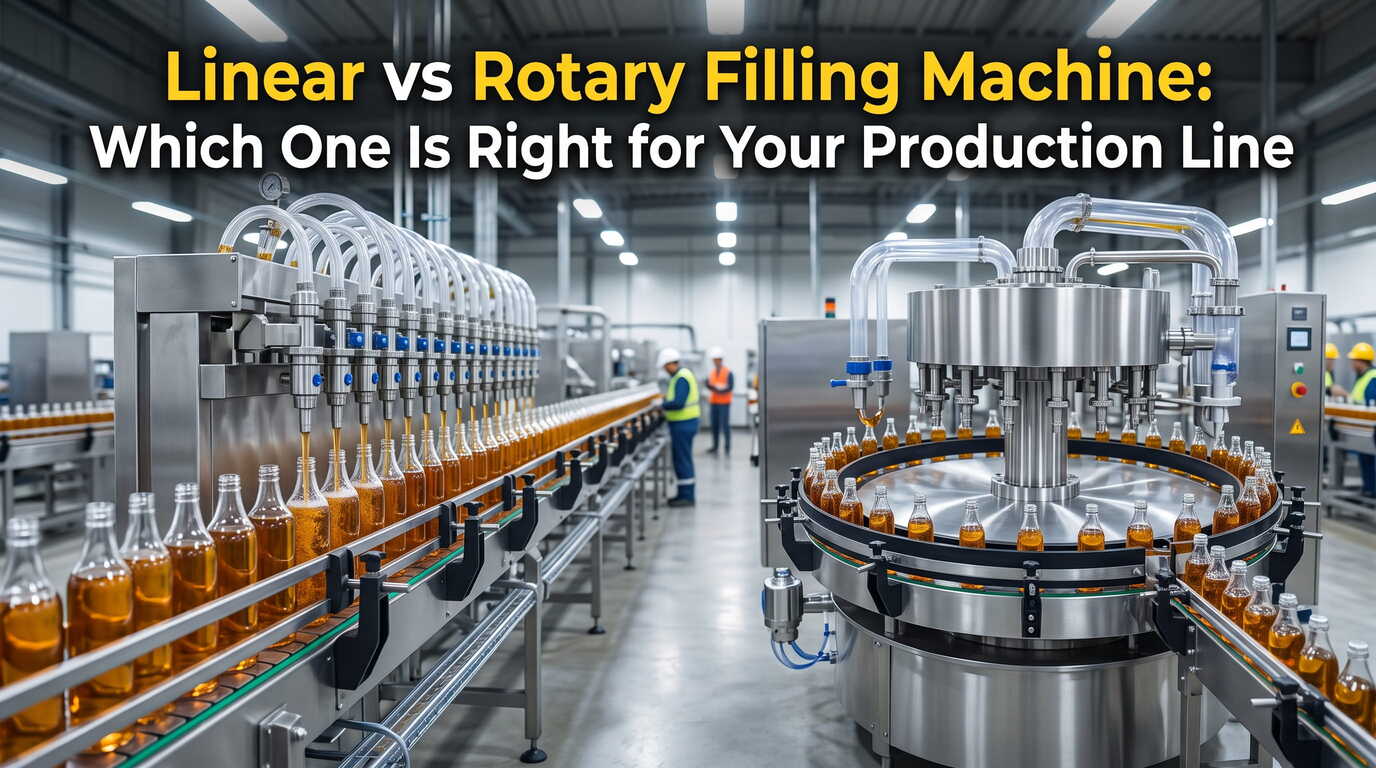
تأتي آلات تعبئة المشروبات الغازية في مجموعة متنوعة من الأشكال، كل منها مصمم خصيصاً لتلبية احتياجات إنتاجية محددة. وفيما يلي الأنواع الشائعة:
1. آلات التعبئة بالجاذبية
تعمل آلات التعبئة بالجاذبية على مبدأ استخدام الجاذبية لملء الحاويات. وهي مناسبة عادةً لتعبئة العلب وزجاجات البولي إيثيلين تيريفثاليت (PET). تتميز هذه الآلات بتصميم بسيط، مما يجعلها فعالة من حيث التكلفة ومثالية لعمليات الإنتاج الصغيرة.
2. آلات التعبئة بالضغط
يستخدم هذا النوع من الآلات مبدأ الضغط لملء الحاويات، مما يضمن الحد الأدنى من تكوين الرغوة وسرعة أعلى. تعد آلات التعبئة بالضغط مناسبة لعمليات التعبئة عالية السرعة وهي حيوية في بيئات الإنتاج واسعة النطاق.
3. آلات التعبئة بالتفريغ (الفراغ)
تستخدم آلات التعبئة بالتفريغ ضغط الفراغ لملء الزجاجات، مما يقلل بشكل كبير من الهدر ويضمن توزيع المشروبات السميكة بكفاءة. تُستخدم هذه الآلات بشكل شائع لتعبئة الزجاجات في أسواق المشروبات الراقية.
عملية تصنيع آلات تعبئة المشروبات الغازية في الصين
تنعكس خبرة الصين في تصنيع آلات تعبئة المشروبات الغازية في قدرتها على إنتاج حلول عالية الجودة وفعالة وذات تكلفة معقولة. تتضمن العملية عادةً ما يلي:
1. التصميم والهندسة
يستخدم المصنعون الصينيون تقنيات هندسية متقدمة لتصميم آلات ليست فعالة فحسب، بل سهلة الاستخدام أيضاً. إنهم يدمجون تقنيات متنوعة تلبي طرق التعبئة المختلفة ومستويات الكربنة وأنواع المنتجات.
2. الحصول على مواد عالية الجودة
يعد استخدام مواد عالية الجودة أمراً بالغ الأهمية في إنتاج آلات تعبئة موثوقة. يقوم المصنعون بتوريد مكونات متينة لضمان طول العمر والفعالية. على سبيل المثال، يعد الفولاذ المقاوم للصدأ خياراً شائعاً نظراً لمقاومته للتآكل وسهولة تنظيفه، مما يجعله مثالياً لصناعة الأغذية والمشروبات.
3. الاختبار الصارم
تعد مراقبة الجودة مصدر قلق بالغ للمصنعين في الصين. تخضع كل آلة لاختبارات صارمة للتأكد من مطابقتها لمعايير السلامة والأداء الدولية. تضمن مرحلة الاختبار هذه للمشترين المستقبليين موثوقية الآلات وقدرتها التشغيلية.
فوائد استخدام آلات تعبئة المشروبات الغازية المصنعة في الصين
يأتي الاستثمار في آلات تعبئة المشروبات الغازية الصينية مع العديد من الفوائد:
1. فعالية التكلفة
يُعرف المصنعون الصينيون باستراتيجيات التسعير التنافسية دون المساومة على الجودة. يمكن أن يؤدي هذا المزيج إلى وفورات كبيرة في النفقات الرأسمالية، وبالتالي تحسين العائد الإجمالي على الاستثمار.
2. تكنولوجيا متقدمة
تدمج العديد من آلات التعبئة الصينية تكنولوجيا متطورة مثل وحدات التحكم المنطقية القابلة للبرمجة (PLCs)، والتي تتيح تحكماً دقيقاً في عملية التعبئة. تضمن هذه التكنولوجيا الاستخدام الأمثل للموارد مع الحفاظ على جودة ثابتة.
3. خيارات التخصيص
غالباً ما يوفر المصنعون الصينيون خيارات تخصيص تمكن المشترين من تكييف الآلات وفقاً لمواصفاتهم. تضمن هذه المرونة قدرة الشركات على تلبية احتياجاتها الإنتاجية الخاصة بفعالية.
4. سرعة التنفيذ
بفضل عملية تصنيع منظمة للغاية، يمكن للشركات الصينية تسليم الآلات بسرعة. هذه السرعة حاسمة للشركات التي تتطلع إلى توسيع نطاق إنتاجها بسرعة وكفاءة.
5. دعم شامل لما بعد البيع
يقدم العديد من المصنعين دعماً شاملاً لما بعد البيع، بما في ذلك خدمات التركيب والصيانة والتدريب. هذا الدعم لا يقدر بثمن للشركات الجديدة في عمليات التعبئة الآلية أو لأولئك الذين يوسعون عملياتهم.
اعتبارات عند شراء آلات تعبئة المشروبات الغازية من الصين
على الرغم من أن مزايا شراء الآلات من الصين عديدة، إلا أن هناك اعتبارات أساسية يجب وضعها في الاعتبار قبل اتخاذ القرار:
1. معايير مراقبة الجودة
من الضروري التحقق من تدابير مراقبة الجودة التي يستخدمها المصنع. تأكد من امتثالها لمعايير السلامة والتشغيل الدولية لتجنب المشكلات المتعلقة بالأداء أو السلامة.
2. الدعم الفني
يعد فهم مستوى الدعم الفني المقدم بعد الشراء أمراً حيوياً. تأكد من أن الشركة المصنعة تقدم مساعدة شاملة في حالة حدوث أعطال في الآلات أو تحديات تشغيلية.
3. قدرات التخصيص
نظراً لاختلاف احتياجات الإنتاج، من الضروري توضيح ما إذا كان المورد يمكنه استيعاب التعديلات. ناقش متطلباتك المحددة للتأكد من مرونة الشركة المصنعة في التخصيص.
4. السمعة والمراجعات
ابحث عن سمعة الشركة المصنعة من خلال مراجعات الصناعة وشهادات العملاء السابقين. يمكن أن تساعد هذه الخطوة في تقليل المخاطر المرتبطة بالآلات ذات الجودة الرديئة.
الخلاصة
تلعب آلات تعبئة المشروبات الغازية الصينية دوراً لا غنى عنه في تصنيع المشروبات الحديثة. إن تقنيتها المتقدمة وفعاليتها من حيث التكلفة وقابليتها للتكيف مع احتياجات الإنتاج المختلفة تجعلها مرغوبة للغاية للشركات التي تتطلع إلى تعزيز الكفاءة والمخرجات في خطوط إنتاجها. ومع ذلك، يجب على المشترين المحتملين إجراء بحث شامل والنظر في جميع الجوانب - مثل الجودة والدعم والتخصيص - قبل إجراء عملية الشراء. من خلال مراعاة هذه العوامل، يمكن للشركات الاستفادة من مزايا هذه الآلات للبقاء في المقدمة في سوق تنافسية.