
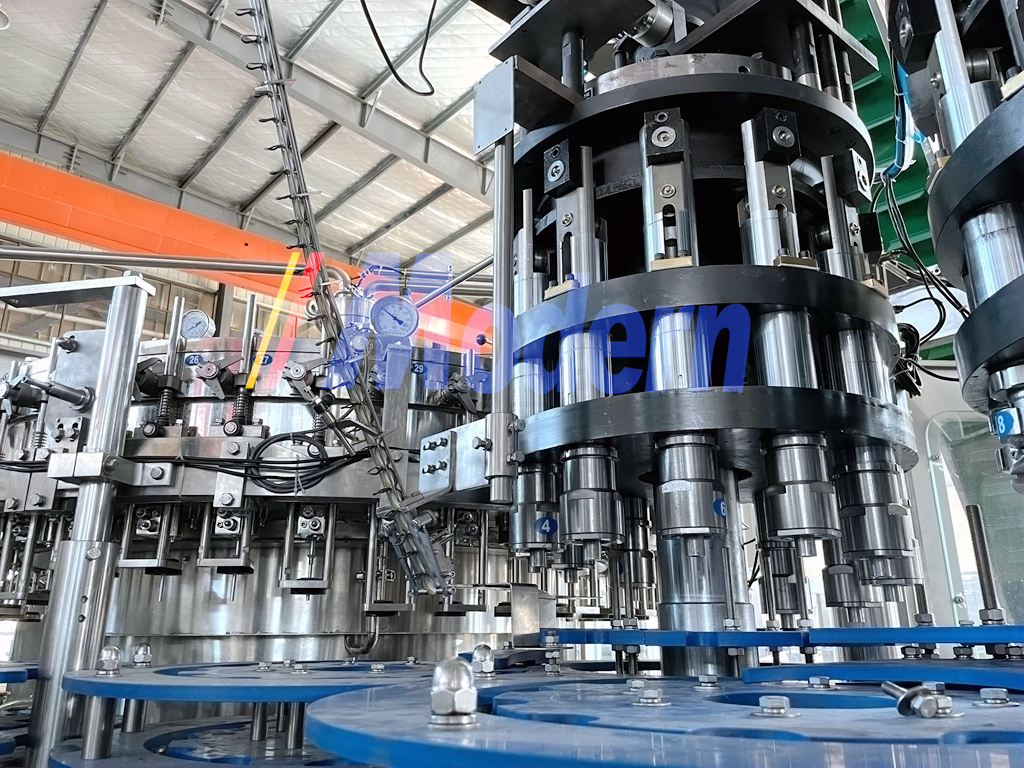
في المشهد سريع التطور لصناعة المشروبات، تلعب مصانع آلات تعبئة المشروبات دوراً محورياً في تعزيز الكفاءة، والحفاظ على الجودة، وضمان قابلية التوسع في عمليات الإنتاج. ومع تزايد طلبات المستهلكين واشتداد المنافسة في السوق، أصبحت أهمية التكنولوجيا المتقدمة في التصنيع أمراً بالغ الأهمية. تهدف هذه المقالة إلى استكشاف جوانب مختلفة لمصانع آلات تعبئة المشروبات، وتقديم رؤى حول أهميتها، والتكنولوجيا المستخدمة، واتجاهات السوق، واستراتيجيات تحسين الأعمال.
أهمية آلات تعبئة المشروبات في إنتاج المشروبات
تم تصميم آلات تعبئة المشروبات لأتمتة عملية تعبئة الحاويات، سواء كانت زجاجات أو علب أو كرتون، بالمشروبات السائلة. تشمل مزايا استخدام هذه الآلات ما يلي:
- الكفاءة: تتمثل الفائدة الأساسية لاستخدام آلات التعبئة الحديثة في قدرتها على تقليل الوقت المستغرق لتعبئة الحاويات بشكل كبير مقارنة بالطرق اليدوية. هذا التحسن في الإنتاجية يمكن أن يعني الفرق بين تلبية متطلبات السوق أو تفويتها.
- الاتساق ومراقبة الجودة: تضمن التعبئة الآلية ملء كل حاوية بالكمية المحددة بدقة، مما يقلل من الهدر ويحافظ على سلامة المنتج.
- القابلية للتوسع: مع نمو شركة المشروبات، تزداد حاجتها إلى زيادة الإنتاج. تم تصميم آلات تعبئة المشروبات لتكون قابلة للتوسع، مما يسمح بإجراء توسعات أو ترقيات دون الحاجة إلى إصلاح شامل للمعدات الحالية.
- فعالية التكلفة: على الرغم من أن الاستثمار الأولي في المعدات قد يكون كبيراً، إلا أن الوفورات طويلة الأجل التي تتحقق من خلال الكفاءة وخفض تكاليف العمالة يمكن أن تحقق عوائد ملحوظة على الاستثمار.
أنواع آلات تعبئة المشروبات
يقدم السوق أنواعاً متنوعة من آلات تعبئة المشروبات، كل منها مصمم للتعامل مع متطلبات محددة بناءً على نوع المشروب ومواد التعبئة والتغليف. فيما يلي، نغطي الفئات الرئيسية:
1. آلات التعبئة بالجاذبية
تعمل حشوات الجاذبية باستخدام الجاذبية لملء الحاويات من خزان. هذا النوع مناسب بشكل خاص للمشروبات غير الغازية مثل الماء والعصائر. بساطتها وفعاليتها من حيث التكلفة تجعلها خياراً شائعاً لخطوط الإنتاج الصغيرة والمتوسطة.
2. آلات التعبئة بالضغط
يستخدم هذا النوع فروق الضغط لملء الزجاجات أو العلب، مما يمنع تكون الرغوة، وهو أمر بالغ الأهمية للمشروبات الغازية. تعتبر حشوات الضغط أكثر تعقيداً وتتطلب تعديلات دقيقة، ومع ذلك فهي تعزز جودة المنتج بشكل كبير.
3. آلات التعبئة بالتفريغ (الفراغ)
تخلق آلات التعبئة بالتفريغ (الفراغ) ضغطاً سالباً في الحاوية قبل التعبئة، مما يقلل من احتمالية التعرض للأكسجين. هذه التكنولوجيا مهمة بشكل خاص للحفاظ على نضارة المشروبات الحساسة مثل الشاي المنكه والعصائر.
4. آلات التعبئة بالمكبس
آلات التعبئة بالمكبس متعددة الاستخدامات ويمكنها التعامل مع السوائل اللزجة والمشروبات الأكثر سيولة. قدرتها على توزيع كميات أكبر بدقة تجعلها مثالية لمنتجات مثل الشراب والصلصات.
التطورات التكنولوجية في تصنيع آلات تعبئة المشروبات
الابتكار التكنولوجي هو في طليعة إنتاج آلات تعبئة المشروبات. تدمج الشركات بشكل متزايد تقنيات متطورة مثل إنترنت الأشياء (IoT)، والذكاء الاصطناعي، والمواد المتقدمة في آلاتها لتعزيز الوظائف وتجربة المستخدم. فيما يلي بعض التطورات الجديرة بالذكر:
1. الأتمتة والروبوتات
تم دمج تكنولوجيا الروبوتات في خطوط تعبئة المشروبات لزيادة الكفاءة. يمكن للأذرع الآلية التعامل مع وضع الملصقات، والسد، والتعبئة، مما يؤدي إلى تشغيل سلس وتقليل الخطأ البشري.
2. إنترنت الأشياء (IoT)
تسمح الآلات التي تدعم إنترنت الأشياء بالمراقبة في الوقت الفعلي لعمليات الإنتاج. يمكن للمشغلين تلقي التنبيهات، وتتبع مقاييس الأداء، وتشخيص المشكلات عن بُعد، مما يؤدي إلى تقليل وقت التوقف عن العمل وتعزيز الكفاءة.
3. المستشعرات الذكية والتحليلات
أصبحت المستشعرات الذكية الآن منتشرة في آلات تعبئة المشروبات. يمكن لهذه المستشعرات اكتشاف الشذوذ في الإنتاج وتقديم رؤى حول الصيانة التنبؤية. من خلال تحليل البيانات التي تم جمعها من عمليات الآلة، يمكن للمصنعين اتخاذ قرارات مستنيرة لتحسين الإنتاج.
اتجاهات السوق في صناعة المشروبات
يعتمد الطلب على آلات التعبئة بشكل أساسي على الاتجاهات داخل صناعة المشروبات. إن فهم هذه الاتجاهات يمكن أن يمكّن المصنعين والمشترين من اتخاذ قرارات استراتيجية. فيما يلي بعض الاتجاهات الرئيسية التي تؤثر على مصانع آلات تعبئة المشروبات:
1. مشروبات الصحة والعافية
أدى تزايد تفضيل المستهلكين للمنتجات الموجهة نحو الصحة إلى قيام مصنعي المشروبات بابتكار عروضهم. يجب على شركات تعبئة المشروبات التكيف مع آلات التعبئة التي تستوعب المشروبات الوظيفية، والعصائر العضوية، والمشروبات النباتية.
2. التعبئة المستدامة
مع تزايد المخاوف البيئية، هناك تحول ملحوظ نحو حلول التعبئة المستدامة. يجب على المصانع المتخصصة في تعبئة المشروبات البحث في الآلات المتوافقة مع المواد القابلة للتحلل وإعادة التدوير، مما يساهم في الاقتصاد الدائري.
3. التجارة الإلكترونية والإنتاج عند الطلب
مع زيادة التسوق عبر الإنترنت، هناك اتجاه متزايد نحو إنتاج الدفعات الصغيرة، مما يمكّن الشركات من تلبية احتياجات الأسواق المتخصصة. يجب أن تكون آلات تعبئة المشروبات متعددة الاستخدامات بما يكفي للتعامل مع مثل هذه الطلبات لأحجام وتصاميم حاويات مختلفة.
أفضل الممارسات لتشغيل مصنع آلات تعبئة المشروبات
لتحقيق أقصى قدر من فعالية وكفاءة مصنع آلات تعبئة المشروبات، يجب على المشغلين التفكير في تنفيذ أفضل الممارسات التالية:
1. الصيانة والمعايرة الدورية
امتلاك آلات متقدمة يأتي مع مسؤوليات. إن تنفيذ جدول صيانة قوي وإجراء معايرة منتظمة للآلات يمكن أن يمنع الأعطال المكلفة ويضمن جودة المنتج.
2. تدريب الموظفين وبروتوكولات السلامة
الاستثمار في برامج تدريب شاملة للموظفين يعزز الكفاءة التشغيلية ويعزز سلامة مكان العمل. إن تقديم التدريب على التعامل مع المعدات، ومواصفات المنتج، وبروتوكولات السلامة يعزز الروح المعنوية والإنتاجية في مكان العمل بشكل عام.
3. القرارات القائمة على البيانات
استخدم تحليلات البيانات والتصور لمراقبة مقاييس الإنتاج. من خلال تحليل مؤشرات الأداء الرئيسية (KPIs)، يمكن للمصنعين إجراء تعديلات في الوقت الفعلي لمعالجة أوجه القصور وتحسين سير عمل الإنتاج.
الخلاصة
إن تأثير مصانع آلات تعبئة المشروبات على صناعة المشروبات لا يمكن إنكاره، حيث يشكل كيفية إنتاج المشروبات وتسليمها للمستهلكين في جميع أنحاء العالم. مع تقدم التكنولوجيا وتطور متطلبات السوق، ستظل هذه المصانع في صميم تصنيع المشروبات، مما يدفع الابتكار والكفاءة.
من خلال الاعتراف بأهمية آلات التعبئة المتقدمة والبقاء على اطلاع باتجاهات الصناعة، يمكن للشركات وضع نفسها من أجل النمو المستدام والقدرة التنافسية. سواء كنت مصنعاً راسخاً أو رائد أعمال طموحاً في قطاع المشروبات، فإن تبني تطور تقنيات تعبئة المشروبات أمر ضروري للنجاح في المستقبل.


