
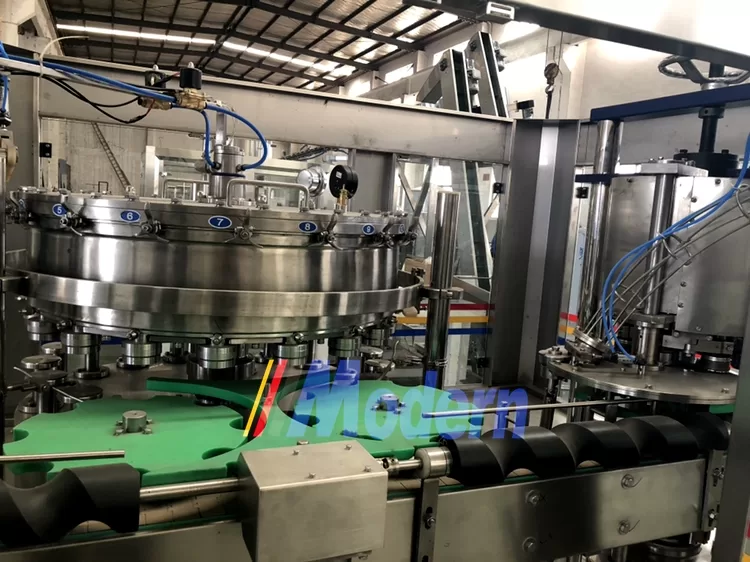
في عصر تلعب فيه التعبئة والتغليف دوراً حاسماً في العمر الافتراضي للمنتج، والعلامة التجارية، وراحة المستهلك، برزت آلة تعبئة العلب كقطعة حيوية من المعدات في مختلف الصناعات، وخاصة تلك العاملة في إنتاج الأغذية والمشروبات. سواء كنت تفكر في الاستثمار في آلة تعبئة علب لأول مرة أو تستكشف ترقيات لأنظمتك الحالية، فإن فهم ديناميكيات التكلفة أمر ضروري. تتعمق هذه المقالة في عوامل تسعير آلات تعبئة العلب، مما يساعدك على التنقل في السوق بثقة.
فهم آلات تعبئة العلب
آلات تعبئة العلب هي أجهزة متخصصة مصممة لتعبئة العلب بمجموعة متنوعة من السوائل أو شبه السوائل. تُستخدم هذه الآلات في العديد من القطاعات، وبشكل رئيسي في صناعات الأغذية والمشروبات، بما في ذلك البيرة والمشروبات الغازية والعصائر والصلصات. يمكن أن تتراوح العملية من أنظمة شبه آلية إلى أنظمة آلية بالكامل، حيث تم تصميم كل منها للتعامل مع أحجام وأنواع مختلفة من المنتجات.
العوامل المؤثرة على السعر
يمكن أن يختلف تسعير آلات تعبئة العلب بشكل كبير بناءً على عدة عوامل. إن فهم هذه الأبعاد يمكن أن يساعد الشركات على اتخاذ قرارات شراء مستنيرة.
1. مستوى التكنولوجيا والأتمتة
أحد أهم العوامل التي تؤثر على السعر هو درجة الأتمتة. قد تتراوح أسعار النماذج الأساسية للمبتدئين، والتي غالباً ما تكون شبه آلية، بين 5,000 دولار و15,000 دولار. تتطلب هذه الآلات عمالة يدوية لبعض العمليات وهي مناسبة للعمليات الصغيرة. في المقابل، يمكن أن تتراوح أسعار الآلات الآلية بالكامل من 50,000 دولار إلى أكثر من 250,000 دولار، اعتماداً على سرعتها وقدرتها ومميزاتها التكنولوجية، مثل أدوات التحكم الرقمية والتكامل مع المعدات الأخرى.
2. القدرة الإنتاجية
تعد القدرة الإنتاجية عاملاً حاسماً آخر يؤثر بشكل مباشر على التكلفة. تتراوح الآلات المصممة للعمليات الصغيرة عادةً من 1,000 إلى 6,000 علبة في الساعة. ومع زيادة متطلبات الإنتاج، تزداد التكلفة؛ فالآلات القادرة على تعبئة 10,000 إلى 60,000 علبة في الساعة يمكن أن تصل أسعارها إلى أكثر من 100,000 دولار. يعد تقييم المعدل الذي تتوقع إنتاج السلع به أمراً حيوياً لتحديد القدرة والميزانية المناسبتين لاستثمارك.
3. المواد والتصنيع
يؤثر اختيار المواد المستخدمة في تصنيع آلات تعبئة العلب بشكل كبير على تسعيرها. فالآلات المصنوعة من الفولاذ المقاوم للصدأ (ستانلس ستيل)، والتي توفر مقاومة للتآكل ومتانة، تميل إلى أن تكون أغلى من تلك المصنوعة من مواد أقل جودة. تعد المكونات المخصصة للأغذية ضرورية للامتثال لمعايير الصحة والسلامة، مما يؤثر بشكل أكبر على التكاليف.
4. التخصيص والميزات الإضافية
يمكن لخيارات التخصيص أن تزيد بشكل كبير من سعر آلة تعبئة العلب. ميزات مثل سرعات التعبئة القابلة للتعديل، وأحجام العلب المتعددة، والقدرة على التعامل مع منتجات مختلفة (مثل المشروبات الغازية مقابل غير الغازية) يمكن أن تزيد من التكلفة. كما ستساهم التقنيات الإضافية مثل مقاييس التدفق المغناطيسي، أو أنظمة التنظيف أثناء التشغيل، في رفع السعر.
5. سمعة العلامة التجارية وخدمات الدعم
يمكن أن تؤثر العلامة التجارية للشركة المصنعة وسمعتها في الصناعة أيضاً على التسعير. قد تفرض العلامات التجارية الراسخة سعراً أعلى لمنتجاتها بناءً على الموثوقية ودعم الخدمة وعروض الضمان. من المهم موازنة التكلفة مقابل القيمة المحتملة لدعم ما بعد البيع والتوجيه، خاصة بالنسبة للآلات المعقدة.
6. الموقع وتكاليف الشحن
يمكن للعوامل الجغرافية أيضاً أن تلعب دوراً في تسعير الآلات. إذا تم تصنيع آلة تعبئة العلب في الخارج، فقد تضيف تكاليف الشحن بشكل كبير إلى إجمالي الإنفاق. علاوة على ذلك، يمكن لمتطلبات السوق الإقليمية أن تؤثر على الأسعار - في بعض الأحيان، قد تكون الآلة ميسورة التكلفة في بلد ما أغلى بكثير في مكان آخر بسبب التعريفات الجمركية والنقل واللوائح التنظيمية للسوق.
تكلفة دورة حياة آلات تعبئة العلب
عند النظر في السعر، من الضروري النظر إلى ما هو أبعد من تكلفة الشراء الأولية. تشمل تكلفة دورة حياة آلة تعبئة العلب سعر الشراء، والصيانة، والتشغيل، والإصلاحات المحتملة. تعد الصيانة المناسبة أمراً بالغ الأهمية لضمان طول عمر الآلة وكفاءتها، ويجب على الشركات تخصيص ميزانية للفحوصات الروتينية، وقطع الغيار، وخدمات الفنيين.
فوائد الاستثمار في آلات عالية الجودة
على الرغم من أن الاستثمار الأولي في آلة تعبئة علب ذات سعر أعلى قد يبدو شاقاً، إلا أن الفوائد طويلة المدى يمكن أن تفوق التكلفة. غالباً ما تؤدي الآلات عالية الجودة إلى:
- زيادة الكفاءة وسرعة الإنتاج
- تقليل وقت التوقف عن العمل وتكاليف الصيانة
- تحسين جودة المنتج واتساقه
- انخفاض تكاليف التشغيل بمرور الوقت بسبب كفاءة الطاقة
نصائح للعثور على آلة تعبئة العلب المناسبة
عند البحث عن آلة تعبئة علب، ضع في اعتبارك النصائح التالية لتعظيم قيمة استثمارك:
1. قيّم احتياجاتك
حدد بوضوح متطلبات الإنتاج الخاصة بك فيما يتعلق بالقدرة، ونوع المنتجات، وتوافر المساحة في منشأتك قبل بدء بحثك. سيساعدك هذا في تحديد الخيارات التي تلبي احتياجاتك بشكل أفضل.
2. بحث الخيارات
قم بإجراء بحث شامل حول مختلف الشركات المصنعة والنماذج. استخدم الموارد عبر الإنترنت، والمعارض التجارية، والمنشورات الصناعية لجمع المعلومات. يمكن أن تساعد مقارنة الميزات والتكنولوجيا والمراجعات في تحديد الآلات الموثوقة.
3. احصل على عروض أسعار متعددة
لا تكتفِ أبداً بأول سعر تتلقاه. اطلب عروض أسعار من موردين متعددين وتفاوض حيثما أمكن ذلك. يمكن أن يساعدك هذا النهج في فهم سعر السوق وربما توفير التكاليف.
4. ضع في اعتبارك دعم ما بعد البيع
اختر شركة مصنعة تقدم دعماً شاملاً لما بعد البيع، بما في ذلك التدريب، وتوافر قطع الغيار، وخدمات الصيانة. يمكن لخدمة العملاء الموثوقة أن تقلل بشكل كبير من متاعب التشغيل الخاصة بك لاحقاً.
5. فكر في خيارات التمويل
إذا كان الاستثمار الرأسمالي مصدر قلق، فاستكشف خيارات التمويل المتاحة من خلال الشركات المصنعة أو المؤسسات المالية. يمكن أن يساعد التأجير أو التمويل في تخفيف العبء الأولي مع تمكينك من الحصول على آلة متفوقة.
الخلاصة
يعكس سعر آلات تعبئة العلب عدداً لا يحصى من العوامل، من التكنولوجيا والقدرة إلى سمعة العلامة التجارية وخدمات الدعم. إن فهم هذه العناصر يزود الشركات بالمعلومات اللازمة لاتخاذ قرارات مستنيرة عند الاستثمار في مثل هذه الآلات الحيوية. من خلال النظر في كل من الإنفاق الأولي والتكاليف الجارية، يمكن للشركات تحديد أفضل الخيارات التي توازن بين الجودة والكفاءة والقدرة على تحمل التكاليف. مسلحين بهذه المعرفة، يمكن للمؤسسات تعزيز قدراتها الإنتاجية وتلبية احتياجات عملائها بفعالية أكبر، مما يضمن موطئ قدم قوي في السوق التنافسية.


