
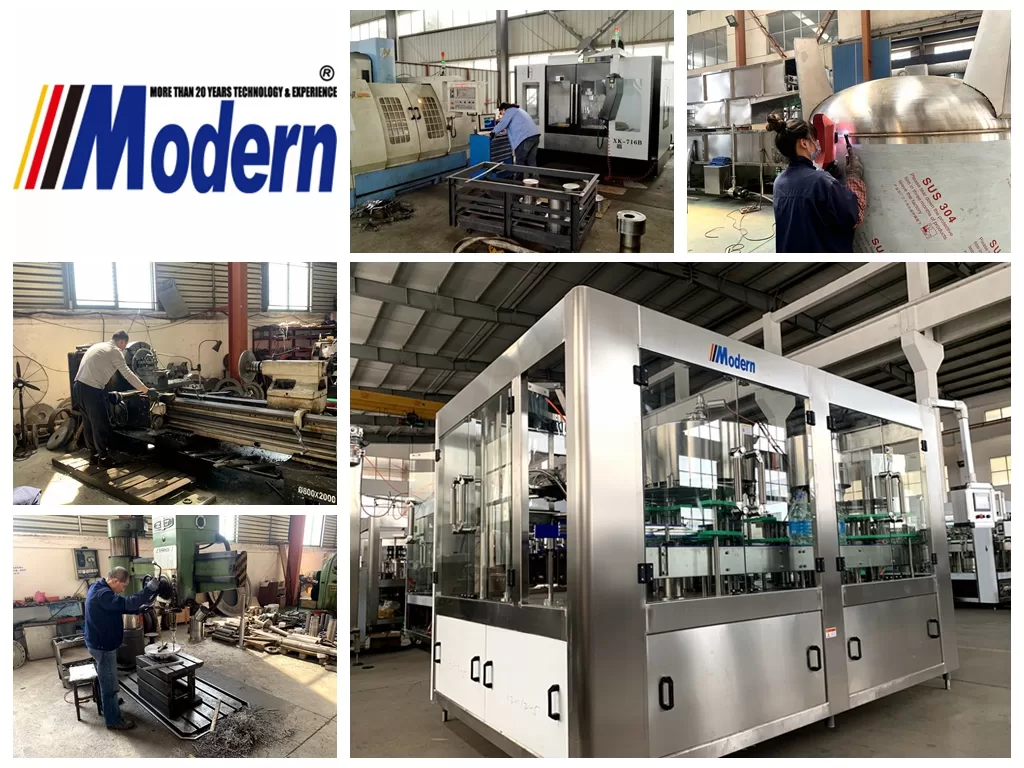
في السنوات الأخيرة، شهدت صناعة آلات تعبئة العلب تطورات ملحوظة مدفوعة بالابتكارات التكنولوجية. وقد أدت هذه الابتكارات إلى تحسين الكفاءة والإنتاجية وجودة المنتج عبر مختلف الصناعات التي تعتمد على آلات تعبئة العلب. في هذا المقال، سنستكشف بعض أحدث الابتكارات في تكنولوجيا آلات تعبئة العلب وكيف أنها تُحدث ثورة في عملية التعبئة.
أنظمة الأتمتة والتحكم المحسنة
تعد أنظمة الأتمتة والتحكم المحسنة واحدة من أهم التطورات في تكنولوجيا آلات تعبئة العلب. تستخدم هذه الأنظمة برمجيات ومستشعرات متطورة لأتمتة عملية التعبئة وضمان دقة مستويات التعبئة. ومن خلال تقليل التدخل البشري، تعمل هذه الأنظمة على تحسين الكفاءة، وتقليل الأخطاء، وزيادة الإنتاجية الإجمالية.
تقنيات التعبئة المتقدمة
من الابتكارات الرئيسية الأخرى في تكنولوجيا آلات تعبئة العلب هو تطوير تقنيات تعبئة متقدمة. تشمل هذه التقنيات أنظمة التعبئة الدوارة، وأنظمة التعبئة الحجمية، وأنظمة التعبئة بالوزن، حيث صُمم كل منها لتلبية احتياجات تعبئة محددة. فعلى سبيل المثال، توفر أنظمة التعبئة الدوارة قدرات تعبئة عالية السرعة، بينما توفر أنظمة التعبئة بالوزن دقة استثنائية في أوزان التعبئة.
دمج إنترنت الأشياء (IoT) للمراقبة في الوقت الفعلي
لقد ترك إنترنت الأشياء (IoT) بصمته أيضاً على صناعة آلات تعبئة العلب من خلال تمكين المراقبة وتحليل البيانات في الوقت الفعلي. ومن خلال ربط آلات التعبئة بمنصات إنترنت الأشياء، يمكن للمصنعين تتبع مقاييس الأداء، واكتشاف المشكلات المحتملة، وتحسين جداول الصيانة. يسمح هذا النهج القائم على البيانات باتخاذ قرارات استباقية وتعزيز موثوقية الآلة.
ميزات النظافة والتعقيم المحسنة
تعتبر النظافة والتعقيم أمراً بالغ الأهمية في صناعة الأغذية والمشروبات، مما دفع إلى تطوير آلات تعبئة علب بميزات تعقيم محسنة. تساعد الابتكارات مثل آليات التنظيف الذاتي، وغرف التعبئة المعقمة، وأنظمة التعقيم بالأشعة فوق البنفسجية في منع التلوث والحفاظ على سلامة المنتج. تضمن هذه الميزات الامتثال للوائح الصناعة وتعزز سلامة المستهلك.
التصميم الصديق للبيئة والاستدامة
مع تزايد أهمية الاستدامة كأولوية قصوى للعديد من الصناعات، يقوم مصنعو آلات تعبئة العلب بدمج عناصر تصميم صديقة للبيئة في آلاتهم. بدءاً من المحركات الموفرة للطاقة وصولاً إلى المواد القابلة لإعادة التدوير، تعمل هذه الميزات الصديقة للبيئة على تقليل الأثر البيئي والمساهمة في عملية تعبئة أكثر استدامة. ومن خلال تبني ممارسات مستدامة، يمكن للمصنعين التوافق مع تفضيلات المستهلكين وتقليل بصمتهم الكربونية.
خيارات التخصيص والمرونة
تم تصميم آلات تعبئة العلب الحديثة بشكل متزايد لتوفير التخصيص والمرونة لاستيعاب مجموعة واسعة من المنتجات وتنسيقات التغليف. تسمح سرعات التعبئة القابلة للتعديل، وقدرات تغيير الإعدادات، والتصاميم المعيارية للمصنعين بالتبديل السريع بين المنتجات وأحجام التغليف المختلفة. تعزز هذه المرونة من كفاءة الإنتاج وتدعم عمليات التصنيع المرنة.
التكامل مع تقنيات الثورة الصناعية الرابعة
يتم دمج تقنيات الثورة الصناعية الرابعة، مثل الذكاء الاصطناعي وتعلم الآلة، في آلات تعبئة العلب لتمكين الصيانة التنبؤية، وتحسين جداول الإنتاج، وتعزيز مراقبة الجودة. تستفيد هذه التقنيات من رؤى البيانات لتعزيز الكفاءة التشغيلية، وتقليل وقت التوقف عن العمل، ودفع التحسين المستمر. ومن خلال تبني مبادئ الثورة الصناعية الرابعة، يمكن للمصنعين الحفاظ على قدرتهم التنافسية في سوق يتطور بسرعة.
الخلاصة
ختاماً، تعيد أحدث الابتكارات في تكنولوجيا آلات تعبئة العلب تشكيل طريقة تعبئة وتغليف المنتجات عبر مختلف الصناعات. فمن أنظمة الأتمتة والتحكم المحسنة إلى دمج إنترنت الأشياء وميزات الاستدامة، تقدم هذه الابتكارات حلولاً عملية لتلبية الاحتياجات المتطورة للمصنعين. ومن خلال الاستثمار في التكنولوجيا المتطورة ومواكبة اتجاهات الصناعة، يمكن للشركات الاستفادة من هذه الابتكارات لدفع النمو والكفاءة وجودة المنتج في عمليات التعبئة الخاصة بها.


