
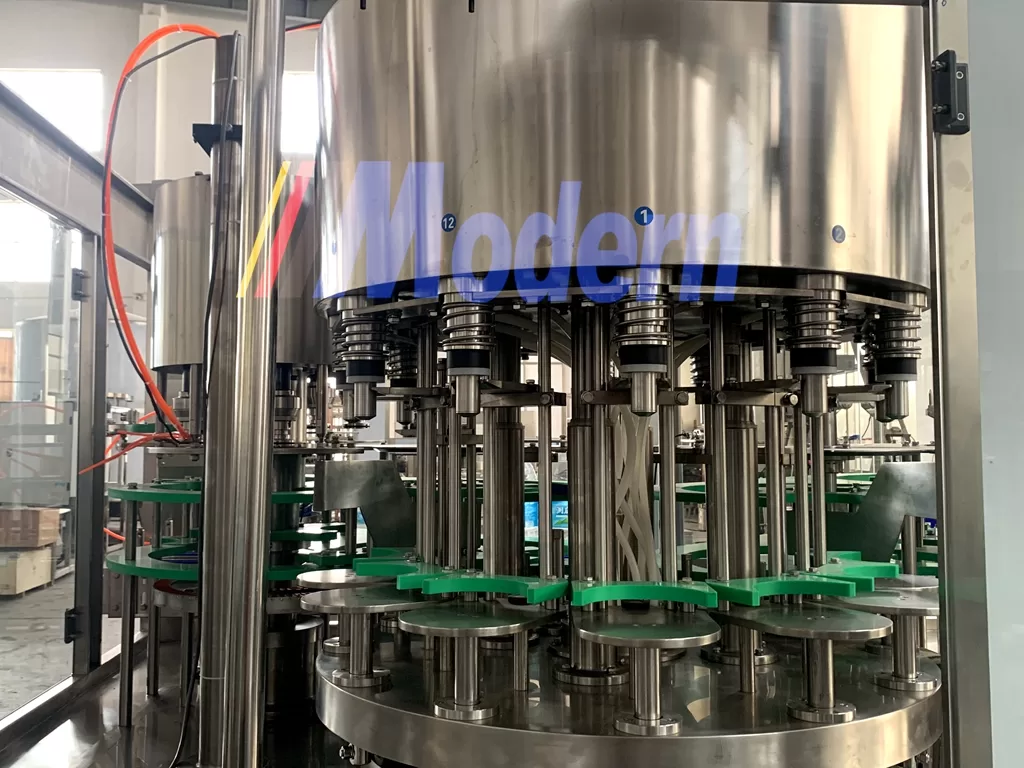
تشهد صناعة المشروبات حالياً طفرة في الطلب، لا سيما على منتجات المياه المعبأة. وقد تغذى هذا النمو من خلال مزيج من تغيرات نمط الحياة، والوعي الصحي، والسعي نحو الراحة. وفي ظل هذا المشهد الديناميكي، أصبحت آلة تعبئة المياه في عبوات سعة 5 لتر عنصراً حاسماً للمصنعين الذين يهدفون إلى زيادة الكفاءة والحفاظ على جودة المنتج. تتعمق هذه المقالة في أهمية ووظائف وأنواع واعتبارات التشغيل لآلات تعبئة المياه في عبوات سعة 5 لتر، مما يوفر رؤى عملية للمعنيين في قطاع المشروبات.
فهم آلة تعبئة المياه في عبوات سعة 5 لتر
آلة تعبئة المياه في عبوات سعة 5 لتر هي قطعة متخصصة من المعدات المصممة للتعبئة الفعالة لعبوات المياه سعة خمسة لترات بأنواع مختلفة من المشروبات، وفي المقام الأول مياه الشرب العذبة. تم تصميم هذه الآلات لضمان الدقة في التعبئة، وسلامة الإغلاق، والإنتاجية الإجمالية، مما يلبي احتياجات كل من مصانع التعبئة واسعة النطاق ووحدات التصنيع الأصغر.
يمكن تصنيف هذه الآلات بناءً على آليات التعبئة الخاصة بها، والقدرة الإنتاجية، ومستويات الأتمتة، مما يسمح للشركات باختيار الآلة التي تناسب احتياجاتها التشغيلية بشكل أفضل.
أهمية آلات تعبئة المياه في عبوات سعة 5 لتر
مع استمرار نمو الطلب على المياه المعبأة بشكل كبير، تواجه الشركات ضغوطاً لتعزيز قدراتها الإنتاجية مع ضمان الجودة والامتثال لمعايير السلامة. تلعب آلة تعبئة المياه في عبوات سعة 5 لتر دوراً محورياً في هذا الجانب من خلال التأثير على العديد من المقاييس التشغيلية الرئيسية:
1. زيادة الإنتاجية
تم تصميم آلات تعبئة المياه الحديثة في عبوات سعة 5 لتر للعمليات عالية السرعة، مما يقلل بشكل كبير من وقت التعبئة مقارنة بالعمليات اليدوية. في بيئة التصنيع حيث يترجم الوقت مباشرة إلى تكلفة، تساعد آليات التعبئة السريعة والفعالة الشركات على تلبية الطلبات واسعة النطاق دون المساس بالجودة.
2. مراقبة الجودة المتسقة
يعد ضمان الجودة أمراً بالغ الأهمية في صناعة المشروبات. توفر آلات التعبئة سعة 5 لتر مستويات تعبئة دقيقة وتقلل من الانسكاب والهدر، مما يحافظ على سلامة المنتج ويحافظ على سمعة العلامة التجارية. غالباً ما تكون الآلات المتقدمة مجهزة بأجهزة استشعار تكتشف التناقضات في مستويات التعبئة، مما يضمن أن كل عبوة تلبي المعايير المطلوبة.
3. تعزيز معايير النظافة والسلامة
يجب أن تلبي المكونات والمواد المستخدمة في التعبئة والتغليف معايير الصحة والسلامة. يتم تصنيع العديد من آلات تعبئة المياه الحديثة سعة 5 لتر باستخدام مواد عالية الجودة وآمنة غذائياً وتتميز بتصاميم سهلة التنظيف، مما يضمن الامتثال للوائح مع تقليل مخاطر التلوث.
4. التنوع والقدرة على التكيف
تتميز آلات تعبئة المياه سعة 5 لتر بتعدد الاستخدامات، وغالباً ما يمكنها التعامل مع مجموعة متنوعة من أشكال وأحجام العبوات، بالإضافة إلى أنواع مختلفة من المشروبات. تجعل هذه القدرة على التكيف هذه الآلات مثالية للشركات التي تتطلع إلى تنويع خطوط إنتاجها، من المياه المنكهة إلى المشروبات الغازية.
أنواع آلات تعبئة المياه في عبوات سعة 5 لتر
هناك عدة أنواع من آلات تعبئة المياه في عبوات سعة 5 لتر، كل منها مصمم لتلبية احتياجات تشغيلية محددة وأنواع معينة من المنتجات. فيما يلي الأنواع الأكثر شيوعاً:
1. آلات التعبئة بالجاذبية
تستخدم آلات التعبئة بالجاذبية قوة الجاذبية الطبيعية لملء العبوات. على الرغم من أنها أبطأ بشكل عام من أنواع التعبئة الأخرى، إلا أنها فعالة من حيث التكلفة ومثالية للسوائل عالية اللزوجة أو عندما يكون الحد الأدنى من الرغوة مطلوباً.
2. آلات التعبئة بالضغط
تقوم آلات التعبئة بالضغط بملء العبوات عن طريق تطبيق الضغط. هذه الطريقة مناسبة للمشروبات الغازية أو غيرها من السوائل الرغوية، مما يقلل بشكل فعال من هدر المنتج ومشاكل الرغوة. تميل آلات التعبئة بالضغط إلى أن تكون أسرع وأكثر كفاءة من أنظمة الجاذبية.
3. آلات التعبئة بالتفريغ (الفراغ)
تخلق آلات التعبئة بالتفريغ (الفراغ) ضغطاً سالباً داخل العبوة، مما يسمح بسحب السائل إلى الداخل. هذه الطريقة عالية الكفاءة وتوفر فوائد كبيرة للسوائل عالية اللزوجة، لأنها تقلل من الهواء وتحافظ على سلامة المنتج.
4. الآلات الأوتوماتيكية مقابل شبه الأوتوماتيكية
تختلف آلات تعبئة العبوات سعة 5 لتر أيضاً في مستوى الأتمتة. تدمج النماذج الأوتوماتيكية ميزات متقدمة مثل عمليات المناولة والإغلاق ووضع الملصقات الآلية، مما يوفر حلاً كاملاً لخط الإنتاج. من ناحية أخرى، تتطلب الآلات شبه الأوتوماتيكية بعض التدخل اليدوي، مما يجعلها مناسبة للشركات ذات أحجام الإنتاج المنخفضة أو القيود الميزانية.
اعتبارات تشغيلية للمصنعين
عند الاستثمار في آلة تعبئة المياه في عبوات سعة 5 لتر، هناك العديد من الاعتبارات التشغيلية التي يجب على المصنعين تقييمها لتحسين عملياتهم:
1. تقييم احتياجات الإنتاج
يعد فهم متطلبات الإنتاج المحددة أمراً بالغ الأهمية. يجب على الشركات مراعاة عوامل مثل حجم المبيعات المتوقع، وتنوع عروض المنتجات، واختلافات التعبئة والتغليف. توجه مثل هذه التقييمات اختيار نوع الآلة والتكوين الأكثر ملاءمة.
2. الصيانة والدعم
تعد الصيانة الدورية أمراً بالغ الأهمية لضمان طول عمر وأداء آلات التعبئة. يجب على المصنعين البحث عن الآلات التي توفر سهولة في الصيانة، والنظر في برامج تدريب للموظفين للتعامل بفعالية مع الفحوصات والإصلاحات الروتينية. بالإضافة إلى ذلك، يعد تأمين دعم قوي لما بعد البيع أمراً حيوياً في حالة حدوث أي أعطال في الآلات.
3. الامتثال للمعايير التنظيمية
تخضع صناعة المشروبات للعديد من اللوائح المتعلقة بسلامة المنتج والتعبئة والتغليف. من الضروري للمصنعين اختيار آلات تعبئة مصممة لتلبية هذه اللوائح، بما في ذلك تلك المتعلقة بالنظافة، وسلامة المواد، والاستدامة البيئية. لا يضمن الامتثال سلامة المنتج فحسب، بل يحمي أيضاً سمعة العلامة التجارية.
4. اعتبارات العمالة
يمكن أن تؤثر تكاليف العمالة ومستويات مهارة القوى العاملة بشكل كبير على الكفاءة التشغيلية. يمكن أن يؤدي الاستثمار في حلول التعبئة الآلية إلى تقليل القوى العاملة المطلوبة لعملية التعبئة وتقليل تكاليف العمالة بمرور الوقت. ومع ذلك، من الضروري توفير التدريب المناسب للمشغلين لضمان تشغيل الآلة بشكل آمن وفعال.
الاتجاهات المستقبلية في تكنولوجيا تعبئة المياه
تتطور صناعة المشروبات باستمرار، وكذلك التقنيات المرتبطة بالتعبئة والتغليف. يجب أن تكون الاتجاهات التالية على رادار المصنعين الذين يتطلعون إلى البقاء في صدارة السوق:
1. الأتمتة المتقدمة
مع استمرار التقدم التكنولوجي، يقوم المزيد من المصنعين بدمج الأتمتة المتقدمة والذكاء الاصطناعي في عمليات التعبئة الخاصة بهم. تعمل هذه التحسينات على تعزيز الدقة أثناء عملية التعبئة، وتحسين جداول الإنتاج، وتقليل التكاليف التشغيلية.
2. مبادرات الاستدامة
تعيد المخاوف البيئية تشكيل تفضيلات المستهلكين، ويجب على الشركات التكيف مع هذه التغيرات. قد يتم تصميم آلات التعبئة المستقبلية لاستيعاب مواد صديقة للبيئة وتقليل استهلاك الطاقة، وبالتالي التوافق مع أهداف الاستدامة.
3. تكامل إنترنت الأشياء (IoT)
يُحدث إنترنت الأشياء (IoT) ثورة في التصنيع. يمكن أن يوفر دمج قدرات إنترنت الأشياء في آلات التعبئة مراقبة البيانات في الوقت الفعلي، وتنبيهات الصيانة التنبؤية، وتحليلات الأداء، مما يسمح باتخاذ قرارات أكثر ذكاءً واستنارة.
الخلاصة
تعد آلة تعبئة المياه في عبوات سعة 5 لتر أصلاً لا غنى عنه للمصنعين في صناعة المشروبات الحديثة. من خلال تعزيز الإنتاجية، وضمان الجودة المتسقة، والحفاظ على معايير النظافة، تسهل هذه الآلات الإنتاج الفعال للمياه المعبأة والمنتجات ذات الصلة. يمكن أن يساعد فهم الأنواع المختلفة للآلات، والاعتبارات التشغيلية، والاتجاهات المستقبلية المصنعين على اتخاذ قرارات مستنيرة تتماشى مع أهداف أعمالهم ومتطلبات السوق. مع تقدم الصناعة، سيكون تبني أحدث التقنيات والممارسات المستدامة أمراً بالغ الأهمية للنجاح على المدى الطويل.


