
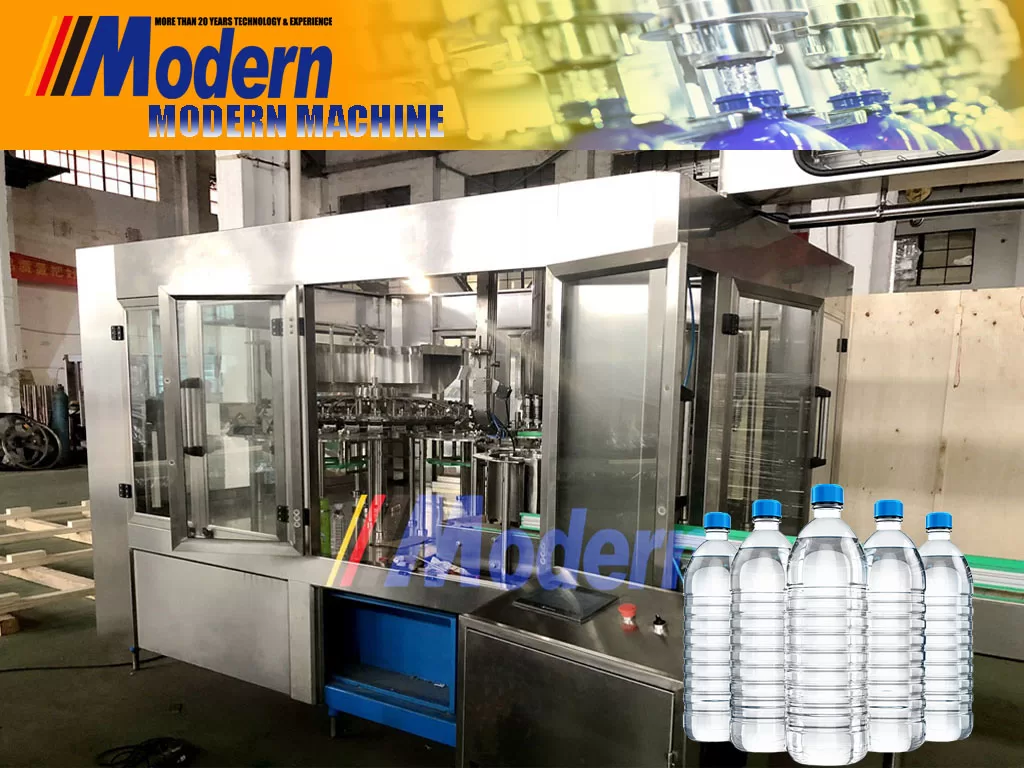
شهد الطلب العالمي على المياه المعبأة ارتفاعاً كبيراً في السنوات الأخيرة، مدفوعاً بزيادة الوعي الصحي والبحث عن الراحة. ومع سعي رواد الأعمال والشركات لدخول هذا السوق المربح أو التوسع فيه، أصبح فهم التكاليف المرتبطة بالعمليات الأوتوماتيكية أمراً بالغ الأهمية. تأتي آلات تعبئة زجاجات المياه الأوتوماتيكية، وهي أصل رئيسي في مصانع التعبئة، بنقاط سعرية متنوعة تتأثر بعدة عوامل. في هذا المقال، نتعمق في العوامل التي تؤثر على أسعار هذه الآلات ونقدم رؤى عملية للمشترين المحتملين.
فهم آلات تعبئة زجاجات المياه الأوتوماتيكية
آلات تعبئة زجاجات المياه الأوتوماتيكية، كما يوحي اسمها، هي أجهزة مصممة لتعبئة الحاويات بالمياه بكفاءة ودقة. غالباً ما تدمج هذه الآلات وظائف متعددة مثل الشطف، والتعبئة، والإغلاق، ووضع الملصقات، مما يقلل بشكل كبير من الوقت والجهد المرتبطين بعمليات التعبئة اليدوية.
الحاجة إلى الأتمتة
يمكن أن يؤدي الاستثمار في آلة تعبئة أوتوماتيكية إلى زيادة الإنتاجية وتوفير التكاليف بمرور الوقت. يمكن للعمليات اليدوية أن تؤدي إلى خطأ بشري، مما يسبب تفاوتات في عملية التعبئة، واحتمالية انسكاب المنتج، وزيادة تكاليف العمالة. تعمل الأنظمة الأوتوماتيكية على تبسيط العمليات مع ضمان الامتثال لمعايير النظافة والسلامة. ومن الجدير بالذكر أيضاً أن استخدام الأتمتة يُعتبر غالباً أمراً ضرورياً لإدارة الإنتاج على نطاق واسع.
العوامل المؤثرة على الأسعار
يمكن أن يختلف سعر آلات تعبئة زجاجات المياه الأوتوماتيكية بشكل كبير بناءً على عدد من العوامل. إليك بعض العناصر الرئيسية التي يجب على المشترين المحتملين مراعاتها:
1. نوع الآلة
تأتي آلات التعبئة في عدة أنواع، بما في ذلك آلات التعبئة بالجاذبية، والضغط، والتفريغ، والفيض. تم تصميم كل نوع لتطبيقات ومنتجات محددة. على سبيل المثال، عادة ما تكون آلات التعبئة بالجاذبية ميسورة التكلفة ولكنها مناسبة فقط للسوائل الخفيفة، بينما تكون آلات التعبئة بالضغط أكثر تنوعاً ويمكنها التعامل مع السوائل الأكثر كثافة، ولكنها تأتي بسعر أعلى.
2. القدرة الإنتاجية
تؤثر سرعة الآلة وقدرتها الإنتاجية بشكل كبير على تكلفتها. الآلة القادرة على إنتاج آلاف الزجاجات في الساعة ستكون بطبيعة الحال أغلى من تلك ذات الإنتاج المتواضع. يجب على الشركات تقييم حجم الإنتاج المتوقع واختيار آلة تلبي أهدافها الإنتاجية دون إنفاق مبالغ طائلة على قدرة غير ضرورية.
3. مستوى الأتمتة
تتراوح الآلات من أنظمة شبه أوتوماتيكية إلى أنظمة أوتوماتيكية بالكامل. تم تجهيز الآلات الأوتوماتيكية بالكامل بتكنولوجيا متقدمة تتطلب تدخلاً بشرياً أقل، مما قد يؤدي إلى تكاليف أعلى. من ناحية أخرى، يمكن أن تكون الآلات شبه الأوتوماتيكية ميسورة التكلفة ومناسبة للعمليات الصغيرة أو تلك التي لديها قيود في الميزانية.
4. جودة المواد والتصنيع
المواد المستخدمة في تصنيع الآلة لها أيضاً تأثير على السعر. توفر الآلات المصنوعة من الفولاذ المقاوم للصدأ (ستانلس ستيل)، رغم أنها أغلى ثمناً، المتانة والمقاومة للصدأ والتآكل، مما يجعلها مثالية لعمليات تعبئة المياه. المواد الأرخص والأقل متانة ستقلل من التكاليف الأولية ولكنها قد تتطلب إصلاحات واستبدالات أكثر تكراراً.
5. الميزات الإضافية
تأتي العديد من الآلات الحديثة مع ميزات إضافية مثل:
- عناصر تحكم بشاشة تعمل باللمس
- جمع البيانات لإدارة المخزون
- إعدادات قابلة للبرمجة لأحجام زجاجات مختلفة
- التكامل مع معدات خط الإنتاج الأخرى
- آليات سلامة متقدمة
تعزز الميزات المتطورة الكفاءة ولكنها تزيد أيضاً من أسعار الآلات. يجب على المشترين الموازنة بين حاجتهم لهذه الوظائف وقيود ميزانيتهم.
متوسط نطاقات الأسعار
بينما يمكن أن تختلف الأسعار الدقيقة بناءً على العوامل المذكورة أعلاه، إليك بعض فئات الأسعار العامة التي قد تواجهها:
الموديلات الأساسية
يمكن أن تبدأ الموديلات الأساسية أو الآلات ذات القدرة المنخفضة المناسبة للإنتاج على نطاق صغير من حوالي 5,000 دولار إلى 20,000 دولار. قد تحتوي هذه الآلات على أتمتة محدودة وتتطلب مزيداً من التدخل اليدوي.
الموديلات متوسطة المدى
تتراوح تكلفة الآلات متوسطة المدى، التي غالباً ما تحقق توازناً بين الأتمتة والكفاءة والميزات، بشكل عام بين 20,000 دولار و50,000 دولار. يمكن لهذه الآلات التعامل مع قدرة متوسطة وغالباً ما تتضمن بعض الميزات المتقدمة للمساعدة في الإنتاجية.
الموديلات المتطورة
بالنسبة للإنتاج على نطاق واسع، غالباً ما تتجاوز تكلفة آلات التعبئة الأوتوماتيكية بالكامل عالية الجودة 50,000 دولار. اعتماداً على الشركة المصنعة والمواصفات، يمكن أن تصل الأسعار حتى إلى مئات الآلاف من الدولارات. هذه الموديلات مناسبة للعمليات ذات الحجم الكبير التي تعطي الأولوية للسرعة والكفاءة.
العائد على الاستثمار (ROI)
عند التفكير في شراء آلة تعبئة أوتوماتيكية، من الضروري تحليل العائد على الاستثمار المتوقع. تساهم عدة عوامل في ذلك:
1. زيادة الكفاءة
يمكن للآلات الأوتوماتيكية زيادة معدلات الإنتاج بشكل كبير، مما يقلل الاعتماد على العمالة اليدوية ويخفض تكاليف التشغيل طويلة الأجل.
2. تقليل الهدر
تقلل الدقة في التعبئة من هدر المنتج وتقلل من أخطاء التعبئة أو التعبئة الزائدة، مما يساهم في تحسين تكاليف الإنتاج.
3. تعزيز مراقبة الجودة
مع تحسن الاتساق، تأتي جودة المنتج المعززة، مما يؤدي إلى زيادة رضا العملاء وربما زيادة المبيعات بمرور الوقت.
اختيار الآلة المناسبة لاحتياجاتك
يعد اختيار آلة تعبئة زجاجات المياه الأوتوماتيكية المناسبة أمراً بالغ الأهمية للنجاح في المستقبل. إليك خطوات عملية يجب مراعاتها:
1. إجراء تقييم للاحتياجات
حدد احتياجات التعبئة الحالية، والنمو المتوقع، والمتطلبات المحددة. إن فهم قدرتك التشغيلية وأهدافك سيوفر رؤى حول نوع الآلة التي تحتاجها.
2. البحث والمقارنة
خذ الوقت الكافي لاستكشاف مختلف الشركات المصنعة وموديلات الآلات. ابحث عن مراجعات المستخدمين، ودراسات الحالة، واستشر المتخصصين في الصناعة للحصول على رؤى حول الآلات الأكثر ملاءمة لمتطلباتك.
3. العمل مع الخبراء
يمكن أن تساعد استشارة خبراء الصناعة أو المهندسين في التعامل مع التعقيدات المرتبطة بآلات التعبئة. يمكن أن تكون رؤاهم لا تقدر بثمن في اتخاذ قرارات مستنيرة.
4. النظر في التكلفة الإجمالية للملكية
بعيداً عن الاستثمار الأولي، ضع في اعتبارك تكاليف التشغيل طويلة الأجل، بما في ذلك الصيانة، واستهلاك الطاقة، والترقيات المحتملة. احسب التكلفة الإجمالية للملكية للكشف عن الالتزام المالي الحقيقي المعني.
الخلاصة
تتأثر تكلفة آلات تعبئة زجاجات المياه الأوتوماتيكية بعدد لا يحصى من العوامل، بدءاً من النوع والسعة وصولاً إلى الميزات والمواد المستخدمة. ومن خلال فهم هذه التفاصيل الدقيقة وإجراء بحث شامل، يمكن للشركات اتخاذ قرارات مستنيرة تلبي احتياجاتها الإنتاجية دون تجاوز ميزانياتها دون داعٍ. ومع تزايد الاعتماد على الأتمتة، أصبح الاستثمار في المعدات المناسبة أمراً حيوياً للحفاظ على القدرة التنافسية في سوق تعبئة المياه المزدهر. وسواء كانت عملياتك كبيرة أو صغيرة، فإن آلة التعبئة المناسبة يمكن أن تمهد الطريق لإنتاج انسيابي ونمو مستدام.


