
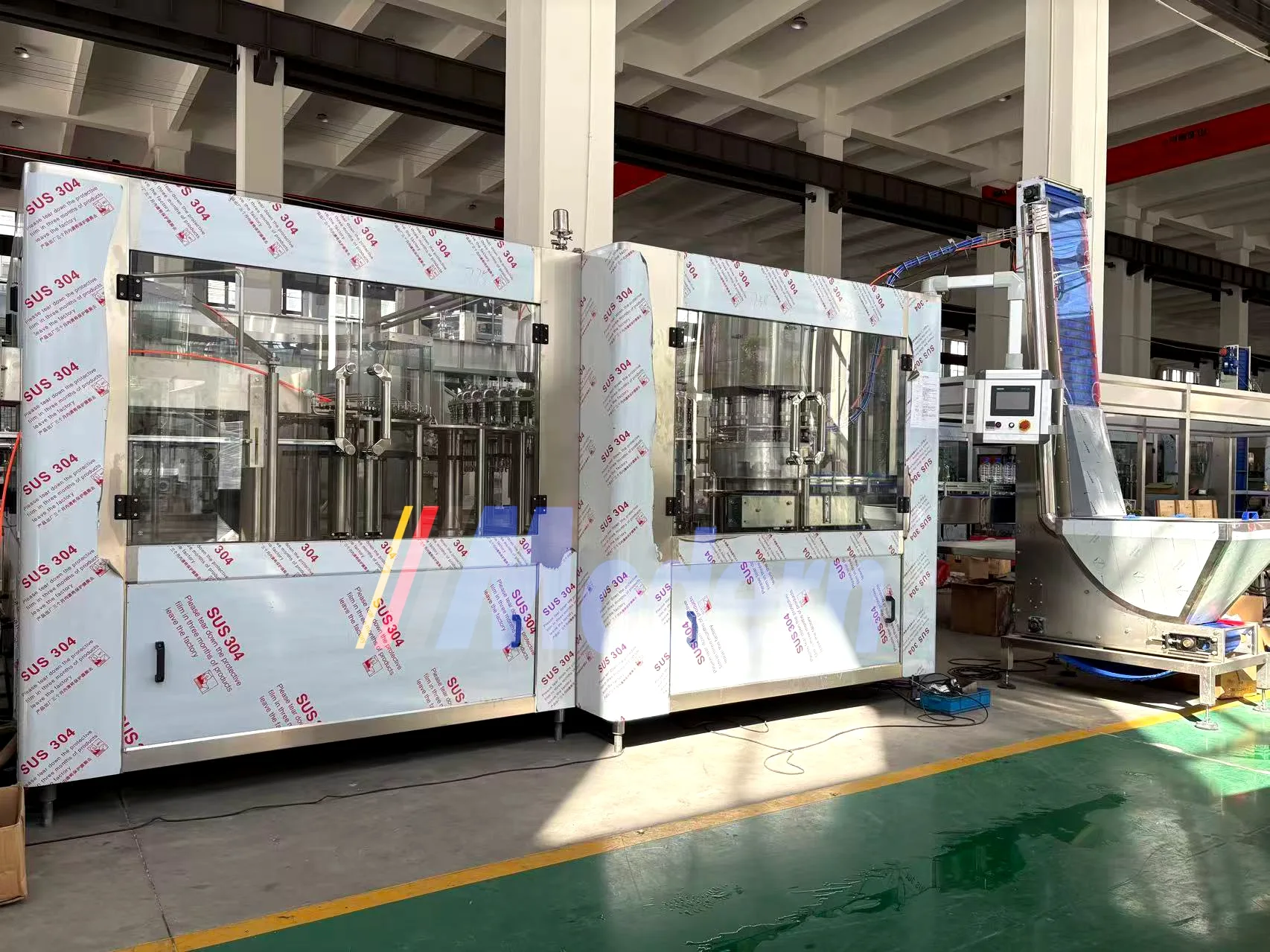
نظرة عامة
يعد ضمان سلامة الغذاء جانباً حيوياً في صناعة الأغذية، حيث يؤثر على صحة المستهلك وسمعة الشركة على حد سواء. تلعب الصيانة الدورية دوراً محورياً في الحفاظ على معايير عالية لسلامة الغذاء، ومنع التلوث، والامتثال للمتطلبات التنظيمية. يستعرض هذا المقال أهمية ممارسات الصيانة المستمرة في الحفاظ على سلامة الغذاء.
الفوائد والمزايا
توفر الصيانة الدورية لسلامة الغذاء العديد من المزايا للشركات، بما في ذلك:
- منع التلوث والأمراض المنقولة بالغذاء.
- تعزيز جودة المنتج وإطالة فترة صلاحيته.
- زيادة ثقة المستهلك وولائه.
- الامتثال للوائح ومعايير الصناعة.
- تقليل مخاطر عمليات الاستدعاء المكلفة والتبعات القانونية.
أنواع الصيانة لسلامة الغذاء
هناك عدة أنواع من ممارسات الصيانة الضرورية لضمان سلامة الغذاء:
- تنظيف وتعقيم المعدات ومساحات العمل بانتظام.
- معايرة الآلات والمعدات للحفاظ على الدقة.
- فحص واستبدال الأجزاء التالفة أو البالية على الفور.
- تدريب الموظفين على ممارسات المناولة والتخزين والنظافة الصحيحة.
- تنفيذ تدابير مكافحة الآفات لمنع انتشارها.
التطبيقات وحالات الاستخدام
تعد الصيانة الدورية لسلامة الغذاء ضرورية عبر مختلف قطاعات صناعة الأغذية:
- مصانع معالجة الأغذية ومنشآت التصنيع.
- المطاعم والمقاهي وخدمات تقديم الطعام.
- متاجر التجزئة والبقالة التي تتعامل مع السلع القابلة للتلف.
- شركات نقل الأغذية والخدمات اللوجستية.
- المزارع والعمليات الزراعية التي تنتج المحاصيل الطازجة.
التفاصيل الفنية وأفضل الممارسات
تشمل الجوانب الفنية الرئيسية للصيانة من أجل سلامة الغذاء ما يلي:
- تطوير جدول صيانة وقائمة تحقق شاملة.
- استخدام مواد تنظيف ومعقمات مخصصة للأغذية.
- اختبار المعدات بانتظام للتأكد من كفاءتها ودقتها.
- تدريب الموظفين على بروتوكولات التنظيف والنظافة الصحيحة.
- الاحتفاظ بسجلات مفصلة لأنشطة الصيانة لضمان الامتثال.
اتجاهات السوق ورؤى الصناعة
تشهد صناعة الأغذية العديد من الاتجاهات المتعلقة بالصيانة من أجل سلامة الغذاء:
- زيادة الأتمتة في عمليات التنظيف والصيانة.
- دمج إنترنت الأشياء (IoT) والتقنيات الذكية لمراقبة المعدات.
- ارتفاع الطلب على ممارسات الصيانة المستدامة والصديقة للبيئة.
- اعتماد نماذج الصيانة التنبؤية لتقليل وقت التوقف عن العمل.
التحديات والحلول
تشمل التحديات الشائعة في الحفاظ على سلامة الغذاء ما يلي:
- دوران الموظفين مما يؤدي إلى ممارسات صيانة غير متسقة.
- قيود الميزانية التي تؤثر على الاستثمار في صيانة المعدات.
- المتطلبات التنظيمية المعقدة التي تتطلب جهود امتثال مستمرة.
لمواجهة هذه التحديات، يمكن للشركات تنفيذ حلول مثل:
- مبادرات تدريب الموظفين وتبادل المعرفة بانتظام.
- تحسين ميزانيات الصيانة من خلال تحديد الأولويات والحلول الفعالة من حيث التكلفة.
- استخدام الحلول البرمجية لتبسيط إدارة الامتثال.
الاستدامة والتوقعات المستقبلية
تكتسب ممارسات الصيانة المستدامة زخمًا في صناعة الأغذية، مع التركيز على تقليل النفايات واستهلاك الطاقة والأثر البيئي. يكمن مستقبل الصيانة لسلامة الأغذية في دمج التقنيات الخضراء ومبادئ الاقتصاد الدائري والابتكار المستمر لضمان إنتاج غذائي آمن ومستدام.
من خلال إعطاء الأولوية للصيانة الدورية لسلامة الأغذية، يمكن للشركات حماية عملياتها، والحفاظ على صحة المستهلك، والالتزام بمعايير الصناعة، مما يساهم في نهاية المطاف في بناء سلسلة توريد غذائية أكثر صحة واستدامة.


