
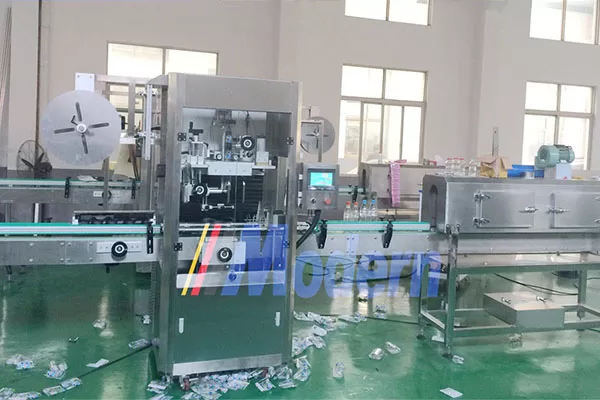
في عالم التجارة الدولية سريع الخطى، تلعب عملية تعبئة وتغليف المنتجات دوراً حيوياً ليس فقط في حماية البضائع أثناء النقل، بل أيضاً في تلبية المعايير التنظيمية الصارمة التي تضعها الهيئات الإدارية المختلفة. إن الشركات التي تفشل في الالتزام بهذه المعايير لا تخاطر فقط بالتعرض للغرامات والعقوبات، بل تضر أيضاً بسمعتها في السوق. يتناول هذا المقال الدور الحاسم لمعدات التعبئة والتغليف في ضمان الامتثال التنظيمي، ولماذا تعد اعتباراً رئيسياً للشركات التي تعمل على نطاق عالمي.
فوائد الامتثال للمعايير التنظيمية
يؤدي الالتزام بالمعايير التنظيمية فيما يتعلق بالتعبئة والتغليف إلى العديد من المزايا للشركات العاملة في التجارة الدولية:
- ضمان سلامة وجودة المنتجات للمستهلكين النهائيين
- منع المشكلات القانونية والمسؤوليات المحتملة
- تعزيز ثقة المستهلك وسمعة العلامة التجارية
- تسهيل إجراءات التخليص الجمركي وتقليل تأخير الشحنات
من خلال الاستثمار في معدات التعبئة والتغليف المناسبة، يمكن للشركات تبسيط عملياتها وتلبية اللوائح الضرورية بفعالية.
أنواع معدات التعبئة والتغليف
تتوفر أنواع مختلفة من معدات التعبئة والتغليف في السوق، صُمم كل منها لتلبية احتياجات ومتطلبات محددة. ومن الأمثلة الشائعة:
- آلات التعبئة والإغلاق للمنتجات السائلة
- آلات وضع الملصقات للحصول على معلومات دقيقة عن المنتج
- أجهزة فحص الوزن لضمان الوزن الصحيح للبضائع المعبأة
- آلات التعبئة بالتفريغ الهوائي للحفاظ على النضارة
يعتمد اختيار النوع المناسب من المعدات على طبيعة المنتجات التي يتم تعبئتها والمعايير التنظيمية التي يجب تلبيتها.
التطبيقات في سيناريوهات واقعية
تُستخدم معدات التعبئة والتغليف في مختلف الصناعات لتلبية المتطلبات التنظيمية وضمان التسليم الآمن للمنتجات. على سبيل المثال:
- في قطاع الأدوية، تحكم لوائح صارمة تعبئة الأدوية للحفاظ على سلامتها ومنع التلوث
- في صناعة الأغذية، تلعب معدات التعبئة والتغليف دوراً حاسماً في ضمان سلامة الغذاء والامتثال لمتطلبات وضع الملصقات
- في قطاع التصنيع، تُستخدم معدات التعبئة والتغليف لحماية البضائع الهشة أثناء الشحن والتخزين
تسلط هذه التطبيقات الواقعية الضوء على أهمية الاستثمار في معدات تعبئة وتغليف عالية الجودة لتلبية المعايير التنظيمية وتسليم المنتجات بأمان للمستهلكين.
أفضل الممارسات ونصائح الصيانة
لضمان الأداء الأمثل وطول عمر معدات التعبئة والتغليف، يجب على الشركات اتباع أفضل الممارسات التالية:
- الصيانة والمعايرة الدورية للآلات لتجنب الأعطال
- تدريب الموظفين على الاستخدام الصحيح وبروتوكولات السلامة
- تحديث المعدات بانتظام لتلبية المتطلبات التنظيمية المتغيرة
باتباع هذه النصائح، يمكن للشركات زيادة كفاءة عمليات التعبئة والتغليف الخاصة بها والبقاء ممتثلة للوائح.
اتجاهات السوق ورؤى الصناعة
تتطور صناعة معدات التعبئة والتغليف باستمرار، مع التركيز على الابتكار والكفاءة. تشمل بعض الاتجاهات الناشئة في هذا القطاع استخدام مواد مستدامة، وتقنيات الأتمتة لزيادة الإنتاجية، وحلول التعبئة الذكية للتتبع والمراقبة في الوقت الفعلي.
التحديات والحلول
على الرغم من فوائد معدات التعبئة والتغليف، قد تواجه الشركات تحديات مثل ارتفاع التكاليف، والمتطلبات التنظيمية المعقدة، والتقدم التكنولوجي السريع. ولمواجهة هذه التحديات، يمكن للشركات:
- الاستثمار في برامج تدريبية لتطوير مهارات الموظفين على التقنيات الجديدة
- التعاون مع السلطات التنظيمية لفهم المعايير المتغيرة والامتثال لها
- استكشاف حلول فعالة من حيث التكلفة مثل تأجير المعدات أو الاستعانة بمصادر خارجية لخدمات التعبئة والتغليف
الاستدامة والتوقعات المستقبلية
مع التركيز المتزايد على الاستدامة والممارسات الصديقة للبيئة، يكمن مستقبل معدات التعبئة والتغليف في تطوير حلول صديقة للبيئة. الشركات التي تعطي الأولوية للاستدامة في عمليات التعبئة والتغليف الخاصة بها لا يمكنها فقط تقليل بصمتها الكربونية، بل أيضاً جذب المستهلكين الذين يزداد وعيهم بالتأثيرات البيئية.
في الختام، يعد الاستثمار في معدات تعبئة وتغليف عالية الجودة أمراً ضرورياً لتلبية المعايير التنظيمية، وضمان سلامة المنتج، والحفاظ على ميزة تنافسية في السوق العالمية. من خلال البقاء على اطلاع باتجاهات الصناعة، واعتماد أفضل الممارسات، ومعالجة التحديات بشكل استباقي، يمكن للشركات تعزيز عمليات التعبئة والتغليف الخاصة بها ودفع عجلة النمو في مشهد التجارة الدولية.


