
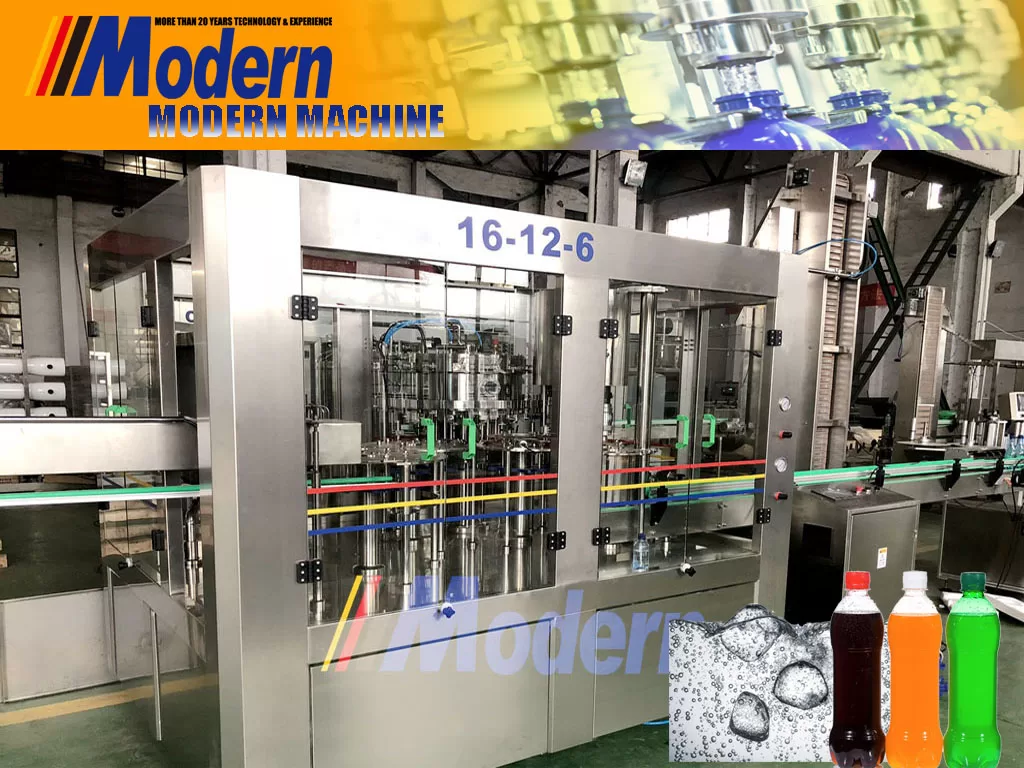
في ظل التطور المتسارع لصناعة المشروبات، لا يمكن المبالغة في أهمية آلات تعبئة المشروبات الغازية. تلعب هذه الآلات المتطورة دوراً محورياً في ضمان الكفاءة والجودة والسلامة في إنتاج المشروبات الغازية، التي تتراوح من المشروبات الغازية العادية إلى المياه الفوارة. ومع استمرار تصاعد طلب المستهلكين، أصبح فهم تعقيدات هذه الآلات أمراً ضرورياً للمصنعين الذين يهدفون إلى تحسين عمليات الإنتاج لديهم.
فهم آلات تعبئة المشروبات الغازية
صُممت آلات تعبئة المشروبات الغازية لتعبئة الزجاجات والعلب بالسوائل الغازية مع الحفاظ على المستويات المثالية للكربنة ومنع التلوث. وهي تشكل عنصراً حاسماً في خط الإنتاج، حيث تتلاقى عمليات مختلفة مثل الكربنة والخلط والتعبئة.
أنواع آلات تعبئة المشروبات الغازية
هناك عدة أنواع من آلات التعبئة المستخدمة في صناعة المشروبات الغازية، وكل نوع مصمم لتلبية احتياجات محددة:
- آلات التعبئة بالضغط: تعمل هذه الآلات بناءً على مبدأ الضغط. فهي تقوم بتعبئة العبوة مع الحفاظ على الضغط الداخلي لمنع تكون الرغوة وضمان الحفاظ على الكربنة.
- آلات التعبئة بالجاذبية: تستخدم هذه الأجهزة الجاذبية لتعبئة العبوات. وعلى الرغم من أنها مناسبة عموماً للمشروبات غير الغازية، إلا أنه يمكن تكييفها لبعض المشروبات الغازية، على الرغم من أنها قد تؤدي إلى مزيد من الرغوة.
- آلات التعبئة بالتفريغ الهوائي: من خلال خلق فراغ داخل العبوة، تقلل هذه الآلات من احتمالية تكون الرغوة. وغالباً ما تُستخدم هذه الطريقة للمشروبات الحساسة التي يجب أن تحتفظ بمستوى عالٍ من الكربنة.
- آلات التعبئة الدوارة: تتميز هذه الآلات بتصميم دوار، مما يزيد من كفاءة الإنتاج إلى أقصى حد، وهي مفضلة للبيئات ذات الإنتاجية العالية.
فوائد استخدام آلات التعبئة المتقدمة
إن الاستثمار في آلات تعبئة المشروبات الغازية عالية الجودة يجلب مزايا متنوعة للمصنعين، مما يؤثر على كفاءة الإنتاج وجودة المنتج بشكل عام.
تعزيز الكفاءة
تدمج آلات التعبئة الحديثة تقنيات متقدمة مثل الأنظمة المؤتمتة، مما يضمن عملية تعبئة أسرع وأكثر كفاءة. ومن خلال تقليل التدخل البشري، يمكن لهذه الآلات تقليل التكاليف التشغيلية وأوقات الدورات بشكل كبير. وتسمح الأتمتة للمصنعين بتلبية طلب المستهلكين المتزايد دون التضحية بالجودة.
الرقابة على الجودة
يعد الحفاظ على جودة المنتج المتسقة أولوية قصوى لمصنعي المشروبات. وتتضمن آلات التعبئة المتقدمة آليات متنوعة لمراقبة الجودة، مثل المستشعرات التي تراقب مستويات التعبئة وتكتشف أي تباينات. تضمن هذه العملية أن كل عبوة تلبي المواصفات المطلوبة، مما يقلل من الهدر ويعزز رضا المستهلك.
تقليل مخاطر التلوث
يعد ضمان سلامة المنتج أمراً بالغ الأهمية في صناعة المشروبات. وقد صُممت آلات تعبئة المشروبات الغازية مع مراعاة النظافة، حيث تتميز بأسطح سهلة التنظيف وإجراءات تعقيم روتينية. إن استخدام هذه الآلات يقلل بشكل كبير من مخاطر التلوث، وبالتالي يحافظ على سلامة المنتج وجودته.
تعدد الاستخدامات والتخصيص
مع تنوع تفضيلات المستهلكين، غالباً ما يحتاج المصنعون إلى آلات قادرة على استيعاب مجموعة متنوعة من أحجام وأشكال وأنواع العبوات. صُممت العديد من آلات التعبئة الحديثة لتكون متعددة الاستخدامات، مما يسمح بإجراء تعديلات سهلة دون فترات توقف طويلة. هذه القدرة على التكيف تجعل من السهل على الشركات تلبية متطلبات السوق المتغيرة.
اختيار آلة تعبئة المشروبات الغازية المناسبة
عندما يتعلق الأمر باختيار آلة تعبئة المشروبات الغازية المثالية، يحتاج المصنعون إلى مراعاة عدة عوامل لضمان اتخاذ قرار مستنير.
القدرة الإنتاجية
يعد فهم حجم الإنتاج أمراً بالغ الأهمية عند اختيار معدات التعبئة. تأتي الآلات في مجموعة من الطاقات الإنتاجية، بدءاً من الوحدات الصغيرة المناسبة للإنتاج الحرفي وصولاً إلى الأنظمة واسعة النطاق القادرة على التعامل مع آلاف العبوات في الساعة. ستساعد معرفة القدرة الإنتاجية المطلوبة المصنعين على تجنب الاستثمار الزائد أو الناقص المكلف.
نوع المشروبات
قد تتطلب أنواع مختلفة من المشروبات الغازية تقنيات تعبئة متخصصة. على سبيل المثال، قد تختلف لزوجة المشروبات الغازية مقارنة بالمياه الفوارة. يحتاج المنتجون إلى تحليل تركيبات مشروباتهم الخاصة واختيار آلات التعبئة التي تتوافق مع هذه الخصائص للحفاظ على جودة المنتج.
تكامل التكنولوجيا
غالباً ما تتميز آلات التعبئة الحديثة بتقنية ذكية للمراقبة في الوقت الفعلي وتحسين العمليات. يجب على المصنعين البحث عن الآلات التي توفر تكاملاً سهلاً مع خطوط الإنتاج الحالية والأنظمة المؤتمتة الأخرى. يمكن أن يؤدي تكامل التكنولوجيا إلى تعزيز الكفاءة التشغيلية بشكل كبير وتقليل الخطأ البشري.
أفضل الممارسات للتشغيل والصيانة
لتحقيق أقصى قدر من العمر الافتراضي وكفاءة آلات تعبئة المشروبات الغازية، يعد الالتزام بممارسات التشغيل والصيانة المناسبة أمراً حيوياً.
الصيانة الدورية
يمكن للفحص والصيانة الروتينية لآلات التعبئة تخفيف المشكلات المحتملة قبل تفاقمها. يجب على المصنعين وضع خطة صيانة مجدولة، تتضمن فحص المضخات والأختام والمكونات الكهربائية. تضمن الصيانة المنتظمة سلاسة العمليات وتلهم الثقة في سلامة المنتج وجودته.
تدريب المشغلين
يعد الاستثمار في التدريب الشامل لمشغلي الآلات أمراً ضرورياً. يجب أن يفهم جميع الموظفين وظائف الآلة ومتطلبات الصيانة وإجراءات استكشاف الأخطاء وإصلاحها بشكل كامل. ستعمل القوى العاملة المدربة جيداً على تشغيل الآلات بكفاءة وأمان، مما يقلل من مخاطر الحوادث وفقدان المنتج.
مراقبة جودة الإنتاج
تعد المراقبة المستمرة لجودة الإنتاج أمراً بالغ الأهمية للحفاظ على المعايير العالية. يجب على المشغلين فحص مقاييس أداء آلات التعبئة بانتظام، وأي شذوذ يجب أن يدفع إلى إجراء تحقيق فوري واتخاذ إجراءات تصحيحية. تعزز هذه الممارسة ضمان الجودة وتحمي سمعة العلامة التجارية.
مستقبل تكنولوجيا تعبئة المشروبات الغازية
يتطور مشهد إنتاج المشروبات الغازية باستمرار، مدفوعاً بالتقدم التكنولوجي وتغير تفضيلات المستهلكين. مع تزايد المخاوف البيئية، يركز المصنعون بشكل متزايد على الاستدامة. إن تطوير آلات تعبئة صديقة للبيئة تقلل من الهدر واستهلاك الطاقة في تزايد مستمر.
تكنولوجيا التعبئة الذكية
يكمن مستقبل آلات تعبئة المشروبات الغازية في التكنولوجيا الذكية. يمكن للآلات المجهزة بقدرات إنترنت الأشياء (IoT) جمع البيانات والتواصل مع الأنظمة الأخرى وتسهيل الصيانة التنبؤية. هذا المستوى من الترابط لا يعزز الكفاءة فحسب، بل يزود المصنعين أيضاً برؤى قيمة لاتخاذ قرارات أفضل.
الممارسات المستدامة
مع زيادة وعي المستهلكين بالبيئة، يجب على صناعة المشروبات التكيف. من المرجح أن تحتل آلات التعبئة المستدامة التي تستخدم مستويات طاقة أقل وعمليات خالية من النفايات مركز الصدارة. يتضمن هذا التحول إنشاء أنظمة تعبئة لا تقوم بتعبئة المشروبات بفعالية فحسب، بل تقلل أيضاً من بصمتها البيئية.
الخلاصة
تعد آلات تعبئة المشروبات الغازية أصولاً لا غنى عنها لمصنعي المشروبات الذين يهدفون إلى الازدهار في سوق تنافسية. من خلال فهم ديناميكيات تشغيلها، واختيار الأنواع المناسبة، والالتزام بأفضل الممارسات، يمكن للشركات الحفاظ على كفاءة وجودة أعلى ورضا العملاء. ومع تقدم التكنولوجيا وتطور طلبات المستهلكين، فإن الاستثمار في أحدث تقنيات آلات التعبئة سيضع المصنعين في مكانة أفضل للنجاح في مشهد المشروبات المتغير باستمرار. في نهاية المطاف، سيكون تبني الابتكار والاستدامة مفتاحاً للنمو طويل الأجل في صناعة المشروبات الغازية.


