مقدمة
تلعب جودة المياه دوراً حاسماً في تحديد مذاق وسلامة المشروبات المعبأة. وباعتبارها مكوناً أساسياً في عملية الإنتاج، فإن نقاء المياه وتركيبتها يؤثران بشكل مباشر على نكهة المنتج النهائي ورائحته وجودته الشاملة. يتعمق هذا المقال في أهمية جودة المياه في صناعة المشروبات، ويستكشف كيف تؤثر على تصور المستهلك والتدابير التي يمكن للمصنعين اتخاذها لضمان الحصول على منتجات عالية الجودة.
فوائد المياه عالية الجودة في المشروبات المعبأة
تؤدي جودة المياه المتميزة إلى مذاق أكثر انتعاشاً ونقاءً في المشروبات المعبأة. أصبح المستهلكون أكثر تمييزاً ويبحثون عن مشروبات ليست لذيذة فحسب، بل آمنة للاستهلاك أيضاً. من خلال استخدام مياه عالية الجودة، يمكن للمصنعين تعزيز التجربة الحسية الشاملة وتلبية معايير السلامة الصارمة، مما يمنحهم ميزة تنافسية في السوق.
أنواع المياه المستخدمة في المشروبات المعبأة
- مياه الينابيع: يتم الحصول عليها بشكل طبيعي من الينابيع الجوفية، وتشتهر بنقائها ومحتواها المعدني.
- المياه المنقاة: تتم تصفيتها لإزالة الشوائب والملوثات، مما ينتج عنه مذاق نظيف ومحايد.
- المياه المعدنية: تحتوي على معادن أساسية مثل الكالسيوم والمغنيسيوم، مما يضفي عليها نكهة مميزة.
التطبيقات وحالات الاستخدام
تعد المياه عالية الجودة ضرورية في مختلف فئات المشروبات، بما في ذلك المشروبات الغازية، والمياه المنكهة، والمشروبات الرياضية، والمشروبات الوظيفية. يتطلب كل نوع من المشروبات خصائص مائية محددة لتحقيق المذاق والقوام المطلوب. سواء كان الأمر يتعلق بتعزيز فوار المشروبات الغازية أو توفير مذاق منعش في المياه المنكهة، فإن جودة المياه تظل أمراً بالغ الأهمية.
ضمان جودة المياه: أفضل الممارسات والنصائح
- إجراء اختبارات دورية للمياه لمراقبة مستويات النقاء وتحديد أي ملوثات.
- الاستثمار في أنظمة ترشيح متطورة لإزالة الشوائب وضمان جودة ثابتة.
- الحفاظ على نظافة معدات التخزين والتعبئة لمنع التلوث أثناء الإنتاج.
اتجاهات السوق ورؤى الصناعة
تشهد صناعة المشروبات تركيزاً متزايداً على الاستدامة والممارسات الصديقة للبيئة. يفضل العديد من المستهلكين الآن العلامات التجارية التي تعطي الأولوية للإشراف البيئي والمصادر المسؤولة للمياه. ومع تطور السوق، تستكشف الشركات تقنيات مبتكرة لمعالجة المياه لتقليل النفايات والبصمة الكربونية.
التحديات والحلول
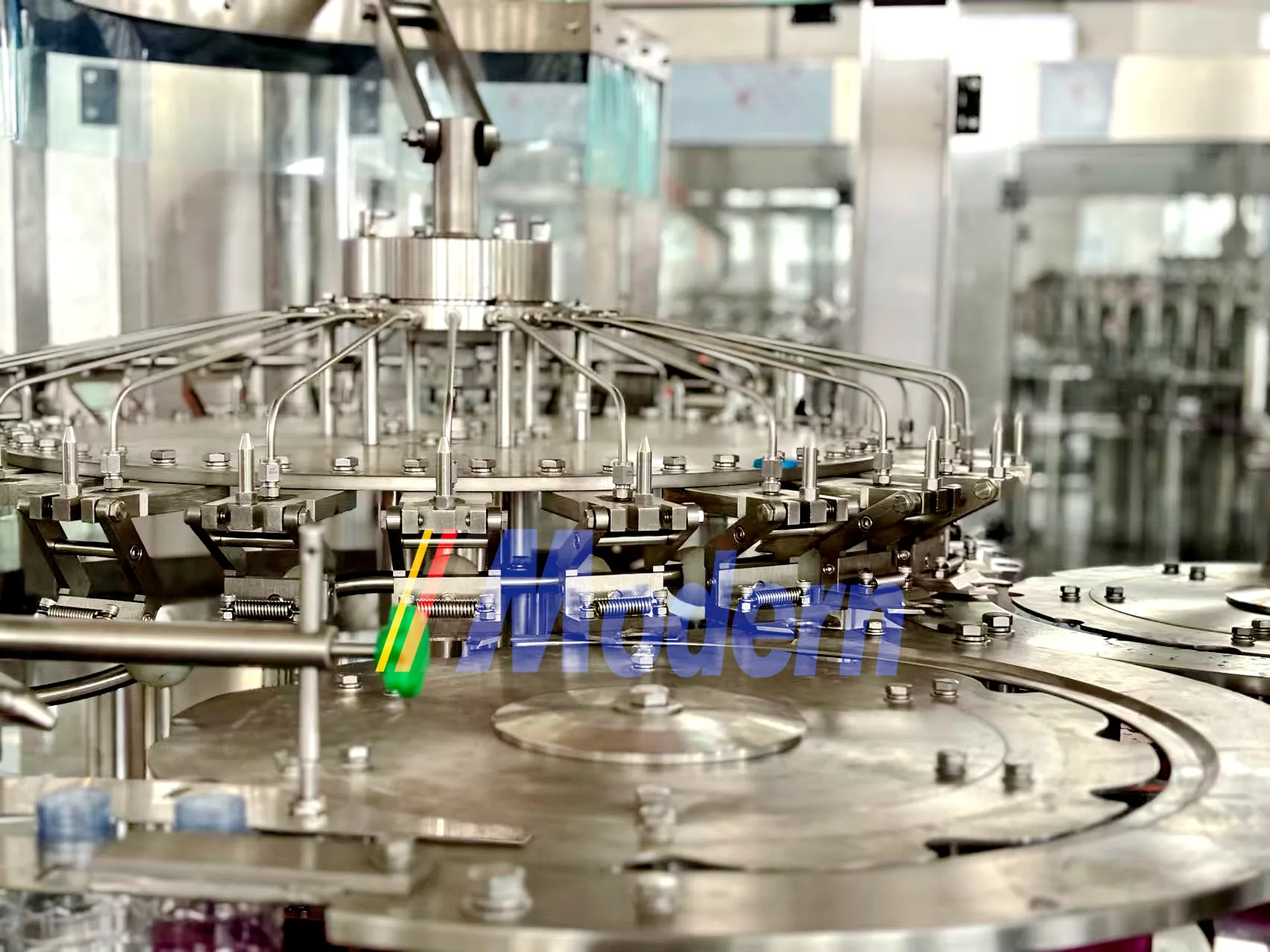
أحد التحديات الرئيسية في الحفاظ على جودة المياه هو خطر التلوث الميكروبي أثناء التعبئة والتخزين. ولمعالجة هذه المشكلة، يجب على المصنعين الالتزام ببروتوكولات النظافة الصارمة، وتنفيذ ممارسات تعقيم فعالة، وتطهير المعدات بانتظام لمنع نمو البكتيريا. بالإضافة إلى ذلك، يعد ضمان ظروف الإغلاق والتخزين المناسبة أمراً بالغ الأهمية للحفاظ على سلامة المنتج.
الاستدامة والتوقعات المستقبلية
مع تحول الاستدامة إلى قوة دافعة في صناعة المشروبات، تتبنى الشركات بشكل متزايد تدابير الحفاظ على المياه وتستكشف حلول تغليف بديلة لتقليل التأثير البيئي. ومن خلال إعطاء الأولوية للاستخدام الفعال للمياه واستكشاف التقنيات المبتكرة، تهدف الصناعة إلى خلق مستقبل أكثر استدامة للمشروبات المعبأة.
الخلاصة
تعد جودة المياه عاملاً أساسياً يشكل مذاق وسلامة واستدامة المشروبات المعبأة. ومن خلال فهم أهمية المياه عالية الجودة وتنفيذ أفضل الممارسات في إدارة المياه، يمكن للمصنعين تقديم منتجات استثنائية تلبي توقعات المستهلكين ومعايير الصناعة. ومع استمرار تطور سوق المشروبات، سيظل إعطاء الأولوية لجودة المياه عاملاً رئيسياً لتمييز العلامات التجارية التي تسعى للبروز في مشهد تنافسي.