
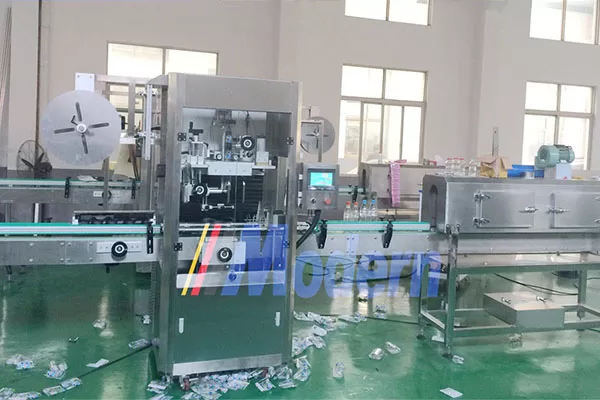
في ظل المشهد المتطور بسرعة لقطاع الإنتاج الصناعي، تلعب كفاءة عمليات التعبئة والتغليف دوراً محورياً في تحديد نجاح الشركات وقدرتها التنافسية. لقد أحدث استخدام آلات التعبئة والتغليف المتقدمة ثورة في قطاع التصنيع، مما أدى إلى تعزيز سرعة الإنتاج وكفاءة التكلفة بشكل كبير. يستعرض هذا المقال التأثير العميق لآلات التعبئة والتغليف على الشركات، متناولاً الفوائد، والأنواع، والتطبيقات، والتفاصيل التقنية، وأفضل الممارسات، واتجاهات السوق، والتحديات، وجوانب الاستدامة، والتوقعات المستقبلية.
نظرة عامة والأهمية
تعد عملية التعبئة والتغليف جانباً حاسماً في أي عملية تصنيع، حيث تشمل تغليف المنتجات وإغلاقها ووضع الملصقات عليها لتوزيعها وبيعها. تؤثر كفاءة هذه العملية بشكل مباشر على الإنتاجية والربحية الإجمالية للشركة. وقد برزت آلات التعبئة والتغليف كعوامل تمكين رئيسية في تبسيط العمليات، وتقليل التدخل اليدوي، وتحسين التكاليف.
فوائد آلات التعبئة والتغليف
- تعزيز سرعة الإنتاج: تقوم آلات التعبئة والتغليف بأتمتة المهام المتكررة، مما يؤدي إلى تسريع عمليات التعبئة وزيادة المخرجات.
- كفاءة التكلفة: من خلال تقليل تكاليف العمالة وتقليل هدر المواد، تساهم آلات التعبئة والتغليف في تحقيق وفورات إجمالية في التكاليف.
- الدقة والاتساق: تضمن الآلات التوحيد في التعبئة والتغليف، مما يعزز عرض المنتج ورضا العملاء.
- تحسين السلامة: تقلل الآلات المؤتمتة من المخاطر المرتبطة بالمناولة اليدوية لمواد التعبئة والتغليف.
أنواع وتنوعات آلات التعبئة والتغليف
تتوفر مجموعة واسعة من آلات التعبئة والتغليف لتناسب مختلف الصناعات والتطبيقات. تشمل بعض الأنواع الشائعة:
- آلات التشكيل والتعبئة والإغلاق (Form-Fill-Seal)
- آلات التغليف
- آلات وضع الملصقات
- آلات التعبئة في الكرتون
التطبيقات في مختلف الصناعات
تجد آلات التعبئة والتغليف تطبيقات واسعة النطاق عبر صناعات مثل الأغذية والمشروبات، والأدوية، والعناية الشخصية، والإلكترونيات. تقوم هذه الآلات بتصميم حلول تعبئة مخصصة لتلبية المتطلبات المحددة لكل قطاع، مما يضمن الكفاءة والجودة المثلى.
التفاصيل التقنية والتشغيل
تم تجهيز آلات التعبئة والتغليف الحديثة بميزات متقدمة مثل التغذية التلقائية، والتغليف عالي السرعة، ووضع الملصقات بدقة، وأنظمة مراقبة الجودة المتكاملة. يعد فهم المواصفات التقنية والجوانب التشغيلية لهذه الآلات أمراً بالغ الأهمية لتحقيق أقصى قدر من أدائها.
أفضل الممارسات ونصائح الصيانة
- تعد الصيانة والتنظيف الدوريان ضروريين لضمان التشغيل السلس لآلات التعبئة والتغليف.
- تدريب المشغلين على الاستخدام الصحيح للآلة وتقنيات استكشاف الأخطاء وإصلاحها لتقليل وقت التوقف عن العمل.
- مراقبة مقاييس الإنتاج ومؤشرات الأداء لتحديد مجالات التحسين.
اتجاهات السوق ورؤى الصناعة
تشهد صناعة التعبئة والتغليف تحولاً نحو المواد الصديقة للبيئة، والعمليات المؤتمتة، وحلول التعبئة الذكية. تعمل الابتكارات مثل الروبوتات ودمج الذكاء الاصطناعي على إعادة تشكيل المشهد، مما يوفر كفاءة واستدامة معززتين.
التحديات والحلول
تشمل التحديات الشائعة التي تواجه عمليات التعبئة والتغليف أعطال الآلات، ونقص المواد، وقضايا الامتثال التنظيمي. يمكن أن تؤدي استراتيجيات الصيانة الاستباقية، واعتماد تقنيات الصيانة التنبؤية، وتنويع شبكات الموردين إلى معالجة هذه التحديات بفعالية.
الاستدامة والتوقعات المستقبلية
أصبحت الاستدامة محوراً رئيسياً في صناعة التعبئة والتغليف، مع تركيز متزايد على المواد القابلة لإعادة التدوير، والعمليات الموفرة للطاقة، ومبادرات تقليل النفايات. تشير التوقعات المستقبلية نحو مزيد من الأتمتة، والرقمنة، وحلول التعبئة الصديقة للبيئة لتلبية متطلبات المستهلكين المتطورة والمخاوف البيئية.
في الختام، لا يمكن إنكار تأثير آلات التعبئة والتغليف على سرعة الإنتاج وكفاءة التكلفة في مشهد التصنيع التنافسي اليوم. الشركات التي تستفيد من تقنيات التعبئة والتغليف المتقدمة ستحقق مزايا كبيرة من حيث الإنتاجية والجودة والاستدامة. ومن خلال تبني الابتكار وأفضل الممارسات واتجاهات السوق، يمكن للشركات فتح فرص جديدة والبقاء في الصدارة في ظل ديناميكيات السوق المتطورة.


