
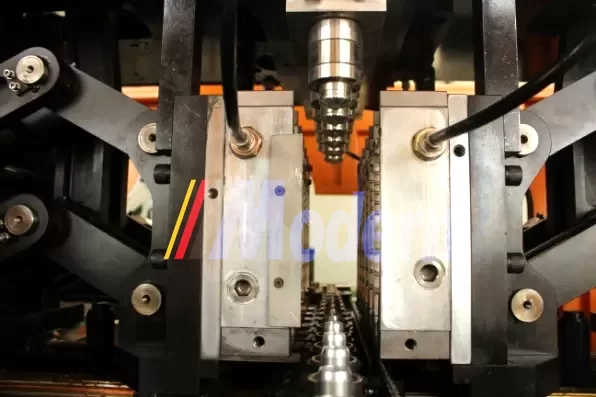
تعد عملية النفخ (Blow molding) إحدى عمليات التصنيع التي أحدثت ثورة في إنتاج المنتجات البلاستيكية. إن فهم تاريخ عملية النفخ يقدم رؤى حول كيفية تطور هذه التكنولوجيا المبتكرة على مر السنين. فمن بداياتها المتواضعة وصولاً إلى تطبيقاتها الواسعة في مختلف الصناعات اليوم، لعبت عملية النفخ دوراً مهماً في تشكيل عمليات التصنيع الحديثة.
البدايات الأولى
يعود تاريخ القولبة بالنفخ إلى أواخر القرن التاسع عشر، مع تطوير أول آلة للقولبة بالنفخ في تسعينيات القرن التاسع عشر. في البداية، استُخدمت هذه العملية لإنشاء أجسام مجوفة بسيطة مثل الزجاجات والحاويات، وكانت تعتمد على نفخ الهواء في أنبوب زجاجي مسخن لتشكيل المادة بالشكل المطلوب. وضعت هذه الصورة المبكرة للقولبة بالنفخ الأساس للتقنيات الأكثر تقدمًا التي ظهرت في العقود التالية.
التطورات في القرن العشرين
شهدت القولبة بالنفخ تطورات كبيرة في القرن العشرين، لا سيما في فترة ما بعد الحرب العالمية الثانية. مهد إدخال المواد البلاستيكية كبديل للزجاج والمعدن الطريق لاعتماد القولبة بالنفخ على نطاق واسع في التصنيع الصناعي. كما أدى تطوير تقنيات جديدة مثل القولبة بالنفخ بالبثق والقولبة بالنفخ بالحقن إلى توسيع قدرات العملية، مما سمح بإنتاج أشكال وتصاميم أكثر تعقيدًا.
التطبيقات الصناعية
على مر السنين، وجدت القولبة بالنفخ طريقها إلى مجموعة واسعة من الصناعات، بما في ذلك السيارات، والتعبئة والتغليف، والسلع الاستهلاكية، والرعاية الصحية. إن تعدد استخدامات هذه العملية، إلى جانب فعاليتها من حيث التكلفة وكفاءتها، جعلها خيارًا شائعًا للمصنعين الذين يتطلعون إلى إنتاج منتجات بلاستيكية عالية الجودة بكميات كبيرة. من مكونات السيارات وحاويات الطعام إلى الأجهزة الطبية والأدوات المنزلية، أصبحت القولبة بالنفخ جزءًا أساسيًا من التصنيع الحديث.
الابتكارات التكنولوجية
لعبت التطورات التكنولوجية دورًا حاسمًا في تشكيل تطور القولبة بالنفخ. سمح إدخال برامج التصميم بمساعدة الحاسوب (CAD) وآلات التحكم الرقمي بالحاسوب (CNC) للمصنعين بتصميم وإنتاج قوالب معقدة للغاية بدقة متناهية. كما ساهمت الأتمتة والروبوتات في تبسيط عملية الإنتاج، مما أدى إلى زيادة الكفاءة وخفض التكاليف.
الاستدامة والأثر البيئي
مع تزايد المخاوف بشأن الاستدامة البيئية، تخطو صناعة القولبة بالنفخ خطوات واسعة نحو تقليل بصمتها الكربونية. يستخدم المصنعون بشكل متزايد مواد معاد تدويرها ويطبقون عمليات موفرة للطاقة لتقليل النفايات وتحسين استخدام الموارد. أصبحت الممارسات المستدامة مثل تقليل الوزن واختيارات المواد الصديقة للبيئة معايير قياسية في الصناعة، مما يضمن بقاء القولبة بالنفخ خيار تصنيع قابلًا للتطبيق ومسؤولًا بيئيًا.
الاتجاهات المستقبلية والتوقعات
بالنظر إلى المستقبل، فإن القولبة بالنفخ مهيأة لمزيد من الابتكار والنمو. من المرجح أن تُحدث التقنيات الناشئة مثل الطباعة ثلاثية الأبعاد والمواد القابلة للتحلل ثورة في الصناعة، مما يوفر إمكانيات جديدة لإنشاء منتجات مخصصة وصديقة للبيئة. ومع تطور طلبات المستهلكين وازدياد صرامة اللوائح المتعلقة باستخدام البلاستيك، سيحتاج المصنعون إلى التكيف وتبني تقنيات جديدة للبقاء في المنافسة في السوق.
الخلاصة
إن تاريخ القولبة بالنفخ هو شهادة على البراعة البشرية والتقدم التكنولوجي. فمن بداياتها المتواضعة إلى تطبيقها الواسع الحالي في مختلف الصناعات، قطعت القولبة بالنفخ شوطًا طويلًا لتصبح حجر الزاوية في التصنيع الحديث. ومن خلال مواكبة الابتكارات التكنولوجية، وتبني الممارسات المستدامة، وتوقع الاتجاهات المستقبلية، يمكن للمصنعين ضمان استمرار القولبة بالنفخ كحل تصنيع متعدد الاستخدامات وفعال لسنوات قادمة.


