
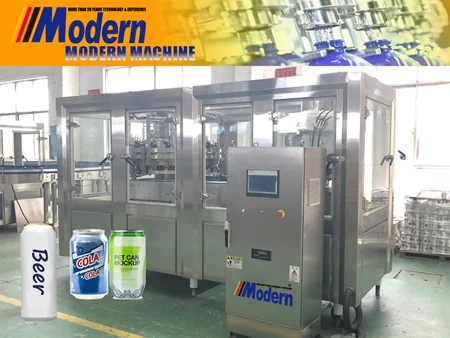
برزت آلات تعبئة علب طلاء الرذاذ كعنصر حيوي في مشهد التصنيع والتعبئة والتغليف، مما يساهم في كفاءة وجودة تقديم المنتجات في صناعة الطلاء والدهانات. ومع تزايد طلب المستهلكين على الراحة والتنوع، أصبح فهم تعقيدات أنظمة تعبئة الرذاذ أكثر أهمية من أي وقت مضى للمصنعين الذين يتطلعون إلى تحسين العمليات وتلبية متطلبات السوق. في هذا المقال، سنستكشف أهمية هذه الآلات، والأنواع المختلفة المتاحة، وعملياتها، ورؤى حول اختيار النظام الأمثل لعملك.
فهم تكنولوجيا الرذاذ (الأيروسول)
تكنولوجيا الرذاذ هي طريقة تستخدم لتوصيل مجموعة متنوعة من المواد في شكل رذاذ دقيق أو بخاخ. تحظى هذه الطريقة بشعبية خاصة في صناعة الطلاء، حيث يمكن للقدرة على وضع الطلاء بسرعة وبشكل متساوٍ أن تؤثر بشكل كبير على جودة المنتج النهائي. بدأ الانتقال من طرق وضع الطلاء التقليدية إلى تكنولوجيا الرذاذ عندما سعى المصنعون إلى تحسين الكفاءة وتقليل الهدر.
يكمن جوهر هذه التكنولوجيا في علبة الرذاذ، التي تسمح بتوزيع المنتج بشكل محكوم عند الضغط على الفوهة. تضمن آلات التعبئة المستخدمة في هذه العملية تعبئة العلب بدقة وبشكل موحد، مما يجعلها عنصراً حاسماً في الحفاظ على سلامة المنتج.
أنواع آلات تعبئة علب طلاء الرذاذ
هناك أنظمة متنوعة لتعبئة علب الرذاذ، صُمم كل منها لتلبية احتياجات تصنيعية محددة. يمكن أن يساعد فهم الأنواع المختلفة الشركات على اتخاذ قرارات مستنيرة بشأن عملياتها.
1. آلات التعبئة بالجاذبية
تعتمد الآلات التي تعمل بالجاذبية على قوة الجاذبية لتعبئة علب الرذاذ، مما يجعلها مناسبة للسوائل الأخف وزناً. تميل هذه الآلات إلى أن تكون أكثر بساطة وفعالية من حيث التكلفة، مما يجعلها مثالية لخطوط الإنتاج الصغيرة. ومع ذلك، قد لا توفر مستوى الدقة أو الاتساق المطلوب للعمليات الأكبر.
2. آلات التعبئة بالضغط
تستخدم آلات التعبئة بالضغط ضغطاً منظماً لتوزيع السائل في علبة الرذاذ. هذه الطريقة أكثر كفاءة للدهانات والطلاءات الأكثر سمكاً. علاوة على ذلك، فهي تعزز اتساق المنتج وتقلل من الهدر، مما يثبت أنها مفيدة لبيئات الإنتاج واسعة النطاق.
3. آلات التعبئة الأوتوماتيكية
توفر آلات تعبئة الرذاذ الأوتوماتيكية بالكامل أعلى مستوى من الكفاءة والموثوقية. وهي قادرة على التعامل مع عدة خطوات في عملية التعبئة، بما في ذلك وضع العلب، والتعبئة، والسد، ووضع الملصقات، دون تدخل بشري. يؤدي هذا التطور إلى وفورات كبيرة في تكاليف العمالة وتقليل الأخطاء البشرية.
عملية التعبئة
يعد فهم عملية تعبئة علب الرذاذ أمراً ضرورياً للمصنعين الذين يتطلعون إلى تبسيط عملياتهم. تتكون دورة التعبئة النموذجية من عدة خطوات رئيسية:
1. التحضير
تتضمن هذه المرحلة الأولية تنظيف وفحص العلب قبل التعبئة. تضمن مراقبة الجودة هنا أن المنتجات الخالية من العيوب فقط هي التي تنتقل إلى المرحلة التالية، مما يساعد في الحفاظ على سلامة المنتج المعبأ.
2. التعبئة
أثناء عملية التعبئة، يتم ضخ الطلاء السائل في العلب. تنظم آلة التعبئة المختارة الكمية الموزعة لضمان الاتساق. غالباً ما تتحقق أنظمة المراقبة من الوزن ومستويات التعبئة لضمان مطابقة كل علبة للمعايير اللازمة.
3. الضغط
بعد التعبئة، يتم ضغط العلب بغازات مثل البيوتان أو البروبان، والتي تسمح بطرد المنتج عند تنشيط الفوهة. تساعد هذه الخطوة الحاسمة في إنشاء المادة الدافعة اللازمة لتوصيل الرذاذ بشكل صحيح.
4. الإغلاق
تتضمن الخطوة الأخيرة سد العلب بإحكام لمنع التسرب وضمان السلامة. تساعد العلبة المغلقة بإحكام أيضاً في الحفاظ على فترة الصلاحية، مما يجعل هذه الخطوة ضرورية لسلامة المنتج.
اختيار آلة تعبئة علب طلاء الرذاذ المناسبة
يمكن أن يؤثر اختيار آلة تعبئة علب طلاء الرذاذ المناسبة بشكل كبير على الكفاءة التشغيلية وجودة المنتج ورضا العملاء. إليك بعض العوامل الحاسمة التي يجب مراعاتها عند اتخاذ قرارك:
1. الطاقة الإنتاجية
ضع في اعتبارك احتياجات حجم الإنتاج لديك. قم بتقييم ما إذا كانت آلتك ستحتاج إلى التعامل مع دفعات صغيرة أو عمليات ذات حجم كبير. سيساعدك فهم هذا الجانب على الاختيار بين الأنظمة اليدوية وشبه الأوتوماتيكية والأوتوماتيكية بالكامل.
2. لزوجة المنتج
أنواع مختلفة من آلات التعبئة مناسبة للزوجة السوائل المختلفة. سيؤدي تقييم الخصائص الفيزيائية لطلائك، مثل السماكة أو التركيبة، إلى توجيهك إلى الآلة المناسبة القادرة على الحفاظ على مستويات تعبئة متسقة.
3. تكلفة التشغيل
بعيداً عن الاستثمار الأولي، ضع في اعتبارك تكاليف التشغيل طويلة الأجل للآلة، بما في ذلك استهلاك الطاقة والصيانة ووقت التوقف عن العمل. قد لا يعني سعر الشراء المنخفض دائماً انخفاض التكلفة الإجمالية للملكية.
4. المساحة والتخطيط
قم بتقييم المساحة المتاحة للآلة في منشأتك. ضع في اعتبارك كيف يتناسب حجم الآلة المختارة مع التخطيط وسير العمل الحالي. يعد ضمان وجود مساحة كافية لكل من الكفاءة التشغيلية والمناولة الآمنة أمراً بالغ الأهمية.
5. الامتثال للوائح
تخضع صناعة الرذاذ للعديد من لوائح السلامة والبيئة. تأكد من أن أي آلة تفكر فيها تتوافق مع اللوائح المحلية والدولية المتعلقة بالانبعاثات ومعايير السلامة والإجراءات التشغيلية.
الاتجاهات المستقبلية في آلات تعبئة علب الرذاذ
تتطور صناعة طلاء الرذاذ باستمرار، متأثرة بالتقدم التكنولوجي وتغير طلبات المستهلكين. إليك بعض الاتجاهات المتوقع أن تشكل مستقبل آلات تعبئة علب الرذاذ:
1. زيادة الأتمتة
مع اكتساب مبادئ الثورة الصناعية الرابعة زخماً، يتبنى المزيد من المصنعين حلولاً أوتوماتيكية تدمج الذكاء الاصطناعي والتعلم الآلي لتحسين عمليات الإنتاج. سيؤدي هذا التحول إلى تحسين الكفاءة وتقليل وقت التوقف عن العمل وتعزيز قدرات تحليل البيانات.
2. حلول مستدامة
يدفع تفضيل المستهلك للمنتجات الصديقة للبيئة نحو تطوير حلول رذاذ مستدامة. ويشمل ذلك إنشاء آلات مصممة لتقليل الهدر وتعزيز خيارات إعادة تدوير علب الرذاذ.
3. قدرات التخصيص
مع تحول التخصيص إلى اتجاه رئيسي، قد يحتاج المصنعون إلى آلات تعبئة يمكنها استيعاب دفعات أصغر من التركيبات المخصصة دون المساس بالكفاءة. يمكن للآلات التي تسمح بتغييرات سريعة أن تخدم هذه الحاجة بشكل أفضل.
الخلاصة
لا يمكن المبالغة في دور آلات تعبئة علب طلاء الرذاذ في السوق العالمية. إن قدرتها على تلبية متطلبات المستهلكين والشركات على حد سواء تجعلها جزءاً لا يتجزأ من صناعة الطلاء والدهانات. من خلال فهم الأنواع المختلفة من الآلات المتاحة، وعملية التعبئة، والاعتبارات اللازمة للاختيار، يمكن للمصنعين تحسين العمليات وتعزيز جودة المنتج. مع تقدم التكنولوجيا، سيضمن البقاء على اطلاع بالاتجاهات والابتكارات أن تظل شركتك قادرة على المنافسة وقادرة على تلبية توقعات العملاء المتطورة.
بينما تبحر في رحلتك في صناعة الرذاذ، لا تعطي الأولوية للكفاءة والفعالية من حيث التكلفة فحسب، بل أيضاً للاستدامة والقدرة على التكيف. سيكون حل تعبئة علب طلاء الرذاذ المناسب بمثابة حافز للنمو والابتكار ونجاح السوق.


