
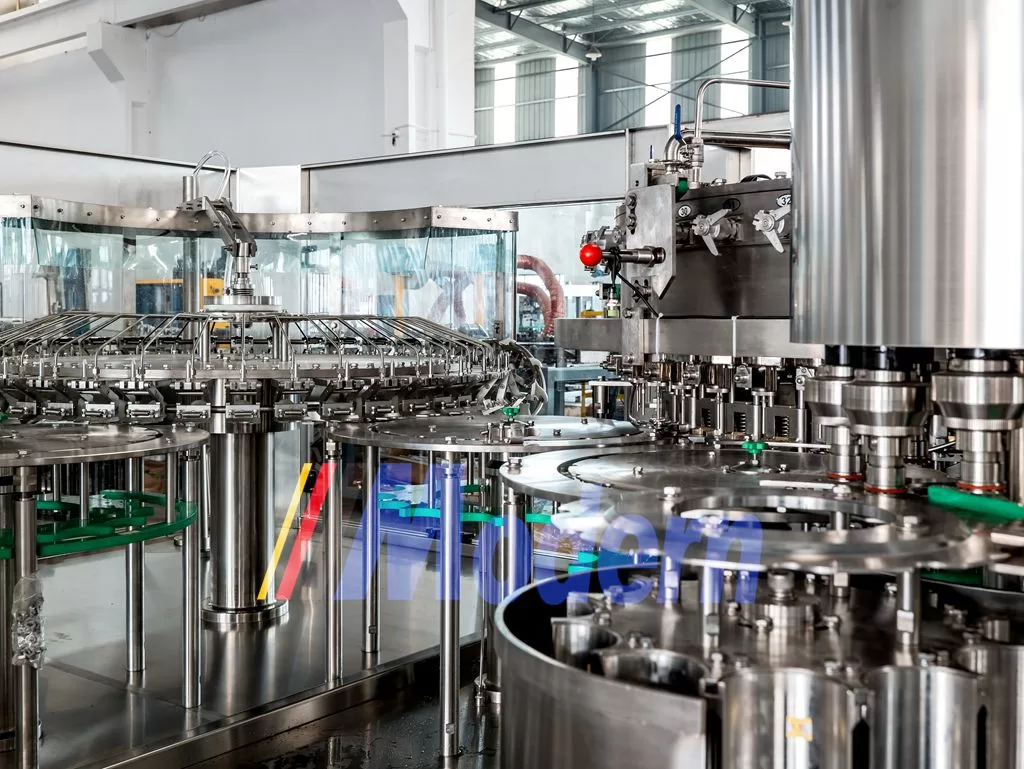
في عالم التصنيع والتعبئة والتغليف سريع الخطى، تلعب آلات التعبئة دوراً محورياً في ضمان الكفاءة والدقة وسلامة المنتج. ومع تطور الصناعات، تتطور أيضاً التقنيات والمنهجيات المتعلقة بآلات التعبئة. تتعمق هذه المقالة في أحدث الاتجاهات والابتكارات والرؤى العملية المحيطة بآلات التعبئة، مما يوفر معلومات قيمة للمصنعين والموردين وأصحاب المصلحة في قطاع التجارة الخارجية.
فهم آلات التعبئة: نظرة عامة موجزة
آلات التعبئة هي معدات أساسية تُستخدم لتعبئة المنتجات في حاويات، بدءاً من السوائل والمساحيق وصولاً إلى الحبيبات والمعاجين. الهدف الأساسي من هذه الآلات هو ضمان تعبئة المنتجات بدقة واتساق، مما يقلل من الهدر ويزيد من الكفاءة. وتُستخدم هذه الآلات على نطاق واسع في مختلف الصناعات، بما في ذلك الأغذية والمشروبات، والأدوية، ومستحضرات التجميل، والمواد الكيميائية.
الاتجاهات الحالية في تكنولوجيا آلات التعبئة
يتغير مشهد تكنولوجيا آلات التعبئة باستمرار، مدفوعاً بالتقدم في الأتمتة والتصنيع الذكي والاستدامة. فيما يلي بعض أهم الاتجاهات التي تشكل الصناعة:
1. الأتمتة والتقنيات الذكية
أصبحت الأتمتة حجر الزاوية في عمليات التصنيع الحديثة. حيث يتم دمج آلات التعبئة بشكل متزايد مع أنظمة تحكم متقدمة تسمح بالمراقبة والتعديلات في الوقت الفعلي. وتُمكّن التقنيات الذكية، مثل إنترنت الأشياء (IoT)، الآلات من التواصل مع بعضها البعض ومع المشغلين، مما يعزز الكفاءة ويقلل من وقت التوقف عن العمل.
2. مبادرات الاستدامة
مع تزايد الوعي العالمي بالقضايا البيئية، يبحث المصنعون عن طرق لجعل عملياتهم أكثر استدامة. يتم تصميم آلات التعبئة بمكونات ومواد موفرة للطاقة تقلل من الهدر. بالإضافة إلى ذلك، تتبنى العديد من الشركات حلول تغليف قابلة لإعادة التعبئة وإعادة التدوير، والتي تتطلب آلات تعبئة يمكنها استيعاب أنواع متنوعة من الحاويات.
3. التخصيص والمرونة
مع ظهور المنتجات المخصصة وأحجام الدفعات الأصغر، هناك طلب متزايد على آلات التعبئة التي يمكن تخصيصها بسهولة. تم تصميم الآلات الحديثة للتعامل مع أنواع مختلفة من المنتجات وأحجام الحاويات، مما يسمح للمصنعين بالتبديل بين المنتجات المختلفة دون الحاجة إلى وقت توقف طويل أو إعادة تهيئة معقدة.
ابتكارات في تصميم آلات التعبئة
الابتكار هو جوهر صناعة آلات التعبئة، مع ظهور تصميمات وتقنيات جديدة لتلبية الاحتياجات المتطورة للمصنعين. فيما يلي بعض الابتكارات الجديرة بالذكر:
1. تكنولوجيا الدفع المغناطيسي
تُحدث تكنولوجيا الدفع المغناطيسي ثورة في عملية التعبئة من خلال التخلص من المكونات الميكانيكية التقليدية. تقلل هذه التكنولوجيا من التآكل، مما يؤدي إلى إطالة عمر الآلة وخفض تكاليف الصيانة. علاوة على ذلك، فهي تسمح بالتحكم الدقيق في سرعات وأحجام التعبئة، مما يضمن جودة ثابتة للمنتج.
2. الواقع المعزز (AR) للصيانة والتدريب
يتم استخدام الواقع المعزز بشكل متزايد في تدريب وصيانة آلات التعبئة. يمكن لتطبيقات الواقع المعزز تراكب المعلومات الرقمية على الآلة المادية، مما يساعد المشغلين في مهام استكشاف الأخطاء وإصلاحها والصيانة. تعزز هذه التكنولوجيا كفاءة التدريب وتقلل من احتمالية الخطأ البشري.
3. أجهزة الاستشعار المتقدمة وتحليلات البيانات
يُمكّن دمج أجهزة الاستشعار المتقدمة وتحليلات البيانات في آلات التعبئة المصنعين من جمع وتحليل كميات هائلة من البيانات التشغيلية. يمكن استخدام هذه المعلومات لتحسين عمليات الإنتاج، والتنبؤ باحتياجات الصيانة، وتحسين الكفاءة الإجمالية للمعدات (OEE).
اختيار آلة التعبئة المناسبة: اعتبارات عملية
عند اختيار آلة تعبئة، يجب على المصنعين مراعاة عدة عوامل لضمان اختيار المعدات المناسبة لاحتياجاتهم الخاصة. فيما يلي بعض الاعتبارات العملية:
1. خصائص المنتج
يعد فهم الخصائص الفيزيائية والكيميائية للمنتج المراد تعبئته أمراً بالغ الأهمية. يمكن لعوامل مثل اللزوجة، والحساسية لدرجة الحرارة، ومحتوى الجسيمات أن تؤثر بشكل كبير على اختيار آلة التعبئة. على سبيل المثال، قد تتطلب المنتجات عالية اللزوجة حشوات مكبسية، بينما قد تكون السوائل منخفضة اللزوجة هي الأنسب لحشوات الجاذبية.
2. أنواع وأحجام الحاويات
تعد مجموعة أنواع وأحجام الحاويات التي يمكن لآلة التعبئة استيعابها عاملاً حاسماً آخر. يجب على المصنعين تقييم احتياجات التعبئة الحالية والمستقبلية، والتأكد من أن الآلة المختارة يمكنها التعامل مع تنسيقات مختلفة، بما في ذلك الزجاجات، والجرار، والأكياس، والحاويات الكبيرة.
3. سرعة الإنتاج والكفاءة
تعتبر سرعة الإنتاج اعتباراً حيوياً، خاصة للصناعات ذات الطلب المرتفع. يجب على المصنعين تقييم متطلبات الإنتاج الخاصة بهم واختيار آلة تعبئة يمكنها تلبية هذه المتطلبات أو تجاوزها مع الحفاظ على الدقة والاتساق.
4. الامتثال والمعايير التنظيمية
في صناعات مثل الأدوية والأغذية والمشروبات، يعد الامتثال للمعايير التنظيمية أمراً بالغ الأهمية. يجب على المصنعين التأكد من أن آلة التعبئة تلتزم بلوائح الصناعة، مثل ممارسات التصنيع الجيد (GMP) وإرشادات إدارة الغذاء والدواء (FDA).


