
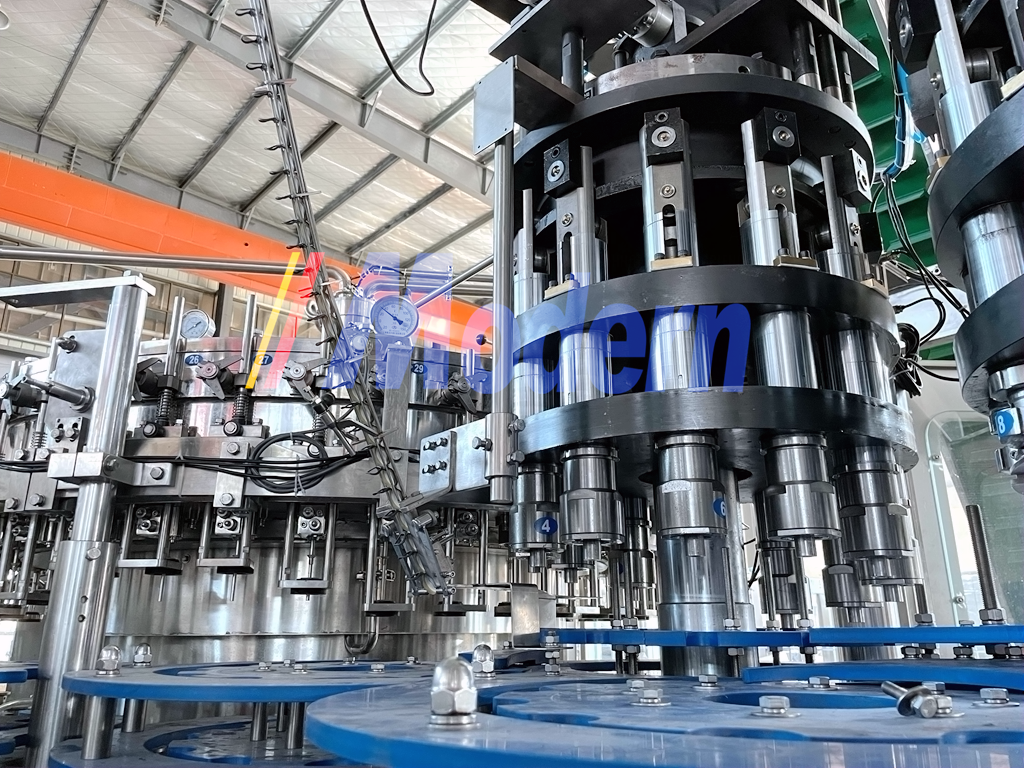
في ظل المشهد المتطور بسرعة للتصنيع الحديث، لا يمكن المبالغة في أهمية أنظمة التعبئة والتغليف الفعالة والموثوقة. ومن بين تقنيات التعبئة المختلفة، تبرز خطوط تعبئة PET (البولي إيثيلين تيريفثاليت) بفضل تنوعها وكفاءتها وصداقتها للبيئة. يستعرض هذا المقال أهمية خطوط تعبئة PET، وتطورها، ومكوناتها، ومزاياها، وتوصيات عملية لتحسين أدائها في مختلف التطبيقات.
فهم مادة PET وتطبيقاتها
تعد مادة PET عبارة عن راتنج بوليمر لدن بالحرارة يُستخدم على نطاق واسع في إنتاج الزجاجات البلاستيكية والحاويات ومواد التعبئة والتغليف. وتمنع خصائص الحاجز الممتازة التي تتمتع بها الأكسدة وتحافظ على نضارة وجودة المنتجات بداخلها، مما يجعلها شائعة بشكل خاص في صناعة الأغذية والمشروبات. وقد زاد الطلب على منتجات PET بشكل كبير، مدفوعاً بتفضيلات المستهلكين لحلول التعبئة والتغليف خفيفة الوزن والقابلة لإعادة التدوير.
إلى جانب الأغذية والمشروبات، تُستخدم مادة PET بشكل شائع في الأدوية ومنتجات العناية الشخصية والسلع المنزلية. وتسهل مرونة PET استخدامها في أشكال وأحجام مختلفة، مما يلبي احتياجات التعبئة والتغليف المتنوعة عبر صناعات متعددة.
تطور خطوط تعبئة PET
توازى تطوير خطوط تعبئة PET مع الطلبات المتزايدة على كفاءة الإنتاج والاستدامة. تاريخياً، كانت خطوط التعبئة كثيفة العمالة وتستخدم تقنيات قديمة حدت من إنتاجها وفعاليتها. ومع ذلك، أدى ظهور الأتمتة والتقنيات المتقدمة إلى تحويل عمليات تعبئة PET إلى عمليات عالية الكفاءة.
تدمج خطوط تعبئة PET الحديثة معدات متطورة، مثل آلات التعبئة الدوارة، وأنظمة الشطف، وآلات وضع الأغطية. وقد أدت هذه التطورات إلى تحسينات كبيرة في السرعة والدقة والاتساق مع تقليل الخطأ البشري ومخاطر التلوث. كما عزز اعتماد مبادئ الصناعة 4.0 هذه الخطوط من خلال دمج تحليلات البيانات وقدرات إنترنت الأشياء (IoT)، مما يوفر للمصنعين رؤى فورية حول عملياتهم.
المكونات الرئيسية لخطوط تعبئة PET
يعد فهم المكونات الأساسية لخطوط تعبئة PET أمراً بالغ الأهمية لتحسين أدائها. فيما يلي العناصر الأساسية المعنية:
1. نظام الشطف
يقوم نظام الشطف بتنظيف وتعقيم زجاجات PET قبل تعبئتها. هذه الخطوة حيوية لضمان جودة المنتج وسلامته. تستخدم أنظمة الشطف الحديثة محاليل مائية عالية الضغط أو بيئات غازية لإزالة الملوثات بفعالية.
2. وحدة التعبئة
تعد وحدة التعبئة قلب خط تعبئة PET. فهي تقوم بتوزيع المنتج بدقة في الزجاجات باستخدام طرق مختلفة، بما في ذلك التعبئة الحجمية أو الوزنية أو حسب المستوى. يعتمد اختيار تقنية التعبئة على عوامل مثل لزوجة المنتج والسرعة المطلوبة. يعد ضمان عمل وحدة التعبئة في الظروف المثلى أمراً بالغ الأهمية للحفاظ على سلامة المنتج وتجنب الانسكاب.
3. آلة السد
تقوم آلة وضع الأغطية بإغلاق الزجاجات بإحكام بعد التعبئة، مما يمنع التسرب والتلوث. يجب أن يعمل هذا المكون بالتوافق مع وحدة التعبئة لضمان الكفاءة. يعتمد اختيار تقنية الإغلاق المناسبة - سواء كانت بالبراغي، أو بالضغط، أو بالكبس - على نوع التعبئة وخصائص المنتج.
4. وضع الملصقات والترميز
بمجرد اكتمال وضع الأغطية، تعد معدات وضع الملصقات والترميز ضرورية للعلامة التجارية والامتثال. تعمل هذه التقنية على أتمتة وضع الملصقات وتضمن عرض معلومات دقيقة عن المنتج، مثل تواريخ انتهاء الصلاحية، وأرقام الدفعات، والمعلومات الغذائية.
5. أنظمة النقل
تنقل السيور الناقلة الزجاجات عبر خط التعبئة، مما يضمن تدفقاً سلساً بين العمليات. يجب تحسينها من حيث السرعة والكفاءة، لتقليل الاختناقات التي يمكن أن تبطئ الإنتاج.
مزايا استخدام خطوط تعبئة PET
يوفر استخدام خطوط تعبئة PET مزايا عديدة، منها:
1. الكفاءة والسرعة
يمكن لخطوط تعبئة PET المتقدمة تحقيق معدلات إنتاج عالية، مما يسمح للمصنعين بتلبية الطلب المتزايد على السلع المعبأة دون المساس بالجودة. مع القدرة على دمج عمليات متعددة في نظام واحد مستمر، تزيد هذه الخطوط من الكفاءة التشغيلية.
2. جودة منتج محسنة
تضمن دقة وحدات التعبئة الحديثة الحد الأدنى من فقدان المنتج وأحجام تعبئة متسقة، مما يؤدي إلى تحسين جودة المنتج. كما تقلل آليات التحكم الصارمة المعمول بها من احتمالية التلوث، مما يضمن بقاء المنتجات آمنة للاستهلاك.
3. تقليل الأثر البيئي
تعد مادة PET خياراً صديقاً للبيئة نظراً لخصائصها القابلة لإعادة التدوير. علاوة على ذلك، تم تصميم خطوط تعبئة PET الفعالة لتقليل النفايات أثناء الإنتاج، مما يساهم في جهود الاستدامة داخل صناعة التعبئة والتغليف. ومن خلال تعزيز جهود إعادة التدوير، يمكن للمصنعين تعزيز الاقتصاد الدائري بشكل أكبر.
4. المرونة
تتميز خطوط تعبئة PET بقدرة عالية على التكيف، حيث يمكنها التعامل مع مجموعة متنوعة من أنواع المنتجات وتصاميم الزجاجات. هذه المرونة حيوية للشركات التي تنتج خطوط إنتاج متنوعة أو تتطلع إلى التحول بسرعة استجابة لاتجاهات السوق.
توصيات عملية لتحسين خطوط تعبئة PET
لتحقيق أقصى قدر من الكفاءة وتقليل النفايات، فكر في دمج الاستراتيجيات القابلة للتنفيذ التالية:
1. الصيانة الدورية والتحديثات
تعد الصيانة الدورية للآلات ضرورية لمنع فترات التوقف والإصلاحات المكلفة. يمكن أن يؤدي تنفيذ جدول للصيانة الوقائية إلى تعزيز عمر المعدات. بالإضافة إلى ذلك، راقب التطورات التكنولوجية في هذا المجال - حيث يمكن أن يؤدي تحديث المعدات إلى أداء أفضل وكفاءة أعلى.
2. تدريب الموظفين
يضمن الاستثمار في تدريب الموظفين أن جميع أعضاء الفريق يتقنون التعامل مع الآلات ويفهمون عمليات الإنتاج. يمكن للمشغلين المهرة تحديد المشكلات المحتملة في وقت مبكر وتنفيذ تدابير تصحيحية، مما يساهم في إنتاجية الخط الإجمالية.
3. مراقبة مقاييس الإنتاج
يمكن أن يوفر الاستفادة من تحليلات البيانات لمراقبة مؤشرات الأداء الرئيسية رؤى تؤدي إلى تحسين العمليات. تتبع المقاييس مثل أوزان التعبئة، وسرعة الإنتاج، ووقت التوقف لتحديد الاتجاهات وتقييم أين يمكن تعزيز الكفاءة.
4. تحسين التخطيط وسير العمل
قم بتقييم تخطيط خط التعبئة لإجراء تحسينات محتملة. يقلل سير العمل المحسن من مسافات النقل غير الضرورية والاختناقات، مما يحسن الكفاءة الإجمالية. يمكن أن يستلزم ذلك إعادة ترتيب الآلات أو الاستثمار في أنظمة نقل متقدمة.
5. ممارسات الاستدامة
قم بتحسين الاستدامة من خلال دمج ممارسات صديقة للبيئة في عملية الإنتاج. فكر في خيارات مثل أنظمة إعادة تدوير المياه، والآلات الموفرة للطاقة، وتقليل نفايات التعبئة والتغليف. إن التأكيد على العمليات المستدامة لا يقلل من الأثر البيئي فحسب، بل يمكنه أيضاً تعزيز سمعة العلامة التجارية بين المستهلكين.
مستقبل خطوط تعبئة PET
مستقبل خطوط تعبئة PET مهيأ لمزيد من الابتكار. مع تحول تفضيلات المستهلكين نحو الاستدامة والكفاءة، ستحتاج خطوط تعبئة PET إلى التكيف باستمرار. من المتوقع أن تلعب التقنيات الناشئة مثل الذكاء الاصطناعي، والتعلم الآلي، والروبوتات دوراً محورياً في تعزيز وظائف خطوط التعبئة هذه، مما يسمح بأنظمة أتمتة أكثر تعقيداً تعمل على تبسيط الإنتاج.
بالإضافة إلى ذلك، ستتطلب الضغوط التنظيمية المتعلقة بالقضايا البيئية وسلامة الأغذية استثمارات مستمرة في التكنولوجيا والتدريب داخل الصناعة. من المرجح أن تجد الشركات التي تتبنى هذه التغييرات نفسها في ميزة تنافسية في السوق.
الخلاصة
في الختام، تعد خطوط تعبئة PET مكوناً لا يتجزأ من التصنيع في صناعة التعبئة والتغليف اليوم. وقد تميز تطورها بالتطورات التكنولوجية التي لا تعمل فقط على تحسين الكفاءة وجودة المنتج، بل تتماشى أيضاً مع الممارسات المستدامة. من خلال فهم المكونات الرئيسية، والمزايا، واستراتيجيات التحسين، يمكن للمصنعين تسخير الإمكانات الكاملة لخطوط تعبئة PET. هذا النهج الاستباقي لا يعزز قدرات الإنتاج فحسب، بل يعد الشركات أيضاً لمستقبل التعبئة والتغليف.


