
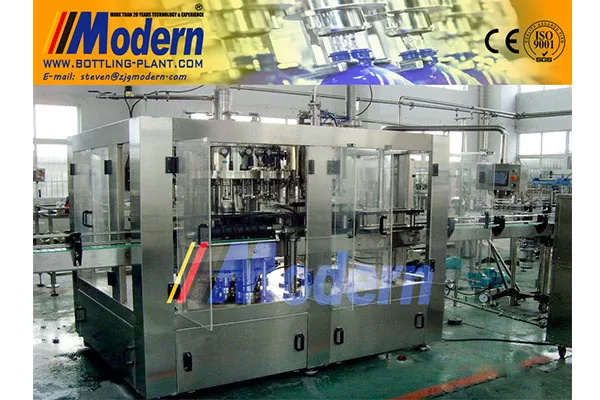
مع استمرار ارتفاع الطلب العالمي على المشروبات، أصبحت عمليات التصنيع الخاصة بها أكثر تطوراً. ومن المكونات الحيوية في هذه العملية آلة تعبئة المشروبات، وخاصة تلك المصنعة في الصين. في هذا المقال، سوف نتعمق في تطور وأنواع وتقنيات واتجاهات المستقبل المتعلقة بآلات تعبئة المشروبات الصينية.
فهم آلات تعبئة المشروبات
آلات تعبئة المشروبات هي معدات متخصصة مصممة لتعبئة أنواع مختلفة من المشروبات في حاويات مثل الزجاجات أو العلب أو الأكياس. وتعد كفاءة ودقة آلات التعبئة أمراً بالغ الأهمية، لأنها تؤثر بشكل مباشر على جودة المنتج وتقليل الهدر والجداول الزمنية للإنتاج. تشتهر آلات تعبئة المشروبات الصينية بأسعارها المعقولة وتقنياتها القوية، حيث تخدم المنتجين الصغار والعمليات الصناعية الكبيرة على حد سواء.
تطور تكنولوجيا تعبئة المشروبات
شهدت عملية تعبئة المشروبات تطورات كبيرة على مر السنين. كانت الآلات المبكرة يدوية في المقام الأول، وتتطلب عمالة بشرية لتعبئة كل حاوية. ومع ذلك، مع ظهور التكنولوجيا، أصبحت الآلات شبه الأوتوماتيكية والأوتوماتيكية بالكامل سائدة. لا تعمل هذه الآلات على تحسين السرعة وتقليل تكاليف العمالة فحسب، بل تعزز أيضاً الدقة والاتساق في التعبئة.
لعبت الصين دوراً محورياً في هذا التطور التكنولوجي، حيث قامت بدمج الروبوتات والذكاء الاصطناعي في عملية التعبئة. وقد جعل هذا التحول نحو الأتمتة من الممكن تحقيق معدلات إنتاج أعلى، وتقليل وقت التوقف عن العمل، وتقليل احتمالية الخطأ البشري بشكل كبير.
أنواع آلات تعبئة المشروبات
هناك عدة أنواع من آلات تعبئة المشروبات المصممة لأنواع مختلفة من المنتجات ومقاييس الإنتاج. يمكن أن يساعد فهم هذه الأنواع الشركات على اتخاذ قرارات مستنيرة عند اختيار الآلات المناسبة.
1. آلات التعبئة بالجاذبية
تستخدم آلات التعبئة بالجاذبية الجاذبية لتعبئة الحاويات. وهي الأكثر شيوعاً للسوائل الخفيفة وسريعة التدفق. يتميز هذا النوع من الآلات ببساطته، لكنه قد لا يكون مثالياً للمنتجات عالية اللزوجة مثل الشراب.
2. آلات التعبئة بالضغط
تعمل آلات التعبئة بالضغط باستخدام فروق الضغط لتعبئة الحاويات بسرعة ودقة. هذه الآلات مناسبة للمشروبات الغازية، حيث يمكنها الحفاظ على الضغط المناسب لمنع الرغوة وفقدان المنتج.
3. آلات التعبئة بالتفريغ (الفراغ)
في آلات التعبئة بالتفريغ (الفراغ)، يتم إنشاء فراغ داخل الزجاجة أو الحاوية، مما يسمح للسائل بالتدفق إليها. يُستخدم هذا النوع عادةً للمنتجات التي تتطلب فترة صلاحية أطول، لأنه يقلل من التعرض للهواء، وبالتالي يطيل فترة النضارة.
4. آلات التعبئة بالمكبس
تستخدم آلات التعبئة بالمكبس آلية مكبس لسحب السائل إلى غرفة ثم إطلاقه في الحاوية. هذه الآلات ممتازة للمنتجات السميكة أو اللزجة، مثل الصلصات وبعض منتجات الألبان.
الميزات الرئيسية التي يجب مراعاتها عند اختيار آلة تعبئة المشروبات
يعد اختيار آلة تعبئة المشروبات المناسبة أمراً بالغ الأهمية للكفاءة التشغيلية. إليك بعض الميزات الرئيسية التي يجب مراعاتها:
1. سرعة الإنتاج
قم بتقييم سرعة تعبئة الآلة. إذا كانت متطلبات الإنتاج عالية، فاختر الآلات التي توفر حلولاً أوتوماتيكية يمكنها تعبئة مئات أو آلاف الحاويات في الساعة.
2. التنوع
اختر آلة يمكنها التعامل مع أنواع متعددة من المشروبات وأحجام حاويات مختلفة. تعد المرونة في الإنتاج ضرورية مع تغير متطلبات السوق.
3. الصيانة والتنظيف
تعد ميزات التنظيف والصيانة الفعالة أمراً بالغ الأهمية لتقليل وقت التوقف عن العمل. يمكن للآلات المصممة مع مراعاة سهولة التفكيك والتنظيف أن تعزز الإنتاجية بشكل كبير.
4. مراقبة الجودة المدمجة
غالباً ما تتضمن آلات الجيل التالي أنظمة مراقبة جودة مدمجة تساعد في مراقبة مستويات التعبئة واكتشاف العيوب. يمكن لهذه الأنظمة تعزيز جودة المنتج وتقليل المرتجعات.
الابتكارات التكنولوجية في آلات التعبئة
مع تطور صناعة المشروبات، تشكل الابتكارات التكنولوجية في تصميمات آلات التعبئة مشهد السوق. إليك بعض الاتجاهات الجديرة بالملاحظة:
1. دمج التكنولوجيا الذكية
أحدث دمج تقنية إنترنت الأشياء (IoT) ثورة في كيفية عمل الشركات المصنعة. يمكن للآلات الذكية نقل البيانات في الوقت الفعلي، مما يسمح للمصنعين بمراقبة الأداء وإجراء التعديلات حسب الحاجة. وهذا يؤدي إلى تحسين الكفاءة وتقليل التكاليف التشغيلية.
2. حلول مستدامة
مع تزايد التركيز على الاستدامة داخل صناعة المشروبات، بدأت تظهر آلات تعبئة مجهزة بميزات صديقة للبيئة. ويشمل ذلك العمليات الموفرة للطاقة واستخدام المواد التي تقلل من الهدر.
3. التخصيص
يمكن تخصيص آلات التعبئة اليوم لتلبية متطلبات إنتاج محددة. يمكن للمصنعين تعديل الآلات وفقاً للمتطلبات الموسمية، وتنوع المنتجات، وأنواع الحاويات، مما يؤدي إلى حل أكثر قابلية للتخصيص للشركات.
فوائد الحصول على آلات تعبئة المشروبات من الصين
تمتد مكانة الصين كشركة مصنعة رائدة إلى آلات تعبئة المشروبات، وهناك فوائد ملموسة للحصول على الآلات من هناك:
1. فعالية التكلفة
تعد فعالية التكلفة واحدة من أهم مزايا الحصول على الآلات من الصين. تتمتع البلاد بتكاليف إنتاج أقل، وهو ما ينعكس في تسعير الآلات، مما يسمح للشركات بالحصول على معدات عالية الجودة دون المساس بالميزانية.
2. الوصول إلى التكنولوجيا المتطورة
تستثمر الصين باستمرار في التكنولوجيا والابتكار. ونتيجة لذلك، يمكن للشركات التي تحصل على احتياجاتها من الصين الاستفادة من أحدث التطورات في تكنولوجيا التعبئة وتنشيط عمليات الإنتاج الخاصة بها.
3. شبكة موردين شاملة
تمنح البنية التحتية التصنيعية القوية الشركات إمكانية الوصول إلى شبكة من الموردين وخدمات الدعم. وهذا يشجع على تواصل أفضل، وأوقات استجابة أسرع، ومعاملات أكثر سلاسة.
التحديات في سوق آلات تعبئة المشروبات
على الرغم من أن الصين تقدم العديد من المزايا في تصنيع آلات تعبئة المشروبات، إلا أن التحديات لا تزال قائمة في السوق. يساعد فهم هذه التحديات الشركات على الاستعداد بشكل استراتيجي.
1. ضمان الجودة
أحد المخاوف المتعلقة بالشراء من الصين هو التباين في معايير ضمان الجودة. تحتاج الشركات إلى فحص الموردين بدقة والتأكد من التزامهم بمعايير الجودة الدولية.
2. الامتثال التنظيمي
لدى الدول المختلفة لوائح متنوعة فيما يتعلق بتعبئة المشروبات ومعايير السلامة. يتطلب استيراد الآلات من الصين فهماً شاملاً لهذه اللوائح لتجنب المخاطر القانونية.
الخلاصة
في الختام، يعكس تطور آلات تعبئة المشروبات، وخاصة تلك التي يتم الحصول عليها من الصين، المتطلبات المعقدة لصناعة دائمة النمو. وبينما تقوم الشركات بتقييم احتياجات التصنيع الخاصة بها، فإن فهم الأنواع المختلفة من الآلات وميزاتها والابتكارات التكنولوجية سيكون مفيداً في اتخاذ خيارات مستنيرة.
يمكن أن يؤدي الاستثمار في آلة تعبئة مشروبات مناسبة إلى تعزيز كفاءة الإنتاج، والحفاظ على جودة المنتج، وفي النهاية يؤدي إلى القدرة التنافسية في السوق. من خلال البقاء على دراية باتجاهات الصناعة والتحديات المحتملة، يمكن للمصنعين الاستفادة من الفرص لتعزيز النمو والابتكار في قطاع المشروبات.


