
شهدت صناعة المشروبات الغازية تحولات ملحوظة على مدى العقود الماضية، مما أثر على كل شيء بدءاً من منهجيات الإنتاج وصولاً إلى تفضيلات المستهلكين. وفي قلب هذه الصناعة تبرز شركات تعبئة المشروبات الغازية، وهي لاعب أساسي مسؤول عن إيصال المشروبات المنعشة من المصنعين إلى المستهلكين. يتعمق هذا المقال في مختلف جوانب تعبئة المشروبات الغازية، متناولاً تاريخها، وتحدياتها، وابتكاراتها، والمشهد المستقبلي لها. تهدف المعلومات المقدمة هنا إلى تزويد المهتمين بالصناعة برؤى عملية ووجهات نظر قيمة.
تاريخ تعبئة المشروبات الغازية
يمكن تتبع رحلة تعبئة المشروبات الغازية إلى أواخر القرن الثامن عشر عندما تم إنتاج المياه الغازية لأول مرة. كانت الجهود الأولية بدائية، حيث استخدمت زجاجات زجاجية كانت باهظة الثمن ويصعب إنتاجها. ومع ذلك، ومع تقدم القرن التاسع عشر، أحدث اختراع غطاء الزجاجة التاجي والتقدم في تصنيع الزجاج ثورة في هذه الصناعة.
بحلول أوائل القرن العشرين، بدأت شركات التعبئة في الظهور ككيانات تجارية مهمة. سمحت نماذج الامتياز لرواد الأعمال المحليين بإنتاج وتوزيع المشروبات الغازية في مناطق جغرافية مختلفة. وقد وضع هذا الأساس لشبكات تعبئة المشروبات الغازية الواسعة التي نعرفها اليوم. ومع نمو السوق، زادت تعقيدات عمليات التعبئة، مما أدى إلى دمج أساليب وتقنيات متنوعة لتعزيز الكفاءة والنطاق.
شرح عملية التعبئة
تتضمن عملية تعبئة المشروبات الغازية عدة مراحل، تتطلب كل منها دقة واهتماماً بالتفاصيل. يعد فهم هذه المراحل أمراً بالغ الأهمية لأي شخص مشارك في الصناعة، سواء كان جزءاً من سلسلة التوريد أو كمستهلك. يمكن تقسيم عملية التعبئة الأساسية على النحو التالي:
1. الكربنة والخلط
تتضمن الخطوة الأولى خلط المياه الغازية مع عوامل النكهة والمحليات. غالباً ما تحدث هذه العملية في خزانات خلط كبيرة، حيث تكون القياسات الدقيقة ضرورية للحفاظ على الاتساق عبر الدفعات. تعد تدابير مراقبة الجودة حيوية في هذه المرحلة لضمان أن المنتج النهائي يلبي معايير المذاق التي يتوقعها المستهلكون.
2. التعبئة والإغلاق
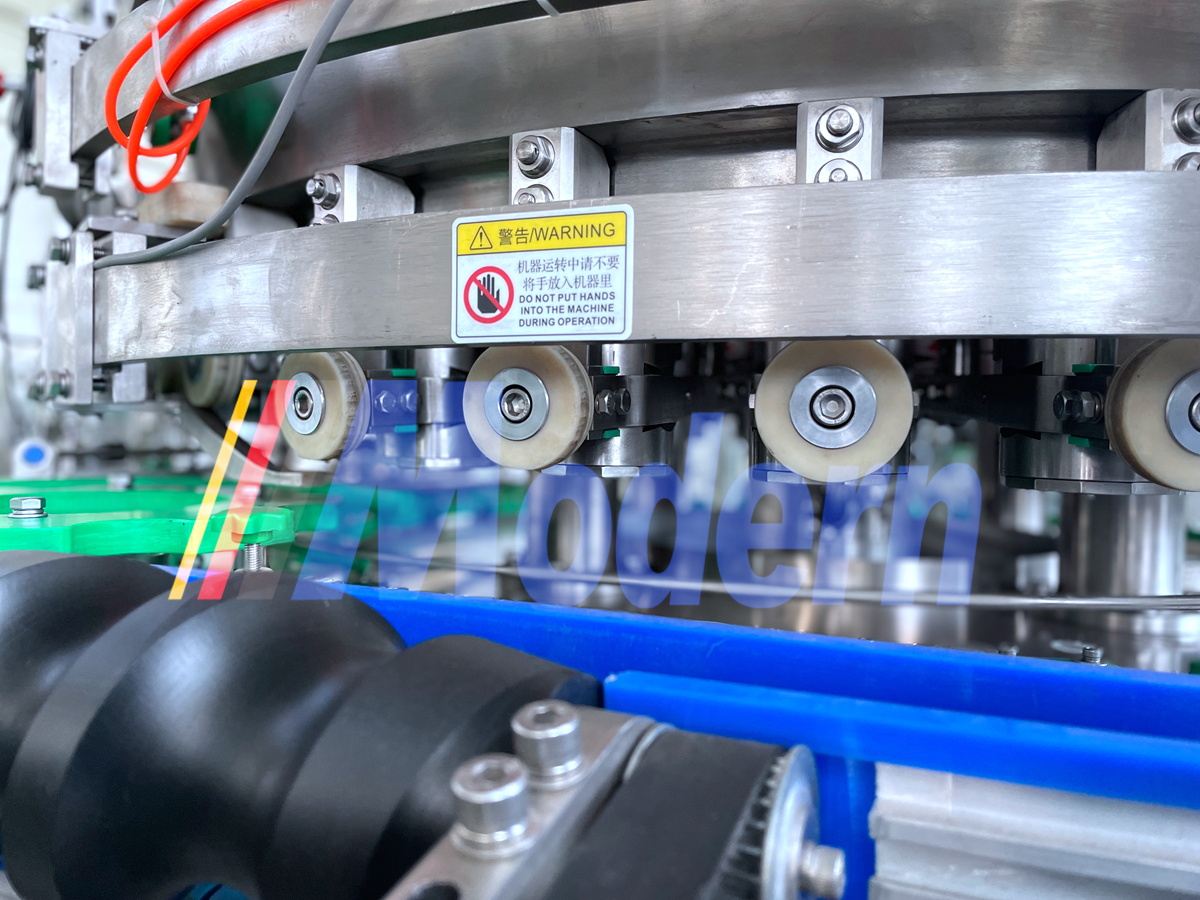
بمجرد تحضير الخليط، يتم تمريره عبر آلات تعبئة تصب المشروب في الزجاجات أو العلب. أدت الأتمتة إلى تسريع هذه المرحلة بشكل كبير، مما سمح لشركات التعبئة بإنتاج آلاف الوحدات في الساعة. بعد التعبئة، يتم إغلاق الزجاجات، عادةً باستخدام أغطية تاجية فولاذية، للحفاظ على الكربنة ومنع التلوث.
3. وضع الملصقات والتغليف
بعد ذلك، يتم وضع ملصقات على الزجاجات، مما يوفر معلومات أساسية للمستهلكين، مثل المحتوى الغذائي، والمكونات، وتواريخ انتهاء الصلاحية. تلعب العلامة التجارية الفعالة دوراً حاسماً هنا، حيث يمكن للتصاميم الجذابة أن تؤثر على قرارات الشراء. بمجرد وضع الملصقات، يتم تعبئة المنتجات في كرتونات للنقل والتوزيع.
4. ضمان الجودة
يتم إجراء فحوصات جودة مستمرة طوال عملية التعبئة لضمان مطابقة المنتجات لمعايير السلامة. يساعد الاختبار المنتظم لتوازن درجة الحموضة (pH)، ومستويات الكربنة، والتلوث الميكروبي في الحفاظ على سلامة المنتج وثقة المستهلك.
التحديات التي تواجه شركات تعبئة المشروبات الغازية
على الرغم من قوة صناعة تعبئة المشروبات الغازية، إلا أنها تواجه العديد من التحديات التي تتطلب تخطيطاً استراتيجياً وقدرة على التكيف. يمكن أن يساعد فهم هذه التحديات المهنيين على التنقل في المشهد بشكل أكثر فعالية.
1. المخاوف البيئية
في السنوات الأخيرة، كان هناك تدقيق متزايد على الأثر البيئي للنفايات البلاستيكية الناتجة عن زجاجات المشروبات الغازية. وقد تصاعدت المطالبات بالممارسات المستدامة، مما دفع شركات التعبئة إلى الابتكار في حلول التغليف. يعد الانتقال إلى مواد قابلة للتحلل أو إعادة التدوير ضرورة ملحة لعمليات التعبئة الحديثة.
2. اتجاهات الصحة
مع تزايد الوعي الصحي بين المستهلكين، يجب على شركات تعبئة المشروبات الغازية تكييف عروض منتجاتها. يمثل التحول نحو البدائل الخالية من السكر والمكونات الطبيعية تحدياً وفرصة للابتكار في آن واحد. يمكن أن يساعد فهم اتجاهات السوق شركات التعبئة على البقاء ذات صلة وجذب المستهلكين المهتمين بالصحة.
3. اضطرابات سلسلة التوريد
سلطت جائحة كوفيد-19 الضوء على نقاط الضعف في سلاسل التوريد العالمية، مما أثر على توافر المواد الخام وتوافر العمالة. يجب على شركات التعبئة وضع خطط طوارئ للتخفيف من مثل هذه المخاطر في المستقبل، بما في ذلك تنويع مصادر التوريد والاستفادة من الموردين المحليين.
تبني التكنولوجيا في التعبئة
أثرت التطورات التكنولوجية بشكل عميق على صناعة تعبئة المشروبات الغازية، مما أدى إلى تبسيط العمليات وتعزيز الإنتاجية. فيما يلي بعض اتجاهات التكنولوجيا الرئيسية التي تحدث ثورة في هذا القطاع.
1. الأتمتة
أدى دمج الأنظمة الآلية والروبوتات في عمليات التعبئة إلى تحسين الكفاءة وتقليل تكاليف العمالة. أصبحت آلات التعبئة وأنظمة الإغلاق الآلية معياراً في العديد من مرافق الإنتاج، مما يسمح بأوقات إنجاز أسرع وتقليل الخطأ البشري.
2. تحليلات البيانات
يمكن أن يوفر استخدام أدوات تحليلات البيانات رؤى قيمة حول سلوك المستهلك وتفضيلاته. من خلال تحليل أنماط الشراء، يمكن لشركات التعبئة اتخاذ قرارات مستنيرة بشأن تطوير المنتجات، واستراتيجيات التسويق، وإدارة المخزون، مما يعزز ميزتها التنافسية الشاملة.
3. تقنية البلوكشين
يوفر تنفيذ تقنية البلوكشين شفافية أكبر في سلسلة التوريد، مما يسمح لشركات التعبئة بتتبع أصل المواد الخام ومراقبة الامتثال للوائح السلامة. يعزز هذا المستوى من الشفافية ثقة المستهلك ويمكن أن يمنح الشركات ميزة تسويقية كبيرة.
مستقبل تعبئة المشروبات الغازية
مع استمرار تطور صناعة المشروبات الغازية، يجب أن تظل شركات التعبئة مرنة لاغتنام الفرص الناشئة ومعالجة التحديات الجديدة. فيما يلي بعض الاتجاهات الرئيسية التي قد تشكل المشهد المستقبلي لتعبئة المشروبات الغازية.
1. الاستدامة كأولوية
للمضي قدماً، ستأخذ الاستدامة مركز الصدارة. من المتوقع أن تستثمر شركات التعبئة بكثافة في الممارسات الصديقة للبيئة، مثل استخدام مواد مستدامة، وتقليل البصمة الكربونية، وتحسين تقنيات الحفاظ على المياه. الشركات التي تتخذ تدابير استباقية في هذا الصدد هي الأكثر قدرة على كسب ثقة المستهلك الواعي بيئياً.
2. العروض التي تركز على الصحة
أدى صعود المستهلكين المهتمين بالصحة إلى زيادة الاهتمام بالمشروبات الوظيفية - وهي المشروبات التي تقدم فوائد صحية تتجاوز مجرد الترطيب. من المتوقع أن تبتكر شركات التعبئة بمكونات تعزز العافية، وتدمج الفيتامينات والمعادن والنكهات الطبيعية لتلبية احتياجات هذا القطاع المتنامي من السوق.
3. صعود التجارة الإلكترونية
أثر التحول نحو التسوق عبر الإنترنت أيضاً على توزيع المشروبات الغازية. يجب على شركات التعبئة استكشاف الشراكات مع منصات التجارة الإلكترونية وتطوير نماذج البيع المباشر للمستهلك لجذب جمهور أوسع. يمكن أن يؤدي توفير خيارات شراء مريحة إلى تعزيز ولاء العملاء وزيادة المبيعات.
الخلاصة
لا يمكن الاستهانة بدور شركات تعبئة المشروبات الغازية في سياق صناعة المشروبات. ومع تطور تفضيلات المستهلكين وتزايد المخاوف البيئية، يجب على شركات التعبئة تكييف عملياتها لتلبية هذه الديناميكيات المتغيرة بفعالية. من خلال تبني التكنولوجيا، وإعطاء الأولوية للاستدامة، والبقاء على اطلاع باتجاهات السوق، يمكن لشركات تعبئة المشروبات الغازية التنقل في تعقيدات صناعتها وتمهيد الطريق للنمو المستقبلي.
أخيراً، بالنسبة لأولئك الذين يسعون لدخول مجال تعبئة المشروبات الغازية أو تحسين العمليات الحالية، فإن البقاء على اطلاع ومرونة هو المفتاح. لن تؤدي المعرفة والقدرة على التكيف إلى دفع النجاح فحسب، بل ستساهم أيضاً في التطور الأوسع لصناعة المشروبات في مشهد تنافسي متزايد.


