
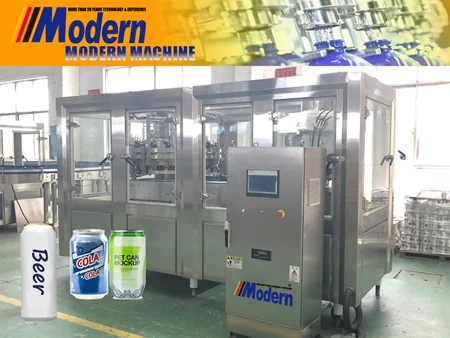
في عصر تقوده الكفاءة والسرعة، أحدثت آلات تعبئة العلب الأوتوماتيكية ثورة في صناعات المشروبات والأغذية والكيماويات. لا تكتفي هذه الآلات بتعزيز الإنتاجية فحسب، بل تحافظ أيضاً على معايير الجودة العالية وتضمن الامتثال للوائح السلامة. ومع توسع التجارة العالمية، أصبح فهم تعقيدات ومزايا آلات تعبئة العلب الأوتوماتيكية أمراً بالغ الأهمية للشركات التي تهدف إلى الحفاظ على قدرتها التنافسية. يتعمق هذا المقال في آليات وفوائد واتجاهات المستقبل لهذه الأدوات الأساسية في التصنيع.
فهم آلات تعبئة العلب الأوتوماتيكية
آلات تعبئة العلب الأوتوماتيكية هي معدات متخصصة مصممة لتعبئة العلب بالسوائل، بدءاً من المشروبات الغازية والكحولية وصولاً إلى المواد الكيميائية والمنتجات الغذائية. تأتي هذه الآلات بتكوينات وأحجام متنوعة، مصممة لتلبية احتياجات الإنتاج المختلفة. الغرض الأساسي من استخدام آلات تعبئة العلب الأوتوماتيكية هو تقليل التدخل البشري، وبالتالي زيادة الكفاءة ومراقبة الجودة إلى أقصى حد.
أنواع آلات تعبئة العلب الأوتوماتيكية
تتوفر أنواع مختلفة من آلات تعبئة العلب الأوتوماتيكية في السوق، حيث يلبي كل نوع متطلبات صناعية محددة:
- آلات التعبئة بالجاذبية: تعتبر آلات التعبئة بالجاذبية مثالية لتعبئة السوائل منخفضة اللزوجة، وتستخدم قوة الجاذبية لتوزيع السائل في العلب. وهي مناسبة لمنتجات مثل الماء أو المشروبات الغازية.
- آلات التعبئة بالمكبس: هذه الآلات قابلة للتطبيق على السوائل الأكثر سمكاً، مثل الصلصات والشراب. تستخدم آلات التعبئة بالمكبس آلية المكبس لتوليد الضغط، مما يضمن تعبئة دقيقة للسوائل اللزجة.
- آلات التعبئة بالضغط: تعمل هذه الآلات بشكل جيد مع المشروبات الغازية. فهي تحافظ على الضغط داخل العلبة أثناء عملية التعبئة لمنع تكون الرغوة.
- آلات التعبئة بالتفريغ الهوائي: تُستخدم آلات التعبئة بالتفريغ للمنتجات التي تحتاج إلى إغلاق محكم، وتستخدم التفريغ لتعبئة العلب دون إدخال الهواء، مما يحافظ على سلامة المنتج.
مزايا استخدام آلات تعبئة العلب الأوتوماتيكية
يوفر دمج آلات تعبئة العلب الأوتوماتيكية في عمليات التصنيع عدداً كبيراً من المزايا، نذكر بعضاً منها أدناه:
1. تعزيز الكفاءة والسرعة
صُممت آلات تعبئة العلب الأوتوماتيكية للتشغيل عالي السرعة، مما يقلل بشكل كبير من الوقت المستغرق لتعبئة وإغلاق العلب مقارنة بالطرق اليدوية. وتعد هذه الإنتاجية العالية مفيدة بشكل خاص في الصناعات التي يكون فيها وقت الوصول إلى السوق أمراً بالغ الأهمية.
2. مراقبة الجودة المتسقة
بفضل أجهزة الاستشعار المتقدمة وأنظمة المراقبة، تضمن هذه الآلات تعبئة كل علبة بالحجم الدقيق، مما يقلل من الهدر ويضمن الاتساق. يعد هذا المستوى من الدقة أمراً بالغ الأهمية للحفاظ على سمعة العلامة التجارية ورضا المستهلك.
3. خفض تكاليف العمالة
من خلال أتمتة عملية التعبئة، يمكن للشركات تحسين تكاليف العمالة. هناك حاجة إلى عدد أقل من الموظفين في أرضية الإنتاج، مما يسمح للشركات بإعادة تخصيص الموارد لمجالات حيوية أخرى، مثل ضمان الجودة وتطوير المنتجات.
4. الامتثال لمعايير السلامة والصحة
تم تصميم آلات تعبئة العلب الأوتوماتيكية للامتثال للوائح السلامة والصحة الصارمة. ويمكنها تقليل مخاطر التلوث، مما يضمن مطابقة المنتجات للمعايير الصحية اللازمة قبل وصولها إلى المستهلكين.
5. المرونة وقابلية التوسع
تم تصميم العديد من آلات تعبئة العلب الأوتوماتيكية مع مراعاة المرونة، مما يسمح للشركات بتعديل الإعدادات لأحجام وأنواع مختلفة من العلب. تعد هذه القدرة على التكيف أمراً حيوياً للمصنعين الذين يتطلعون إلى تنويع خطوط إنتاجهم والاستجابة لاتجاهات السوق بسرعة.
الميزات الرئيسية التي يجب البحث عنها في آلات تعبئة العلب الأوتوماتيكية
عند البحث عن آلات تعبئة العلب الأوتوماتيكية، من الضروري مراعاة العديد من الميزات الرئيسية لضمان أن المعدات تلبي احتياجاتك الخاصة:
1. آلية التعبئة
يجب أن يتوافق نوع آلية التعبئة (الجاذبية، المكبس، الضغط، أو التفريغ) مع لزوجة ومستوى كربنة المنتج الذي يتم تعبئته. سيؤدي اختيار الآلية الصحيحة إلى تعزيز الكفاءة وتقليل الهدر.
2. مستوى الأتمتة
توفر الآلات المختلفة درجات متفاوتة من الأتمتة. قد تتطلب بعض الآلات تعديلات يدوية، بينما توفر أخرى واجهات مؤتمتة بالكامل وسهلة الاستخدام. قم بتقييم قدرة شركتك على إدارة الأتمتة ومستوى الإشراف البشري المطلوب.
3. سهولة الصيانة
يمكن للآلة التي يسهل تنظيفها وصيانتها أن توفر الكثير من الوقت والتكاليف على المدى الطويل. ابحث عن الآلات المصممة مع مراعاة سهولة الوصول، مما يضمن عدم تعطل الإنتاج بسبب الصيانة الروتينية.
4. مادة التصنيع
تعتبر مواد التصنيع المتينة، مثل الفولاذ المقاوم للصدأ، مفضلة لأنها مقاومة للتآكل ويمكنها تحمل عمليات التنظيف بدرجات حرارة عالية. هذه المتانة ضرورية للآلات المستخدمة في تصنيع الأغذية والمشروبات.
5. كفاءة الطاقة
يمكن أن تؤدي الآلات الموفرة للطاقة إلى وفورات كبيرة في التكاليف وتقليل الأثر البيئي. ابحث عن الآلات المصممة لاستهلاك طاقة أقل دون المساس بالأداء.
مستقبل تكنولوجيا تعبئة العلب الأوتوماتيكية
مع استمرار تطور التكنولوجيا، فإن مستقبل آلات تعبئة العلب الأوتوماتيكية مهيأ لتحقيق تقدم كبير. إليك بعض الاتجاهات المتوقعة:
1. التكامل مع الصناعة 4.0
سيمكن دمج تكنولوجيا إنترنت الأشياء (IoT) من المراقبة وجمع البيانات في الوقت الفعلي، مما يسمح للمصنعين بتحليل عمليات الإنتاج بشكل أكثر فعالية. يمكن لهذه البيانات أن توجه جداول الصيانة وتحسن سير العمل.
2. تعزيز التخصيص
مع تحول تفضيلات المستهلكين نحو منتجات أكثر تخصيصاً، قد توفر آلات تعبئة العلب المستقبلية خيارات تخصيص أكبر. تسمح هذه القدرة للعلامات التجارية بالاستجابة بسرعة لتغيرات السوق دون إجراء إصلاحات شاملة في خطوط الإنتاج.
3. ممارسات الاستدامة
سيدفع الوعي البيئي المتزايد نحو تطوير آلات تستخدم ممارسات صديقة للبيئة. سيبحث المصنعون عن حلول لا تقلل الهدر أثناء عملية التعبئة فحسب، بل تستخدم أيضاً مواد مستدامة في الإنتاج.
4. زيادة الأتمتة
سيستمر الضغط نحو الأتمتة الكاملة في الارتفاع، مع احتلال الروبوتات المتقدمة والذكاء الاصطناعي مركز الصدارة. ستعمل الأتمتة الكاملة على تعزيز الإنتاجية مع تقليل الخطأ البشري ووقت توقف الإنتاج.
اعتبارات عملية للشركات
عند التفكير في شراء أو ترقية آلة تعبئة علب أوتوماتيكية، يجب على الشركات اتباع نهج استراتيجي:
1. إجراء تقييم للاحتياجات
في نهاية المطاف، كل منشأة تصنيع فريدة من نوعها. قم بتقييم أحجام الإنتاج، وخصائص المنتج، والمتطلبات التكنولوجية. سيؤدي هذا التقييم إلى اختيار الآلة المناسبة التي تتماشى مع أهدافك.
2. التعاون مع خبراء الصناعة
يمكن أن توفر الاستشارة مع خبراء الصناعة والمهندسين رؤى حول أحدث التطورات وأفضل الممارسات. كما يمكن للخبراء مساعدة الشركات في اتخاذ قرارات مستنيرة بشأن المعدات التي تلبي احتياجاتها الحالية والمستقبلية.
3. تطوير برنامج تدريبي شامل
لتحقيق أقصى قدر من الإنتاجية للآلات الجديدة، من الضروري تطوير برنامج تدريبي شامل للموظفين. يضمن التدريب الفعال أن يكون المشغلون على دراية تامة بوظائف الآلة، وعمليات الصيانة، وبروتوكولات السلامة.
4. مراقبة الأداء ومراجعته
بعد التركيب، قم بمراقبة أداء الآلة باستمرار لتحديد مجالات التحسين. يمكن أن تساعد مراجعات الأداء الدورية في اكتشاف أوجه القصور في وقت مبكر وتوجيه التعديلات اللازمة.
الخلاصة
تعد آلات تعبئة العلب الأوتوماتيكية أصولاً لا غنى عنها في التصنيع الحديث، حيث تعمل على تعزيز السرعة والكفاءة والجودة، مع تقليل الخطأ البشري بشكل كبير. ومع تطور السوق العالمية، سيكون تبني التطورات التكنولوجية في آلات تعبئة العلب أمراً بالغ الأهمية للشركات التي تهدف إلى الحفاظ على قدرتها التنافسية. ومن خلال فهم الأنواع المختلفة من الآلات المتاحة، ومزاياها، وميزاتها الرئيسية، والاتجاهات المستقبلية، يمكن للشركات اتخاذ قرارات مستنيرة تدفع عجلة النمو والنجاح في هذا القطاع.


