
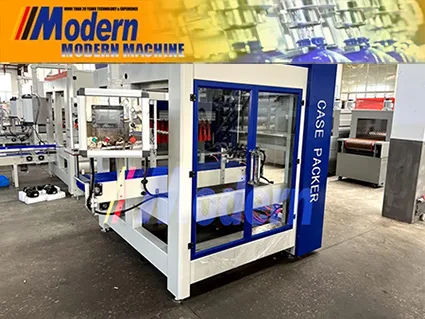
في عالمنا سريع الخطى اليوم، نما الطلب على المياه المعبأة بشكل كبير، مدفوعاً بالمخاوف المتعلقة بالصحة والراحة وسهولة الوصول. وبناءً على ذلك، أصبحت معدات تعبئة زجاجات المياه جزءاً لا يتجزأ من صناعة المشروبات. تقدم هذه المقالة استكشافاً متعمقاً لمعدات تعبئة زجاجات المياه، وأنواعها المختلفة، وتطبيقاتها، والعوامل التي يجب مراعاتها عند اختيار النظام المناسب لعملك.
فهم معدات تعبئة زجاجات المياه
تشمل معدات تعبئة زجاجات المياه مجموعة من الآلات المصممة لأتمتة عملية تعبئة الزجاجات. تؤدي هذه المعدات وظائف متنوعة - مثل الشطف، والتعبئة، والإغلاق، ووضع الملصقات - مما يبسط الإنتاج مع ضمان سلامة المنتج. مع توفر نماذج متنوعة، يجب على المؤسسات تقييم طاقتها الإنتاجية، وكفاءتها التشغيلية، وقيود ميزانيتها عند اختيار الآلات المناسبة.
أنواع معدات تعبئة زجاجات المياه
1. آلات التعبئة بالجاذبية
تعمل حشوات الجاذبية (Gravity fillers) عن طريق استخدام قوة الجاذبية لتوزيع المياه من خزان إلى الزجاجات. يعد هذا النوع من معدات التعبئة مفيداً بشكل خاص للسوائل منخفضة اللزوجة مثل الماء. تتميز حشوات الجاذبية بكونها فعالة من حيث التكلفة وبسيطة في التصميم، وغالباً ما تُرى في خطوط الإنتاج الصغيرة إلى المتوسطة. ومع ذلك، فإن سرعة التعبئة فيها أبطأ نسبياً مقارنة بالطرق الأخرى.
2. آلات التعبئة بالضغط
تسمح معدات التعبئة بالضغط (Pressure filling equipment) بقدرات تعبئة أسرع باستخدام الهواء أو مضخة لزيادة الضغط داخل النظام، مما يدفع السائل إلى الزجاجات. هذه الطريقة مثالية للمشروبات الغازية، حيث يمكنها الحفاظ على مستويات الكربنة أثناء التعبئة. على الرغم من كفاءة حشوات الضغط، إلا أنها عادة ما تكون ذات تكلفة أعلى وقد تتطلب صيانة أكثر من حشوات الجاذبية.
3. آلات التعبئة بالتفريغ (الفراغ)
تم تصميم حشوات التفريغ (Vacuum fillers) لإزالة الهواء من الزجاجة قبل التعبئة، مما يساعد على منع الرغوة ويسمح بتعبئة أكثر تحكماً. هذه الطريقة مفيدة بشكل خاص للسوائل الحساسة أو عندما تكون القياسات الدقيقة أمراً حيوياً. الاستثمار الأولي أعلى، ولكن بالنسبة للشركات التي تنتج مياهاً معبأة فاخرة، يمكن أن يكون العائد على الاستثمار كبيراً.
4. حشوات مقياس التدفق (Flow Meter Fillers)
تستخدم حشوات مقياس التدفق مستشعر تدفق لقياس حجم المياه الموزعة في كل زجاجة. يضمن هذا النظام عالي الدقة تعبئة دقيقة، مما يقلل من الهدر ويحسن الكفاءة. يمكن تعديل هذه الآلات بسهولة لتناسب أحجام الزجاجات المختلفة، وهي رائعة لخطوط الإنتاج ذات الحجم الكبير التي تتطلب جودة متسقة.
المكونات الرئيسية لآلات تعبئة زجاجات المياه
يمكن أن يساعد فهم المكونات الأساسية لمعدات تعبئة زجاجات المياه الشركات في اختيار الآلات المثالية لخط إنتاجها.
1. محطات الشطف
تعد محطات الشطف حيوية لتحضير الزجاجات قبل التعبئة. فهي تزيل الملوثات والغبار والبقايا الأخرى غير المرغوب فيها، مما يضمن أن تكون الزجاجات نظيفة وصحية. تدمج العديد من خطوط التعبئة المتقدمة محطات شطف لتحسين جودة المنتج.
2. رؤوس التعبئة
رأس التعبئة هو مكون حاسم، لأنه يحدد كيفية توزيع المياه في الزجاجات. يمكن أن يختلف تصميم رأس التعبئة بناءً على طريقة التعبئة المستخدمة. الخبرة في اختيار رأس التعبئة المناسب مهمة لتحقيق مستويات تعبئة مثالية دون انسكاب أو فيضان.
3. آلات الإغلاق (السد)
بعد التعبئة، تقوم آلات الإغلاق بتأمين الزجاجات لمنع التلوث والتسرب. يجب وضع تدابير صارمة لمراقبة الجودة لضمان وضع الأغطية بشكل صحيح. يجب أن يتوافق اختيار آلة الإغلاق مع نوع الأغطية المستخدمة - سواء كانت أغطية لولبية، أو أغطية كبس، أو أغطية تاجية.
4. أنظمة وضع الملصقات
يعد وضع الملصقات جانباً حاسماً في إنتاج زجاجات المياه، حيث يضمن التعرف على العلامة التجارية والامتثال للوائح. يمكن لأنظمة وضع الملصقات الأوتوماتيكية وضع الملصقات وطباعتها وحتى مسحها ضوئياً لضمان الدقة والكفاءة.
العوامل التي يجب مراعاتها عند اختيار معدات تعبئة زجاجات المياه
عند اختيار معدات تعبئة زجاجات المياه، تدخل عدة عوامل في الاعتبار. سيساعد فهم هذه الجوانب في تبسيط العمليات، وزيادة الإنتاجية، وتحقيق عائد أفضل على الاستثمار.
1. الطاقة الإنتاجية
قم بتقييم مستويات الإنتاج المتوقعة لديك واختر الآلات التي يمكنها تلبية الطلبات الحالية والمستقبلية. ضع في اعتبارك دورات الإنتاج القصوى وقم بتعديل القدرات وفقاً لذلك لمنع الاختناقات.
2. أحجام وأنواع الزجاجات
تأتي زجاجات المياه بأحجام وأشكال مختلفة، مما يجعل من الضروري اختيار حشوات يمكنها التكيف مع معايير مختلفة. تأكد من أن الآلات يمكنها استيعاب الزجاجات الصغيرة والكبيرة لتعزيز المرونة في الإنتاج.
3. مستوى الأتمتة
يمكن أن يؤثر مستوى الأتمتة في معدات التعبئة بشكل ملحوظ على تكاليف العمالة والكفاءة. تأتي الأنظمة المؤتمتة بالكامل بسعر أعلى ولكن يمكنها تقليل احتياجات العمالة بشكل كبير وتقليل الخطأ البشري. حدد مستوى الأتمتة الذي يناسب نموذجك التشغيلي بشكل أفضل.
4. الصيانة والدعم
يجب أخذ احتياجات الصيانة في الاعتبار في عملية اتخاذ القرار الخاصة بك. قم بتقييم سمعة الشركة المصنعة فيما يتعلق بدعم الصيانة، وتوافر قطع الغيار، وسهولة الوصول إلى فنيين مؤهلين للإصلاح والخدمة.
أفضل الممارسات لتشغيل معدات تعبئة زجاجات المياه
لتحقيق أقصى استفادة من معدات تعبئة زجاجات المياه، من الضروري تنفيذ أفضل الممارسات داخل بيئة الإنتاج.
1. تدريب الموظفين
يعد الاستثمار في تدريب الموظفين أمراً بالغ الأهمية لضمان فهم المشغلين لكيفية استخدام المعدات بفعالية. يقلل التدريب المناسب من الحوادث، ويزيد من الكفاءة، ويطيل عمر الآلات.
2. الصيانة الدورية
سيؤدي وضع جدول صيانة شامل إلى تقليل وقت التوقف عن العمل وإطالة عمر معداتك. يمكن للفحوصات المنتظمة والتنظيف والاستبدال توفير تكاليف كبيرة على المدى الطويل.
3. بروتوكولات مراقبة الجودة
قم بتنفيذ بروتوكولات صارمة لمراقبة الجودة لاكتشاف أي مشكلات في وقت مبكر من عملية الإنتاج. ستساعد الفحوصات الروتينية على دقة مستوى التعبئة، وسلامة الزجاجة، والإغلاق الصحيح في الحفاظ على جودة المنتج.
4. مراقبة مقاييس الإنتاج
سيساعد استخدام الرؤى المستندة إلى البيانات في مراقبة أداء الإنتاج. راجع بانتظام مقاييس مثل معدلات التعبئة، ووقت التوقف عن العمل، وأخطاء التعبئة لتحديد مجالات التحسين وتحسين العمليات.
الخلاصة
تلعب معدات تعبئة زجاجات المياه دوراً حاسماً في إنتاج المياه المعبأة، مما يؤثر على جودة المنتج وكفاءة عملية التصنيع. من خلال فهم الأنواع المختلفة لمعدات التعبئة، والمكونات الرئيسية، والعوامل الأساسية التي يجب مراعاتها عند اتخاذ القرار، يمكن للشركات تعزيز عملياتها لتلبية متطلبات السوق المتزايدة. سيضمن تنفيذ أفضل الممارسات أيضاً أن تعمل معدات تعبئة زجاجات المياه بأقصى كفاءة مع الحفاظ على سلامة المنتج. مع تطور الصناعة، فإن البقاء على اطلاع بالتقنيات والمنهجيات الجديدة سيمكن المؤسسات من المنافسة بفعالية في سوق المياه المعبأة.


