
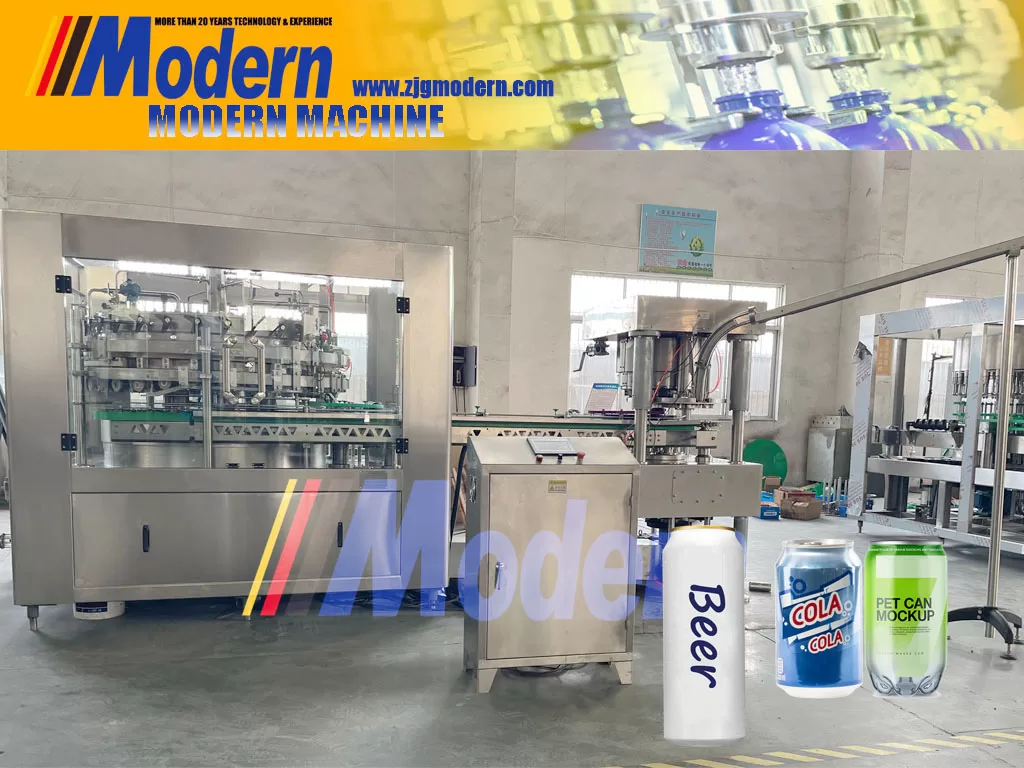
إن إنتاج المشروبات الغازية عملية معقدة تتطلب الدقة والكفاءة والالتزام بمعايير السلامة. ويعد خط تعبئة المشروبات الغازية مكوناً حيوياً في هذه العملية، حيث يلعب دوراً محورياً في تعبئة المشروبات لتكون جاهزة للاستهلاك. تهدف هذه المقالة إلى استكشاف الجوانب المختلفة لخطوط تعبئة المشروبات الغازية، بما في ذلك مكوناتها، والتطورات التكنولوجية فيها، وأفضل الممارسات لضمان الأداء الأمثل.
فهم خط تعبئة المشروبات الغازية
يتكون خط تعبئة المشروبات الغازية من سلسلة من الآلات والمعدات المصممة لتحضير وتعبئة وإغلاق ووضع ملصقات على عبوات المشروبات. يمكن لهذا الخط التعامل مع أنواع مختلفة من العبوات، بما في ذلك العلب المعدنية والزجاجات والأكياس، اعتماداً على المنتجات التي يتم تصنيعها. يجب أن يعمل خط التعبئة بسلاسة لضمان الكفاءة وتقليل الهدر والحفاظ على جودة المشروبات المنتجة.
مكونات خط تعبئة المشروبات الغازية
يتكون خط تعبئة المشروبات الغازية من عدة مكونات رئيسية، يؤدي كل منها غرضاً محدداً:
- أنظمة التحضير والتنظيف: قبل البدء في عملية التعبئة، يجب تنظيف العبوات جيداً لإزالة أي ملوثات. قد يتضمن ذلك الشطف بالماء أو استخدام مواد تنظيف متخصصة.
- آلات التعبئة: تعد آلات التعبئة جوهر خط التعبئة. تم تصميم هذه الآلات لتوزيع الكمية المناسبة من السائل في كل عبوة. يمكن استخدام آليات تعبئة متنوعة، مثل تلك التي تعتمد على الحجم أو الوزن، لضمان الدقة.
- وحدات الإغلاق والختم: بمجرد تعبئتها، تحتاج العبوات إلى إغلاق محكم لمنع التسرب والتلوث. يجب ضبط آلات الإغلاق وفقاً للمتطلبات المحددة لنوع العبوة ونظام الإغلاق المستخدم.
- آلات وضع الملصقات: يعد وضع الملصقات بدقة أمراً بالغ الأهمية للامتثال للوائح وتوفير معلومات المستهلك. يجب أن تكون آلات وضع الملصقات قادرة على وضع الملصقات بسرعة وفعالية لتقليل وقت التوقف عن العمل.
- محطات مراقبة الجودة: يجب إجراء فحوصات منتظمة للتأكد من أن كل عبوة تلبي معايير الجودة المحددة مسبقاً. قد يشمل ذلك عمليات الفحص البصري، وفحوصات مستوى التعبئة، واختبارات الضغط.
- أنظمة التجميع (البالتات): وأخيراً، تحتاج العبوات المعبأة والموسومة إلى التغليف بكفاءة للتوزيع. تعمل أنظمة التجميع على تبسيط هذه العملية، وتجهيز المنتجات للنقل والتخزين.
التطورات التكنولوجية في خطوط التعبئة
مع تطور صناعة المشروبات، تتطور أيضاً التكنولوجيا المستخدمة في خطوط تعبئة المشروبات الغازية. إن تبني الابتكار ضروري للحفاظ على القدرة التنافسية وضمان الالتزام بمعايير السلامة الحديثة. فيما يلي بعض التطورات البارزة:
الأتمتة
أحدثت تقنيات الأتمتة ثورة في خطوط تعبئة المشروبات الغازية. تعمل الأنظمة الآلية بدقة، مما يقلل من الخطأ البشري ويزيد من الإنتاجية. يمكن لآلات التعبئة الآلية التكيف مع أحجام العبوات المختلفة ومتطلبات التعبئة المتنوعة، مما يعزز المرونة في الإنتاج.
أجهزة الاستشعار الذكية وإنترنت الأشياء (IoT)
يسمح دمج أجهزة الاستشعار الذكية وتقنيات إنترنت الأشياء في خطوط التعبئة بالمراقبة وجمع البيانات في الوقت الفعلي. تمكن هذه الأنظمة الشركات المصنعة من تحليل كفاءة التشغيل، واكتشاف الأعطال قبل تفاقمها، وضمان الامتثال لمعايير الجودة. على سبيل المثال، يمكن لأجهزة الاستشعار تتبع مستويات التعبئة، أو اكتشاف فقاعات الهواء في السائل، أو قياس درجة الحرارة، مما يوفر رؤى حاسمة لتحسين العمليات.
حلول صديقة للبيئة
مع تزايد المخاوف البيئية، يتجه العديد من المصنعين إلى حلول صديقة للبيئة داخل خطوط التعبئة الخاصة بهم. وتشمل هذه الآلات الموفرة للطاقة، وتقليل استخدام المياه أثناء عمليات التنظيف، ومواد التعبئة والتغليف القابلة لإعادة التدوير. إن تنفيذ ممارسات مستدامة لا يقلل من الأثر البيئي فحسب، بل يلقى صدى لدى قاعدة المستهلكين المهتمين بالبيئة بشكل متزايد.
أفضل الممارسات لخطوط تعبئة المشروبات الغازية
لتحقيق أقصى قدر من الكفاءة والفعالية لخط تعبئة المشروبات الغازية، يجب مراعاة العديد من أفضل الممارسات:
الصيانة الدورية
تعد الصيانة الدورية للآلات أمراً بالغ الأهمية لضمان الأداء الأمثل. يمكن لعمليات التفتيش المنتظمة تحديد التآكل، مما يمنع الأعطال المحتملة التي يمكن أن تعطل جداول الإنتاج. من الضروري وضع خطة صيانة استباقية تشمل التنظيف والتشحيم واستبدال الأجزاء.
تدريب الموظفين
يعد الاستثمار في تدريب الموظفين الشامل أمراً حيوياً للتشغيل السلس لخط التعبئة. يجب أن يكون العمال على دراية جيدة بتشغيل الآلات، وتحديد الأعطال المحتملة، وفهم بروتوكولات السلامة. التدريب المستمر لا يعزز الإنتاجية فحسب، بل يعزز أيضاً ثقافة السلامة في مكان العمل.
تحسين العمليات
لتحقيق أقصى قدر من الكفاءة، من المفيد تحليل وتحسين كل خطوة من خطوات عملية التعبئة. قد يتضمن ذلك ضبط إعدادات السرعة، وإعادة معايرة كميات التعبئة، وتقليل الوقت المستغرق في الإغلاق ووضع الملصقات. يمكن أن يساعد استخدام مبادئ التصنيع الرشيق (Lean Manufacturing) في تحديد الممارسات المهدرة التي لا تضيف قيمة إلى خط الإنتاج.
ضمان الجودة
يعد الحفاظ على معايير الجودة العالية أمراً بالغ الأهمية في صناعة المشروبات. إن تنفيذ بروتوكولات صارمة لضمان الجودة، بما في ذلك عمليات التدقيق المنتظمة والامتثال للوائح الصناعة، يمكن أن يمنع عمليات الاستدعاء المكلفة ويضمن رضا المستهلك. كما يمكن أن يؤدي إنشاء نظام لتوثيق فحوصات الجودة إلى تعزيز المساءلة داخل العملية.
مستقبل خطوط تعبئة المشروبات الغازية
بالنظر إلى المستقبل، سيستمر مشهد خطوط تعبئة المشروبات الغازية في التطور. بالإضافة إلى الاتجاهات التي تمت مناقشتها بالفعل، ستشكل العديد من العوامل الناشئة مستقبل الصناعة:
التخصيص وتلبية الاحتياجات الفردية
مع تزايد تنوع تفضيلات المستهلكين، يتزايد الطلب على خيارات المشروبات المخصصة. ستحتاج خطوط التعبئة إلى التكيف للتعامل مع الإنتاج بكميات صغيرة والنكهات القابلة للتخصيص مع الحفاظ على الكفاءة. قد يتطلب هذا التحول استثمارات إضافية في آلات مرنة قادرة على استيعاب مجموعة متنوعة من أحجام الزجاجات وتركيبات المشروبات.
التكامل مع إدارة سلسلة التوريد
لزيادة تحسين العمليات، من المرجح أن تشهد خطوط تعبئة المشروبات الغازية مزيداً من التكامل مع أنظمة إدارة سلسلة التوريد. يمكن أن يسهل التواصل المبسط بين الإنتاج والتوزيع وإدارة المخزون مشاركة البيانات في الوقت الفعلي، مما يحسن اتخاذ القرار العام ويعزز الاستجابة لتغيرات السوق.
الخلاصة
يشكل خط تعبئة المشروبات الغازية العمود الفقري لإنتاج المشروبات، مما يؤثر على الكفاءة العامة والجودة والربحية. من خلال فهم مكوناته، وتبني التطورات التكنولوجية، وتنفيذ أفضل الممارسات، يمكن للمصنعين وضع أنفسهم في مكانة تضمن النجاح في سوق عالمية تنافسية. في نهاية المطاف، سيساهم خط التعبئة المحسن بشكل جيد بشكل كبير في جودة وتوافر المشروبات الغازية، وتلبية متطلبات المستهلكين المتطورة باستمرار.
إن الاستثمار في خط تعبئة قوي وإعطاء الأولوية للتحسين المستمر سيضمن أن الشركات لا تلبي معايير الصناعة فحسب، بل تتجاوز توقعات المستهلكين، مما يمهد الطريق للنمو المستمر والابتكار في صناعة المشروبات.


