شهدت صناعة المياه المعبأة في السنوات الأخيرة تحولات كبيرة، وبرزت المياه المعبأة في أكياس كحل شائع لتوفير مياه شرب ميسورة التكلفة ومتاحة للجميع. وفي قلب هذا السوق المزدهر تكمن التكنولوجيا الكامنة وراء آلات تعبئة المياه في أكياس. صُممت هذه الآلات لتعزيز الإنتاجية مع الحفاظ على معايير النظافة، مما يساهم في نهاية المطاف في التعبئة الفعالة للمياه. سيتناول هذا المقال تفاصيل آلات تعبئة المياه في أكياس، مغطياً وظائفها وأنواعها وفوائدها وأفضل الممارسات لتنفيذها في سيناريوهات الأعمال المختلفة.
فهم آلات تعبئة المياه في أكياس
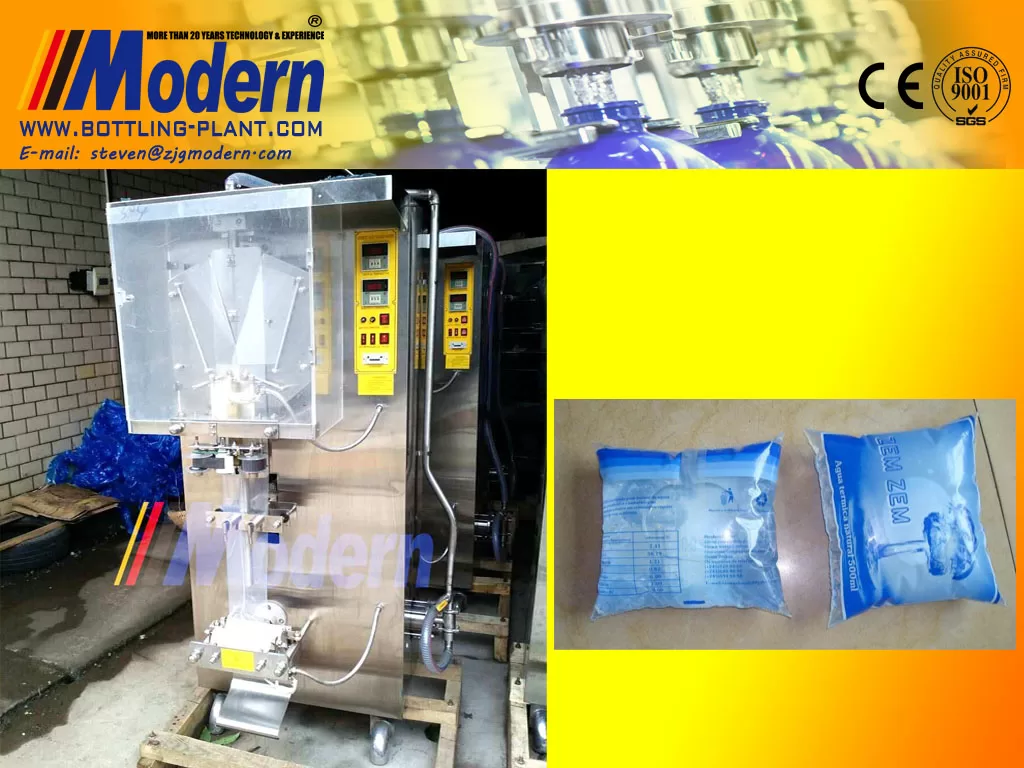
تم تصميم آلات تعبئة المياه في أكياس خصيصاً لتعبئة أكياس المياه وإغلاقها بطريقة سريعة وآلية. تُعد هذه الآلات ضرورية للشركات التي تتطلع إلى إنتاج أكياس المياه لأغراض البيع بالتجزئة أو التوزيع أو التصدير. من خلال الجمع بين توزيع المياه بمقادير محددة مسبقاً وعمليات إغلاق العبوات، تضمن آلات التعبئة الاتساق والكفاءة في الإنتاج.
يمكن أن تختلف وظائف هذه الآلات، ولكنها تعمل بشكل عام من خلال بضع خطوات أساسية:
- التحضير: يتم إعداد الآلة بالتكوينات اللازمة بناءً على الحجم والسعة المطلوبة للأكياس.
- التعبئة: يتم سحب المياه من خزان وتوزيعها بدقة في الكيس المعد مسبقاً.
- الإغلاق: تقوم الآلة بعد ذلك بالإغلاق الحراري أو استخدام آلية إغلاق مختلفة لتأمين الكيس.
- الفحص: اعتماداً على الطراز، قد تدمج بعض الآلات فحوصات الجودة للتأكد من عدم وجود تسريبات أو عيوب.
أنواع آلات تعبئة المياه في أكياس
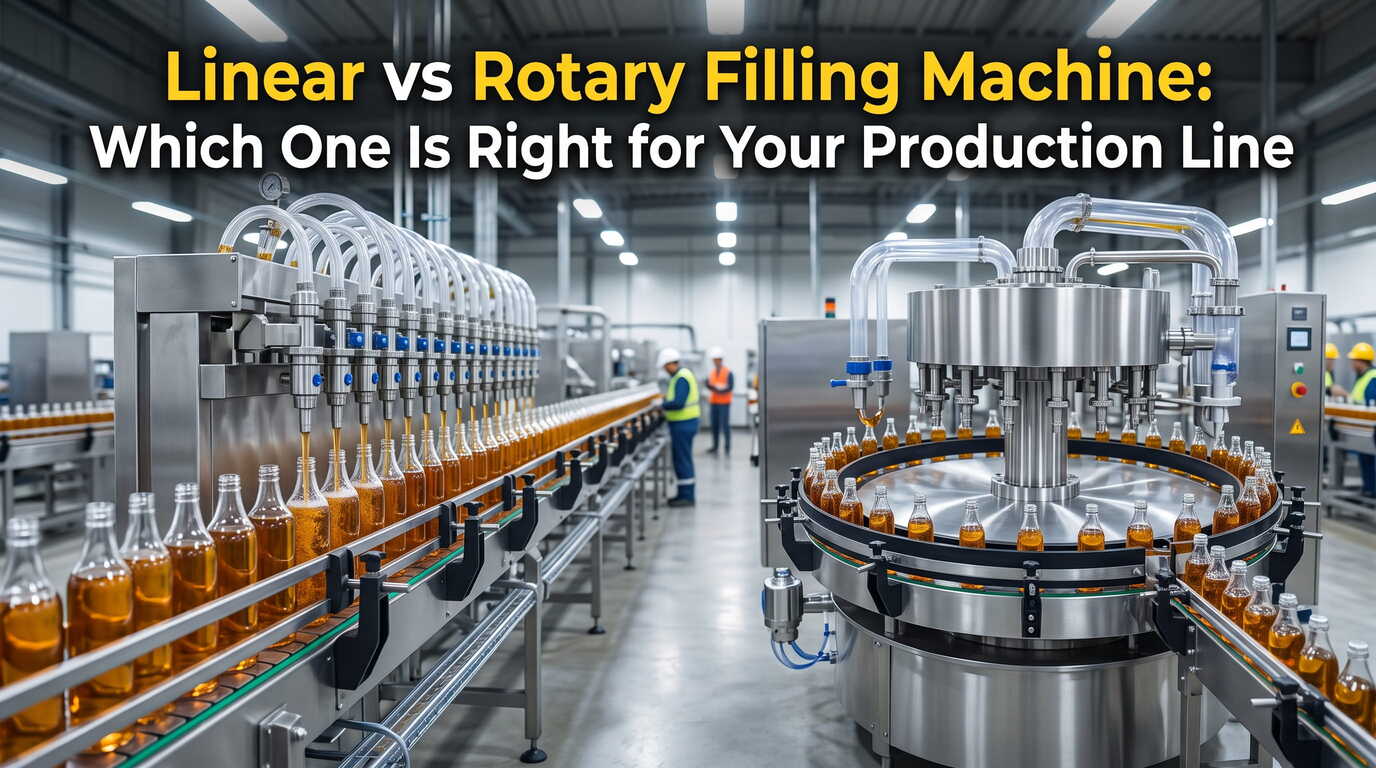
يقدم السوق آلات متنوعة لتعبئة المياه في أكياس تلبي احتياجات الإنتاج المختلفة. يمكن أن يساعد فهم هذه الأنواع الشركات على اختيار المعدات الأكثر ملاءمة لعملياتها.
1. آلات تعبئة الأكياس اليدوية
تتطلب هذه الآلات من المشغلين القيام بالعديد من المهام التي تتضمنها عملية التعبئة. وعلى الرغم من أنها توفر تكاليف أولية أقل، إلا أن الأنظمة اليدوية قد لا تكون مجدية لأحجام الإنتاج الكبيرة بسبب تكاليف الوقت والعمالة المرتبطة بها.
2. آلات تعبئة الأكياس شبه الآلية
تعمل هذه الآلات على تبسيط أجزاء من عملية التعبئة مع استمرار الحاجة إلى بعض التدخل اليدوي. على سبيل المثال، قد يحتاج المشغلون إلى وضع الأكياس الفارغة في الآلة، ولكن التعبئة والإغلاق يتمان آلياً. يحقق هذا الخيار توازناً بين الكفاءة والتكلفة.
3. آلات تعبئة الأكياس الآلية بالكامل
تعتبر قمة الكفاءة، حيث تقوم الآلات الآلية بالكامل بجميع العمليات - من تغذية الأكياس إلى التعبئة والإغلاق - دون الحاجة إلى عمالة يدوية. هذه الآلات مثالية لخطوط الإنتاج ذات المخرجات العالية، مما يقلل من تكاليف العمالة ويزيد من الكفاءة.
فوائد استخدام آلات تعبئة المياه في أكياس
يمكن أن يوفر الاستثمار في آلات تعبئة المياه في أكياس للشركات مزايا عديدة:
1. زيادة الإنتاجية
تقلل الأتمتة من الوقت المستغرق لتعبئة وإغلاق الأكياس، مما يسمح بإنتاجية أعلى في وقت أقل. مع القدرة على إنتاج آلاف الأكياس في الساعة، يمكن للشركات تلبية متطلبات السوق التنافسية.
2. فعالية التكلفة
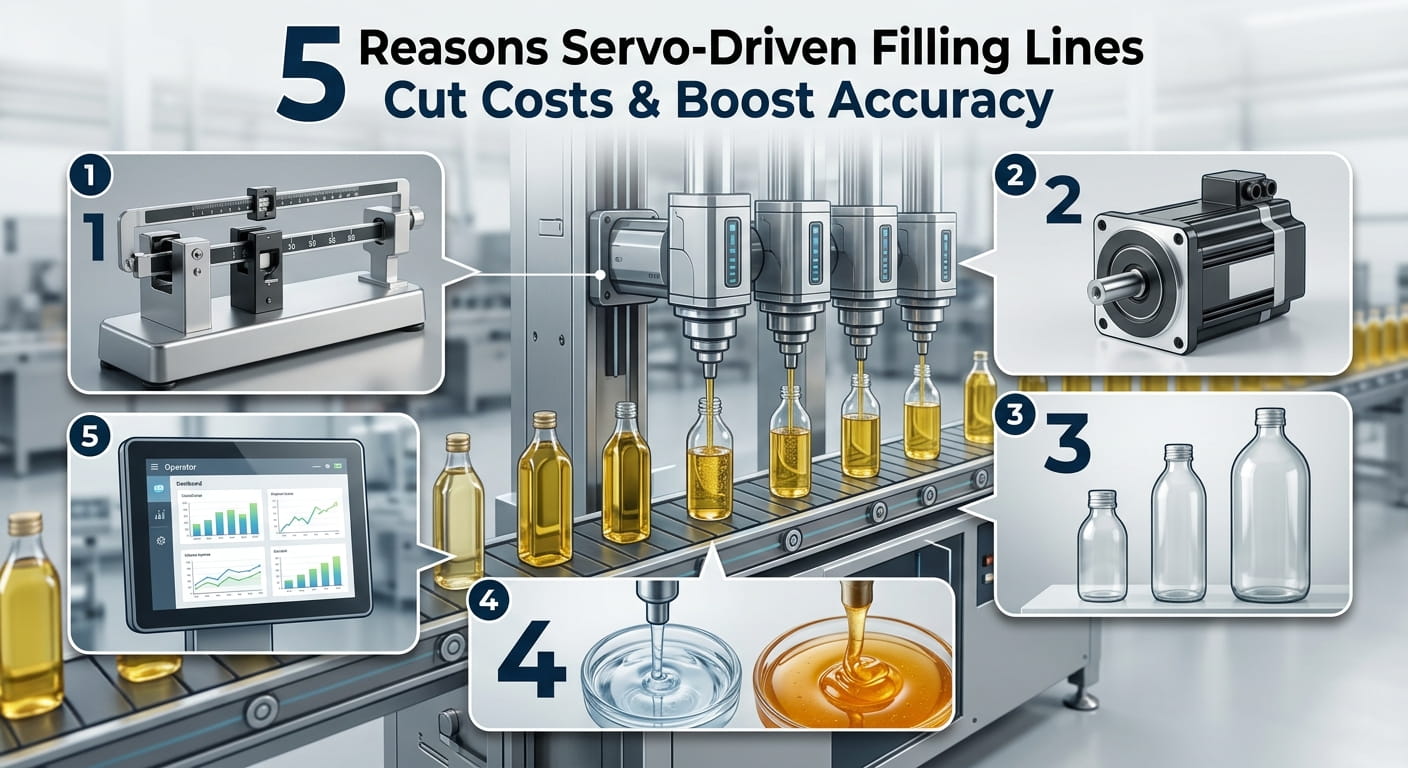
على الرغم من أن الاستثمار الأولي في الآلات قد يبدو كبيراً، إلا أن المدخرات طويلة الأجل تفوق التكاليف الأولية. تؤدي أتمتة الإنتاج إلى خفض تكاليف العمالة وتقليل هدر المواد من خلال قدرات التعبئة الدقيقة.
3. الاتساق ومراقبة الجودة
تؤدي الأتمتة إلى توحيد المنتج. يتم تعبئة كل كيس بنفس المستوى، مما يقلل من التباين ويضمن بقاء الجودة متسقة عبر دورات الإنتاج. وهذا أمر بالغ الأهمية بشكل خاص في صناعة المياه، حيث تعتبر مراقبة الجودة أمراً جوهرياً.
4. النظافة والسلامة
تعتبر النظافة في إنتاج المشروبات أمراً بالغ الأهمية. تقلل الأنظمة الآلية بالكامل من خطر التلوث لأنها تحد من الاتصال البشري بالمنتج. غالباً ما تكون الآلات المتقدمة مجهزة بميزات مصممة لمكافحة مشاكل النظافة، مما يضمن مطابقة مياه الأكياس لمعايير السلامة.
اختيار آلة تعبئة المياه في أكياس المناسبة
يعد اختيار آلة تعبئة المياه في أكياس المناسبة أمراً بالغ الأهمية. إليك العوامل التي يجب مراعاتها:
1. الطاقة الإنتاجية
يجب على الشركات تقييم أهداف الإنتاج الخاصة بها. تتوفر الآلات للعمليات الصغيرة (مئات الأكياس في الساعة) وصولاً إلى المصانع ذات الحجم الكبير (آلاف الأكياس في الساعة). إن مواءمة قدرات الآلات مع أهداف الإنتاج أمر ضروري.
2. مواصفات الآلة
افهم قدرات الآلة، مثل أحجام الأكياس، ودقة التعبئة، وتقنية الإغلاق. سيؤدي اختيار آلة تطابق احتياجاتك المحددة إلى تعزيز الكفاءة وجودة المنتج.
3. التكلفة والميزانية
ضع ميزانية تتعلق بتكاليف المعدات. ضع في اعتبارك أنه على الرغم من أن الآلات الأرخص قد توفر المال مقدماً، إلا أنها قد تؤدي إلى تكاليف تشغيلية أعلى أو مشاكل في الصيانة. ضع في اعتبارك التكلفة الإجمالية للملكية عند تقييم الخيارات.
4. المساحة والبيئة
قم بتقييم المساحة المتاحة في منشأة الإنتاج الخاصة بك. قد تتطلب بعض الآلات مساحة أكبر أو ظروف تركيب محددة. قم بتقييم البيئة لضمان عمل الآلة بفعالية.
أفضل الممارسات لتشغيل آلات تعبئة المياه في أكياس
لتحقيق أقصى استفادة من آلات تعبئة المياه في أكياس، يجب على الشركات الالتزام بأفضل الممارسات:
1. الصيانة الدورية
تساعد الصيانة الدورية في منع الأعطال وتطيل عمر الآلة. اتبع إرشادات الشركة المصنعة وجدول الفحوصات الدورية للحفاظ على الآلات في حالة ممتازة.
2. تدريب الموظفين
يعد تدريب الموظفين على كيفية تشغيل الآلة بفعالية أمراً بالغ الأهمية. يؤدي التشغيل السليم إلى تقليل الأخطاء وجودة إنتاج أعلى. كما أن تمكين الموظفين يشجع على عقلية السلامة أولاً، مما يقلل من المخاطر المرتبطة بالتشغيل.
3. فحوصات الجودة
قم بتنفيذ عمليات تفتيش منتظمة طوال عملية الإنتاج. إن التحقق من وجود أي أكياس مسربة، أو عمليات تعبئة غير دقيقة، أو أي شذوذ آخر يضمن أن المنتج النهائي يلبي جميع معايير الجودة.
4. الامتثال للوائح
تعرف على اللوائح المحلية المتعلقة بصناعة تعبئة المياه. الامتثال أمر غير قابل للتفاوض، لأنه لا يؤثر فقط على سمعة العلامة التجارية ولكن أيضاً على قانونية العمليات.
الخلاصة
إن صعود مياه الأكياس في سوق المشروبات يعيد تشكيل كيفية تعامل الشركات مع تعبئة المياه. تُعد آلات تعبئة مياه الأكياس أدوات حيوية تعزز الكفاءة والجودة والسلامة في عمليات الإنتاج. ومن خلال فهم أنواع الآلات المختلفة وفوائدها وممارسات التشغيل الأساسية، يمكن للشركات تسخير الإمكانات الكاملة لهذه التكنولوجيا. ومن خلال اتخاذ قرارات مستنيرة، والاستثمار في المعدات المناسبة، والالتزام بأفضل معايير التشغيل، يمكن للشركات وضع نفسها بفعالية للنجاح في مشهد المياه المعبأة التنافسي.