في عصر أصبحت فيه الكفاءة والإنتاجية هما المعيار الأساسي في صناعة المشروبات والتعبئة والتغليف، أصبحت آلات تعبئة الزجاجات البلاستيكية أدوات لا غنى عنها. لم تُصمم هذه الآلات لتعبئة الزجاجات فحسب، بل لتعزيز عملية التعبئة والتغليف بأكملها، مما يساهم بشكل كبير في توفير التكاليف وتحسين الكفاءة التشغيلية. يتعمق هذا المقال في جوانب مختلفة لآلات تعبئة الزجاجات البلاستيكية، ويقدم رؤى عملية ونصائح وإرشادات قابلة للتنفيذ للشركات التي تفكر في اعتمادها.
فهم آلات تعبئة الزجاجات البلاستيكية
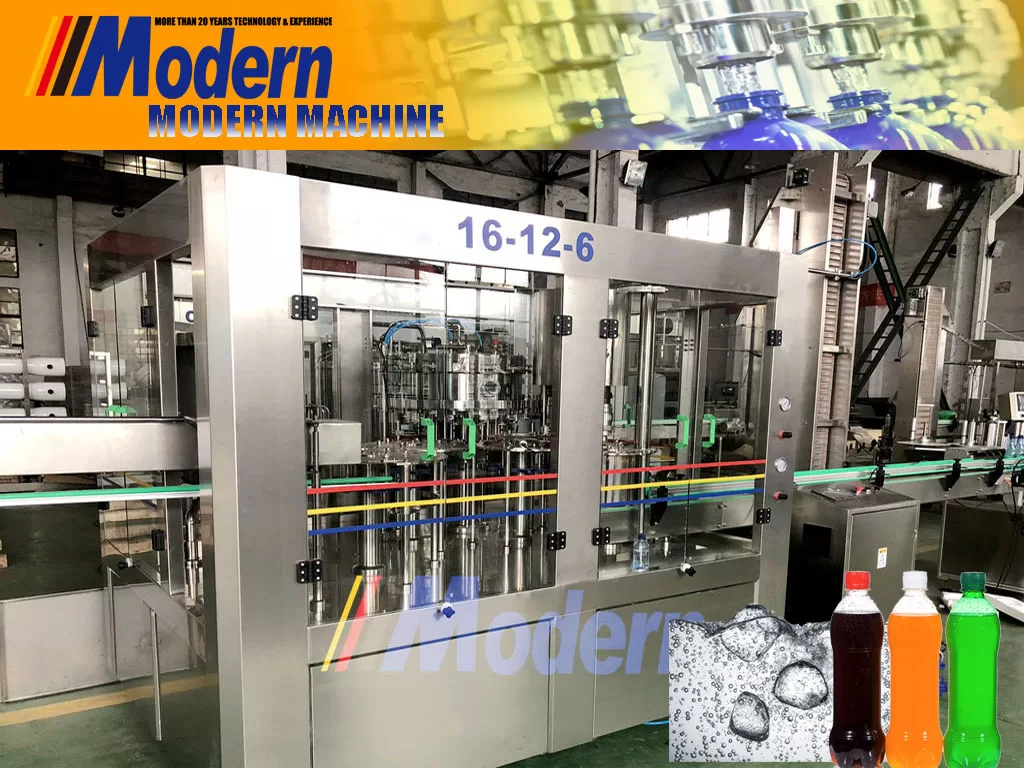
آلات تعبئة الزجاجات البلاستيكية هي أنظمة آلية مصممة خصيصاً لتعبئة الزجاجات بمختلف أحجامها وأشكالها بالسوائل. يمكن لهذه الآلات التعامل مع مجموعة واسعة من المنتجات، بدءاً من المياه والمشروبات الغازية وصولاً إلى الزيوت والمواد الكيميائية. إن تعدد استخدامات هذه الآلات يجعلها ضرورية للمصنعين الذين يتطلعون إلى تحسين خطوط إنتاجهم.
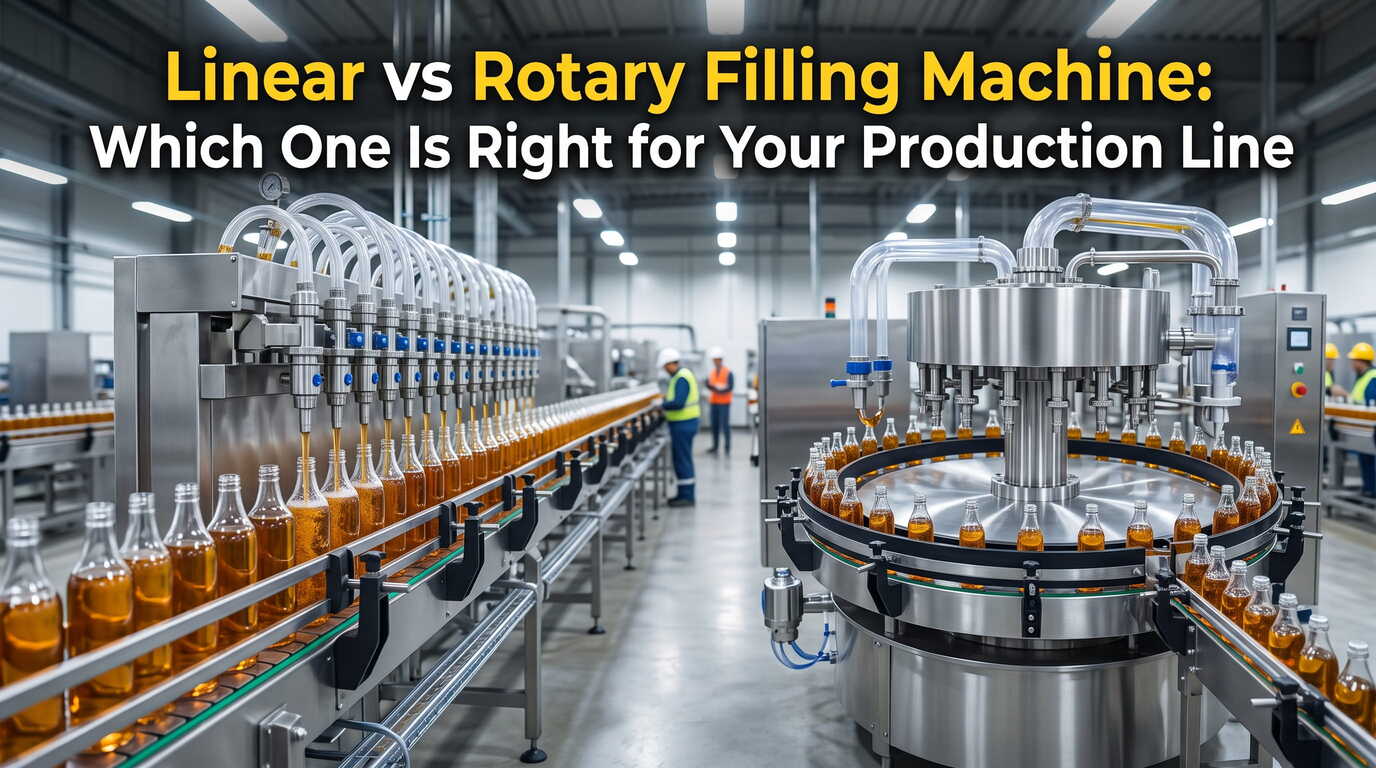
هناك عدة أنواع من آلات تعبئة الزجاجات البلاستيكية، بما في ذلك:
– آلات التعبئة بالجاذبية
– آلات التعبئة بالضغط
– آلات التعبئة بالتفريغ (الفراغ)
– آلات التعبئة بالوزن الصافي
يعد فهم الاختلافات بين هذه الآلات أمراً بالغ الأهمية للشركات التي تهدف إلى اتخاذ قرارات شراء مدروسة. فكل نوع يأتي بمميزاته الفريدة التي تلبي احتياجات صناعية محددة وخصائص منتجات معينة.
الميزات الرئيسية لآلات تعبئة الزجاجات البلاستيكية
عند تقييم آلات التعبئة المختلفة، يجب مراعاة العديد من الميزات لضمان توافق المعدات مع أهداف الإنتاج:
1. السرعة والكفاءة
تعد السرعة عاملاً حاسماً في أي بيئة إنتاج. يمكن لآلات التعبئة ذات السعة العالية التعامل مع مئات إلى آلاف الزجاجات في الساعة، مما يعزز الإنتاجية بشكل كبير. من الضروري تقييم سرعة تعبئة الآلة، بالإضافة إلى قدرتها على التوسع مع زيادة الطلب.
2. المرونة
تعد القدرة على استيعاب أحجام وأشكال الزجاجات المختلفة دون توقف طويل عن العمل ميزة مهمة أخرى. ابحث عن الآلات ذات فوهات التعبئة القابلة للتعديل والأجزاء سهلة التغيير لتقليل مشكلات الصيانة وتسهيل التحول السريع إلى منتجات مختلفة.
3. الدقة والإحكام
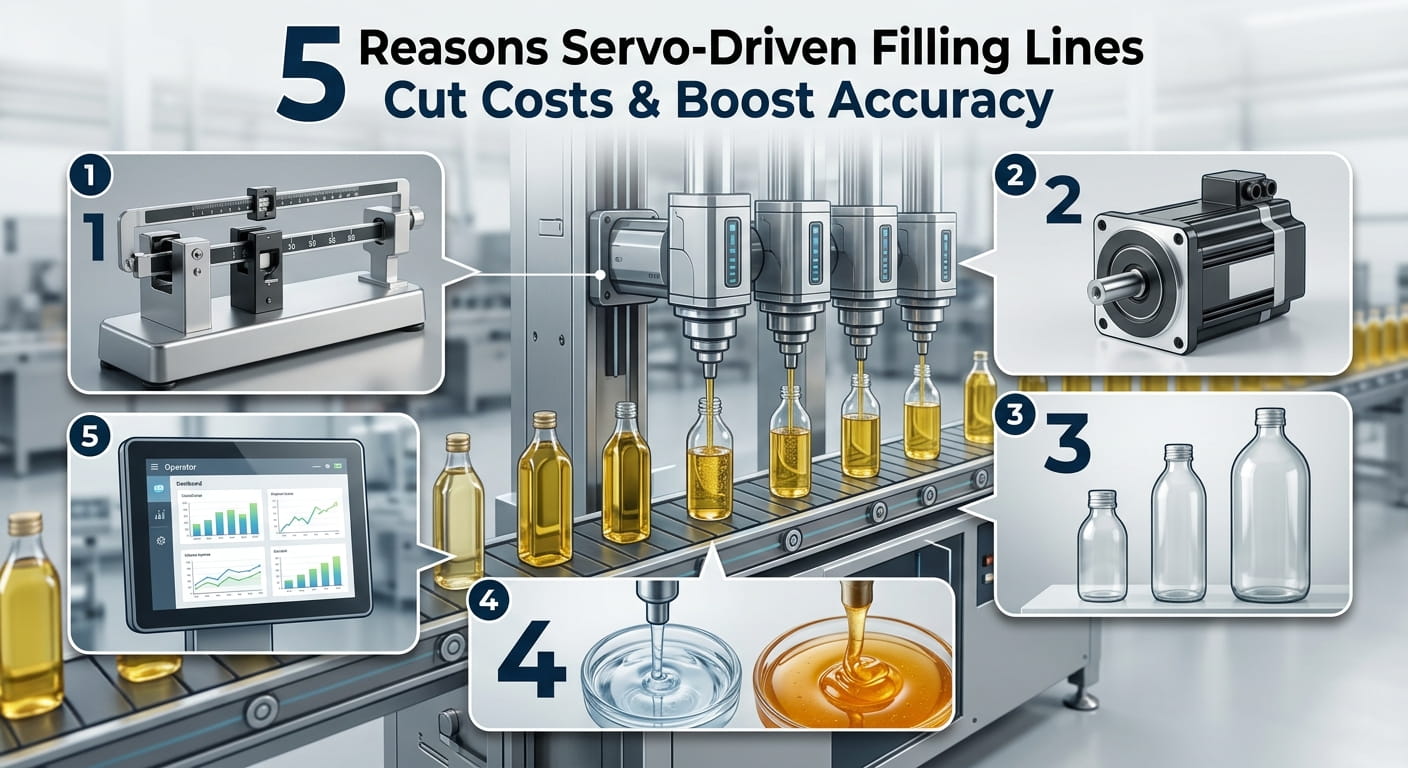
يعد الاتساق في التعبئة أمراً بالغ الأهمية، خاصة للمنتجات التي تُباع بكميات محددة. يجب أن تكون الآلات مجهزة بأنظمة قياس متقدمة تضمن تعبئة دقيقة، مما يقلل من الهدر ويلبي المتطلبات التنظيمية.
4. واجهات سهلة الاستخدام
يساعد التصميم سهل الاستخدام في تقليل وقت تدريب المشغلين ويحسن الكفاءة التشغيلية الإجمالية. ابحث عن الآلات التي تحتوي على شاشات تعمل باللمس وقوائم سهلة التصفح.
5. النظافة والتعقيم
في صناعات مثل الأغذية والمشروبات، تعد النظافة أمراً حتمياً. يجب تصميم آلات تعبئة الزجاجات البلاستيكية مع مراعاة سهولة التنظيف والتعقيم. يمكن للهيكل المصنوع من الفولاذ المقاوم للصدأ والأجزاء القابلة للإزالة تعزيز معايير النظافة.
اختيار آلة تعبئة الزجاجات البلاستيكية المناسبة
يتضمن اختيار آلة التعبئة المناسبة تقييماً شاملاً للاحتياجات التشغيلية وحجم الإنتاج وقيود الميزانية. إليك خطوات عملية لتوجيه اختيارك:
1. تقييم احتياجات الإنتاج
قم بتقييم حجم الإنتاج المطلوب. ستتطلب العمليات ذات الإنتاج العالي آلات أكثر قوة قادرة على الحفاظ على السرعة والدقة تحت الضغط.
2. فهم خصائص المنتج
قد تتطلب المنتجات المختلفة تكوينات تعبئة فريدة. على سبيل المثال، قد تتطلب السوائل اللزجة نوعاً مختلفاً من آلات التعبئة مقارنة بالسوائل الخفيفة مثل الماء. قم بتحليل خصائص منتجك لضمان التوافق مع الآلة المختارة.
3. إجراء تحليل التكلفة والعائد
على الرغم من أنه قد يكون من المغري اختيار أكثر آلات التعبئة تطوراً، فمن الضروري موازنة الميزات مقابل تكلفتها. قم بإجراء تحليل شامل لتحديد ما إذا كان الاستثمار الأولي سيحقق وفورات طويلة الأجل ومكاسب في الكفاءة.
صيانة آلات التعبئة
تعد الصيانة الدورية ضرورية لضمان طول عمر آلات تعبئة الزجاجات البلاستيكية وتشغيلها بكفاءة. إليك الممارسات الرئيسية التي يجب دمجها في جدول الصيانة الخاص بك:
1. التنظيف الروتيني
ضع بروتوكول تنظيف روتينياً للتخلص من بقايا المنتج ومنع التلوث. يعد فحص وتعقيم الأجزاء التي تتلامس مع المنتج بانتظام أمراً ضرورياً في الصناعات ذات معايير النظافة الصارمة.
2. الفحوصات والتشخيص
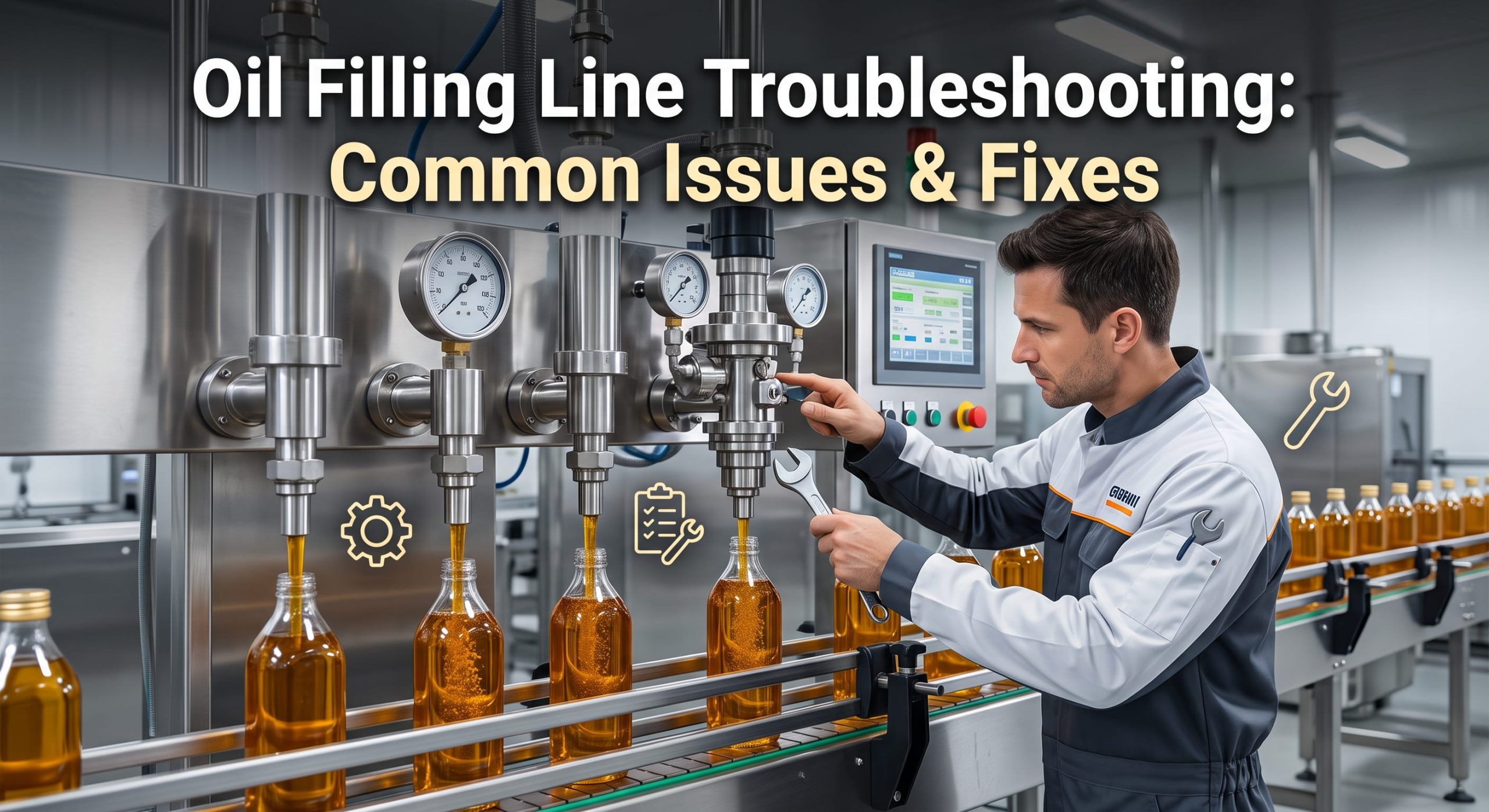
قم بتنفيذ فحوصات دورية للمكونات الميكانيكية والإلكترونية للآلة. ويشمل ذلك فحص الخراطيم والتوصيلات وأنظمة الضخ بحثاً عن أي تآكل لمنع الأعطال غير المتوقعة.
3. تدريب المشغلين
تأكد من تدريب جميع المشغلين ليس فقط على تشغيل الآلة ولكن أيضاً على صيانتها. يمكن للمشغل المطلع تحديد المشكلات المحتملة قبل أن تتحول إلى مشاكل كبيرة.
الاتجاهات المستقبلية في تكنولوجيا تعبئة الزجاجات البلاستيكية
مع تطور الصناعات، تتطور أيضاً التكنولوجيا المحيطة بآلات تعبئة الزجاجات البلاستيكية. يمكن أن يكون البقاء في طليعة الاتجاهات أمراً حيوياً للشركات التي تتطلع إلى الحفاظ على ميزة تنافسية. إليك الاتجاهات الناشئة التي يجب مراقبتها:
1. الأتمتة والتكامل
يؤدي دمج الذكاء الاصطناعي (AI) وتكنولوجيا إنترنت الأشياء (IoT) في آلات التعبئة إلى زيادة الدقة والكفاءة. يمكن للأنظمة الآلية مراقبة عمليات الإنتاج، وتوفير بيانات في الوقت الفعلي لتحسين العمليات.
2. الممارسات المستدامة
مع تزايد الوعي بالقضايا البيئية، أصبحت الممارسات المستدامة أولوية. تتجه الشركات نحو الآلات التي تقلل من النفايات وتستخدم مواد صديقة للبيئة.
3. تعزيز مراقبة الجودة
تتضمن آلات التعبئة المتقدمة الآن ميزات متطورة لمراقبة الجودة، مثل أنظمة الرؤية التي يمكنها اكتشاف عيوب التعبئة، مما يضمن اتساق المنتج وجودته.
الخلاصة
في الختام، تعد آلات تعبئة الزجاجات البلاستيكية حجر الزاوية في خطوط الإنتاج الحديثة، حيث تقدم العديد من المزايا التي تتراوح من الكفاءة والدقة إلى المرونة وسهولة الصيانة. إن التقييم الدقيق لاحتياجات الإنتاج الخاصة بك، وفهم التقنيات المتاحة، والاستثمار في المعدات المناسبة يمكن أن يؤدي إلى مزايا تشغيلية كبيرة.
مع التقدم المستمر في التكنولوجيا والتركيز المتزايد على الاستدامة، فإن إمكانات التحسين في هذا المجال هائلة. فالشركات التي تتكيف مع هذه التغيرات لا تعمل على تعزيز قدراتها الإنتاجية فحسب، بل تساهم أيضاً بشكل إيجابي في تحقيق الأهداف البيئية.
من خلال الاستفادة من الرؤى التي تمت مشاركتها في هذا المقال، يمكن للشركات اتخاذ خيارات استراتيجية مدروسة فيما يتعلق بآلات تعبئة الزجاجات البلاستيكية لتلبية متطلبات السوق المتغيرة باستمرار.