
شهدت صناعة منتجات الحيوانات الأليفة نمواً كبيراً على مدى السنوات القليلة الماضية، مدفوعة بزيادة عدد مربي الحيوانات الأليفة وطلبهم على منتجات عالية الجودة. وتعد كفاءة وفعالية تقنيات الإنتاج، وتحديداً آلات تعبئة منتجات الحيوانات الأليفة، أحد المكونات الرئيسية التي تدفع هذا النمو. يتعمق هذا المقال في وظائف وأنواع وفوائد آلات التعبئة، إلى جانب رؤى عملية للشركات التي تتطلع إلى تعزيز عمليات الإنتاج الخاصة بها.
فهم آلات تعبئة منتجات الحيوانات الأليفة
آلات تعبئة منتجات الحيوانات الأليفة هي معدات متخصصة مصممة لتعبئة مختلف منتجات الحيوانات الأليفة تلقائياً، بما في ذلك طعام الحيوانات الأليفة، والمكافآت، والمستلزمات الطبية، داخل العبوات. تعتبر هذه الآلات حاسمة في ضمان تبسيط العمليات، وتقليل تكاليف العمالة، وزيادة سرعة الإنتاج. ومع آلة التعبئة المناسبة، يمكن للمصنعين تقليل الهدر، وتعزيز جودة المنتج، وتلبية طلبات المستهلكين من حيث الاتساق والنضارة.
الميزات الرئيسية لآلات تعبئة منتجات الحيوانات الأليفة
عند تقييم آلات تعبئة منتجات الحيوانات الأليفة، من الضروري مراعاة العديد من الميزات الرئيسية التي يمكن أن تؤثر بشكل كبير على كفاءة الإنتاج. فيما يلي بعض السمات الحاسمة:
1. التنوع
يعد التنوع عاملاً أساسياً عند اختيار آلة تعبئة منتجات الحيوانات الأليفة. فالآلة القادرة على التعامل مع أنواع مختلفة من المنتجات، مثل الطعام الجاف، والطعام الرطب، والمكافآت شبه الرطبة، توفر للمصنعين المرونة لتنويع عروضهم دون الحاجة إلى آلات متخصصة متعددة.
2. السرعة والكفاءة
تؤثر سرعة التشغيل بشكل كبير على القدرة الإنتاجية. يمكن لآلات تعبئة منتجات الحيوانات الأليفة المتقدمة تحقيق دورات في الدقيقة تعمل على تبسيط عملية الإنتاج. من الضروري تحليل متطلبات السرعة بناءً على الطلب المتوقع على منتجات الحيوانات الأليفة، لضمان قدرة الآلة المختارة على تلبية تلك الأهداف.
3. الأتمتة والدقة
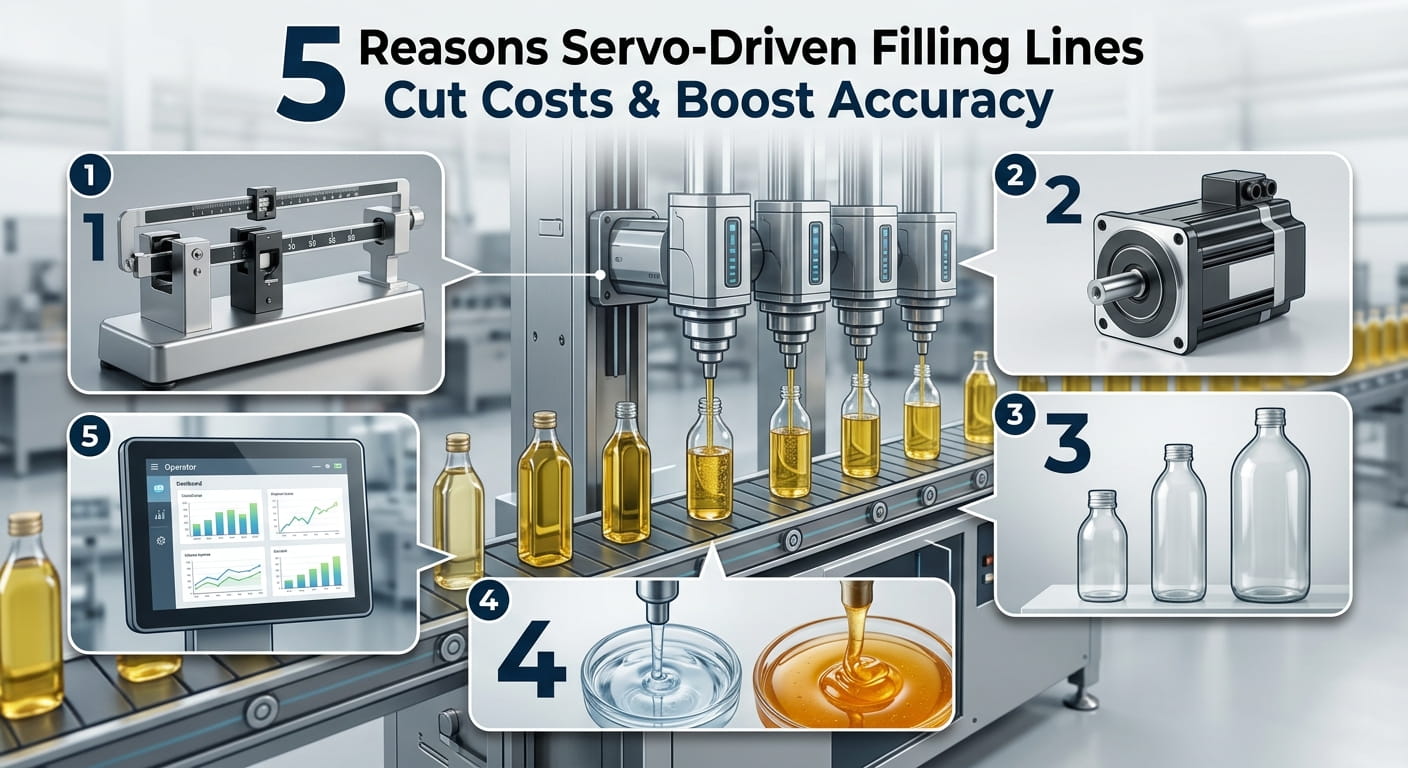
تعمل الأتمتة في آلات التعبئة على تقليل الخطأ البشري وتكاليف العمالة بشكل كبير. تستخدم الآلات الحديثة تقنيات متطورة مثل دمج المستشعرات، مما يضمن تعبئة المنتجات بدقة، وتقليل التباينات التي يمكن أن تؤثر على جودة المنتج.
4. سهولة الصيانة
نظراً لأهمية النظافة في صناعة منتجات الحيوانات الأليفة، فإن سهولة الصيانة أمر لا يقبل التفاوض. فالآلات المصممة لتسهيل الفك والتنظيف يمكن أن تؤثر بشكل كبير على الكفاءة التشغيلية والامتثال لمعايير السلامة.
أنواع آلات تعبئة منتجات الحيوانات الأليفة
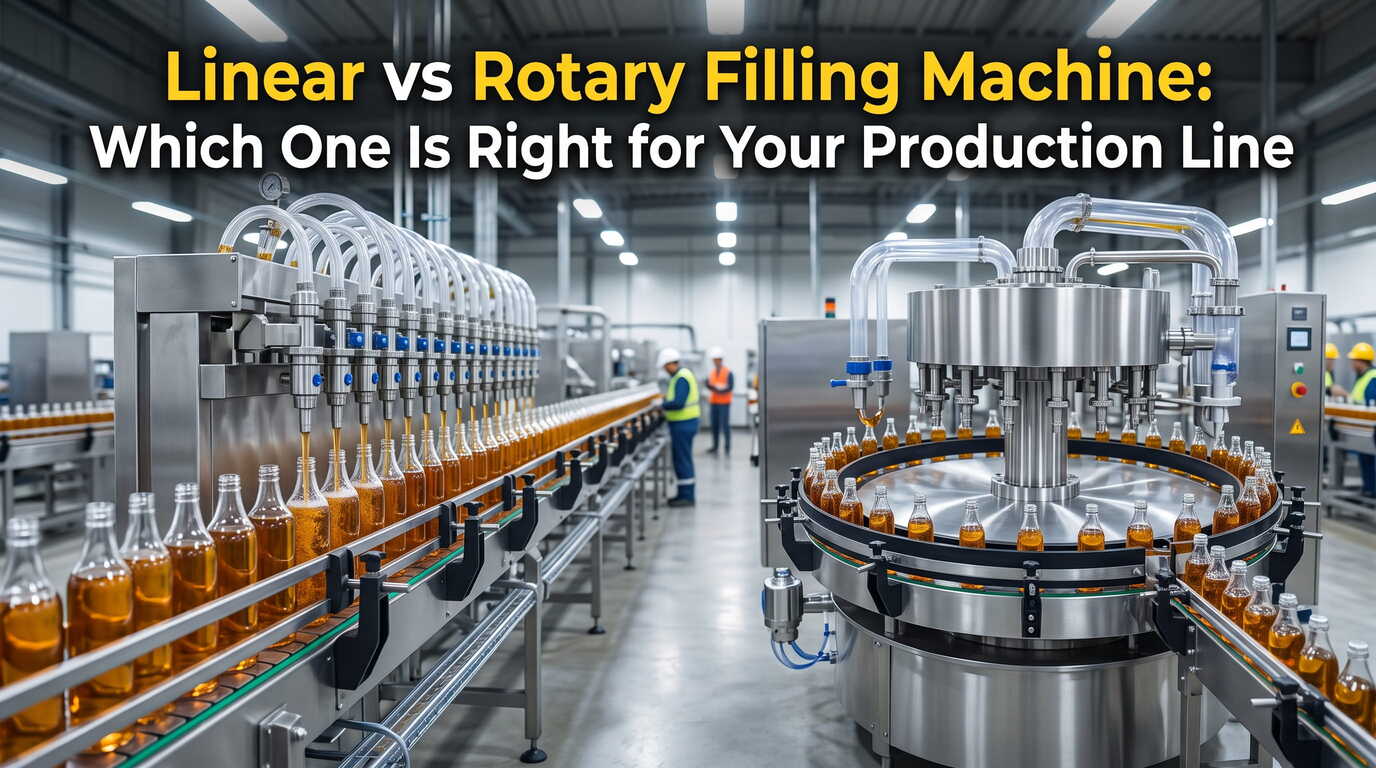
تأتي آلات تعبئة منتجات الحيوانات الأليفة في مجموعة متنوعة من الأنواع، كل منها مصمم خصيصاً لأنواع معينة من المنتجات. يمكن أن يساعد فهم أنواع الآلات المختلفة المصنعين على اختيار الخيار الأنسب لاحتياجات الإنتاج الخاصة بهم.
1. حشوات البريمة (Auger Fillers)
تعتبر حشوات البريمة فعالة بشكل خاص لتعبئة طعام الحيوانات الأليفة الجاف والمكافآت. وهي تستخدم آلية لولبية دوارة لنقل المنتج من القادوس إلى العبوة، مما يضمن قياسات دقيقة وأقل قدر من الهدر. هذه الآلات مناسبة لخطوط الإنتاج ذات الحجم الكبير وتُفضل لسرعتها وكفاءتها.
2. حشوات المكبس (Piston Fillers)
تعتبر حشوات المكبس مثالية للمنتجات شبه السائلة أو اللزجة. يستخدم هذا النوع من الآلات مكبساً لخلق شفط وتعبئة المنتج في العبوات. غالباً ما تكون مجهزة برؤوس متعددة لزيادة سرعات التعبئة وهي فعالة في التعامل مع العناصر المكتنزة أو عالية اللزوجة مثل بعض أنواع طعام الحيوانات الأليفة الرطب.
3. حشوات الجاذبية (Gravity Fillers)
تعمل حشوات الجاذبية بناءً على الجاذبية لتعبئة المنتج في العبوات. وهي مناسبة للمنتجات خفيفة الوزن وغالباً ما تستخدم في إنتاج مكافآت الحيوانات الأليفة. على الرغم من أنها ميسورة التكلفة ومباشرة بشكل عام، إلا أنها قد لا تكون دقيقة مثل الأنواع الأخرى لبعض المنتجات.
فوائد استخدام آلات تعبئة منتجات الحيوانات الأليفة
يمكن أن يؤدي الاستثمار في آلات تعبئة منتجات الحيوانات الأليفة إلى فوائد عديدة للمصنعين، مما يعزز كلاً من الإنتاجية والربحية.
1. تحسين كفاءة الإنتاج
من خلال أتمتة عملية التعبئة، يمكن للمصنعين زيادة إنتاجهم بشكل كبير مع تقليل تكاليف العمالة. تمكن الآلات عالية السرعة الشركات من تلبية طلب المستهلكين دون المساومة على الجودة.
2. الاتساق في جودة المنتج
مع قدرات القياس الدقيقة، تضمن آلات تعبئة منتجات الحيوانات الأليفة تعبئة كل عبوة بنفس كمية المنتج. يساعد هذا الاتساق في بناء الثقة مع المستهلكين، الذين يتوقعون توحيد الجودة عند شراء منتجات الحيوانات الأليفة.
3. معايير نظافة معززة
تم تصميم آلات التعبئة الحديثة مع وضع النظافة في الاعتبار، حيث تتميز بأسطح ملساء وإمكانية تنظيفها بسهولة. يعد الحفاظ على معايير النظافة الصارمة أمراً بالغ الأهمية لكسب ثقة مربي الحيوانات الأليفة فيما يتعلق بسلامة وجودة المنتجات التي يشترونها.
4. توفير التكاليف
على الرغم من أن شراء آلة تعبئة قد يتطلب استثماراً أولياً كبيراً، إلا أن وفورات التكلفة طويلة الأجل الناتجة عن تقليل العمالة والهدر وتحسين الكفاءة يمكن أن توفر عائداً قوياً على الاستثمار.
اعتبارات لاختيار آلة تعبئة منتجات الحيوانات الأليفة
يتطلب اختيار آلة تعبئة منتجات الحيوانات الأليفة المناسبة دراسة متأنية للعديد من العوامل. فيما يلي دليل عملي للمساعدة في عملية اتخاذ القرار:
1. نوع المنتج
افهم الخصائص المحددة لمنتجات الحيوانات الأليفة التي سيتم تعبئتها. قم بتحليل ما إذا كانت جافة أو شبه سائلة أو لزجة، واختر نوع الآلة الذي يتناسب مع هذه المواصفات.
2. حجم الإنتاج
حدد حجم منتجات الحيوانات الأليفة المطلوبة في الساعة أو اليوم. سيساعد هذا في تحديد السرعة والسعة اللازمة لآلة التعبئة. تختلف الآلات في السرعة، لذا فإن مواءمة قدرات الآلة مع أهداف الإنتاج أمر حيوي.
3. الميزانية
ضع ميزانية قبل البدء في البحث عن آلة تعبئة. تذكر أن تأخذ في الاعتبار ليس فقط التكلفة الأولية للآلة ولكن أيضاً الصيانة المستمرة، واستبدال الأجزاء، والترقيات المحتملة مع نمو العمل.
4. سمعة المورد
ابحث عن الموردين المحتملين بدقة. افهم سمعتهم في الصناعة، وعروض الضمان، وتوافر دعم العملاء. يمكن لعلاقات الموردين القوية أن توفر الوصول إلى خدمات الصيانة والترقيات مع تطور التكنولوجيا.
الاتجاهات المستقبلية في آلات تعبئة منتجات الحيوانات الأليفة
سوق منتجات الحيوانات الأليفة يتطور باستمرار، وستتكيف آلات التعبئة لتلبية هذه التغييرات. فيما يلي بعض الاتجاهات المتوقعة:
1. زيادة التخصيص
مع استمرار تحول تفضيلات المستهلكين نحو منتجات الحيوانات الأليفة المخصصة، من المرجح أن تتضمن آلات التعبئة ميزات تسمح بمزيد من التخصيص في عروض المنتجات والتعبئة والتغليف، لتلبية مجموعة أوسع من طلبات المستهلكين.
2. ميزات الاستدامة
مع التركيز المتزايد على الاستدامة، قد تتضمن آلات التعبئة المستقبلية ميزات مصممة لتقليل النفايات واستخدام مواد قابلة لإعادة التدوير في التغليف، مما يلبي طلبات المستهلكين للحصول على عمليات صديقة للبيئة.
3. دمج التكنولوجيا الذكية
من المرجح أن تشهد التطورات التكنولوجية إدخال آلات تعبئة ذكية لمنتجات الحيوانات الأليفة قادرة على التكامل مع أجهزة إنترنت الأشياء (IoT). يمكن لهذه الآلات توفير مراقبة في الوقت الفعلي وجمع البيانات لتعزيز تحليلات الإنتاج والكفاءة.
الخلاصة
ختاماً، تلعب آلات تعبئة منتجات الحيوانات الأليفة دوراً جوهرياً في صناعة منتجات الحيوانات الأليفة المزدهرة. ومن خلال فهم وظائف هذه الآلات وأنواعها وفوائدها، يمكن للمصنعين اتخاذ قرارات مستنيرة تعزز من قدراتهم الإنتاجية. علاوة على ذلك، ومع تطور طلبات المستهلكين، فإن الاستثمار في تكنولوجيا تعبئة مرنة وفعالة وحديثة سيضمن بقاء المصنعين في صدارة المنافسة وتلبية الاحتياجات المتزايدة لأصحاب الحيوانات الأليفة في جميع أنحاء العالم.