
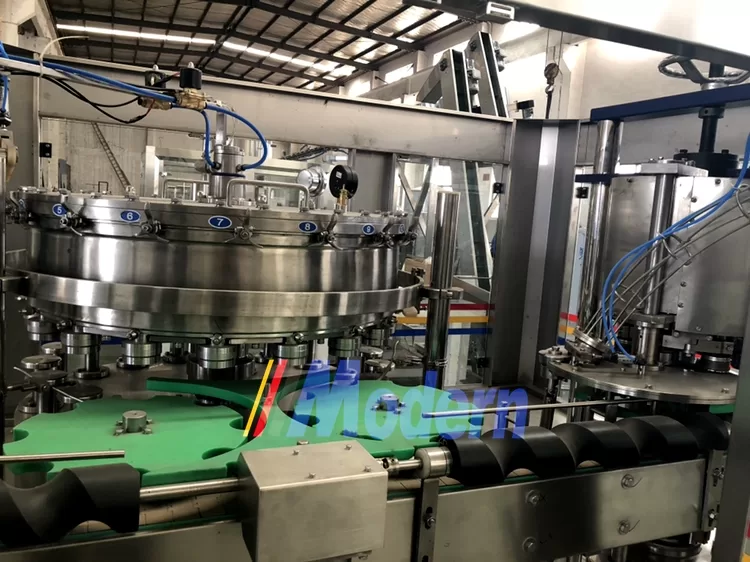
في مجال التصنيع والتعبئة والتغليف، لا يوجد ما هو أكثر أهمية من كفاءة عمليات التعبئة، لا سيما في صناعة الطلاء. تُعد آلات تعبئة علب الطلاء أدوات لا غنى عنها مصممة لأتمتة تعبئة علب وزجاجات وعبوات الطلاء، مما يضمن قياساً دقيقاً، وتقليلاً للهدر، وزيادة في الإنتاجية. ومع تزايد الطلب على الطلاء عالمياً - مدفوعاً بقطاعات البناء والسيارات وتحسين المنازل - لا يمكن المبالغة في أهمية اعتماد تقنيات تعبئة متقدمة. يتناول هذا المقال وظائف ومزايا ومعايير اختيار واتجاهات مستقبل آلات تعبئة علب الطلاء.
فهم آلات تعبئة علب الطلاء
في جوهرها، صُممت آلات تعبئة علب الطلاء لتوزيع أشكال مختلفة من الطلاء السائل في حاويات بأحجام متنوعة. تأتي هذه الآلات في تكوينات وطرق متعددة، بما في ذلك التعبئة بالجاذبية، والتعبئة بالمكبس، والتعبئة بالمضخة. تخدم كل طريقة من هذه الطرق أغراضاً محددة ومصممة لمنتجات معينة، مما يوفر مزايا وتطبيقات فريدة.
آلات التعبئة بالجاذبية
تُعد آلات التعبئة بالجاذبية واحدة من أبسط الأنواع المتاحة، حيث تستخدم الجاذبية لإنشاء تدفق للطلاء من قمع أو خزان إلى العلبة. هذا النوع من آلات التعبئة مفيد بشكل خاص للدهانات الرقيقة أو السوائل التي لا تتطلب قياساً دقيقاً. ومع ذلك، قد لا تكون مثالية للمواد عالية اللزوجة حيث تكون الدقة أمراً بالغ الأهمية.
آلات التعبئة بالمكبس
تستخدم آلات التعبئة بالمكبس آلية أسطوانة ومكبس لتحقيق مستوى عالٍ من الدقة. هذا النوع من الآلات هو الأنسب للدهانات الأكثر سمكاً التي تتطلب حجماً مقاساً بدقة للتعبئة. وهي تعمل عن طريق سحب كمية محددة من السائل إلى الأسطوانة قبل تفريغها في الحاوية، مما يجعلها لا غنى عنها للمصنعين الذين ينتجون طلاءات عالية اللزوجة.
آلات التعبئة بالمضخة
تستخدم آلات التعبئة بالمضخة مضخات الإزاحة الإيجابية لنقل الطلاء من خزانات التخزين إلى فوهات التعبئة. وهي مفيدة بسبب مرونتها وقدرتها على التعامل مع مجموعة واسعة من اللزوجة، بما في ذلك الدهانات المائية والدهانات القائمة على المذيبات. غالباً ما تجعلها هذه التعددية الخيار المفضل للمصنعين الذين ينتجون مجموعة متنوعة من منتجات الطلاء.
مزايا استخدام آلات التعبئة الآلية
دفع تطور التكنولوجيا في عمليات التصنيع الشركات إلى اعتماد أنظمة آلية مثل آلات تعبئة علب الطلاء. إليك بعض المزايا:
زيادة الكفاءة
تتمثل إحدى أهم فوائد استخدام آلات تعبئة علب الطلاء في قدرتها على زيادة كفاءة الإنتاج بشكل كبير. من خلال أتمتة عملية التعبئة، يمكن للشركات تقليل العمالة اليدوية، وتقليل الاختناقات، وضمان سير عمل مستمر، مما يسمح بإنتاجية أعلى في وقت أقل.
تحسين الدقة
صُممت آلات التعبئة الآلية لتحقيق دقة عالية في قياس وتوزيع السوائل. تساعد هذه الدقة في تقليل الهدر وتضمن تعبئة كل علبة بالمستوى الصحيح، وهو أمر بالغ الأهمية لمراقبة الجودة ورضا العملاء.
تقليل تكاليف العمالة
على الرغم من أن الاستثمار الأولي في آلات التعبئة الآلية قد يكون مرتفعاً، إلا أن التوفير طويل الأجل في تكاليف العمالة يمكن أن يكون كبيراً. هناك حاجة لعدد أقل من العمال على خط الإنتاج، ويمكن لأولئك الموجودين التركيز على مهام أخرى ذات قيمة مضافة بدلاً من التعبئة اليدوية.
تعزيز السلامة
مع أتمتة عمليات التعبئة، يمكن للشركات تقليل مخاطر الحوادث المرتبطة بالمناولة اليدوية والتعرض للمواد الكيميائية الضارة المحتملة الموجودة في الدهانات. تأتي الآلات الحديثة مجهزة بميزات أمان وأجهزة استشعار للتخفيف من هذه المخاطر.
اعتبارات رئيسية عند اختيار آلة تعبئة علب الطلاء
يُعد الاستثمار في آلة تعبئة علب الطلاء قراراً مهماً. يجب تقييم عدة عوامل لضمان الاختيار الصحيح:
خصائص السائل
يجب أن تحدد لزوجة وتركيبة الطلاء نوع آلة التعبئة المناسبة لعملياتك. سيتطلب الطلاء الأكثر سمكاً آلة تعبئة بالمكبس أو المضخة، بينما قد تعمل التركيبات الرقيقة بشكل جيد مع أنظمة الجاذبية.
حجم الإنتاج
يجب أن تحدد متطلبات الإنتاج الخاصة بك - من حيث الحجم والتكرار - نطاق آلة التعبئة. بالنسبة للعمليات ذات الإنتاج العالي، ابحث عن آلات ذات دورات تعبئة أسرع وخزانات ذات سعة أكبر.
توافق الحاويات
تتطلب أحجام وأنواع العلب المختلفة (مثل المعدن أو البلاستيك أو الزجاج) آلات ذات فوهات تعبئة قابلة للتعديل أو ملحقات متخصصة. تأكد من أن الآلة يمكنها التعامل بكفاءة مع مجموعة الحاويات التي تستخدمها شركتك.
الصيانة والدعم
تتطلب آلات التعبئة الآلية صيانة دورية لضمان طول العمر والأداء الأمثل. يمكن أن يساعد اختيار شركة مصنعة تقدم خدمات دعم شاملة في تقليل وقت التوقف عن العمل بسبب المشكلات الفنية.
مستقبل آلات تعبئة علب الطلاء
مع استمرار تطور التكنولوجيا، من المقرر أن تتقدم قدرات آلات تعبئة علب الطلاء بشكل أكبر. إليك بعض الاتجاهات التي يجب مراقبتها:
تكامل التكنولوجيا الذكية
يسمح دمج التكنولوجيا الذكية بالتشخيص عن بُعد، والصيانة التنبؤية، والمراقبة في الوقت الفعلي لعمليات التعبئة. يضمن هذا التكامل أن يتمكن المصنعون من معالجة المشكلات بشكل استباقي والحفاظ على العمليات المثلى.
مبادرات الاستدامة
مع تزايد المخاوف بشأن التأثير البيئي، من المرجح أن تدمج آلات تعبئة الطلاء المستقبلية ميزات تهدف إلى تقليل الهدر وتعزيز الاستدامة. توقع رؤية ابتكارات تتيح إعادة تدوير أفضل للمواد وتقليل استهلاك الطاقة.
أنظمة إدارة المخزون
قد يجلب المستقبل أيضاً أنظمة إدارة مخزون أكثر تطوراً تتكامل مع آلات التعبئة لمراقبة مستويات المخزون، وتوقع الطلب، وأتمتة عمليات إعادة الطلب. سيدعم هذا النوع من التكامل الكفاءة العامة في سير عمل الإنتاج.
الخلاصة
مع استمرار توسع صناعة الطلاء، يصبح دور آلات تعبئة علب الطلاء حيوياً بشكل متزايد. من خلال الاستثمار في آلات موثوقة وفعالة، يمكن للمصنعين تعزيز عمليات الإنتاج الخاصة بهم، وتقليل الهدر، وتحقيق هوامش ربح أعلى في نهاية المطاف. علاوة على ذلك، فإن مواكبة التطورات التكنولوجية ستزود الشركات بالأدوات اللازمة للبقاء قادرة على المنافسة في سوق ديناميكي. مع الدراسة المتأنية لاختيار الآلة، والاحتياجات التشغيلية، والابتكارات المستقبلية، يمكن للشركات الاستفادة من آلات تعبئة علب الطلاء لتحقيق نجاح ملحوظ في سوق مشبع.


